





 Portuguese
  English
  Spanish
  3 min of reading
  0 comments


Area Larger Than 1% of Brazilian Territory Auctioned Off to Oil Companies — Exploration Without Consultation of Indigenous Peoples Sparks Outrage
An area larger than many Brazilian states has been put up for sale — igniting alarms among indigenous people, environmentalists, and even workers in the sector. What lies behind this billion-dollar oil auction at the mouth of the Amazon River?
Controversial Auction Moves Millions and Sparks Outrage
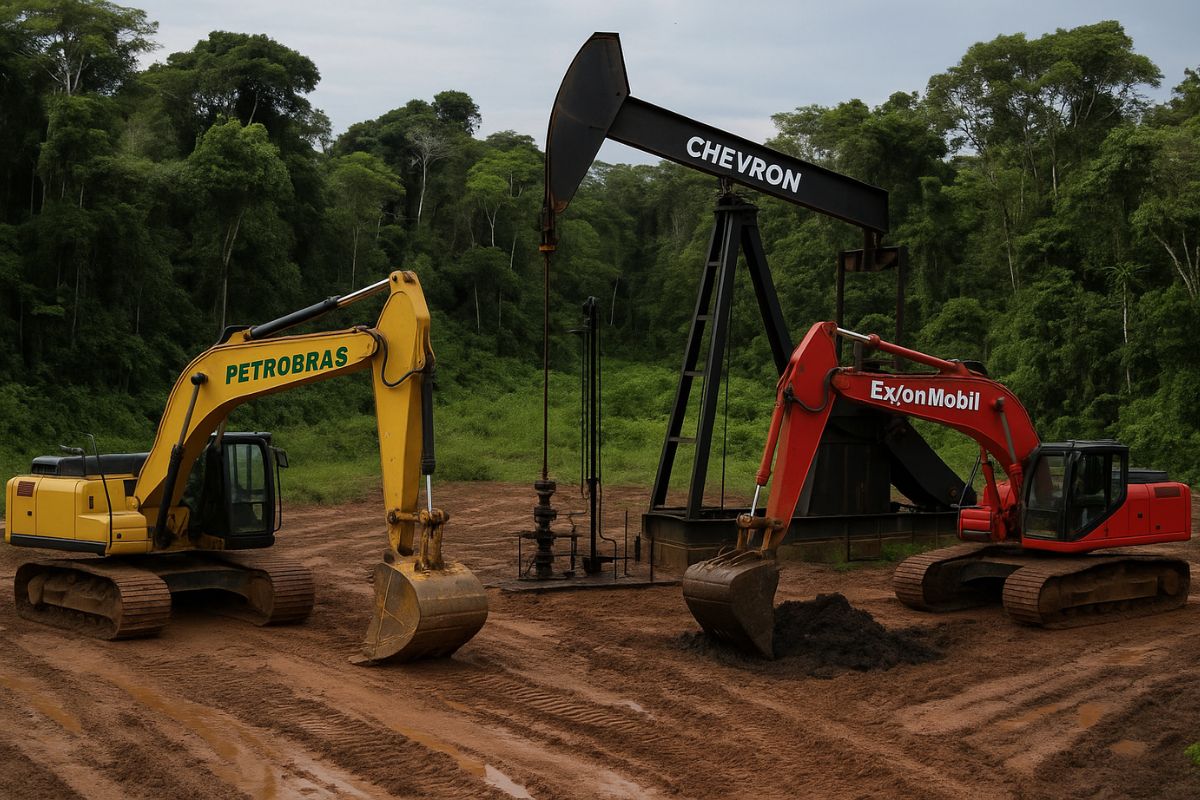
Last Tuesday, while the government’s attention was focused on organizing the COP30, an internal decision reignited tensions over Brazilian environmental policy. The federal government authorized the sale of oil and gas exploration blocks in the Amazons River mouth basin, in a region deemed highly sensitive environmentally.
A total of 19 blocks auctioned, out of 47 made available, in an event held at a luxury hotel in Rio de Janeiro. The total amount raised: 153 million dollars, approximately R$ 838 million at current exchange rates. The winners? Two consortia formed by major international players: one with Petrobras and ExxonMobil, the other with Chevron and the Chinese CNPC.
-
Premium Brazilian brand born during the pandemic brings fine cocoa from Bahia to Switzerland, Germany, and France, has won 9 awards, and claims to have the 2nd best milk chocolate in the world: meet Luz Cacau.
-
Júnior Friboi has just purchased one of the largest feedlots in all of Brazil, located in Goiás, with the capacity to produce 180,000 cattle per year, and the manager has already come forward to reassure employees about layoffs.

-
Pharmacy inside the supermarket: what changes now in your purchase, why medicines won’t go on the shelves, which rules remain strict, mandatory pharmacist, separate space, controlled storage, more convenience and competition in the country.

-
Ports like Santos and Paranaguá are operating at their limits and may block containers as early as 2030, warns a study by Macroinfra; bottlenecks increase costs and delays and push cargo to Rio, Salvador, Pecém, and Suape across Brazil.

Protests and Allegations of Legal Overreach
Outside the hotel, the atmosphere was different. Various groups — including unions, indigenous representatives, and environmental NGOs — were protesting against the auction. One of the leading voices was Leandro Lanfredi from the Oil Workers’ Union of Rio de Janeiro:
“An area equivalent to the combined states of Rio de Janeiro and Espírito Santo has been put up for sale. We are talking about more than 1% of the national territory. And with environmental licenses expired for over 20 years”, he stated to RFI.
Lanfredi also denounces that indigenous peoples were not consulted beforehand, as required by the Brazilian Constitution in cases of mineral or hydrocarbon exploration in lands near their territories:
“Indigenous peoples report that they were not consulted. This violates basic rights. There are blocks offered in the Parecis region, in northern Mato Grosso, that threaten the aquifers of the area and could affect the water supply for the entire basin.”
Inconsistency in Environmental Discourse?
The main criticism made by protesters is that the auction represents a contradiction to Lula’s environmental discourse, which has positioned itself as a global leader in the fight against deforestation and for clean energy.
The holding of COP30, scheduled for November in Belém, was even presented as a symbol of this sustainable agenda. However, actions like this auction call the government’s coherence into question.
NGOs such as the Socioenvironmental Institute and the Climate Observatory had already warned of the risks of oil exploration in such sensitive areas and advocate for a more transparent and democratic energy transition.
What Is at Stake?
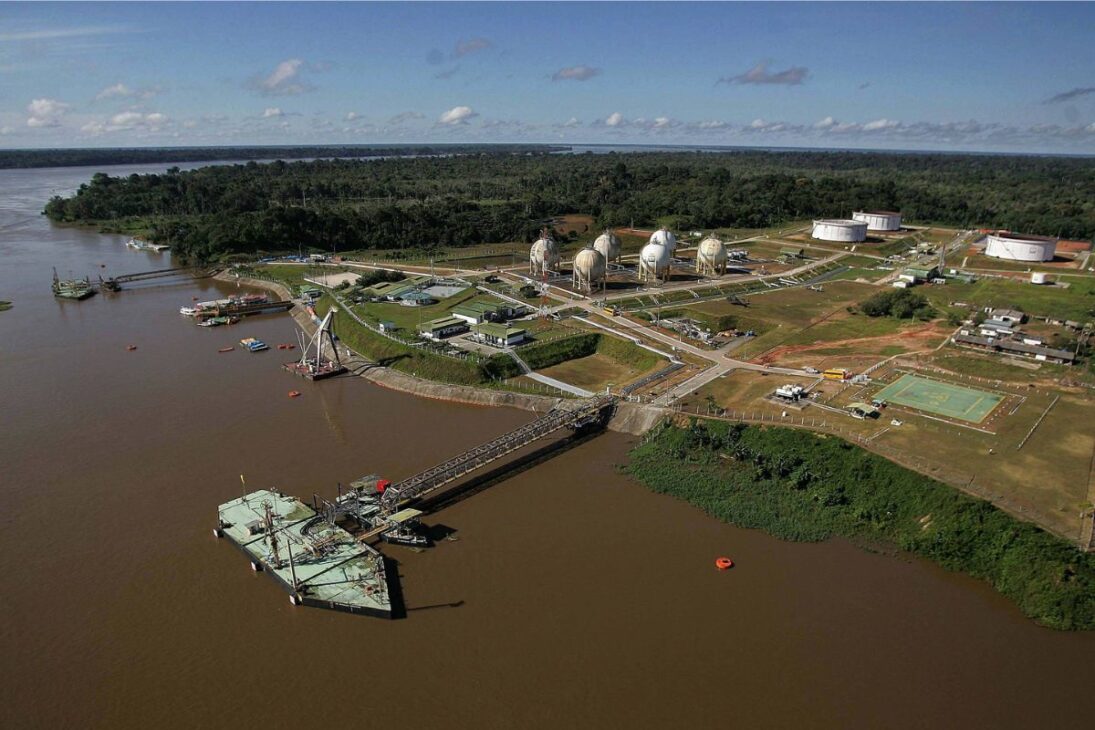
What appears at first glance to be a profitable business could have extremely high costs. The mouth of the Amazon River region is considered one of the most biodiverse areas in the world and is home to protected areas, riverside communities, and an underground network of aquifers essential to the Amazon ecosystem.
Moreover, studies indicate that the impact of oil spills in this region could be catastrophic, affecting mangroves, corals, and marine life along the northern coast of Brazil.
The energy transition, touted as inevitable by scientists and economists, may be delayed by decisions like this. In the meantime, local populations and nature remain vulnerable to the logic of intensive exploitation.





-

Uma pessoa reagiu a isso.