





 Portuguese
  English
  Spanish
  5 min of reading
  3 comments


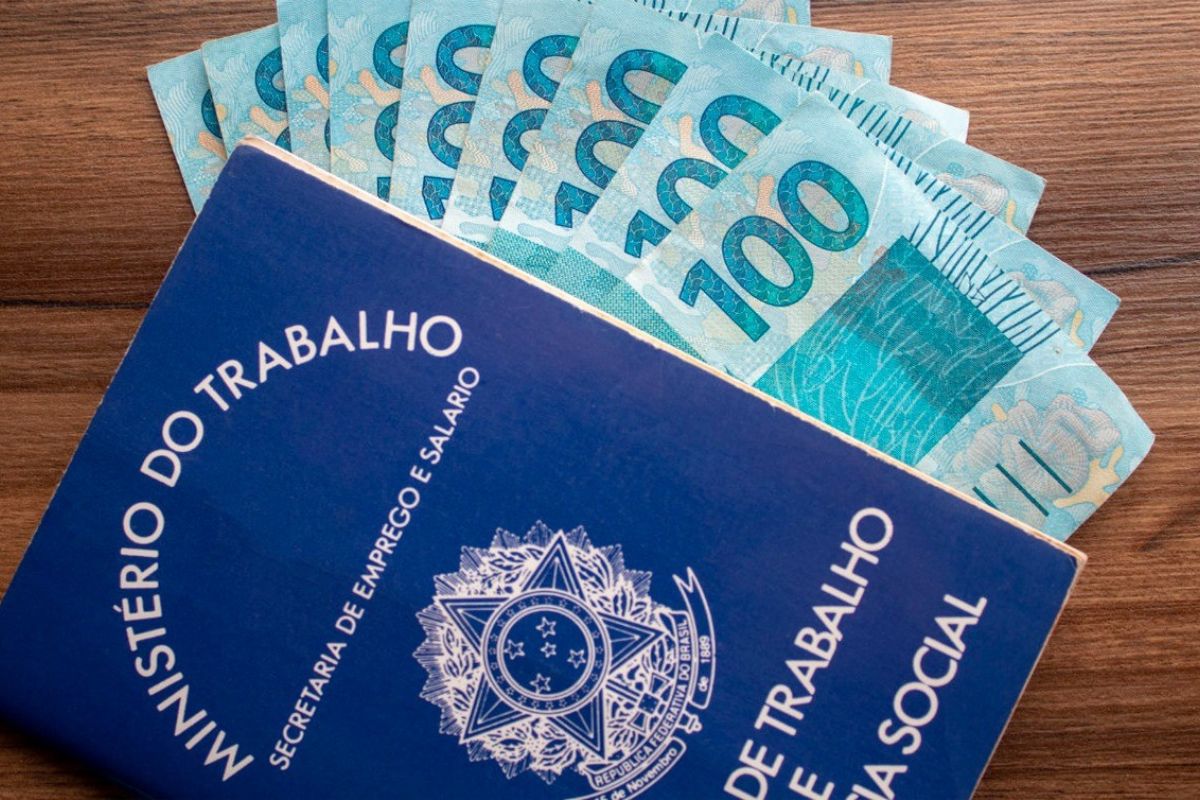


Until December 30, the benefit for workers dismissed without cause allows the withdrawal of the first installment of up to R$ 1.8 thousand from the anniversary withdrawal of FGTS, relieve overdue debts and reorganize family budgets in 2025, without losing the 40 percent fine or future scheduled annual installments
The worker’s benefit linked to FGTS received an emergency boost with the release, until December 30, of the first installment of up to R$ 1.8 thousand for those dismissed without cause who opted for the anniversary withdrawal. The measure specifically targets those who had their balance retained in the linked account and depended on this money to restore their budget after losing their jobs, allowing limited withdrawals without breaking the connection with the chosen modality.
In practice, the government seeks to turn a stagnant balance into a worker’s benefit capable of covering urgent expenses, renegotiating debts, and reducing default rates around the turn of 2025 to 2026. At the same time, it preserves the logic of the anniversary withdrawal, maintaining future annual withdrawals and the 40% penalty on the balance in the event of dismissal without cause, which reinforces FGTS’s role as a labor protection tool and economic policy tool.
What Is the Worker Benefit Released Until December 30
The central point of the measure is to allow the worker’s benefit for those dismissed without cause not to be locked due to the previous choice of the FGTS anniversary withdrawal.
-
The bluest city in Brazil has just gained a new floating bridge for the free crossing between the island and the mainland, connecting residents and visitors to the historic center of São Francisco do Sul every day of the week.

-
In a silent race, Shopee signs a mega contract in Guarulhos and accelerates the e-commerce war with faster deliveries, pressured shipping, and a new threat to rivals in Brazil.

-
Oil surged to $115 a barrel due to the war in the Middle East, and diesel in Brazil has already risen to R$ 7.45 per liter, while the United States…

-
Brazilian city bets on the business environment to generate jobs and attract investments in the energy sector — secretary reveals strategy at Macaé Energy 2026.


Until then, those who opted for the modality could only withdraw annual installments in their anniversary month, even after dismissal, which caused frustration and delays in restoring family income.
With the extraordinary release, the worker can now access part of the balance from the account linked to the terminated contract without giving up the anniversary withdrawal.
The first installment, limited to up to R$ 1.8 thousand, serves as an immediate relief for rent, overdue bills, food, and other basic expenses, without the account holder having to sacrifice the structure they had already planned for future withdrawals.
How the Anniversary Withdrawal of FGTS Works and Why It Locks the Balance
The anniversary withdrawal of FGTS is an optional modality that allows workers to withdraw, once a year, part of the available balance in linked accounts, always in their anniversary month.
Instead of making a total withdrawal upon dismissal without cause, the account holder starts to rely on scheduled annual installments, created in 2019 as an alternative to the traditional withdrawal upon termination.
By opting for the anniversary withdrawal, the worker retains the right to the 40% penalty on the FGTS balance in the event of dismissal without cause, but loses the right to withdraw the entire amount immediately after the termination.
This rule has been preventing many dismissed workers from accessing their balances, forcing them to wait for the anniversary window while dealing with a sharp drop in income.
The new temporary release aims to specifically address this sensitive point of the modality.
How the First Installment Released to the Worker Is Calculated
The amount available in the anniversary withdrawal is calculated based on a rate applied to the total balance of linked accounts, plus a fixed additional installment that varies according to the balance range.
For lower balances, the rate is higher; for higher balances, the percentage decreases, but the fixed additional amount increases, creating a progressive table of ranges.
In practice, two workers with different balances will have different amounts of the worker’s benefit, even if they are in the same modality.
The extraordinary release until December 30 respects this calculation but limits the first installment to up to R$ 1.8 thousand, acting as a partial advance of what the worker would receive in future withdrawals.
The remaining balance remains subject to the normal calendar of the anniversary withdrawal, which requires medium-term planning.
How the Release Impacts the Worker Dismissed Without Cause
For those who lost their job, the combination of retained balances and overdue bills is a frequent bottleneck.
With the new rule, the benefit for workers dismissed without cause takes on a more immediate role, allowing part of the FGTS to be used for:
covering overdue rent and condominium fees
paying overdue utility bills to avoid service interruptions
buying food and essential items
renegotiating debts with banks and retailers, reducing interest and the risk of being negatively affected
By releasing the first installment of the retained balance, the government aims to prevent families from relying solely on expensive credit through overdrafts and credit cards, which worsens the situation for those who have already suffered a loss of income.
The worker’s benefit again functions as an emergency reserve, even if limited, instead of being an inaccessible amount in the short term.
What Care Should Be Taken Before Opting for or Maintaining the Anniversary Withdrawal
Even with the partial release, the choice of this modality still requires attention.
Opting for the anniversary withdrawal is more suitable for those who have greater job stability or already have another financial reserve outside of FGTS.
In sectors with high turnover, the decision may reduce the protection of the worker’s benefit in times of dismissal, as the full withdrawal remains restricted.
Before opting for or continuing in this modality, it’s worth reviewing three basic points:
job stability, assessing the history of job changes and crises in the sector
the weight of FGTS in protecting the family, especially if the fund is the only savings
planned use of the resource, determining whether the annual installments will be used to pay off debts, strengthen the budget, or meet specific goals
The release until December 30 does not eliminate the structural risks of the anniversary withdrawal, but it reduces the immediate impact on those dismissed without cause who had their balances blocked when they needed it the most.
Effect of the Worker Benefit on the Economy and Debts
The influx of FGTS resources into the economy between the end of 2025 and the beginning of 2026 is likely to stimulate consumption, debt regularization, and partial recovery of families’ credit capacity.
Many beneficiaries use the money to pay overdue bills, purchase lower-value durable goods, and renegotiate overdue contracts, which directly impacts commerce and services.
On the other hand, companies and banks receive payments on time, reduce the need to provision for defaults, and can reorganize their credit portfolios.
The worker’s benefit thus serves a dual function: it protects individuals in a state of unemployment and acts as a countercyclical economic policy tool.
The challenge is to find a balance between greater withdrawal flexibility and the sustainability of FGTS itself, which also finances affordable housing and basic sanitation.
In your opinion, should this worker benefit linked to the anniversary withdrawal of FGTS be maintained as a permanent rule for workers dismissed without cause, or used only in specific situations of economic crisis and higher unemployment?










Para quem fez empréstimo com valor do FGTS mas ainda tem dinheiro bloqueado e é optante pelo saque aniversário, vai receber tbm ?
E quem não aderiu o saque aniversário mais tem dinheiro no FGTS retido vai poder receber esse dinheiro sim ou não?
Na minha opinião o dinheiro não deveria ficar preso até por o dinheiro é nosso quem acorda cedo e corre risco ouve humilhação sonos nos então o por que do governo querer controlar nosso dinheiro se é um direito do trabalhador