





 Portuguese
  English
  Spanish
  3 min of reading
  0 comments


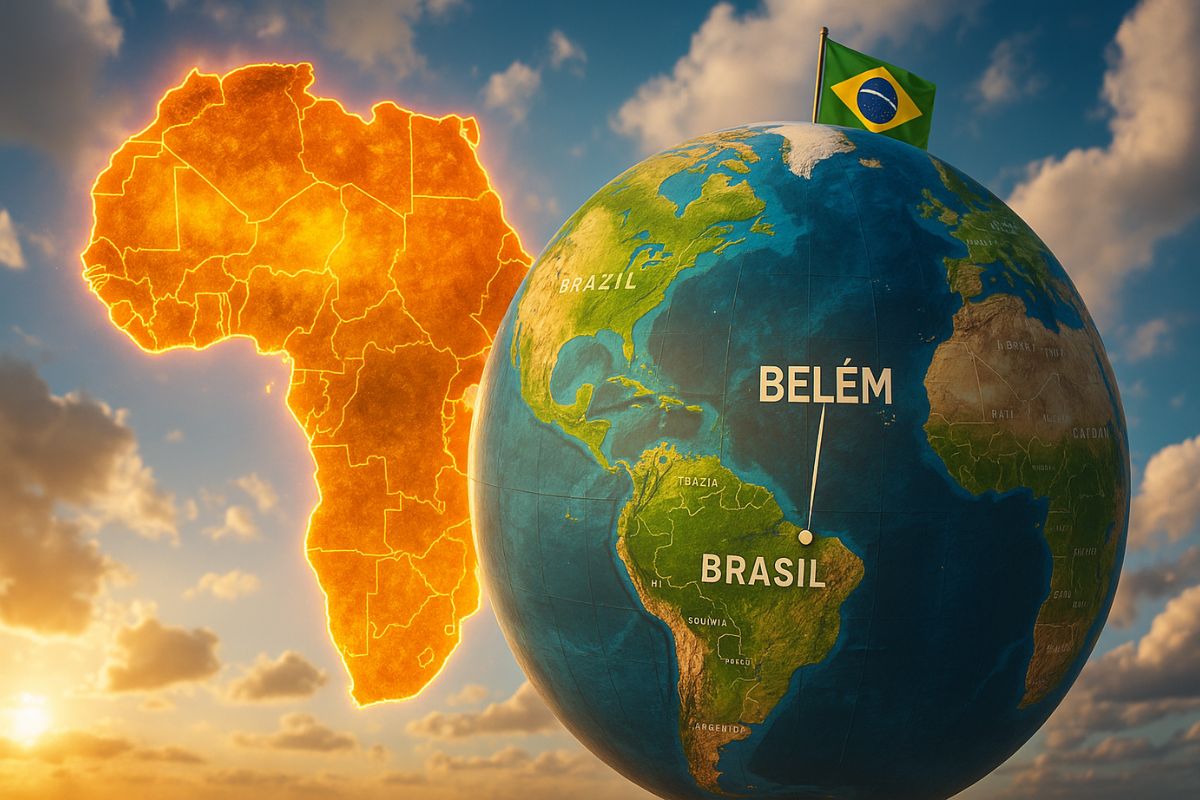
Government Asks for Greater Presence of African Countries to Avoid Empty COP30. Concerned About Low Attendance, Planalto Seeks Engagement from Africa and Announces Billion-Dollar Fund for Forest Preservation.
The president stated that the government asks for a greater presence of African countries at COP30, which will be held in Belém in November. The appeal comes amid fears that the event will be diminished, especially due to the high cost of accommodation in the capital city, according to the Valor Econômico.
During a meeting with the president of Nigeria, Bola Tinubu, the government reiterated that African participation is essential to legitimize the conference and strengthen global discussions on climate. Africa, while emitting little, is one of the regions most vulnerable to the impacts of the climate crisis, which puts it at the center of the international debate.
Why the Government Seeks Greater African Presence at COP30
It is essential for African countries to have an active voice in climate negotiations. “I hope to see significant participation from African countries at COP30,” he stated, emphasizing that the region disproportionately suffers the effects of global warming, despite contributing less to greenhouse gas emissions.
-
Brazilian city bets on the business environment to generate jobs and attract investments in the energy sector — secretary reveals strategy at Macaé Energy 2026.

-
50 viaducts, 4 tunnels, 28 bridges, and 40 kilometers of bike paths: BR-262 in Espírito Santo will receive 8.6 billion reais for the largest engineering project in the state’s history, inspired by the Immigrant Highway in São Paulo.

-
Brazil produces too much clean energy and doesn’t know what to do with it: over 20% of solar and wind capacity was wasted in 2025 while investors flee and 509 renewable generation projects were abandoned in the last year.

-
Piauí will produce a new fuel that replaces diesel without needing to change anything in the truck’s engine and reduces pollutant gas emissions by half: truck drivers from all over the Northeast are already celebrating the news that will arrive later this decade.


The Brazilian government’s strategy also responds to the risk of a COP being diminished due to logistical difficulties and high accommodation prices in Belém. Planalto fears that the event, considered strategic for Brazil’s international image, will lose political strength if there is not a massive presence of heads of state and multilateral representatives.
Tropical Forest Fund: Brazil’s Bet
Another highlight from the meeting between the president and Tinubu was the request for support for the Tropical Forest Fund (TFFF), a mechanism that will be officially launched during COP30. Brazil aims to raise US$ 125 billion to finance about 1 billion hectares of tropical forests worldwide.
Unlike donation-based initiatives, the fund stipulates that preserving countries will be financially compensated, while international investors would recover their investments with returns consistent with market rates. For the current government, this model seeks to correct the shortcomings of existing climate instruments, considered insufficient to guarantee real compensation for forest protection.
The Role of Brazilian Diplomacy
In addition to Africa, the government is also trying to mobilize neighboring countries in South America. In Bogotá, during a meeting of the Amazon Cooperation Treaty Organization (OTCA), the government called for the commitment of regional leaders. In parallel, they sent a letter to the President of the United States, Donald Trump, although diplomats believe that American participation is unlikely.
This effort reflects Brazil’s attempt to transform COP30 into a global landmark for climate negotiation, showing leadership on environmental issues. To achieve this, it is necessary to broaden alliances and ensure the political legitimacy of the meeting in Belém.
The government’s call underscores that the government asks for a greater presence of African countries as a way to strengthen COP30 and prevent the conference from losing international relevance. The success of the meeting will depend on both diplomatic mobilization and the ability to present concrete solutions, such as the Tropical Forest Fund.
Do you believe that Brazil will be able to lead a global impactful climate agenda at COP30? Can African presence change the political weight of negotiations? Leave your opinion in the comments — we want to hear from those closely following this debate.









-

Uma pessoa reagiu a isso.