





 Portuguese
  English
  Spanish
 5 min of reading
  0 comments


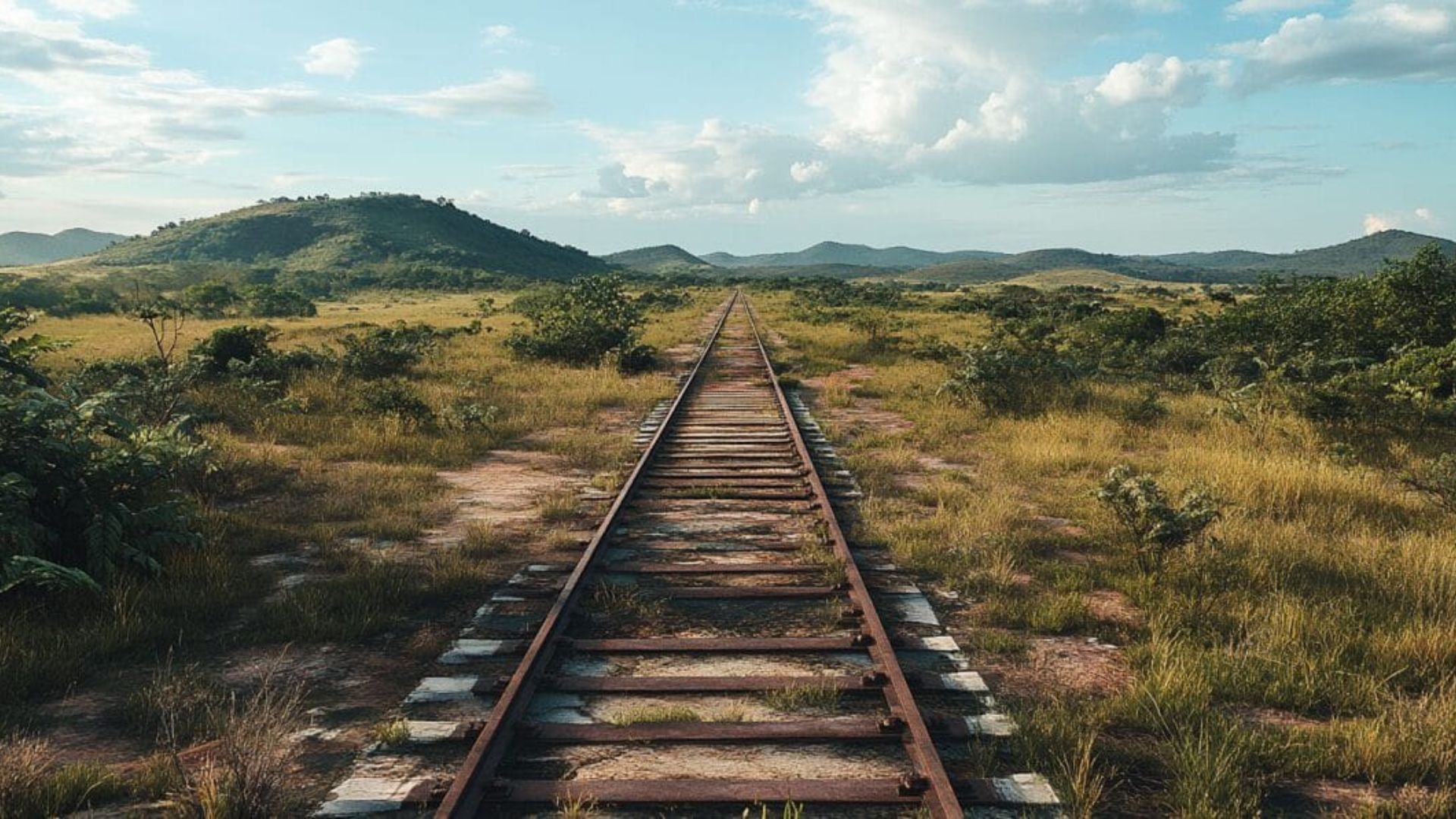
The Reactivation of the Railroad Brings New Developments for Transportation in This Brazilian State, Combining Old Infrastructure with Modern Technology to Connect Regions, Boost the Economy, and Transform Urban Mobility.
Brazil is advancing in the recovery of its abandoned railway network, with a highlight on a strategic project in Ceará that foresees the reactivation of a 600 km line between Fortaleza and Crato, including, for the first time, the concrete possibility of passenger transport.
The Federal Government’s plan, supported by regulatory agencies and local entities, involves billion-dollar investments and a dispute over the allocation of indemnities that may exceed R$ 20 billion, resources that should directly impact the future of the national railway infrastructure.
The railway restructuring in the Northeast is not limited only to the recovery of the old railway but aims to enhance the logistical and economic integration of the region with the rest of the country.
-
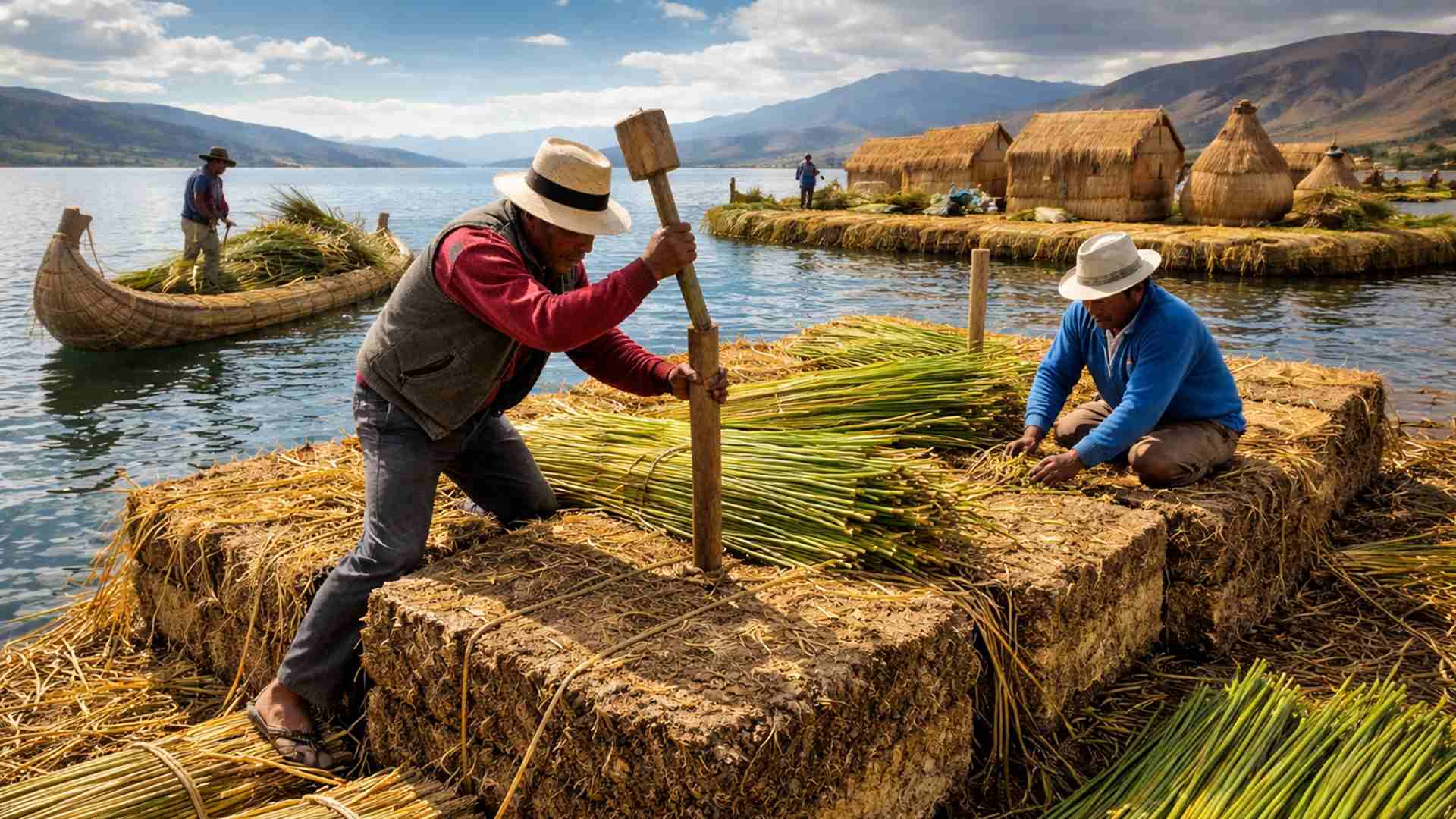
How to build a floating island from scratch with reeds, giant blocks, and stakes in the lake in a process that needs to be repeated almost every day.
-
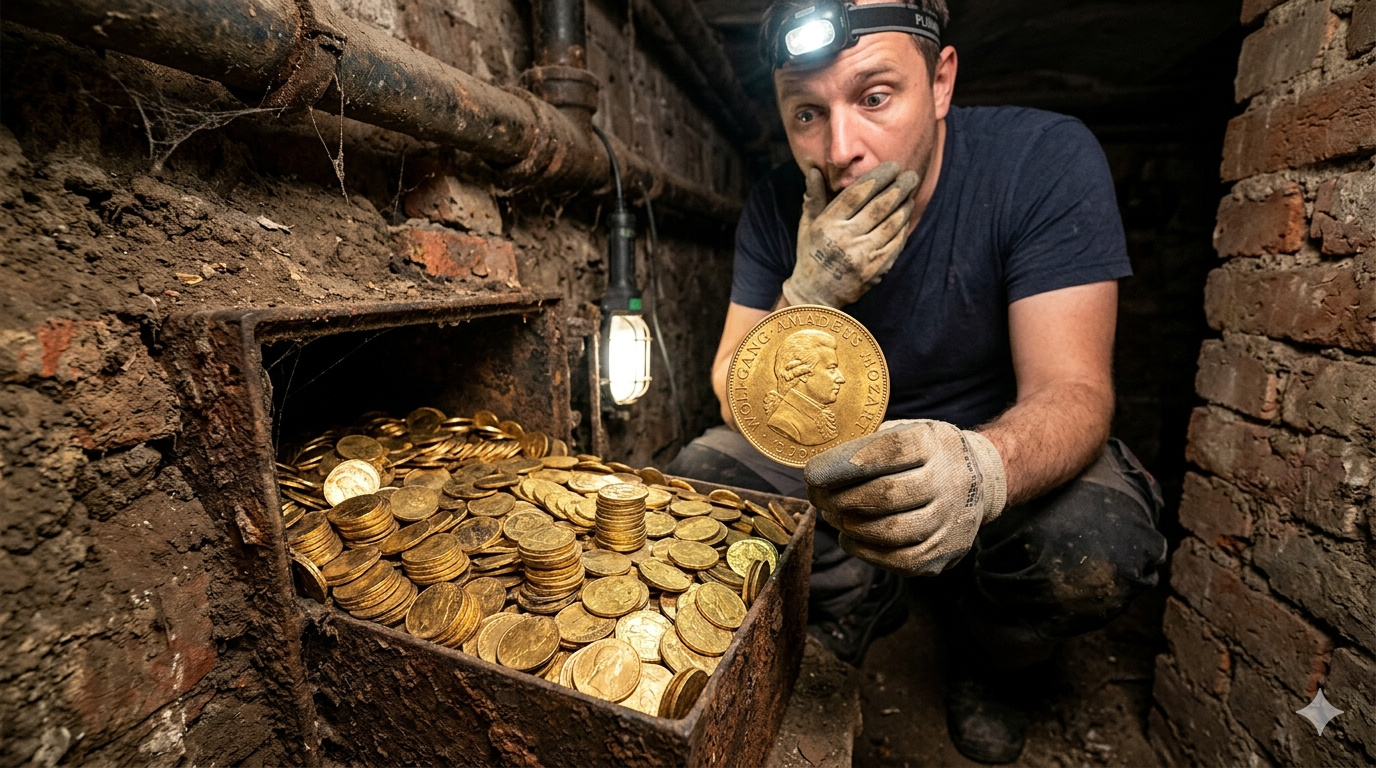
A forgotten cord on the floor of a basement in Vienna leads a plumber to a box containing 30 kilograms of gold with Mozart’s face, hidden before World War II. The treasure, worth 2.3 million euros, was just centimeters away from a worker who ignored the sign a day earlier.
-
A new Brazilian shopping center worth R$ 400 million will be built in an area equivalent to more than 4 football fields, featuring 90 stores, 5 cinemas, a supermarket, a college, and parking for 1,700 cars, potentially generating 3,000 jobs.

-
A couple buys an old chalet, breaks the kitchen floor for renovation, and finds over a thousand coins of gold and silver hidden since the English Civil War over 4 centuries ago.


This initiative reinforces the government’s bet on diversifying and modernizing the transportation system, which historically prioritizes highways, but now sees railways as an essential vector for sustainable development and urban mobility.
The Resumption of Abandoned Railways: Strategies and Innovations for the Sector

Since the beginning of the studies conducted by the National Agency of Land Transportation (ANTT) and the National Department of Transportation Infrastructure (DNIT), interest in the reactivation of returned railway concessions has increased, especially those that are underutilized or deactivated.
According to ANTT, the request for the return of the Transnordestina Logistics Railway (FTL) has opened space for new discussions about the use of the structure not only for cargo transport but also for passenger trains, an alternative that has gained strength in the national scenario.
In Ceará, the expectation is that the reactivation of this 600 km line will contribute to the consolidation of the new Transnordestina, under the responsibility of the company TLSA, and strengthen the state’s logistical development.
Additionally, this project could improve Ceará’s connection with important national railways, such as the North-South Railway and the Center-Atlantic Railway, expanding the reach of routes and encouraging regional economic growth.
Billions in Indemnities and the Future of Railway Infrastructure
The Ministry of Transport maintains a working group that assesses how to optimize the returned railway network, including the reintegration of these sections into the Union’s administration.
At the same time, the state-owned company Infra S.A. conducts technical studies to identify the potential use of these sections, aiming to open new concessions and promote operations that can ensure the economic and social viability of the railway.
The value of indemnities for abandoned sections is estimated at up to R$ 20 billion across the country, according to sector data.
This figure has sparked intense debate between the Ministry of Transport and the Ministry of Finance, which diverge on the allocation of the resources—whether they should be applied to modernizing the railway infrastructure or used for the government’s fiscal adjustment.
Experts argue that reinvesting these indemnities in the railway sector is crucial for the sustainability of the project and for advancing new technologies and practices, such as the use of renewable energies and integration with green hydrogen.
Fortaleza-Crato Line: A Decisive Step for Passenger Transport

Among the lines evaluated, the one connecting Fortaleza to Crato stands out for its potential for reactivation and the unprecedented possibility of receiving passenger transport services.
This resumption could transform urban and regional mobility, connecting cities and promoting an efficient, sustainable, and economical alternative in the face of the saturation of road modalities.
According to ANTT, the final decision on the use of the railway for passenger transport will be a public policy decision by the Ministry of Transport, which also considers concession proposals to attract private investments.
Studies by Infra S.A. are still ongoing, focusing on technical, financial, and environmental viability, to ensure that the project meets the current demands of the population and the market.
The Role of Industry and the Green Hydrogen Hub in Ceará
Heitor Studart, coordinator of the Federation of Industries of the State of Ceará (Fiec), emphasizes that the recovery of the railway is fundamental for strengthening the local economy and its integration with industrial hubs in the country.
According to him, the reactivation of the old Transnordestina could be the key to connecting Ceará to major railways in Brazil, including the North-South, Center-Atlantic, and the West-East and Center-West Integration Railways, forming an integrated and modern network.
Furthermore, the railway project aligns with the state’s strategy for the development of the green hydrogen hub, considered one of the pillars of Ceará’s new economy.
Rail transport, due to its cargo capacity and low cost, is seen as essential for enabling the logistics of green hydrogen and attracting industrial investments.
Studart also highlights the possibility of implementing short lines—short railway lines aimed at urban and regional passenger transport—which could complement the mobility system and directly benefit local populations.
“The resumption of the railway sector is a priority for the industry and logistics in Ceará, opening pathways for innovation and sustainability,” he says.
Challenges and Expectations for the Future of the Railway Network
Currently, about 36% of the Brazilian railway network remains unused or in a state of decay, according to a recent survey.
This scenario reveals a huge wasted potential, especially given the growing demand for sustainable and efficient transportation.
The estimated average for indemnity per deactivated kilometer ranges between R$ 1.5 million and R$ 2 million, values that may vary according to the technical characteristics and degree of abandonment of each section.
The pressure for these resources to be fully reinvested in railway infrastructure is growing, supported by Fiec and other sector entities.
Meanwhile, the debate between the Ministries of Transport and Finance regarding the use of these resources remains intense, and the outcome will decisively impact the pace and quality of railway recovery.
Mobility and Innovation at the Center of the Debate on Passenger Transport
The possibility of reactivating railway sections for passenger transport represents a significant change in the paradigm of urban mobility in Brazil.
This alternative can alleviate congestion on highways and contribute to the reduction of carbon emissions, in addition to providing greater comfort and safety for users.
For Ceará, the Fortaleza-Crato project emerges as a rare opportunity to revive passenger railway transport, connecting cities and offering a route that combines speed, sustainability, and cost-effectiveness.
However, the realization of this dream depends on the alignment between governments, the private sector, and civil society, all of which need to set priorities and ensure the economic and social viability of the project.
Do you believe that the recovery of the railways can transform public transportation in Ceará and Brazil? How do you see the role of rail transport in the future of urban mobility?






-

-

6 pessoas reagiram a isso.