





 Portuguese
  English
  Spanish
  4 min of reading
  1 comment




With R$ 3.6 Billion Released, Transnordestina Is Ready to Create Jobs and Revolutionize Logistics in Brazil, Integrating the Northeast into the Global Market with New Export Routes and Efficient Transport.
The Brazilian railway sector is about to undergo a historic revolution, with direct impacts on the socioeconomic development of the Northeast.
What seemed like a distant dream for many is now coming closer to reality, with the promise to accelerate the construction of Transnordestina, a project that may alter the course of the country’s infrastructure. However, what is really at stake? What will be the immediate impacts of this colossal work?
At the heart of this change is the announcement by the federal government that over R$ 3.6 billion will be allocated to complete a crucial extension of Transnordestina, connecting the municipality of Eliseu Martins in Piauí to the Port of Pecém in Ceará.
-
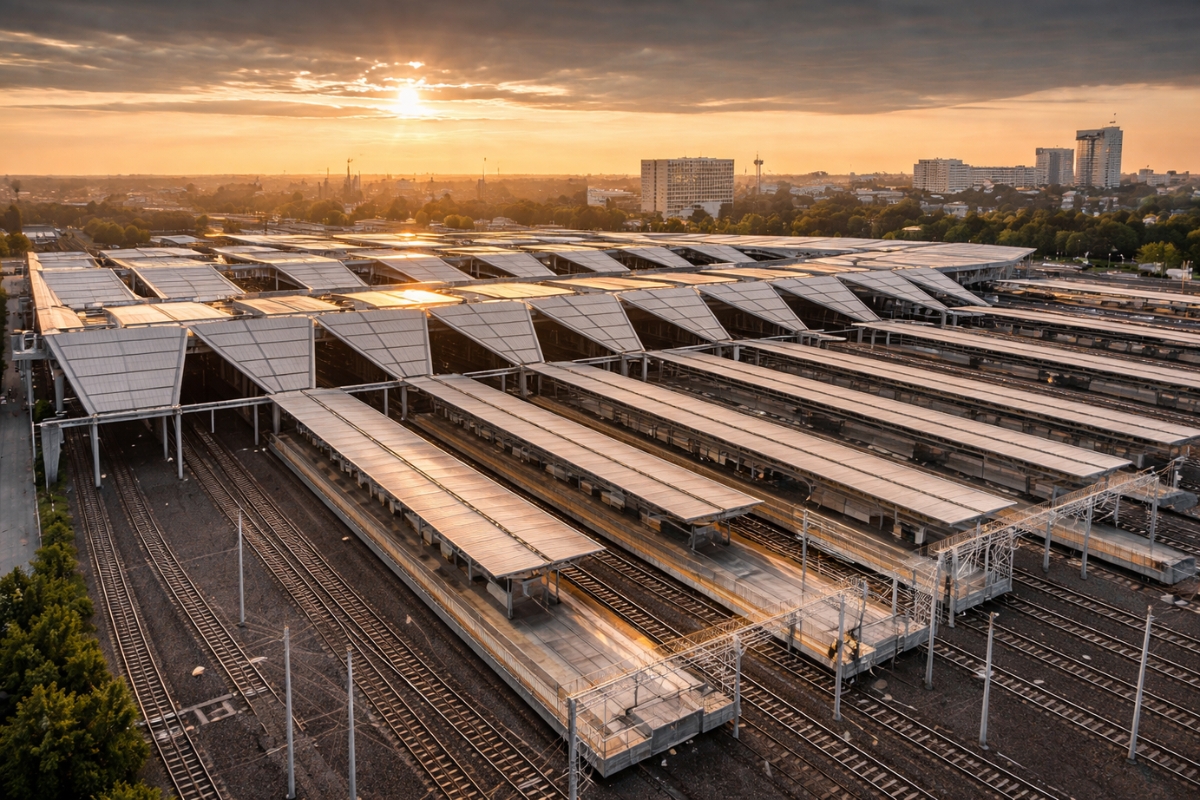
In A European City, The Country’s Largest Railway Junction Was Modernized Without Closing Its Doors, Kept Trains Running During Years Of Construction, Now Serves Up To 60,000 Passengers Per Day, And Installed Solar Panels That Generate About 30% Of Its Energy
-
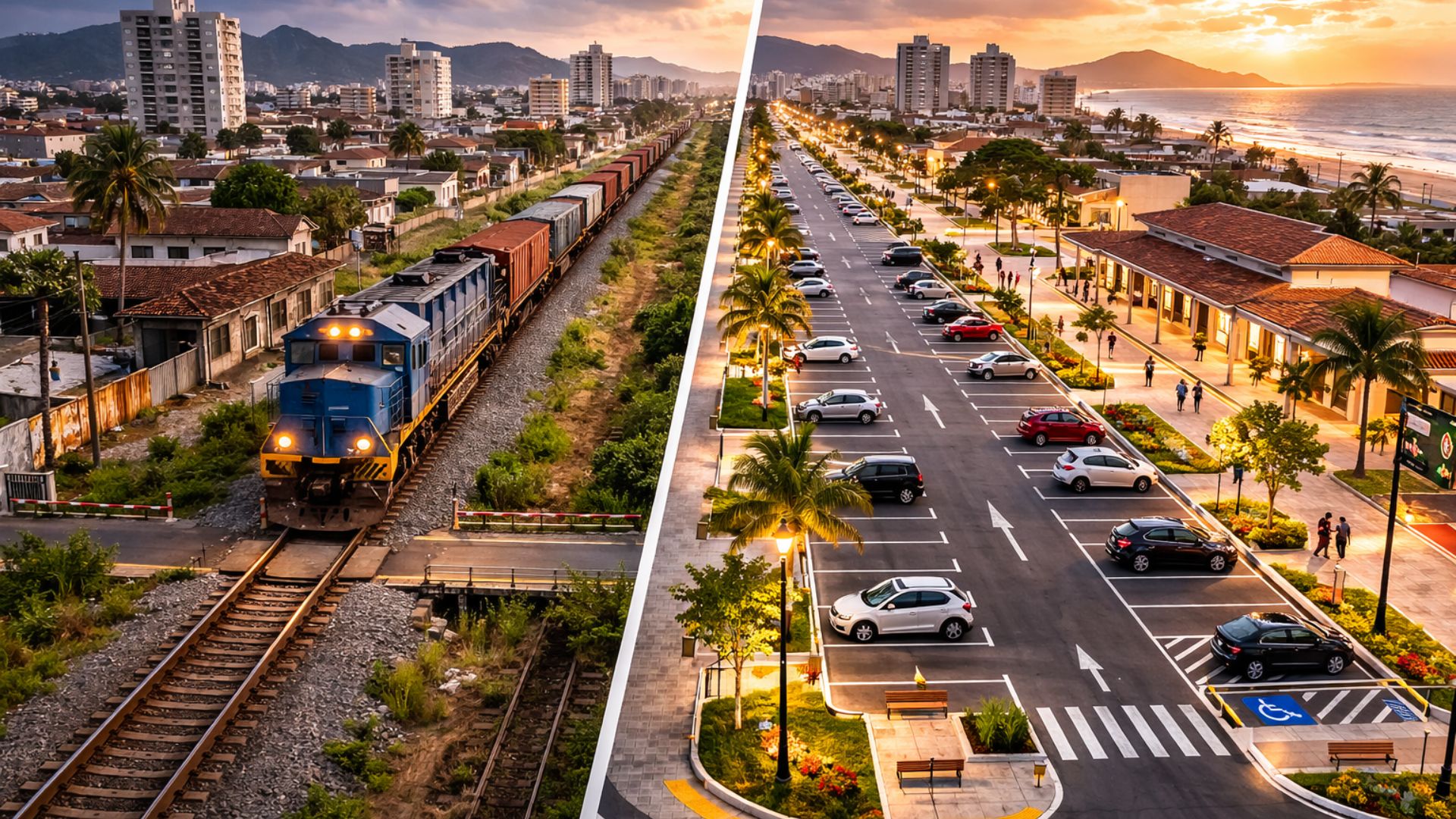
Famous Brazilian Railway May Become a Parking Lot
-
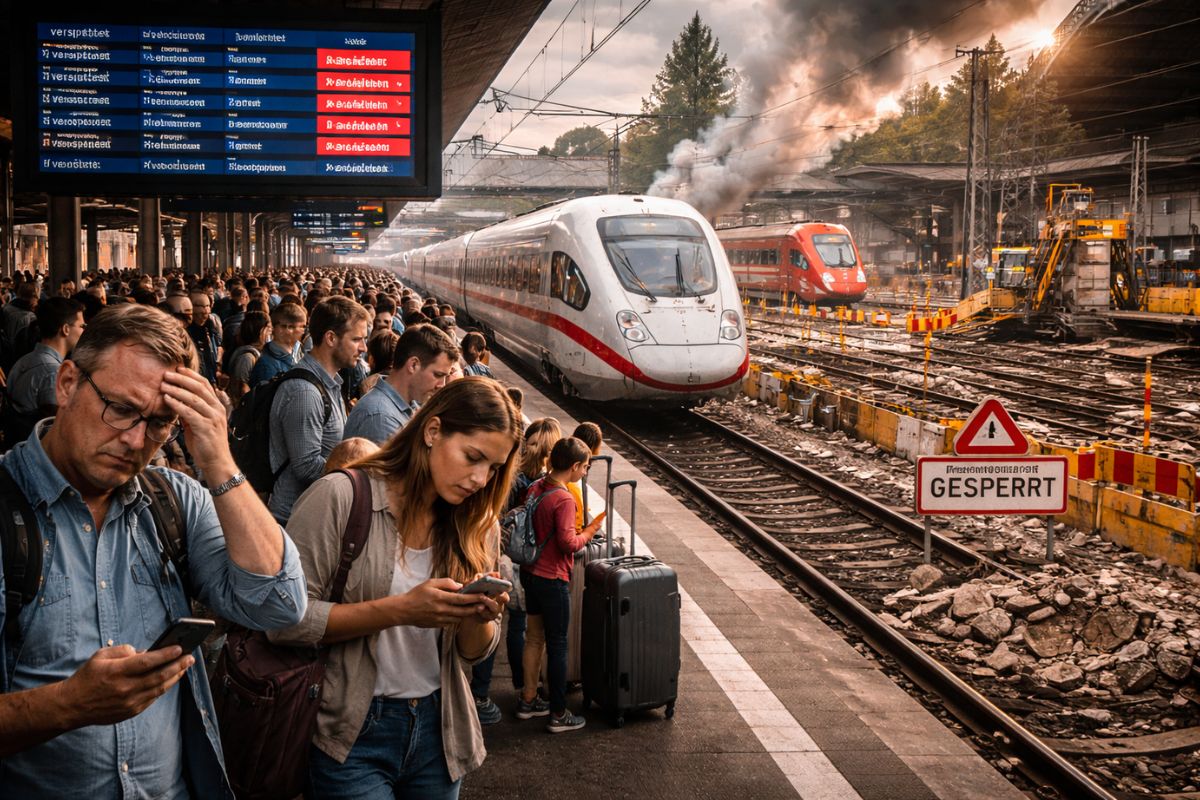
The Country of “Punctual As a Train” Admits It Has Lost Control: High-Speed Trains Delay, Stop, Disappear from the Map and Turn 6-Hour Trips into 10, While Deutsche Bahn Promises Restructuring in 2026 But Faces 19th Century Infrastructure, Staff Shortages and Sections Closed for Months
-
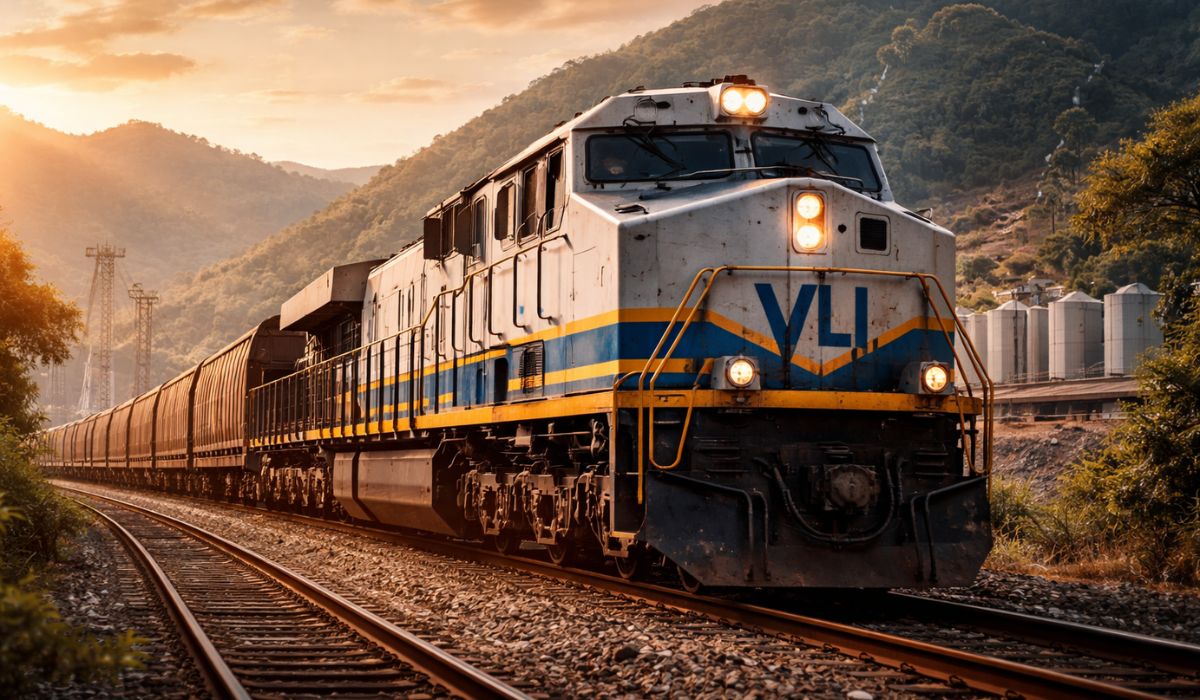
With an Investment of R$ 700 Million in One of the Country’s Main Rail Networks, VLI Reinforces Infrastructure, Receives 8 New Locomotives, and Expands the Corridor Connecting 7 States, Boosting Jobs and the Transportation of Grains, Ore, and Oil Products to the Port of Santos

This railway, with an extension of 1,209 kilometers, will also cross the state of Pernambuco, expanding logistics routes and accelerating the flow of goods, while promising to create thousands of direct and indirect jobs in the region.
New Boost for Transnordestina
The meeting that sealed this strategic decision took place on September 17, convened by the Minister of Integration and Regional Development, Waldez Góes.
Representatives from agencies such as the Northeast Bank of Brazil (BNB), the Superintendency for the Development of the Northeast (Sudene), and the Civil House participated in the meeting. During the gathering, representatives discussed the next steps to ensure the continuity of the works, which are already underway.
According to information from the ministry, the Transnordestina railway is vital for the logistical and economic development of the region.
“The railway has strategic importance for the flow of production and also in supplying the Northeast. It is a very important project for the development of the region,” said Minister Góes. This statement underscores the relevance not only economic but also social of this infrastructure.
The Importance of the Railway for the Northeast Economy
Transnordestina is part of the New Growth Acceleration Program (PAC), an initiative by the government that aims to not only accelerate economic growth but also promote social inclusion.
According to Eduardo Tavares, National Secretary of Funds and Financial Instruments from the Ministry of Integration and Regional Development (MIDR), the railway will be one of the most important for Brazil’s development. Furthermore, its construction will create jobs and bring new investments to the region.
Specifically in the state of Ceará, the project is expected to generate about four thousand direct and indirect jobs.
The creation of job openings aligns with the government’s commitment to use large infrastructure projects to boost the job market, especially in regions with lower development indicators.
New Concession and Technological Improvements
Another highlight was the discussion about implementing a new railway concession. The novelty is that this concession will include a broad gauge network of 1.6 meters, allowing the use of larger wagons, which should increase the efficiency of cargo transportation.
“We seek to accelerate this major delivery of the New PAC so that the Northeast can have one of the most important railways for Brazil’s development,” emphasized Tavares.
The choice for a broad gauge is not random. It will allow the railway to support wagons with higher load capacity, which should reduce logistical costs, as well as enhance the competitiveness of products exported from the Northeast.
Overall, the project is budgeted at R$ 7 billion, with more than half of this amount already secured by the government, and is expected to be completed by 2026.
The Visit of President Lula to Ceará and the Release of Funds
The most recent financial boost for Transnordestina came with President Lula’s visit to Ceará on August 2, 2024, when the release of an additional R$ 3.6 billion was announced. The total cost of the project is expected to exceed R$ 7 billion, consolidating it as one of the largest infrastructure projects underway in Brazil.
Impacts for the Future and the Relevance of the Project for Brazil
Expectations regarding the economic impacts are extremely high. The railway will not only facilitate the flow of agricultural and industrial products but will also transform the Northeast into a crucial logistics hub for Brazil.
The connection between the interior of Piauí and the Port of Pecém will create new export routes, enhancing the competitiveness of Northeastern products in the global market.
Although the challenges of logistics and investment are immense, the federal government bets that the acceleration of the works will bring benefits beyond the Northeast, integrating it even more with the rest of Brazil and international markets.
With such a high investment and promising impacts, could Transnordestina really transform the Northeast into a new logistical and economic hub for Brazil?









Governo LULA investindo em ferrovias