





 English
  Francês
  Alemão
  Italiano
  Japonês
  Norueguês
  Portuguese
  Spanish
  3 min of reading


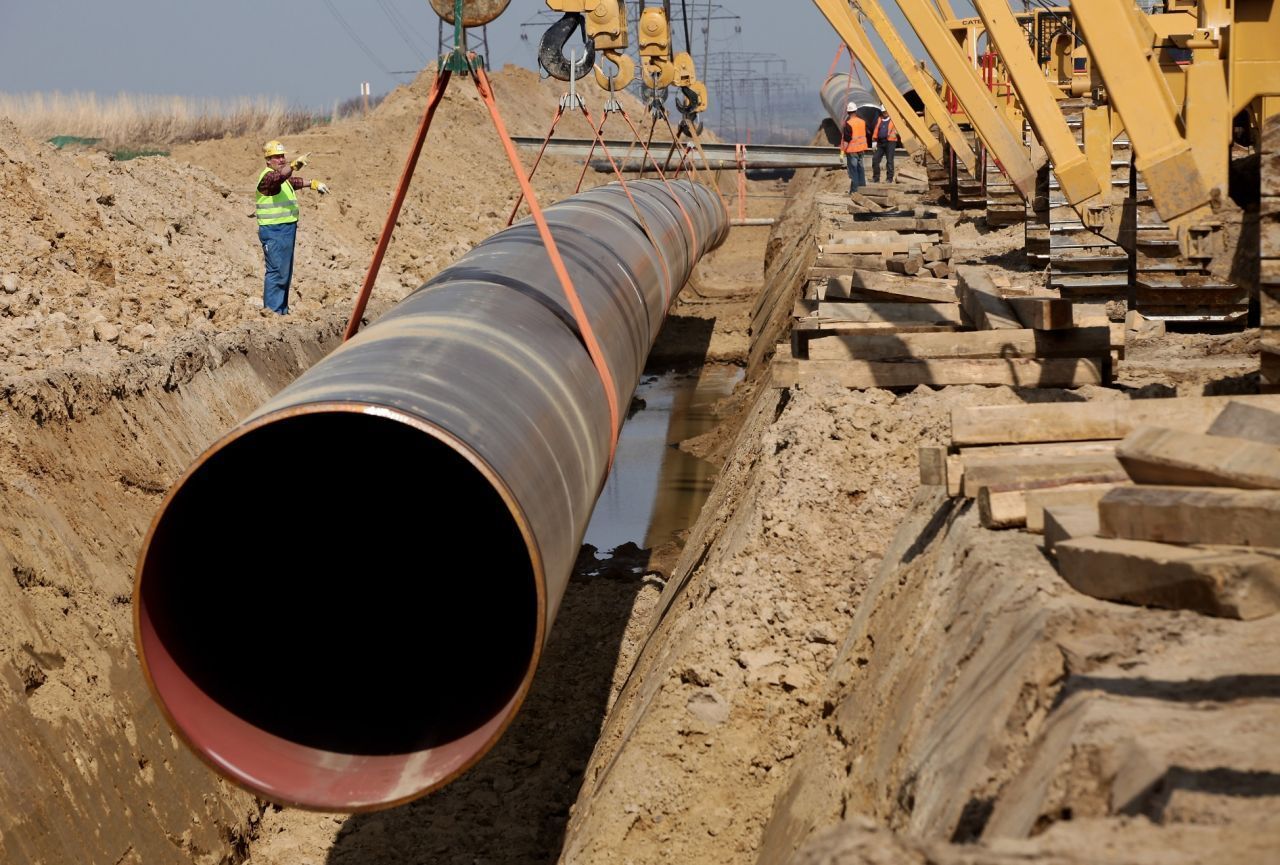
The Brasduto – Gas Pipeline Expansion Fund, was one of the most controversial items in Congress. If maintained, the areas of health and education could lose R$ 242 billion in the next 20 years.
It was vetoed by President Jair Bolsonaro last Tuesday (09/08) the part of a bill Law No. 209 of 2015 that directed pre-salt resources to states, municipalities, and to finance the expansion of gas pipelines – Brasduto. Petrobras announced last night (09/08), progress in the sale of pre-salt oil blocks
Read Also
- Petrobras opens bidding for the hiring of flexible pipelines
- IMMEDIATE Hiring: Specialized company in naval repair and maintenance recruits candidates with elementary education in Macaé for vacancies for Helper, Welder, and Boiler Operator
- No Matter Your Engineering Degree, Halliburton Macaé Recruitment and Selection for offshore vacancies on this day, September 08
Considered one of the most urgent for the electricity sector, the law faced an impasse in the short-term energy market, with about R$ 8.7 billion in non-settled amounts.
Today, 100% of that money goes to the Social Fund of the Pre-Salt. The text provided that the transfers be divided: 50% would remain in the Social Fund; 30% would go to the State Participation Funds (FPE) and Municipal Participation Funds (FPM); and 20% for the construction of gas pipelines.
-
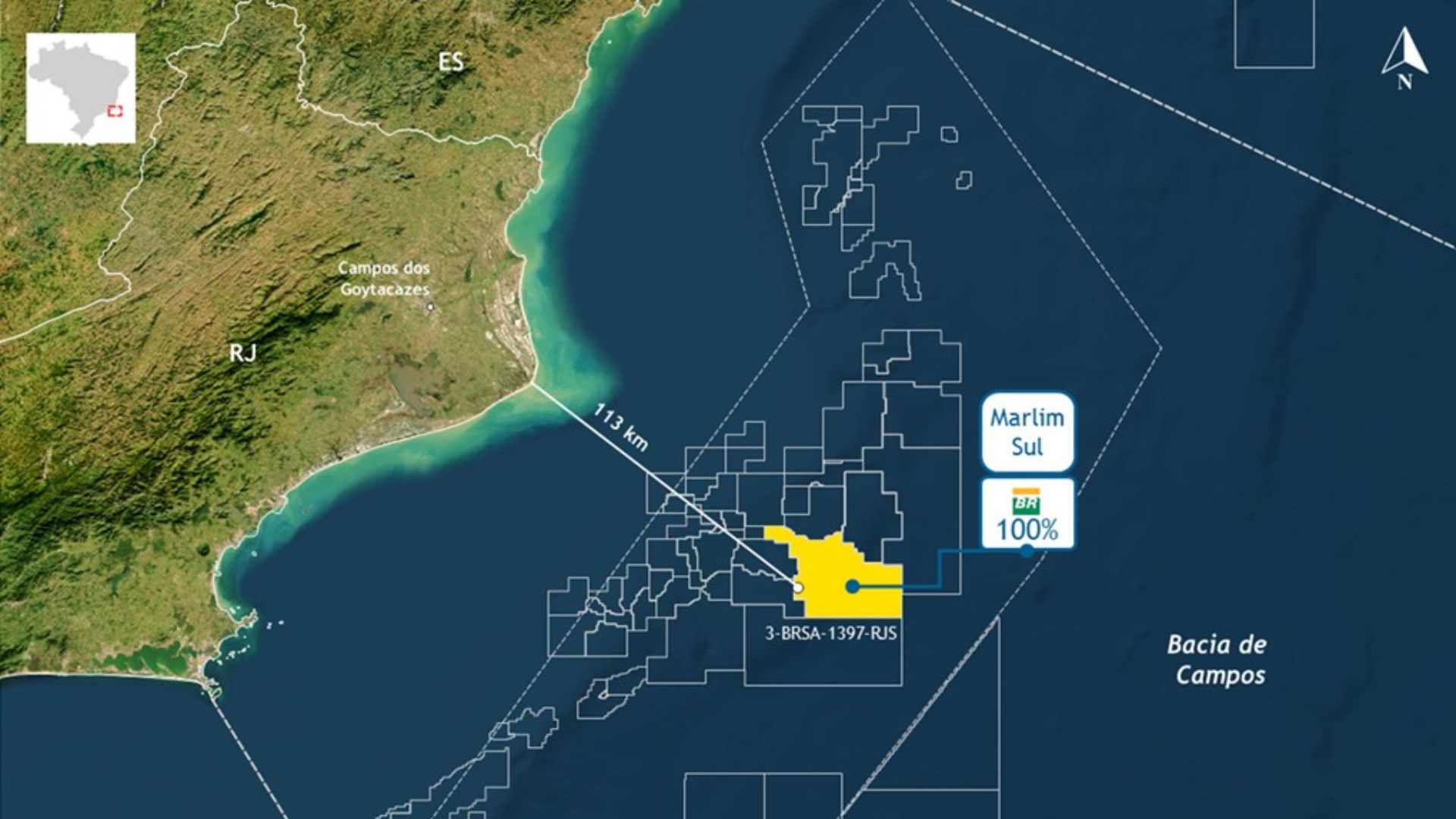
Petrobras finds high-quality oil in the pre-salt at 113 km from RJ and reignites expectations about strategic reserves in the Campos Basin.

-
Ocyan opens registrations for startups focused on innovation in the oil and gas sector and will select projects for Innovation Day with the support of Nexio.

-
Petrobras announces new oil discovery in the pre-salt of the Campos Basin and reinforces Brazil’s prominence with high-quality reserves that can increase production and energy revenues.
-
Alert in the fuel market: Analysts and a former director of ANP warn that oil prices may worsen in the coming months due to global instability.


The measure had been approved by Congress in early August. The financing of gas pipelines would be done through a line called “Brasduto,” which was also vetoed.
The Minister of Mines and Energy, Bento Albuquerque, had already stated that the government had recommended the vetoes. If Brasduto were maintained, the areas of health and education could lose R$ 242 billion in the next 20 years.
According to a statement from the Palácio do Planalto, the creation of Brasduto would represent a “vice of initiative,” because it is up to the president, not Congress, to regulate administrative structures.
“Furthermore, the proposal did not present an estimate of the budgetary and financial impact, generating an increase in expenses,” says the official note.
Bolsonaro maintained the main point of the text, which resolves a legal dispute between power plants and the government over who should pay the bill for the reduction in electricity generation through hydroelectric plants and the triggering of thermoelectric plants, which are more expensive.
The law establishes compensations to the holders of hydroelectric plants that participate in the Energy Relocation Mechanism (MRE) that are affected by the effects of plants with priority for bidding and implementation indicated by the National Energy Policy Council (CNPE).
The effects are the drainage of energy due to delays in entering operation or entering operation in unsatisfactory conditions by transmission, plus the difference between the physical guarantee granted in the motorization phase and the effective aggregation values of each motorized generating unit to the SIN.
About Brasduto
Brasduto Program provides financing for the construction of gas pipelines, natural gas processing units, and LNG terminals. It would be a way to promote the expansion of essential infrastructure for the import, regasification, and transportation of natural gas and to serve regions of the country isolated from the existing network.









Seja o primeiro a reagir!