





 Portuguese
  English
  Spanish
  3 min of reading
  0 comments



Brazil’s Dependence on the U.S. GPS System Raises Concerns: Disruptions Would Affect Banks, Agriculture, Mining, Logistics, and Even Cell Phones.
In the podcast IRONCAST, hosted by Renato Cariani, the science communicator Sergio Sacani raised an alert about something few notice in their daily lives: the nearly total dependence of the global economy on positioning satellites, popularly known as GPS.
During the conversation, he explained that, although everyone calls it GPS, this specific system is American and controlled by the Department of Defense of the United States.
Various Systems Around the World
The GPS is just one among several satellite navigation systems. Sacani explained that each country or block of countries has developed its own.
-
The Argentine government celebrates the lowest poverty rate in 7 years, but experts warn that the methodology has changed, real wages have fallen, unemployment has risen, and the number of people on the streets of Buenos Aires has increased by 57% since Milei took office.

-
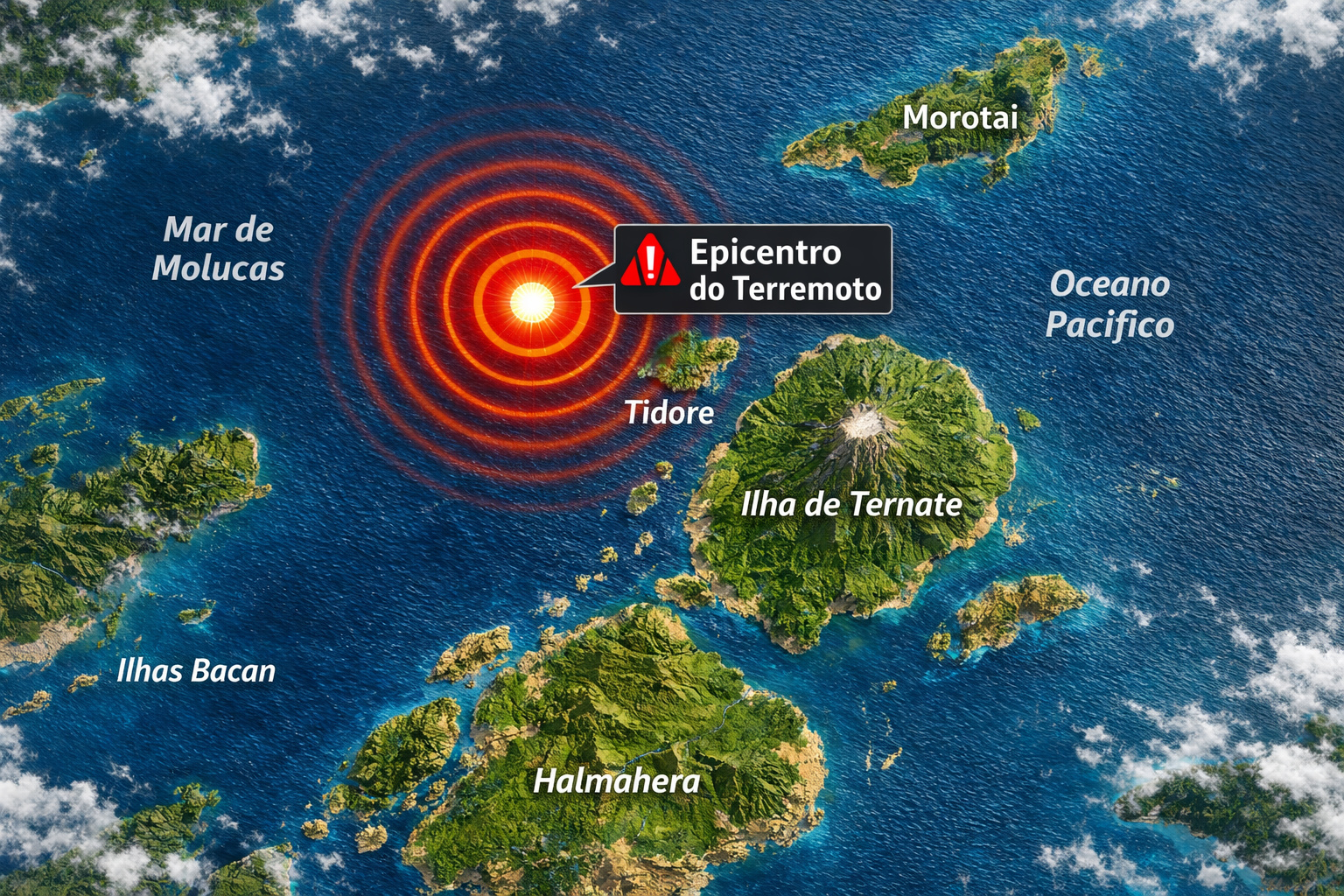
7.8 magnitude earthquake in Indonesia frightens the population, triggers tsunami alert, and hits an island with over 200,000 inhabitants this Thursday.
-
Google will finally let you change that embarrassing Gmail address you created in your teenage years without losing any accounts, logins, or old emails: the feature is already available in the United States.

-
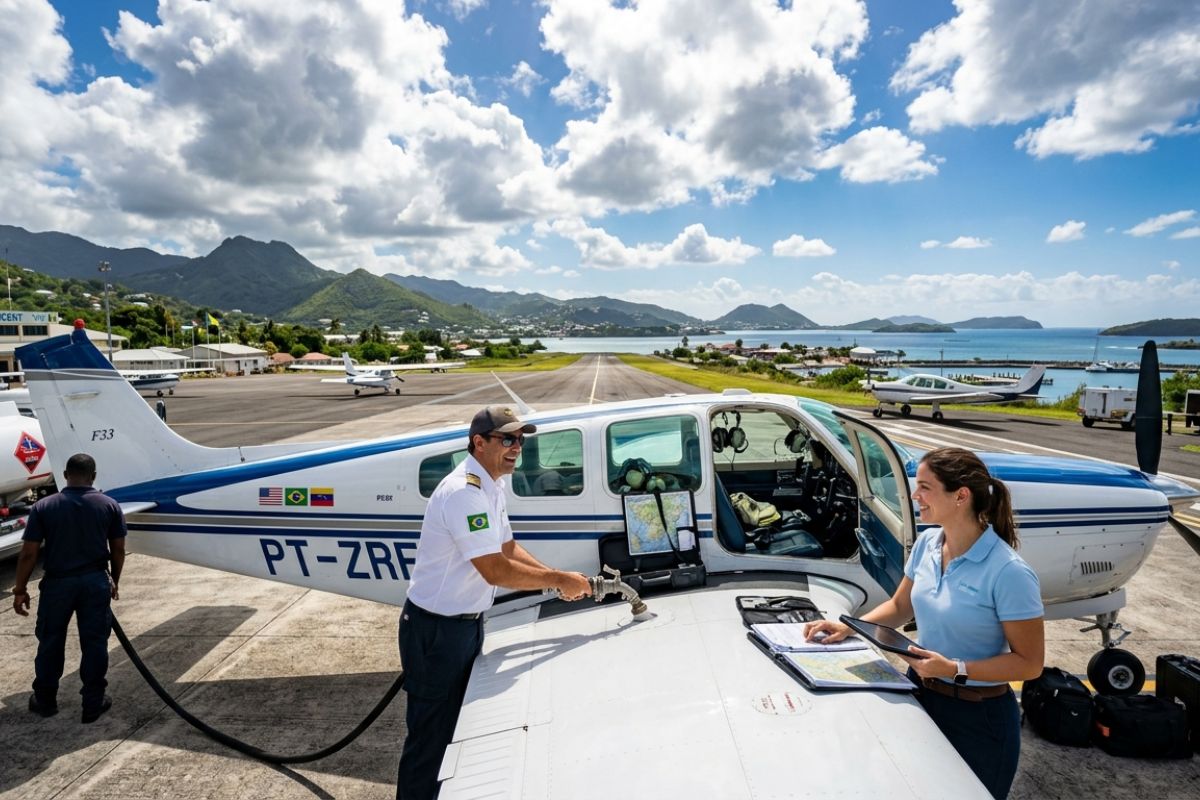
Heading to Brazil in a Bonanza F33 single-engine aircraft: a couple departs from Florida on a visual flight, makes technical stops in the Caribbean to refuel and organize paperwork, and begins the staged crossing until they reach the country.

Europe, for example, uses the Galileo system. Russia has GLONASS, Japan has its own system, as does China with BeiDou and India with NavIC. However, Brazil does not have its own system.
Despite this variety, in practice, most countries — including Brazil — still heavily depend on the American GPS system.
Economy Held Hostage by Technology
According to Sacani, almost everything nowadays depends on satellites. Banking transactions, for example, are already controlled via GPS.
Precision agriculture, which uses automated harvesters and coordinates, also relies entirely on these systems.
Modern mining, with equipment guided by satellite location, follows the same path.
He revealed recent data he presented at a conference: 75% of mining worldwide depends on GPS. Meanwhile, oil production has a 99% dependency. In the agricultural sector, over 80% of global production is linked to these satellites.
These numbers show that the three largest areas of the global economy — oil, agriculture, and mining — are directly connected to the functioning of these space systems. If satellites cease to operate, these supply chains would be severely affected.
A Blackout That Would Cost Billions
Sacani went further and commented on the scale of the loss if the satellites stopped working. “The estimated loss for 30 days without GPS is $275 billion,” he stated. This amount reveals the extent of global dependence on this technology.
In addition to the financial impact, the scenario raises a sovereignty question. Brazil, for example, is at the mercy of the good relationship with the United States since it uses American satellites. In case of conflict or a breakdown in relations, the country could lose access to the system.
Brazil Without Its Own System
This dependence worries specialists. Sacani emphasized that, despite the challenges Brazil faces in areas such as health, security, and education, the country’s economy would justify investing in its own positioning satellite system.
He reinforced that ideally Brazil should have an independent structure, as relying on a foreign country can be risky. “What if one day the United States says, ‘I had a fight with you, you can’t use this satellite anymore’,” he warned.
Moreover, there are costs involved. Even if the average citizen does not realize it, using technology is not free. “When you bought the cell phone, you paid. Yes, you pay a royalty that goes to the company,” he explained. In other words, even if the service seems free, there are hidden charges in the products we use daily.
Silent but Dangerous Dependence
Sacani concluded that this dependence on the U.S. GPS system is more dangerous than many imagine.
The modern economy, connected and automated, no longer functions without the support of satellites.
If a country like Brazil wants to protect itself from international crises, it needs to consider creating its own space navigation network.
Until that happens, we continue to use, often without realizing, critical infrastructure controlled by another nation. The situation is comfortable as long as there is peace and functioning agreements — but it could become a huge problem in case of political tension.










-

-

-

-

-

9 pessoas reagiram a isso.