





 English
  Francês
  Alemão
  Italiano
  Japonês
  Norueguês
  Portuguese
  Spanish
  3 min of reading


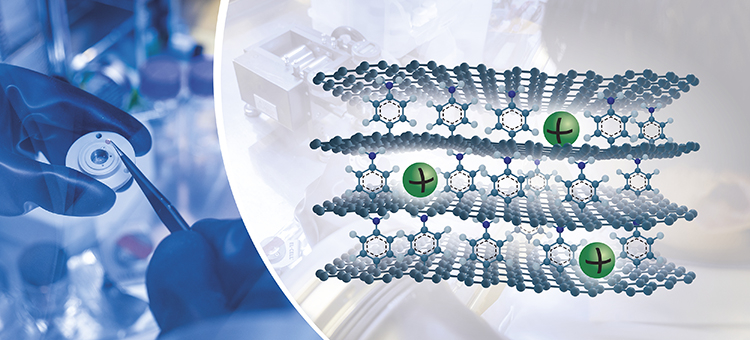
The New Graphene, Created at Chalmers University, Has Been Named Janus Graphene and May Change the Electric Car Industry
Graphene is a fundamental part of new technologies, being used as an anode in lithium-ion batteries. These are the batteries for electric cars, highly desired for their high charge capacity. There is a central problem with this technology at the moment: lithium is a rare, expensive metal, causing a series of political difficulties. The price of lithium drives up the average cost of electric vehicles, weakening the initiatives for mass adoption of electric cars.
Fortunately, research from the University of Chalmers, in association with research centers in Europe, is coming to change this by allowing for cheaper high-capacity batteries. According to what has been announced, they developed a modification in the organization of graphene, enabling sodium to function as efficiently as lithium.
If this possibility is confirmed, this new graphene will change the battery and electric car market forever.
-
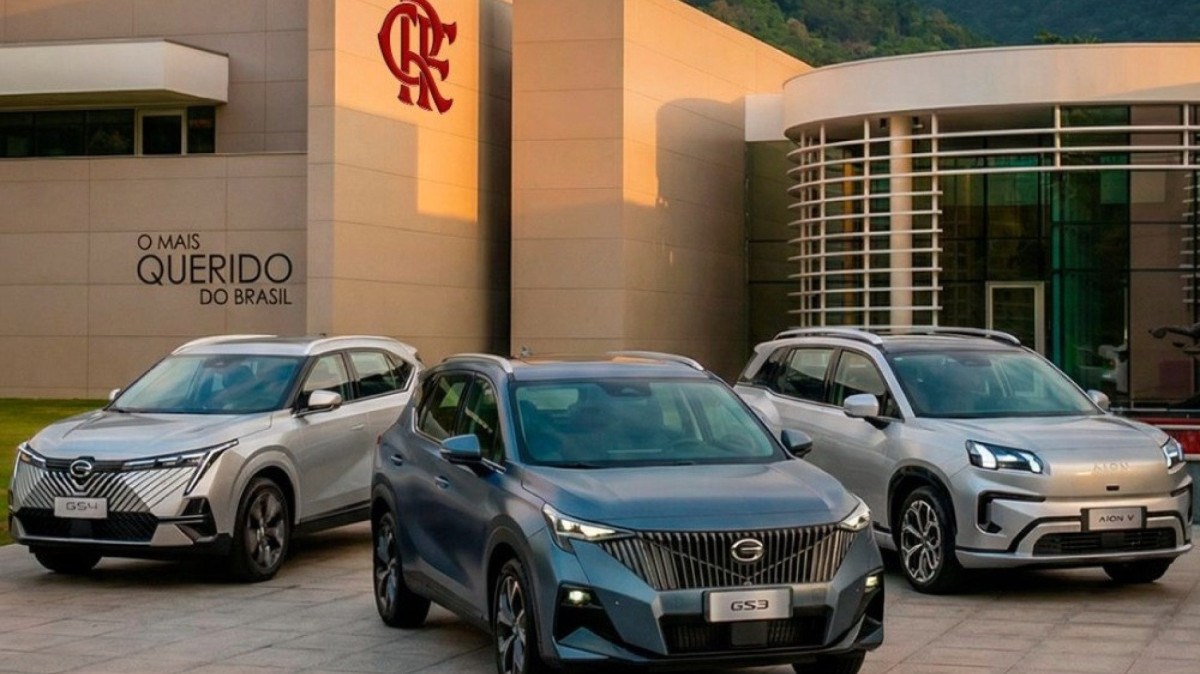
After launching the new GS3 with a 1.5 turbo engine producing 170 hp, GAC partners with Flamengo, enters the field with the largest fan base in Brazil, and accelerates an ambitious offensive to gain scale and confidence in the national market.
-
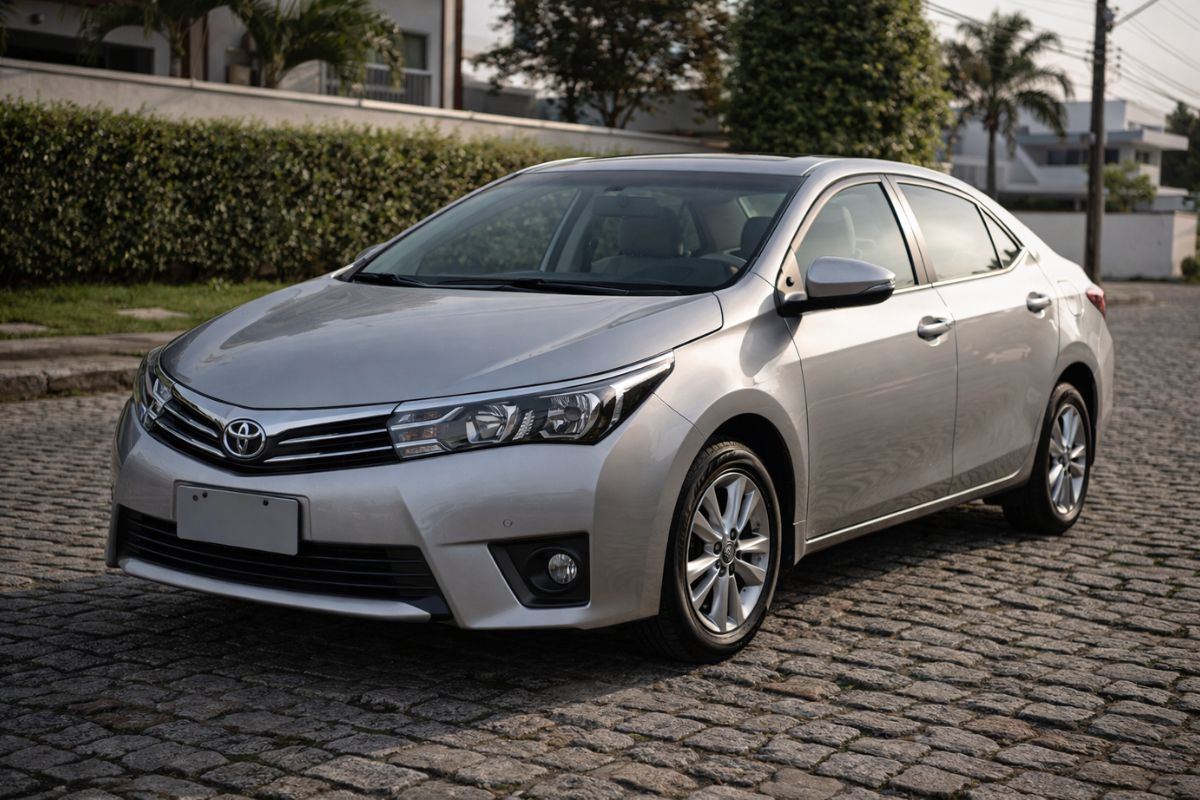
The Corolla from 2015 to 2019 depreciates so little that a 10-year-old model is still worth over 76 thousand reais, and owners treat this sedan as a safe investment thanks to its reputation for durability that no competitor has been able to match.
-
Is it worth considering a financed 2025 HB20 Comfort? A simulation with R$ 50,000 in the bank shows installments ranging from R$ 5,687 to R$ 2,365.

-
Road surveillance in Rio de Janeiro enters a new phase with the installation of more than 140 speed cameras on highways RJ-106 and RJ-104, and DER-RJ expands speed control in high-traffic areas.


- Magna’s Smart Motor “EtelligentReach” Doubles the Range of Electric Cars Without the Need for Powerful Batteries
- New Technology Will End Fires in Electric Car Batteries
- China, Russia, and American Companies Battle for Lithium in One of the World’s Largest Reserves of the Mineral, Crucial for Electric Car Batteries
- Owner Blows Up Tesla Electric Car with 30 kg of Dynamite After Facing a Fortune Charged for Repairs
What Makes This New Component Special?
The new form of graphene, named Janus Graphene (after the Roman god of two faces, associated with doors and new beginnings), solves a problem with one of the cheapest batteries to produce: sodium-ion batteries.
Current battery technology involves the intercalation of lithium ions with a layer of graphene, allowing lithium ions to be stored in a manner that can be converted into energy at the right moment.
However, sodium ions, being larger, cannot flow as easily through traditional graphene anodes, which led to a loss of energy storage capacity in sodium batteries.


What researchers at the University of Chalmers did was create a molecular spacer in graphene, allowing for more space so that sodium ions could behave similarly to lithium ions.
To get an idea of the difference this new graphene offers to current batteries, with normal graphene, it is possible to maintain a total of 35 milliampere-hours/gram (mA/h/g-1), which is ten times less efficient than lithium batteries.
With the new graphene, the capacity rises to 332 milliampere-hours/gram (mA/h/g-1), which is considerably closer to lithium batteries.
Janus Graphene and Its Possible Impact on Electric Cars
The great advantage of this new component is its ability to completely change the electric car market.
One of the main barriers to greater acceptance of electric cars in all global markets has been the issue of price, and one of the most expensive components of an electric car at the moment is its batteries, which have their prices inflated by the need for lithium for high-capacity batteries.
In conclusion, with cheaper batteries, electric cars become more affordable, potentially outperforming internal combustion vehicles in cost-benefit, allowing for a faster transition.
Furthermore, with cheaper high-capacity batteries, it will be possible to sell electrification kits for vehicles, making current cars at least hybrids, and allowing electric cars to become a much more common reality.
This, however, is still far from realization. As this study was just recently published, there is still a long way to go before Janus Graphene leaves the labs and starts circulating on the streets.
Will this be the technology that dominates the battery market? New possibilities for electric cars are being discovered every day, and you can learn about all of them here at CPG.









Seja o primeiro a reagir!