





 Portuguese
  English
  Spanish
  2 min of reading


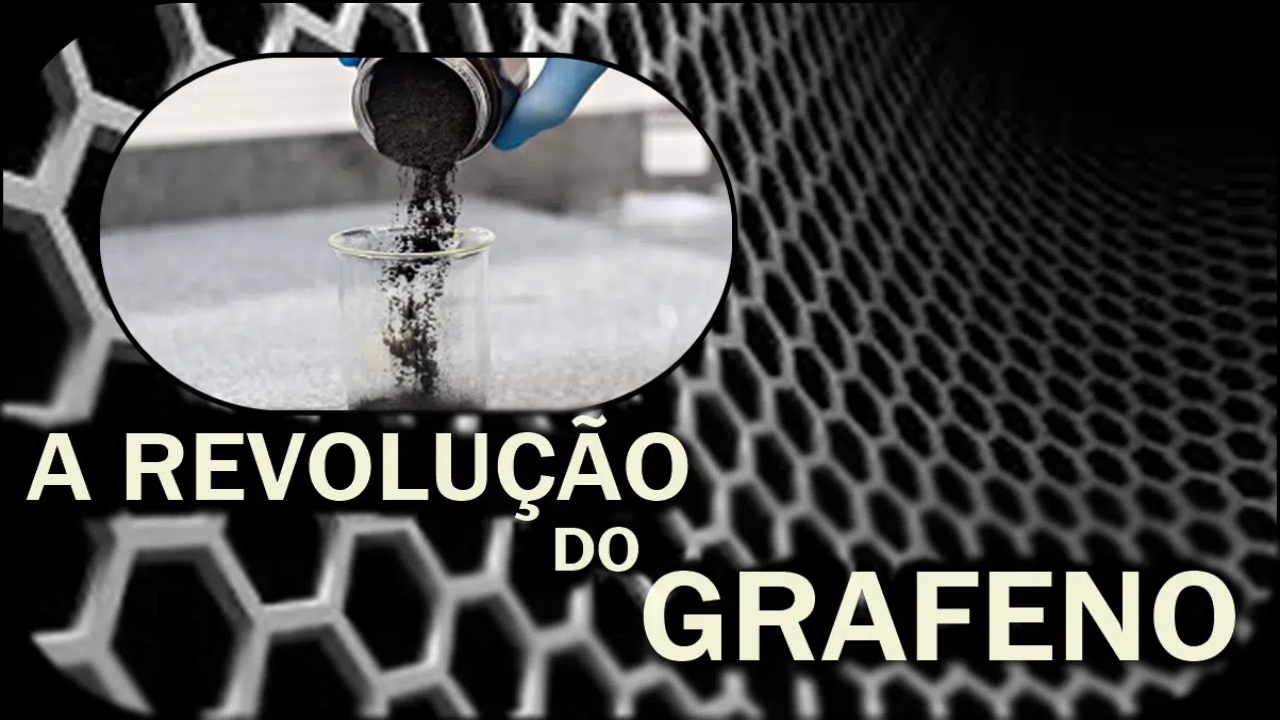
According to Researchers from Embrapa, the Conductor Is Also Flexible and Almost Transparent
Graphene is a material almost transparent, lightweight, flexible, and an excellent conductor of heat and electricity. About 200 times stronger than steel, graphene is considered a material capable of driving a technological revolution in the electronics industry, according to Embrapa researchers (Brazilian Agricultural Research Corporation).
However, there are some challenges to its development and applications, such as its production from renewable sources. According to Forbes magazine, researchers state that this can be addressed through green laser-induced graphene (gLIG) technology. This material was the focus of a study published in the journal Applied Physics Reviews, authored by Brazilian and Portuguese scientists.
Green Graphene Enables Simple and Cost-Effective Production of Electronics
Pedro Ivo Cunha Claro, a materials engineer and one of the authors of the article written during his graduate studies at UFSCar and UNL, says, “Laser-induced graphene (LIG) opens the possibility for simple, cost-effective, and scalable production of technological components.” The researcher notes that in recent years, there has been increasingly detailed research on the new conductor for integration into various electronic applications, such as supercapacitors, sensors, electrocatalysts, and triboelectric nanogenerators.
-
A “silent skill” is allowing Brazilians to earn up to R$ 22,000 per month without a degree and become indispensable for companies that rely on millions of data to survive.

-
Researchers at the Toyota Research Institute found that if a human uses robotic arms to flip a pancake 300 times in an afternoon, the robot learns to do it on its own the next morning, and this is currently the most promising method to solve the biggest bottleneck in modern robotics.

-
Goodbye iron: a common item in households is starting to lose space to technology that smooths clothes in minutes without an ironing board and with less energy consumption.

-
Antarctica reveals an unusual clue high in the Hudson Mountains, and what appeared to be just an isolated rock began to expose a secret hidden under the ice for ages.


According to Claro, green graphene has been proposed for ink formulation or incorporation into polymer matrices to further expand its use for non-carbon-based substrates or applications for which the original LIG cannot be used directly. “Its mechanical and physicochemical properties, such as high mechanical resistance and electrical conductivity, make it a material with enormous potential for technological applicability in various fields,” explains the engineer.
New Conductor Can Reduce Electronic Waste Production
One of the researchers from Embrapa Instrumentation (SP) who signed the article, Luiz Henrique Capparelli Mattoso, says, “It is possible to apply gLIG to various substrates, aiming for the emergence of wearable and edible electronic materials.” “gLIG can be extracted from wood waste, leaves, cork, and charcoal, and from other natural sources, allowing the development of flexible and sustainable platforms as an alternative to conventional technologies.”
As reported by Forbes, Mattoso is also responsible for introducing nanotechnology and studies with new materials in Brazilian agriculture. He explains that cork, which is the bark of trees, is a substrate that has drawn significant interest and is considered a promising source of green graphene since it can be a hybrid material that ensures flexibility and lightness, contributing to the reduction of electronic waste.






Seja o primeiro a reagir!