





 Portuguese
  English
  Spanish
 3 min of reading
  0 comments


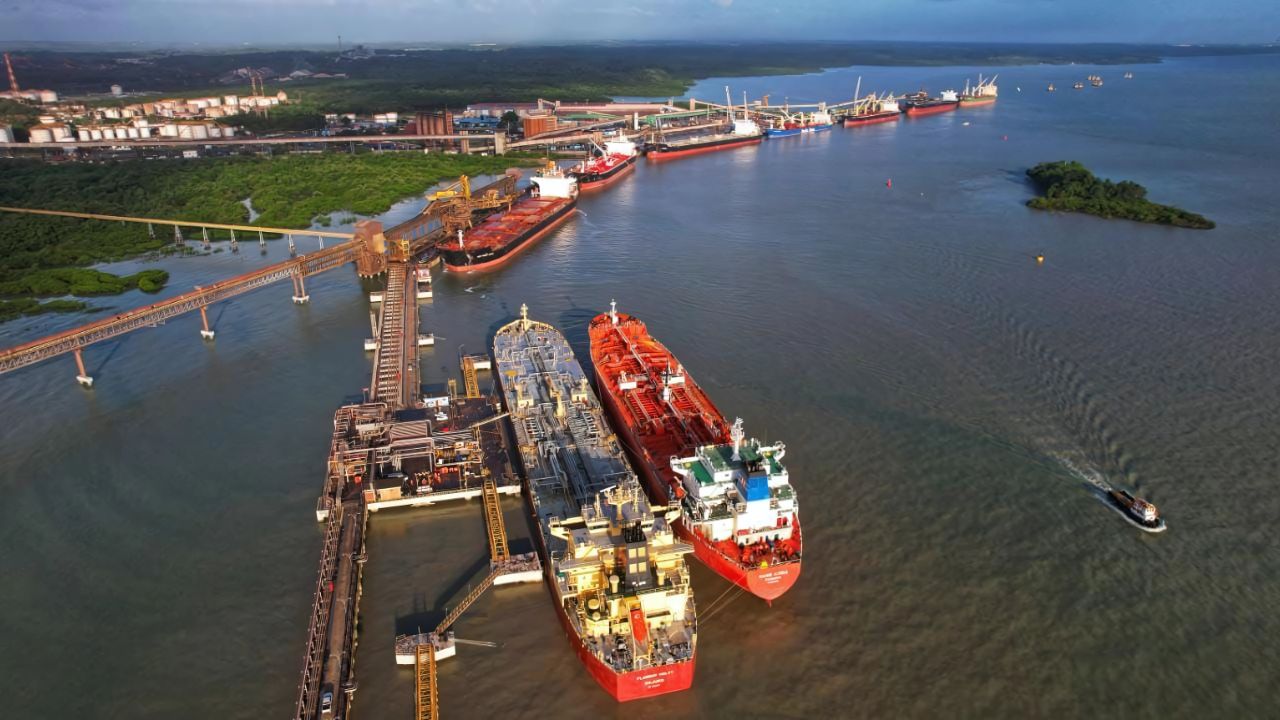
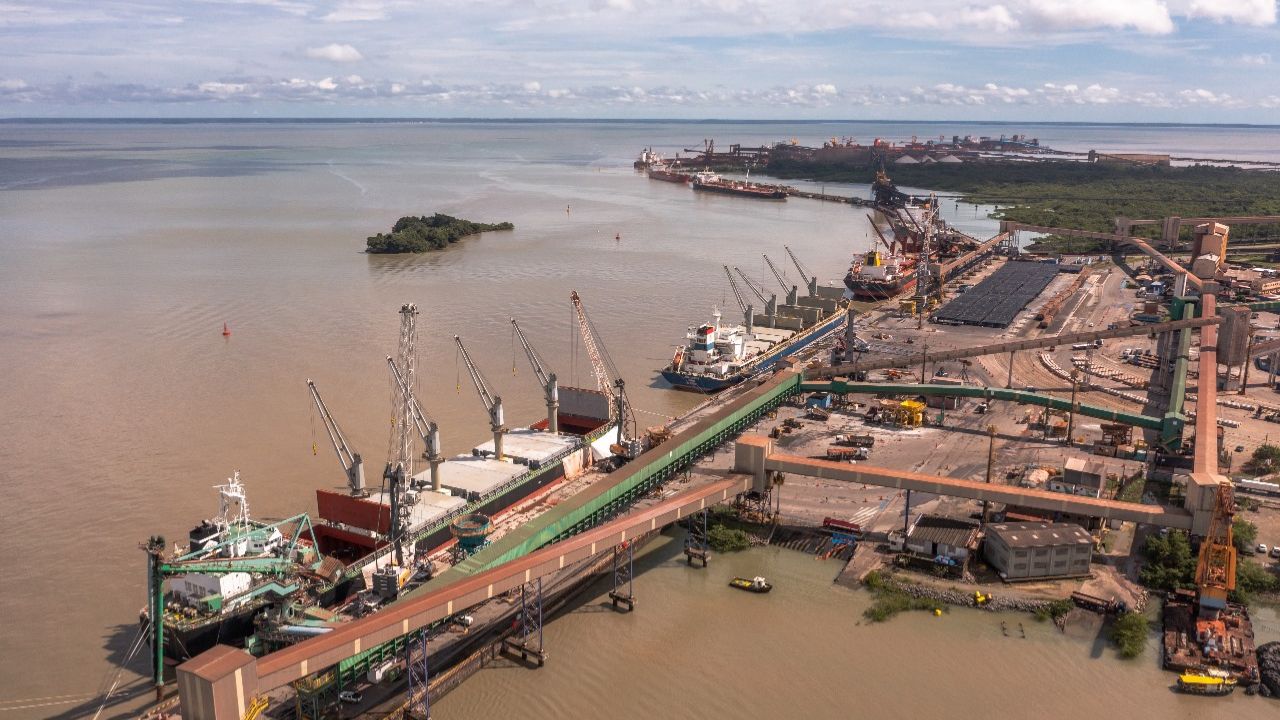
The Itaqui Port in Maranhão Gains Prominence in the Flow of Grains, Fuels, and Minerals, Connecting the Central-North Region of Brazil to the Global Market.
The Itaqui Port, one of Brazil’s main logistics hubs, reinforced its strategic importance in 2024 with the construction of a new berth. The project, carried out in São Luís, Maranhão, aims to increase export capacity by more than 8 million tons per year, responding to the growing demand from the agricultural production of the Central-West and North of the country.
The structure is part of the expansion plan for the port, which currently has nine berths with depths ranging from 12 to 19 meters. This allows the reception of large vessels, connecting Brazil to markets in Europe, North America, and Asia.
Itaqui Port: Efficient Connection Between Brazil and the World
Located in the Itaqui neighborhood of São Luís, the port has a strategic geographical position. Its name, of Tupi-Guarani origin, means “river of stones” — a reference to the local geography and the historical indigenous presence.
-
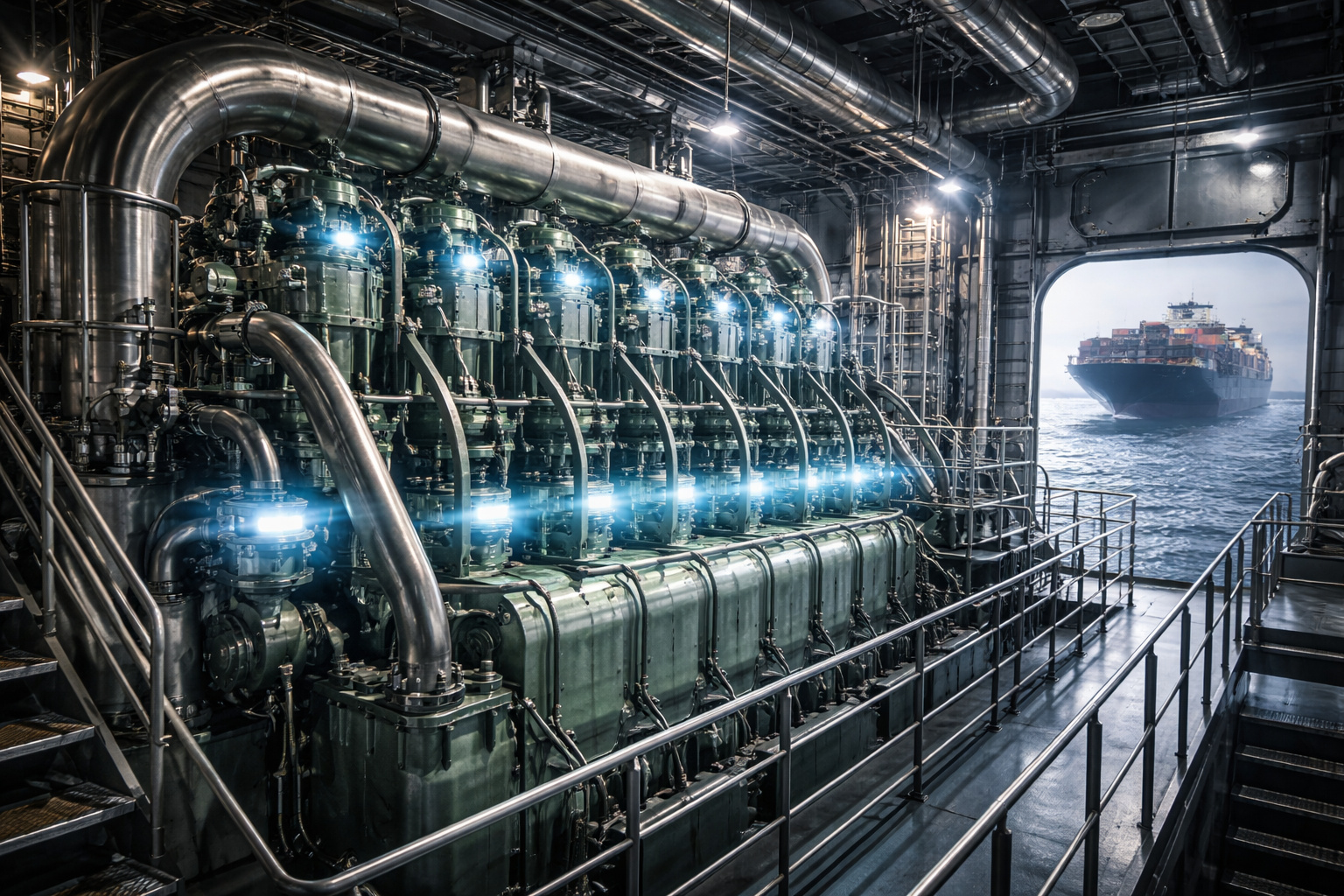
Europe is trying to create an ammonia-powered marine engine without auxiliary fuel, which could unlock the race for giant emission-free ships. The technology aims to eliminate one of the biggest obstacles to clean maritime propulsion.
-
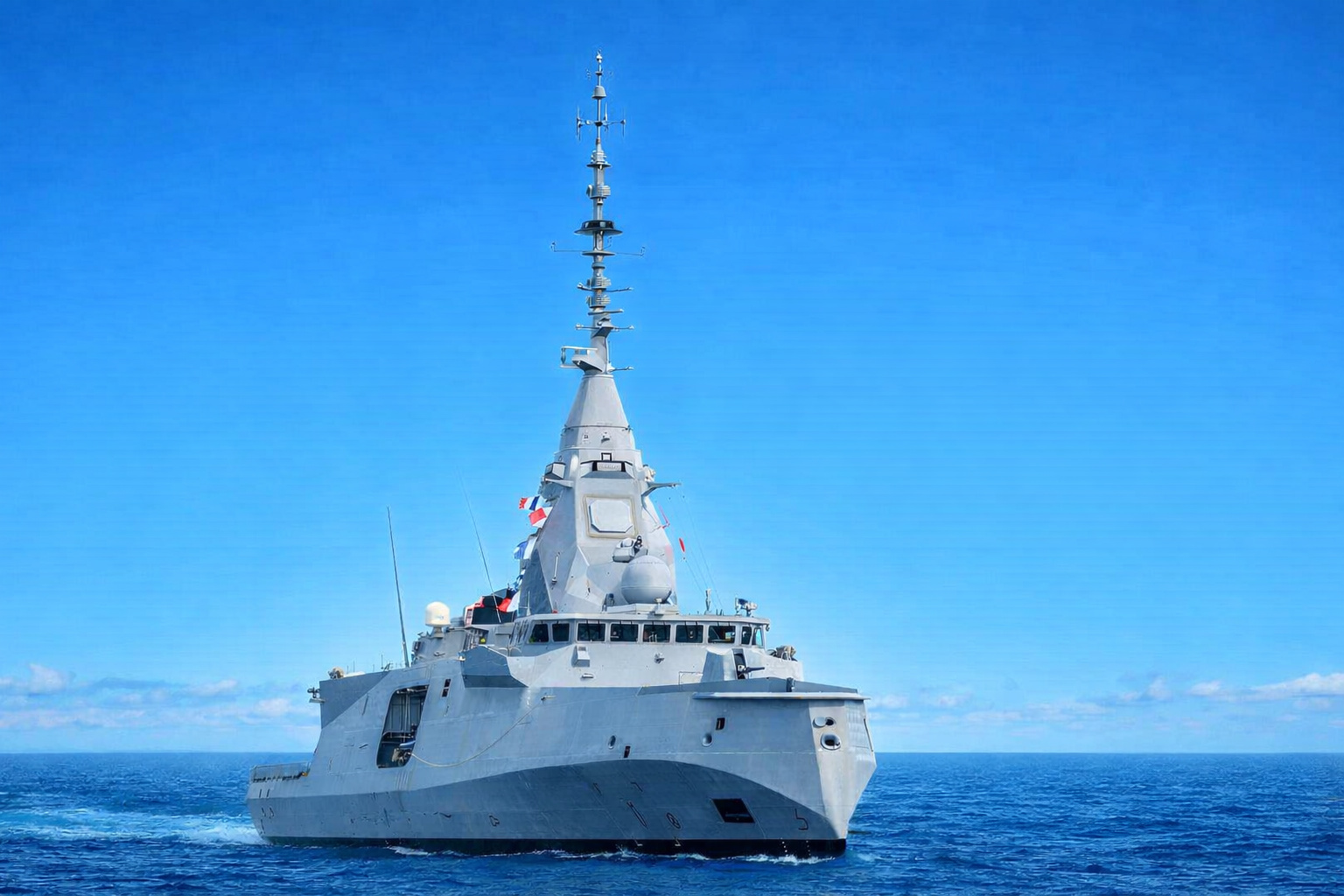
A 4,500-ton frigate with just over 100 crew members, state-of-the-art radar, and cruise missiles is being touted as the new standard of naval warfare in the 21st century.
-
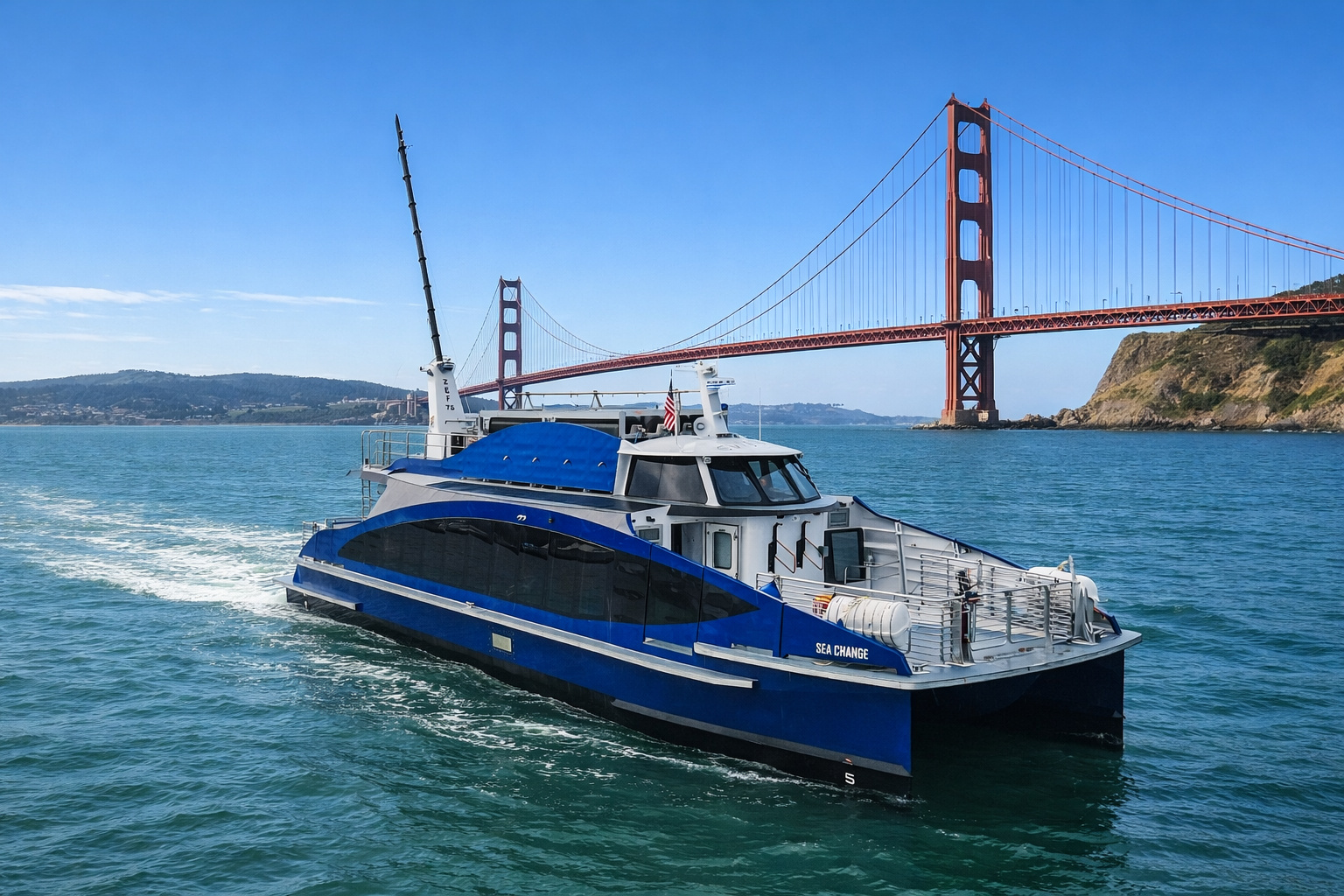
The first commercial hydrogen-powered ferry enters operation in the U.S., eliminates the use of diesel, uses fuel cells to generate clean energy on board, and transforms San Francisco Bay into a landmark of the new era of emission-free navigation.
-
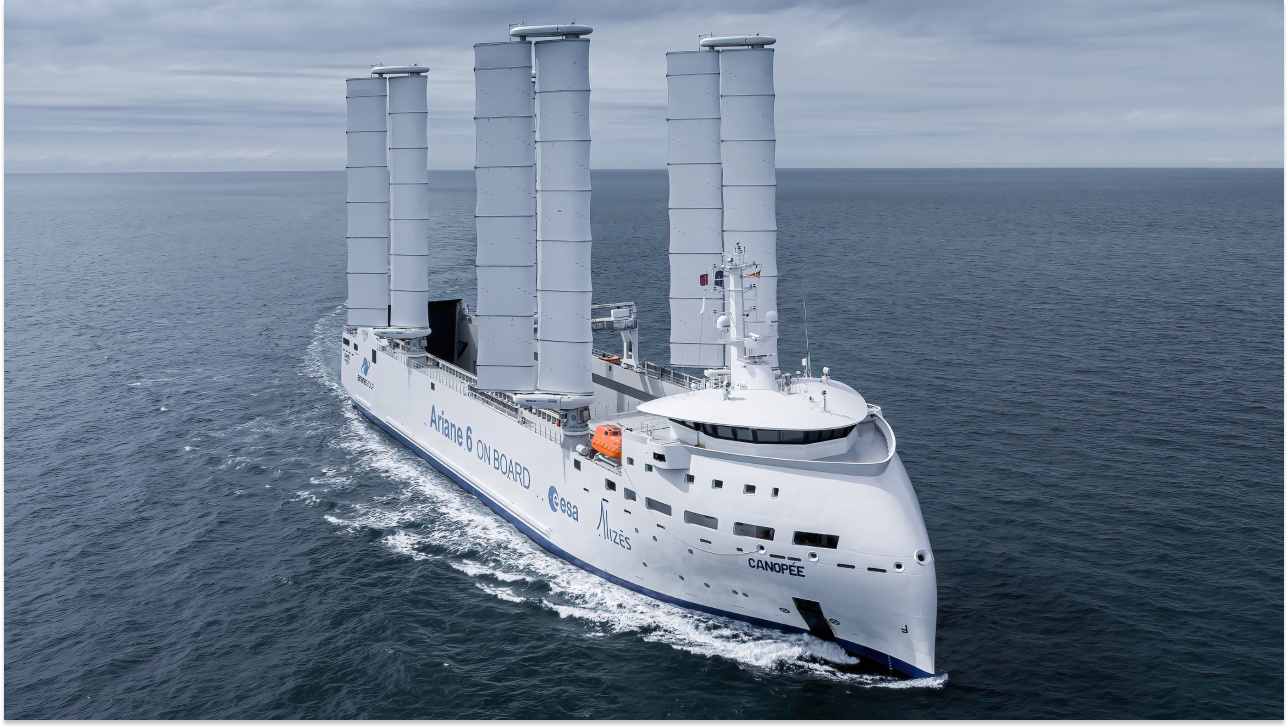
With a length of 121 meters and four rigid sails of 36 meters that automatically rotate to capture the wind, Canopée is the world’s first hybrid industrial cargo ship powered by wind, used to transport rockets and reduce fuel consumption by up to 30% on transoceanic routes.

The port’s advisor, Paulo Ricardo Martins Nunes, highlights that the Itaqui Port is now one of the main routes for exporting grains, fuels, and minerals.
It is part of the so-called Northern Arc, which includes ports such as Santana (AP), Vila do Conde (PA), Itacoatiara (AM), and Santarém (PA).
This logistics corridor has proven increasingly competitive, offering a shorter route for the flow of cargo destined for international markets.
The Central-North Corridor Boosts Brazilian Agribusiness
In addition to the Northern Arc, the Itaqui Port also makes up the Central-North Corridor, a route that interconnects states such as Mato Grosso, Tocantins, Maranhão, and Piauí to global trade.
This connection is crucial for agribusiness, especially in the export of grains like soybeans and corn.
The terminal has two high-capacity grain loading systems and infrastructure integrated with the rail and road networks.
This synergy ensures agility in transporting production to the port and its dispatch by ship.
Grain Terminals Strengthen the Port’s Power
Two terminals stand out in grain operations:
- Tegram (Grain Terminal of Maranhão):
Storage of up to 500 thousand tons
High maritime shipping capacity - TPSL (São Luís Port Terminal):
Five silos and two warehouses
Static capacity of 255 thousand tons
These terminals make the Itaqui Port one of the largest grain export corridors in the country, consolidating its position as a vital link in Brazilian logistics.
With the movement of diverse cargo, the Itaqui Port drives the local and national economy. It generates direct and indirect jobs, boosts trade, and attracts new investments to Maranhão.
As the demand for exports grows, particularly in the agricultural sector, the port proves ready to meet the global market’s requirements efficiently, with technology and infrastructure.








Seja o primeiro a reagir!