





 Portuguese
  English
  Spanish
  3 min of reading
  0 comments


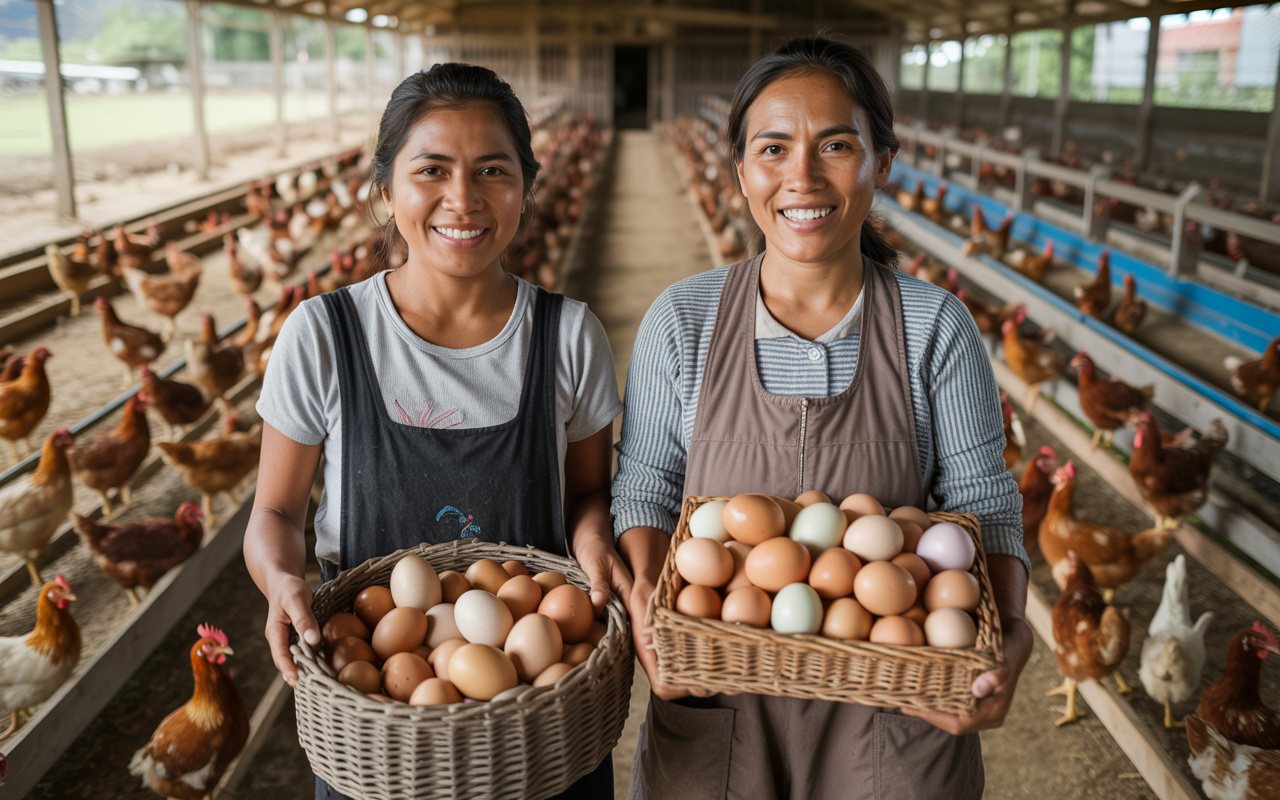
In The Agricultural Sector of Guatemala, Elsa And Debora Raise 265 Laying Hens, Produce 8 To 9 Cartons Of Eggs Per Day And Sell In 4 Stores, Generating Income In The Countryside.
In a small rural community in western Guatemala, a recent story shows how organized laying poultry farming can turn into a recurring income in the countryside. Elsa Carrillo and her daughter Debora, residents of Pacate, in the municipality of Santa Bárbara, Huehuetenango department, turned a simple idea into a business that today supports regular egg sales for the local market.
What stands out is that the project didn’t start with a large structure or extra money to invest. The turning point began when they joined the We Can project, funded by USAID/BHA, and started participating in a savings and loan initiative known as Women Empowered (WE), within the community group they named Mujeres Unidas.
From Subsistence To Business: How The Farm Really Began
Poultry farming entered their lives as a practical ambition: to produce eggs for sale. Elsa reports that the dream was to have hens for laying and use the group’s savings as a gateway.
-
The sugar-energy sector advances with agricultural technology, but agricultural productivity still raises concerns.

-
The eggshell that almost everyone throws away is made up of about 95% calcium carbonate and can help enrich the soil when crushed, slowly releasing nutrients and being reused in home gardens and vegetable patches.

-
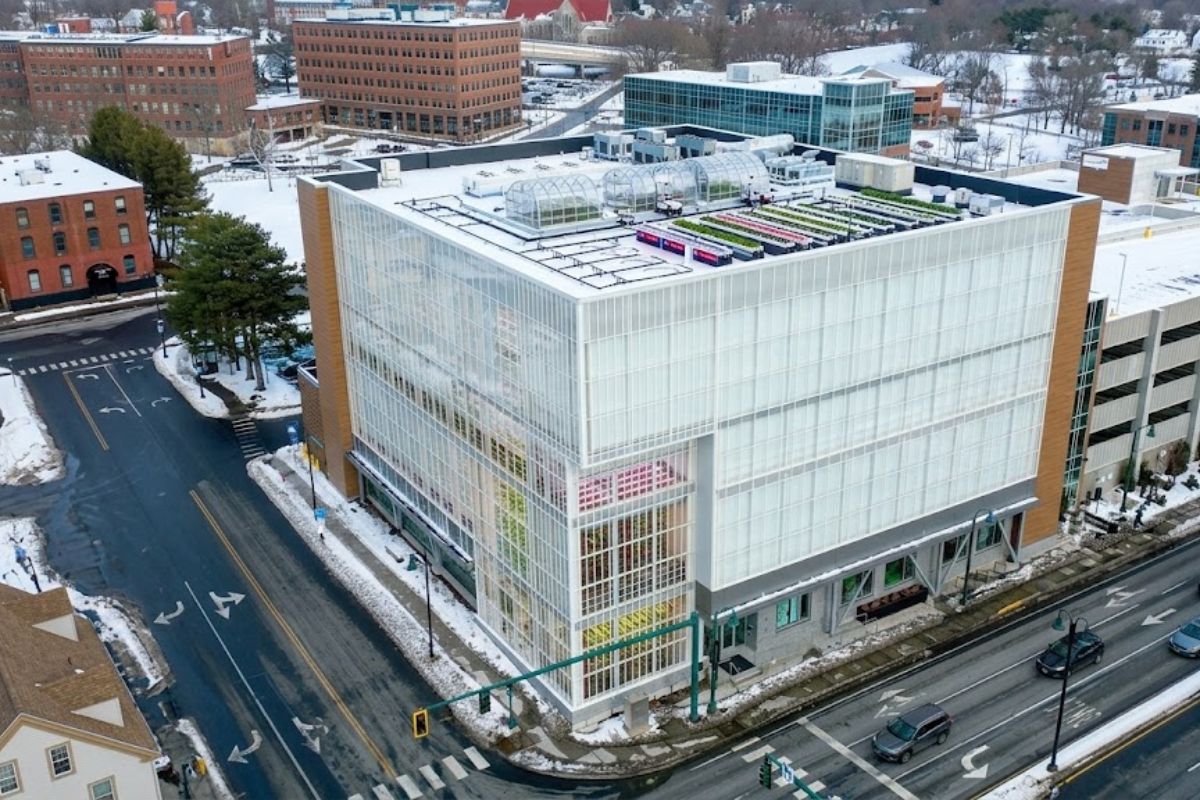
This farm in the United States does not use sunlight, does not use soil, and produces 500 times more food per square meter than traditional agriculture: the secret lies in 42,000 LEDs, hydroponics, and a system that recycles even the heat from the lamps.
-
The water that almost everyone throws away after cooking potatoes carries nutrients released during the preparation and can be reused to help in the development of plants when used correctly at the base of gardens and pots, at no additional cost and without changing the routine.


Still at the beginning of the project’s implementation, Elsa bought 10 hens to sell eggs to a neighbor. The result was quick enough to become a “market signal”: local demand grew and created space to scale the raising. With technical support from the project team, she felt secure to expand the flock and, in August 2023, bought 52 more laying hens, supplementing the investment with a loan from her brother.
The Financial Engine: Savings, Reinvestment And The Logic Of Family Farming
The most important point, for agriculture, is the financial engineering behind growth. Elsa and Debora accumulated US$ 770 in savings through the WE group and added another US$ 645 from selling woven plastic baskets (a previous business that served as “seed capital”). With a total of US$ 1,415, they structured the strongest phase of the poultry business.
The result of this reinvestment appears in the game-changing number: they reached 265 laying hens, with an average production of 8 to 9 cartons of eggs per day.
Daily Production And Organized Sales: When Scale Starts Working In Their Favor
In practice, constant daily production allows for what few family farms achieve: cash flow predictability. The sales dynamic evolved from a sporadic relationship into a trade channel. The report describes that initially, Elsa delivered two cartons every 10 days to a local store, until the merchant began to request more due to demand.
After reaching the new level, Elsa and Debora expanded sales to 4 local stores and began setting prices based on egg size, averaging US$ 5 per carton.
Management, Structure And Professionalization: The Detail That Separates “Raising” From “Business”
The project’s advancement was not limited to increasing the flock. According to Elsa’s account, the structure began to include a dedicated storage area and an organized production routine, indicating inventory control, planning, and process standardization. This step marks the transition between informal raising and structured activity as a rural business.
The initiative also received support in developing a business plan and marketing strategies, using promotional banners, cards, and social media presence. However, the decisive factor for consolidating the turnaround was the practical application of management in daily routines. Within nine months of the initial investment, there was an expansion of facilities, administrative modernization, and achieving a net profit of US$ 620.
Debora’s Technical Role In The Operation
Debora, 23, plays a technical role in the operation. Pursuing a bachelor’s degree in entrepreneurship, she relates how she applies the knowledge acquired at university to the farm’s routine, enhancing controls, planning, and financial organization. In rural areas, where access to higher education often requires significant travel and faces structural limitations, incorporating management knowledge translates directly into productivity, efficiency, and profit margins.
More than just increasing production, the case highlights how professionalization, organization, and training can transform a traditional activity into a sustainable and scalable business in the rural setting.










-

-

-

-

-

20 pessoas reagiram a isso.