





 Portuguese
  English
  Spanish
  5 min of reading
  0 comments


Sustainable Biodiesel from Novonesis Uses Acidic Raw Materials Up to 20%, Reduces Costs and Emissions, Generating Decarbonization Credits.
Novonesis is bringing a sustainable revolution to the energy sector by presenting a biodiesel that, by using high-acidity raw materials, promises to transform the future of biofuels. This innovative biofuel makes the most of waste materials such as used cooking oil and animal fat, promoting a more ecological and economical production cycle. The introduction of this biodiesel to the market represents a significant opportunity for reducing production costs, as well as decreasing carbon emissions.
By December 2023, the advantages of this biodiesel will be evident to consumers and industries. Driven by the growing demand for alternative sources, Novonesis stands out as one of the main players in changing the biofuel production chain. The importance of this biodiesel as a renewable fuel cannot be underestimated, as it offers a viable and sustainable option in a world concerned about global warming and dependence on fossil fuels. We will soon have a much more diversified and secure energy matrix.
The Strategic Role of Biodiesel in the Current Energy Context
With events like Fenagra highlighting these innovations, awareness of biofuels is growing significantly in the market. Participants and visitors were able to learn in detail about the technology behind this cutting-edge biodiesel and its clear advantages for the environment. The importance of a renewable fuel has never been more crucial, given the climate challenges faced today.
-
Brazil accelerates hydrogen and biofuel projects to consolidate the fuel of the future and reduce dependence on oil by 2026.

-
CNPE strengthens policy and prevents imported biodiesel from being mixed with diesel, aiming to strengthen the Brazilian industry and protect jobs by reducing external dependence amid tensions in the global market.

-
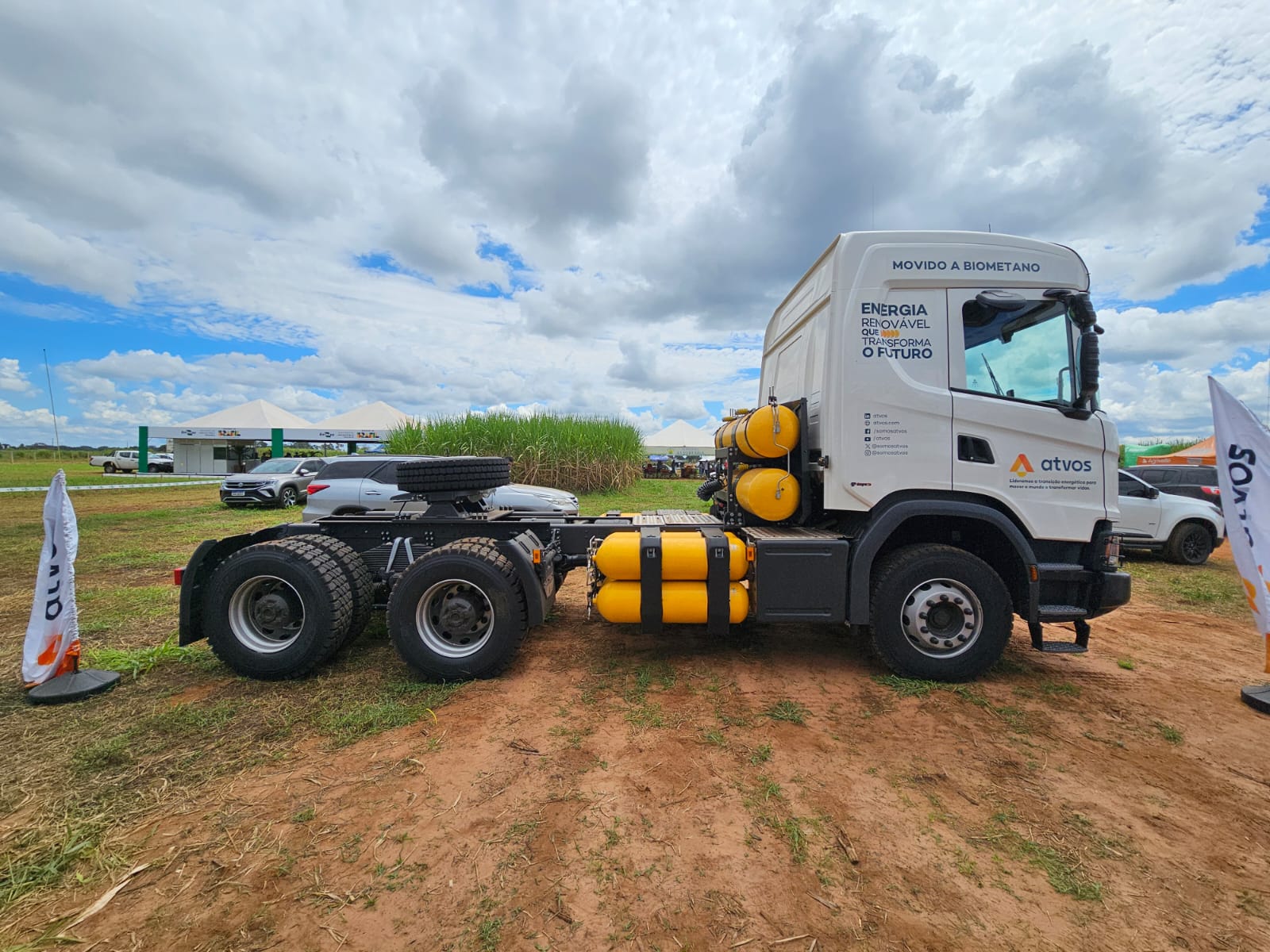
Revolution in public transport: Goiânia puts into circulation the first articulated buses powered by biomethane in Brazil and promises to drastically reduce pollution on the Anhanguera Corridor.

-
From the field to the pipelines: Mato Grosso do Sul accelerates the energy transition and consolidates a new axis in renewable energy with the arrival of a giant biogas plant.

After the announcement in August 2023, this technology has already begun to attract global attention, encouraging new research and investments in the sector. Analysts believe that the mass adoption of biodiesel could occur in less than five years, an incredible leap for any biofuel. Market sources, such as the International Renewable Energy Agency, see biodiesel as one of the most promising solutions to meet energy demands sustainably.
Thus, while the world continues its search for energy solutions, Novonesis’s biodiesel positions itself as a strategic choice. Unlike fossil fuels, this biofuel represents a clean and accessible alternative, through the use of more acidic raw materials. In upcoming events, such as the conferences in November 2023, there will be even more focus on discussing and promoting the use of effective renewable fuels.
The idea of a world powered by biofuels may finally be more than a distant dream. This biodiesel not only meets current needs but is also shaping future strategies for the sector. Undoubtedly, the impact is already being felt not just economically, but environmentally, promising a cleaner planet for future generations.
Launch at Fenagra 2025: The New Thing from Novonesis
From May 13 to 15, Fenagra – International Fair of Agroindustry Feed & Food, Technology and Processing, will be the stage for great innovations in the oilseed and fuel sector. Among the highlights, visitors can expect the presentation of Novonesis’s latest innovation for the biofuel segment: Eversa® Advance. This enzymatic advancement has been specifically designed to meet the growing demand from the market for flexibility in using different raw materials in the production of biodiesel, a renewable fuel that is gaining increasing importance.
A Solution for Technical Challenges
In recent years, the biodiesel industry has experienced a movement where producers seek diversification and optimization in raw material use. This trend arises not only from competitiveness issues but also to respond to the call for more sustainable practices. The challenge of raw material variability, notably those with high levels of free fatty acids (FFA), can hinder processes, creating operational barriers. Eversa® Advance emerges as a solution to transform this scenario. Thanks to this innovation, producers now have the capacity to work with inputs that have up to 20% acidity, greatly broadening the range of alternative sources for biodiesel production.
Flexibility as a Strategic Key
For biodiesel producers, the ability to choose among various inputs represents a fundamental strategic pillar, driven by the growing global demand for biodiesel and renewable fuel, as well as the encouragement of waste utilization. In the Brazilian market, where the demand for this type of biofuel continues to grow, exploring alternative sources is essential. Inputs such as animal fats, recycled cooking oil, and corn oil distillate are some of the viable options. Furthermore, dealing with high-acidity raw materials, such as soybeans at specific periods, will be a critical aspect in the near future, as highlighted by Alexandre Delphini Braz, Head of Industrial Solutions Sales at Novonesis for Latin America.
Practicality and Resource Optimization
Eversa® Advance represents a sustainable practice that can be implemented with low investments. It offers significantly greater flexibility in the selection of inputs, optimizes resource utilization, and enhances the generation of Decarbonization Credits (CBIOs) in the RenovaBio program, increasing profitability. The innovation stands out for its easy integration into existing infrastructure, requiring low capital investment (CAPEX) and reducing operational costs (OPEX) by up to 45%. Ana Paola Campigotto, an industrial technology specialist at Novonesis for Latin America, highlights that the enzymatic process provides a greater yield of fatty acid methyl esters (FAME) and avoids unwanted secondary reactions, common in traditional acid esterification methods.
Incentives for Sustainability
The approach of Eversa® Advance also reflects energy savings, with a reduction of up to 71% in energy costs, ensuring a lower environmental footprint. The use of methanol is minimized, avoiding corrosion in equipment and providing safer operational conditions. Additionally, Novonesis’s booth at Fenagra 2025 has been designed to be environmentally responsible and carbon-neutral, featuring concrete actions such as reusable modular structures, the use of recyclable materials, and smart waste management. Emissions that cannot be avoided will be offset by purchasing certified carbon credits, in collaboration with Eccaplan. The acquired credits will support the Small Hydroelectric Power Plant Rondinha, a project that promotes the replacement of fossil sources with renewable energy and prevents the emission of approximately 10,238 tons of CO₂ annually.
Source: Press FENAGRA










Seja o primeiro a reagir!