





 Portuguese
  English
  Spanish
  8 min of reading
  2 comments


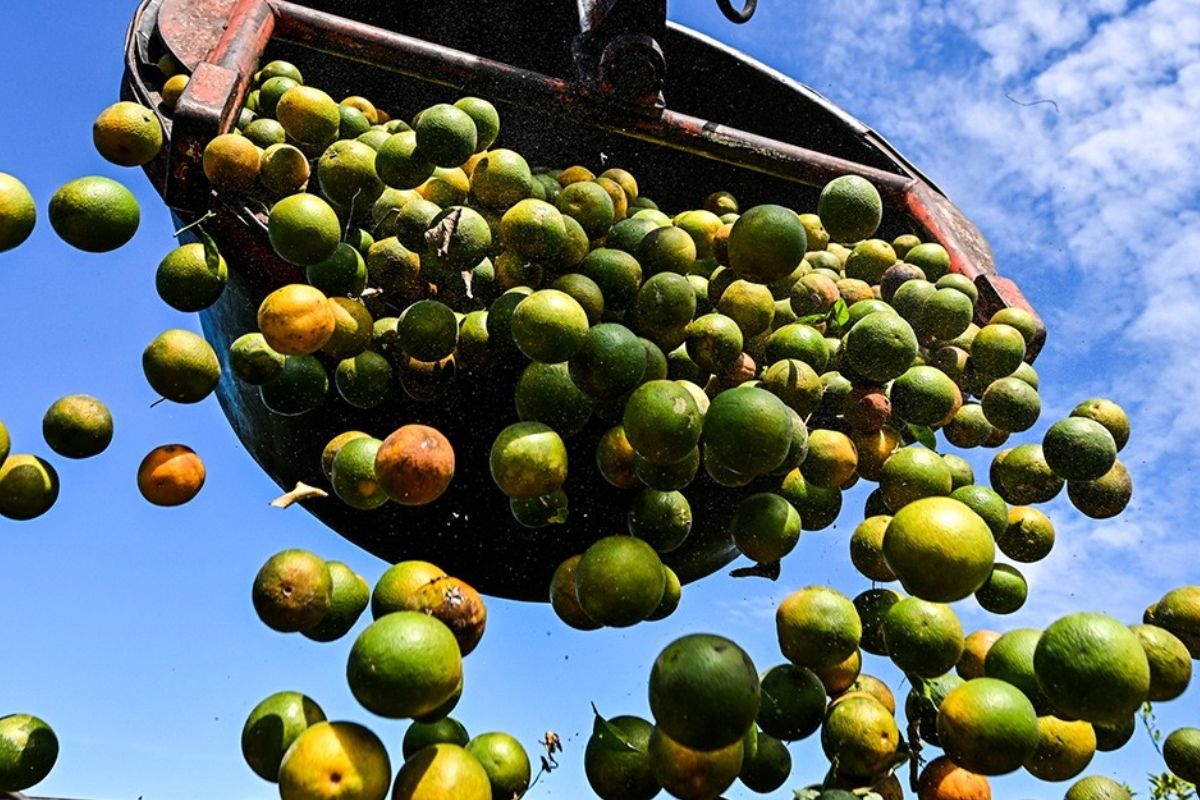


After a Sequence of Hurricanes in 2024 and the Spread of the HLB Disease, Florida Orange Is Facing the Worst Crisis in Almost a Century, with a 90% Drop in Production, Dozens of Billions of Dollars in Losses, and Thousands of Producers Leaving the Sector.
The Florida orange industry is shrinking before the eyes of those who live from the orchards. While trees are uprooted by storms, the real enemy is tiny: an insect that carries the citrus greening bacterium, turning fruit into small, green, and unsweet oranges and, over time, killing the plants. Amid this scenario, scientists and farmers are trying to buy time with protective clay, reflective covers, intensive soil management, and crossbreeding to create more resilient varieties, in hopes of saving what remains.
How Florida Orange Became Synonymous with Crisis
For a long time, the Florida orange was a symbol of abundance. Families like Larry’s, a fifth-generation farmer in Fort Meade, have been growing citrus since the 1850s.
When he started in the industry, orchards covered more than 900,000 acres in the state, and in many years there were too many oranges, with prices pressured downwards.
-
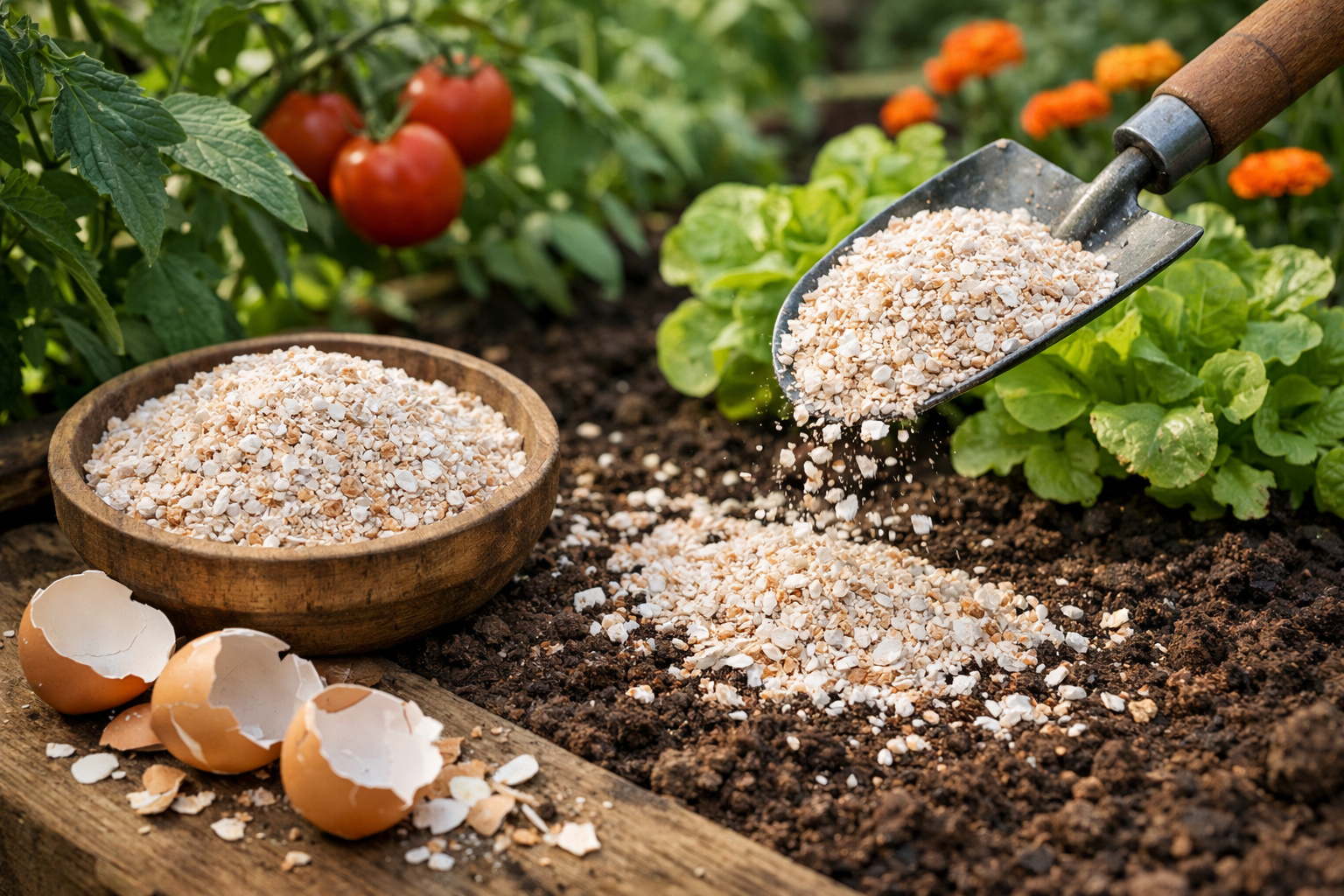
The eggshell that almost everyone throws away is made up of about 95% calcium carbonate and can help enrich the soil when crushed, slowly releasing nutrients and being reused in home gardens and vegetable patches.
-
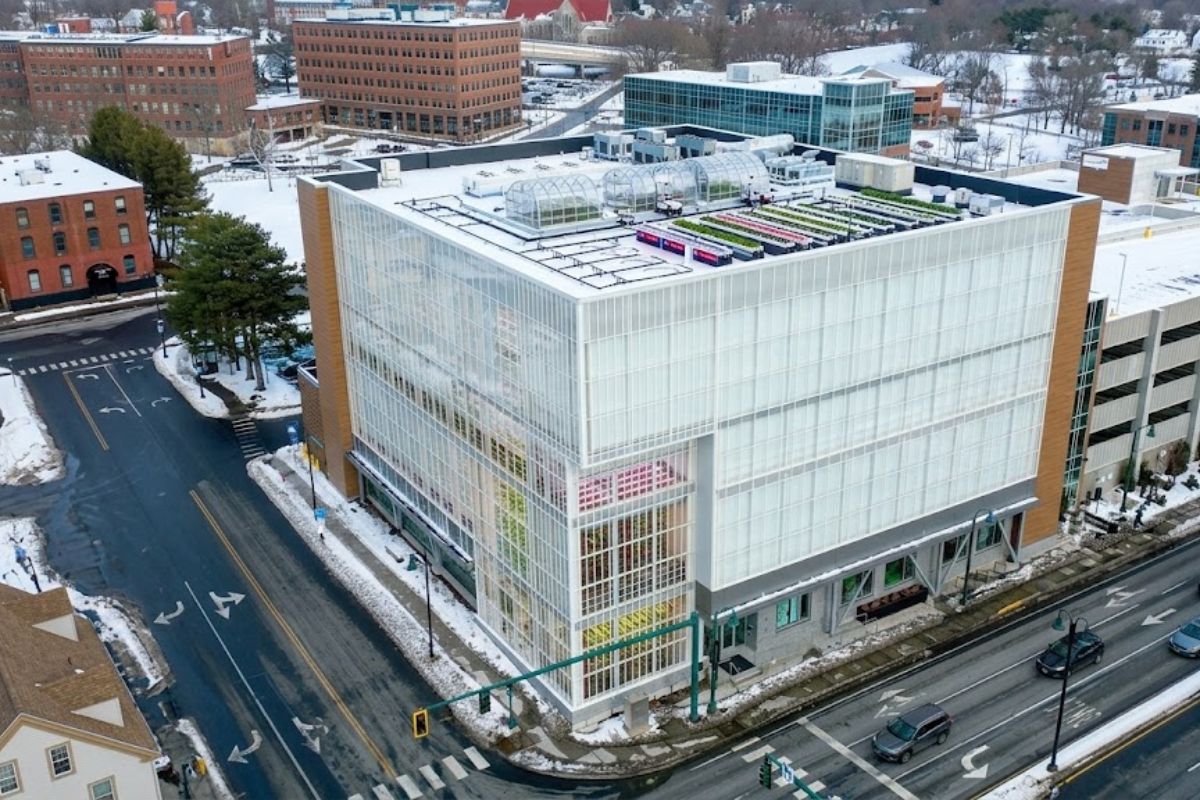
This farm in the United States does not use sunlight, does not use soil, and produces 500 times more food per square meter than traditional agriculture: the secret lies in 42,000 LEDs, hydroponics, and a system that recycles even the heat from the lamps.
-
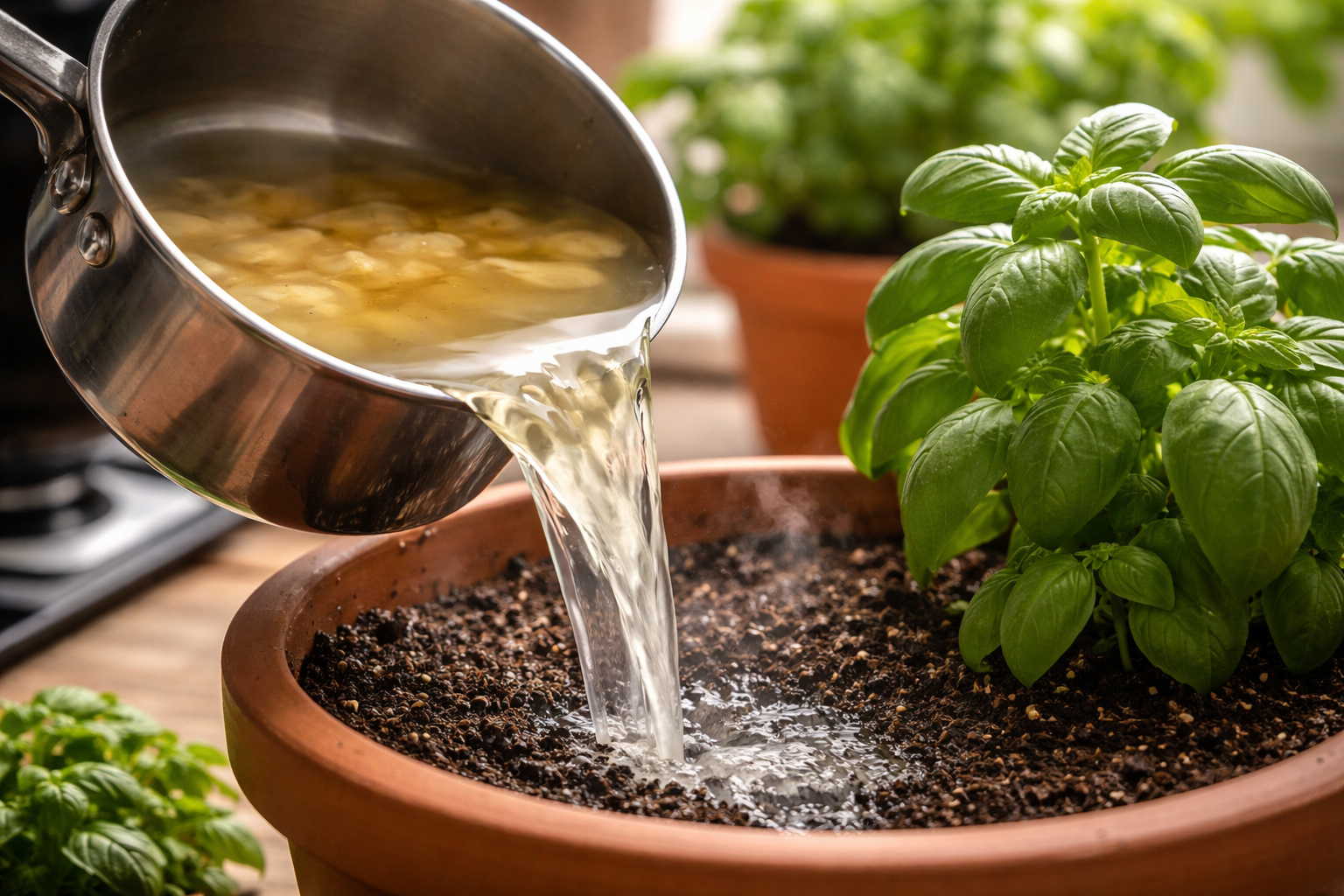
The water that almost everyone throws away after cooking potatoes carries nutrients released during the preparation and can be reused to help in the development of plants when used correctly at the base of gardens and pots, at no additional cost and without changing the routine.
-
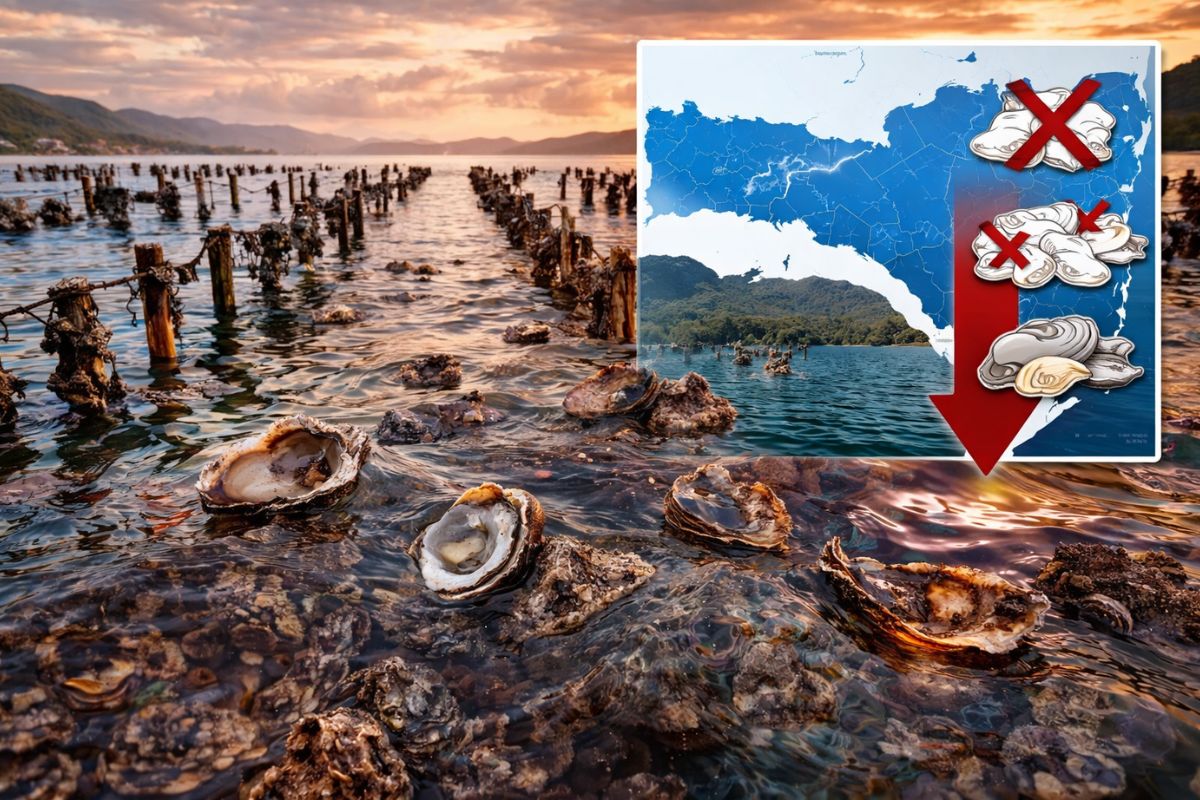
The sea water temperature rose from 28 to 34 degrees in Santa Catarina and killed up to 90% of the oysters: producers who planted over 1 million seeds lost practically everything and say that if it happens again, production is doomed to end.

Just about 15 years ago, the family packed millions of boxes of Valencia oranges per year, large, sweet, and juicy, planted with the expectation of lasting generations.
Frosts and hurricanes had caused damage in the past, but nothing compares to the impact of citrus greening, which Larry classifies as the hardest challenge of his entire career.
The sequence of hurritsunamis, devastating earthquakes, and hurricanes: the 4 major natural tragedies that changed the world, according to National Geographic in 2024 knocked down trees and uprooted fruit, hitting a production that was already weakened by the disease.
The combination of storms and HLB has pushed the Florida orange into a season that is on track to be the worst in nearly a century, with empty orchards where a continuous carpet of green trees once stood.
What Is Greening HLB and Why Is It Killing the Orchards

Citrus greening, known as HLB, was first described far from Florida. The first case was reported in 1918 in China, and the disease soon spread across Asia, devastating orchards in India and Saudi Arabia. Much later, it appeared on the route of Florida orange.
In 1998, the problem was identified in a orange jasmine plant in a backyard in Palm Beach County.
The bacterium spread through root stocks and seedlings, crossed the state almost unnoticed, and took seven years to show signs in producing orange trees.
In 2005, Larry found his first infected tree and realized that something bigger was at play. He knew that if the disease established itself, it could destroy his operation.
The transmitting insect bites the leaves and injects the bacterium into the vascular tissue of the plant. The bacterium clogs the channels that transport water and nutrients, weakens the roots, and promotes an irregular yellowing of the canopy. If you can see the technician through the canopy of a citrus tree, it means that plant is very sick.
Even so, trees continue producing oranges for a few years, but not like before. The fruit becomes small, remains green, has an odd shape, and ripens poorly.
A large portion of the oranges falls prematurely, around 40%, and the juice extracted has less sugar than normal. The taste remains that of orange juice, but not with the sweetness consumers expect. Over time, the tree declines and dies.
Today, researchers estimate that about 90% of orange trees in Florida are infected with the bacterium. The Florida orange no longer dominates the landscape as before, and the presence of the disease has become the rule, not the exception.
The Survival Strategies to Keep Florida Orange Alive
When HLB began to appear aggressively, many producers tried to uproot all sick trees, hoping to slow down the disease.
Larry followed this path initially but soon realized that the insect was moving much faster than any field crew. Before long, there were so many infected plants that this strategy became unfeasible.
The turning point came with the support of researchers from the University of Florida. Instead of talking about eradicating HLB, they began to focus on ways to keep Florida orange alive and productive even under infection.
The idea is to coexist with the disease and get the most out of each tree before it comes to the end of the line.
One of the scientists, Lauren, studies the transmitting insect. She uses a small handheld vacuum to capture the vectors in the canopies and understand what attracts or repels them. From this research, two important tools emerged.
The first is a pink clay applied to the leaves, which alters the way light is reflected and “hides” the leaves from the insect’s view, reducing its ability to locate the plant. One study showed that this clay can be more effective than some insecticides.
The second tool is a reflective plastic cover installed on the ground of the orchards. This blanket changes the way light hits the trees and confuses the insect when trying to find its host, serving as a visual barrier.
Another important front is the protective mesh covers used around young trees. These covers allow wind, sun, and rain to pass through but block the insect’s access during the first years of development.
The seedlings of Florida orange grow stronger inside these “tunnels” and come out to the field with a better chance of resisting when exposed to the environment.
In the soil, attention is led by agronomist Trippy Vashish. She observed that, with roots stunted by HLB, the orange trees become less efficient at absorbing nutrients.
The response was to reduce the amount of fertilizer and water and increase the frequency of applications, as if dividing three large meals into six small ones throughout the day. This way, sick roots can better utilize what they receive.
Larry incorporated this management, uses fertilizers formulated specifically for his areas, and even changed the way he plants. Before, it was around 140 to 150 trees per acre.
Now, he works with densities of around 300 trees per acre. If almost all Florida orange plants will become infected at some point, the logic is to have more trees per area to ensure a minimum volume of production, even with considerable losses.
Additionally, many producers tested the release of wasps that prey on the transmitting insect and continued using insecticides at specific moments.
There is no single solution that can fix everything, but the combination of clay, covers, soil management, higher planting density, and biological control has allowed for slowing the decline and keeping the industry operating in survival mode.
Empty Factories and Overdrawn Accounts
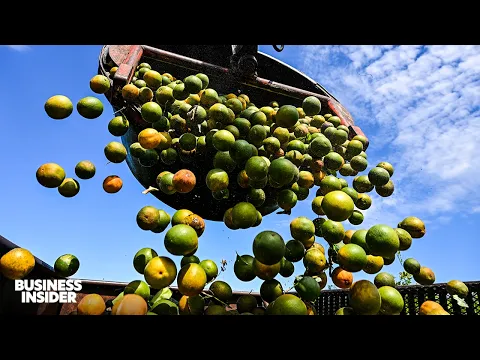

The effort to keep the Florida orange standing comes at a high cost. Measures against greening add about $600 more per acre in production expenses.
At the same time, the amount of fruit per tree has drastically fallen. In many properties, revenue per area has plummeted by half or more.
Producers have started losing money year after year, and many have been unable to absorb these losses.
By early 2022, about half of Florida orange producers had already abandoned the sector. Larry continues planting, but he knows he’s taking heavy risks to keep the family tradition alive and to ensure that, even in smaller volumes, there is still orange juice coming from the state’s orchards.
The crisis also clearly appears within factories. Larry is one of the owners of a natural juice industry in Lake Wales, organized as a cooperative among producers.
There, about 90% of the fruit harvested in the state is destined for juice production, not for fresh consumption.
With the drop in volume, the factory had to close one of its three processing lines. Today, about 60,000 boxes of oranges arrive daily, around 30,000 less than before the spread of HLB.
Less orange means less efficiency, more fixed costs per liter of juice, and a lower capacity to meet the market.
The process of transforming the fruit into juice remains essentially the same. Within 24 hours after harvest, the oranges are taken to the factory, washed, evaluated by digital cameras, sorted by color, squeezed, pasteurized, and packaged.
But the disease has altered the starting point. Greening drops the natural sugar content, and the juice from infected oranges is less sweet.
To maintain a recognizable flavor of Florida orange, the cooperative mixes infected batches with sweeter oranges from other regions or times of the harvest, adjusting the final product.
The Bet on New Varieties to Save Florida Orange
While day-to-day operations revolve around containment strategies, many researchers are looking ahead.
The long-term expectation is that the true solution for the Florida orange lies in trees able to resist HLB.
This is the focus of Fred Gitter and his team’s work at the University of Florida. They are trying to develop a disease-resistant orange variety that can coexist with the bacterium without presenting severe symptoms.
The path is to cross trees with high-quality fruit with citrus relatives that have natural resistance and to test the “daughter trees” in search of combinations that unite flavor and tolerance.
Fred defines this resistant variety as the “Holy Grail” of citrus greening research. Finding the right set of genes is a huge challenge. It’s like searching for a needle in a haystack. Creating, testing, selecting, and multiplying a new resistant Florida orange may take over a decade, with no guarantee of immediate results.
Even so, the bet is that a resistant or highly tolerant tree will be the basis for rebuilding the sector. In an interconnected world where pests and diseases cross borders easily, having a stronger genetic base is not only useful for tackling HLB but also for facing future diseases that haven’t appeared yet.
An Open Future for Florida Orange
Today, no one doubts that citrus greening is here to stay. The Florida orange has not disappeared, but exists in a context where every harvested box results from intense management, high investment, and much resilience.
Farmers, technicians, and researchers know that they are not running a short race but a marathon with difficult stages.
While science seeks a resistant orange and current strategies try to buy time, what’s at stake is not just a drink at breakfast, but the livelihood of families that have depended on orchards for generations.
In your opinion, can Florida orange still reinvent itself with resistant varieties and more sophisticated management, or does this crisis mark the beginning of a definitive change in the global orange juice production map?




Eu sou Sergipano da cidade Lagarto região do agreste, já várias matérias sobre essa doença vêm dissimando a cultura da laranja, na minha opinião os grandes líderes mundiais só tocam em taxas do produto, não dá a divida severa grave dessa doença. Só uma pergunta sem crítica dos governantes do nosso país. Porque o Estado de São Paulo atravessa fronteiras com essa doença e Sergipe,Bahia e outros da nossa região não temos essa doença e o preço da laranja $2.000,00 a tonelada caiu para $ 200,00 a tonelada nós precisamos de uma já e contundente das autoridades do nosso país. Ou tão brincando com os agricultores do nordeste, que somos homens iguais a vcs. através desse meu desabafo, queremos uma resposta urgentes das nossas autoridades. um abraços a todos agricultores do nosso país gigante.
Pesquisador brasileiro do nordeste e amazonia logo descobrem.