





 English
  Francês
  Alemão
  Italiano
  Japonês
  Norueguês
  Portuguese
  Spanish
  5 min of reading


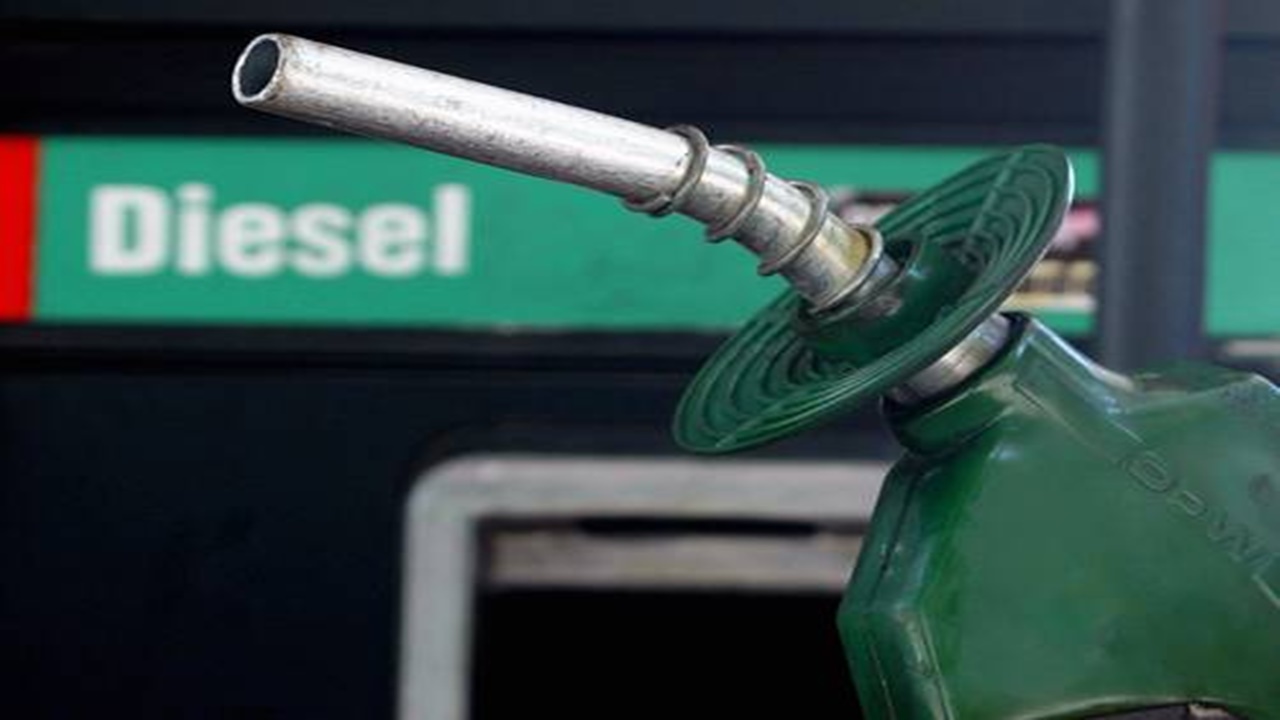
Threat Of Indefinite Strike By Truck Drivers Is Not Enough To Contain The Increase In Diesel Prices, Which Compared To November 2020, Reaches 49%.
Even with truck drivers threatening to strike, it was not enough to contain the surge in fuel prices, especially diesel. The month of November began with the national average price for common and S-10 diesel above R$ 5.6 at the pumps, a 7.4% increase compared to the end of October, according to the latest survey by the Ticket Log Price Index (IPTL).
Read Also
- Company That Certifies Grain Shipments Offers Today (11/17) IMMEDIATE Job Openings To Work At The Port Of Santos; No Experience Required
- 15000 Openings For The Last Live Class Of 2021 For A Free Online (EAD) Technology Course; Candidates From All Over Brazil Can Participate And No Prior Knowledge In The Area Is Required
- Assistants, Operators, Drivers, Technicians, Inspectors, Analysts, Engineers And More Professionals Called For 169 Job Vacancies In Petrobras Oil And Gas Contracts
- Senai Offers 565 Scholarships With Openings In 21 In-Person And Hybrid Technical Courses; Secure Yours!
The common diesel saw an increase of 7.4% compared to October, being sold at R$ 5.602. Meanwhile, the S-10 diesel increased by 6.9%, sold at R$ 5.672. When compared to the price at the end of November 2020, the increase reaches 49%.
Price increases were seen in all regions. The common diesel had its most significant increase in the South region, at 8.22%. The S-10 had its largest increase in the Midwest region, at 7.60%.
-
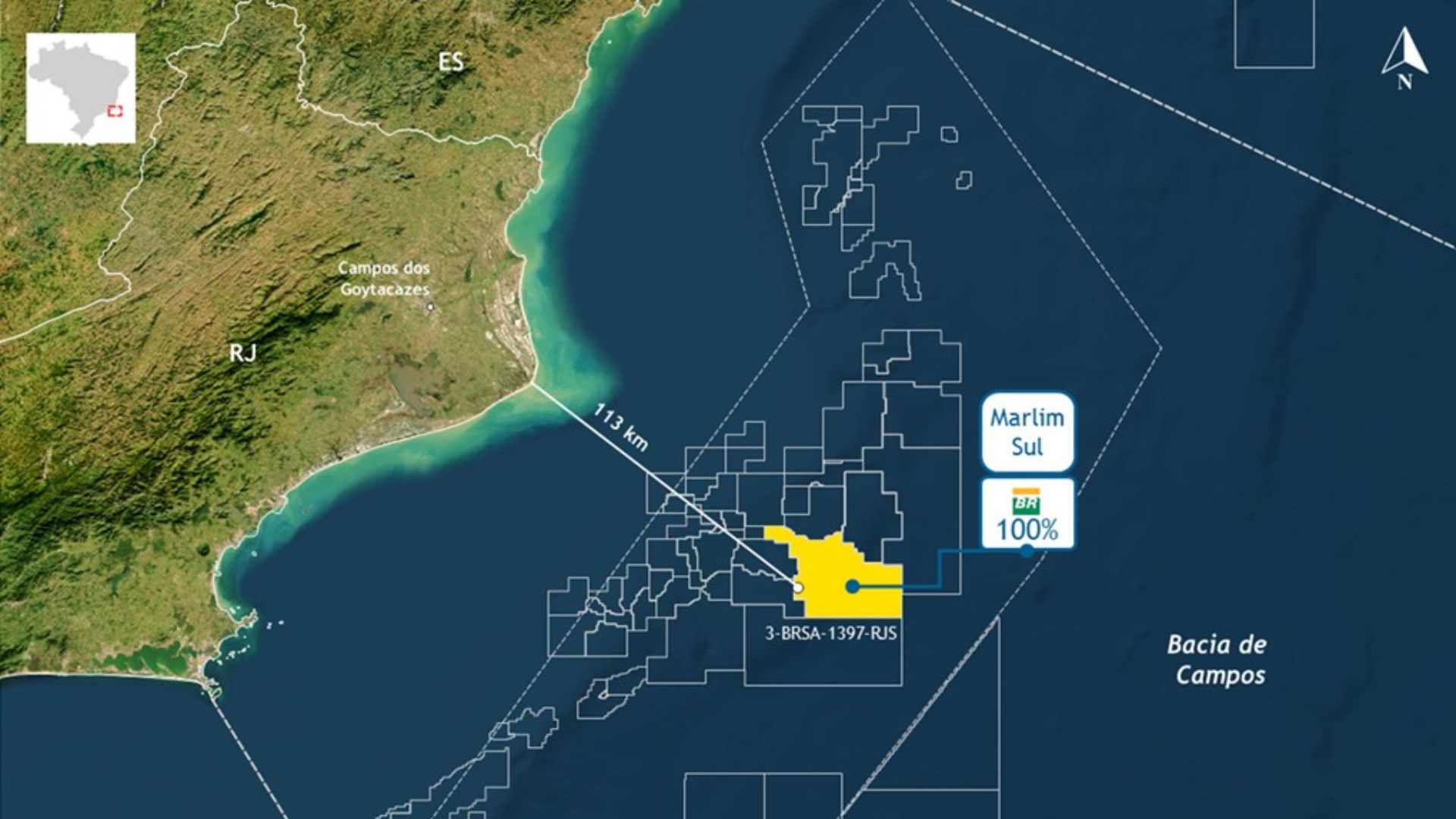
Petrobras finds high-quality oil in the pre-salt at 113 km from RJ and reignites expectations about strategic reserves in the Campos Basin.

-
Ocyan opens registrations for startups focused on innovation in the oil and gas sector and will select projects for Innovation Day with the support of Nexio.

-
Petrobras announces new oil discovery in the pre-salt of the Campos Basin and reinforces Brazil’s prominence with high-quality reserves that can increase production and energy revenues.
-
Alert in the fuel market: Analysts and a former director of ANP warn that oil prices may worsen in the coming months due to global instability.

As in October, the North region has been recording the highest average prices, with common diesel at R$ 5.802 and S-10 at R$ 5.878. The lowest price per liter was found in the South region, with the common type sold at R$ 5.202 and the S-10 type at R$ 5.250.
Acre continues to top the national ranking for the most expensive common and S-10 diesel, sold at R$ 6.280 and R$ 6.275, respectively. Just like in October, Paraná still has the lowest recorded prices at the pumps, with the common type at R$ 5.119 and the S-10 at R$ 5.177. The Federal District recorded the highest increase in diesel prices, at 9.63%, rising from R$ 5.274 to R$ 5.782.
No Region In Brazil Experienced A Reduction In Diesel Prices
“No region in Brazil experienced a reduction in diesel prices, both for common and S-10 types, according to the Ticket Log Price Index. The most advantageous prices were found in the South and North regions of the country,” explains Douglas Pina, Head of Urban Market at Edenred Brazil.
The IPTL is a fuel price index based on refueling at 21 thousand Ticket Log accredited gas stations, which has high reliability, due to the number of vehicles managed by the brand: 1 million in total, with an average of eight transactions per second. The Ticket Log, a fleet management and mobility solutions brand of Edenred Brazil, has over 30 years of experience and adapts to the needs of customers, offering modern and innovative solutions to simplify daily processes.
Truck Drivers Threaten Strike And Could Stop At Any Moment Against The New Increase In Diesel And Fuel Prices Set By Petrobras
After yet another increase in diesel prices, which saw an average rise of R$ 0.25 per liter, truck drivers are considering a new strike. The goal of the potential stoppage is to pressure the government to lower fuel costs. The president of the Sindtanque de Minas Gerais, the union representing fuel transporters, stated in an interview with VEJA that protests could occur at any moment. However, leaders consider this movement still to be momentary.
The demands of truck drivers, who staged a historic strike against diesel prices in 2018, still follow constant complaints from President Bolsonaro himself about the cost of fuels.
Even With High Dollar, Fuel Prices Plummeted, Reaching R$ 1.98 Per Liter For Ethanol At The Beginning Of The Pandemic, But It Did Not Last And Consumers Suffer From Constant Surges
Consumers, taxi drivers, and app drivers have to deal with constant fuel price adjustments set by Petrobras, but how to explain the reason for ethanol, gasoline, and diesel prices plummeting at the beginning of the pandemic, even when the dollar was extremely high?
In February 2020, at the beginning of the global crisis triggered by the Covid-19 pandemic, fuel prices plunged worldwide, but “not everything is rosy,” and after May, we began to rise again.
Social distancing measures resulted in a drastic reduction in fuel consumption, both for transportation and for industry.
As reported at the time, by us at Click Petroleum and Gas, oil was even traded at negative prices; without storage options, many investors preferred to pay to avoid receiving the purchased barrels.
In other words, with gasoline and diesel much cheaper, ethanol also had to decrease in price. At that time, the technical director of Unica – The Sugarcane Industry Union, reported that the sector accumulated losses and was selling the biofuel below the cost price.
However, it didn’t take long for the global market to adapt to the new situation, and prices began to rise again even with the truck drivers’ strike threats. With gasoline and ethanol demand rising, prices consequently increased, and losses at the pumps were reversed. Read the full article here.
After The Loyalty To Fuel Brands At Gas Stations Was Lifted, The ANP Authorized On The 4th, The Sale Of Gasoline And Ethanol Via Delivery; Measure Could Reduce Fuel Prices And Ease The Burden On Consumers
After the approval on August 11 of direct ethanol sales and the end of loyalty to fuel brands at gas stations, which means that gas stations displaying the logo of a specific distributor may start selling fuels from other suppliers, provided that consumers are informed, it is now time for the long-promised sale of gasoline and ethanol via delivery to be authorized by the National Agency of Biofuels, ANP. Together, these measures could become the ‘solution’ to contain and curb the increase in gasoline prices, easing the burden on consumers.
With this, gas stations will be able to deliver common gasoline or ethanol to homes. However, the regulation takes effect 180 days after publication of the resolution in the Official Gazette.
Under the rule, fuel delivery will only be allowed for the delivery of ethanol and ‘type C’ gasoline (the common type sold at gas stations). Supply must occur in the same municipality in which the dealer is authorized to operate.










Seja o primeiro a reagir!