





 Portuguese
  English
  Spanish
 4 min of reading
  0 comments


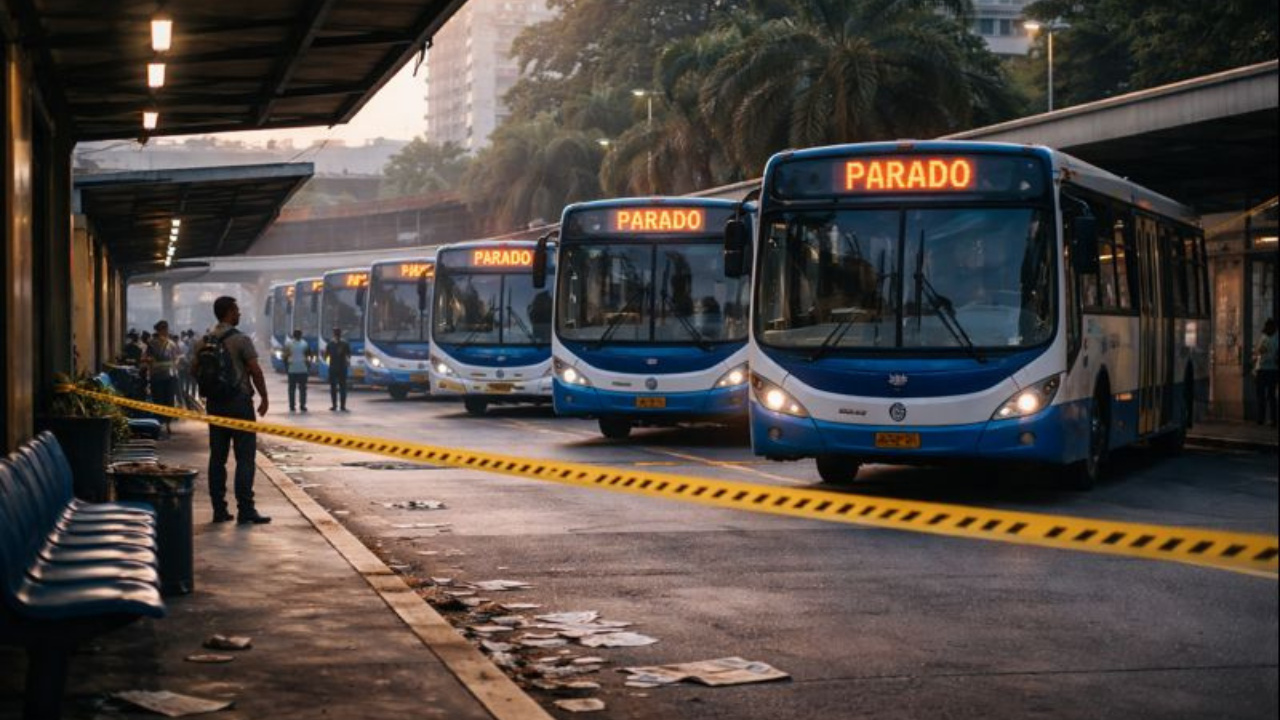
Strike of Consortium Guaicurus Prevents Movement of Workers and Causes Economic Losses to the Industry of Campo Grande.
The public transport strike in Campo Grande, which started on Monday (15) by drivers of Consortium Guaicurus, is already causing direct impacts on the industry of Campo Grande, compromising daily production and potentially generating economic losses of up to R$ 58 million per day.
The warning was issued by Fiems (Federation of Industries of Mato Grosso do Sul), which points out immediate losses if a large part of the workers are unable to reach their workplaces due to the suspension of urban buses.
Right in the first hours of the public transport strike, the industrial entity assessed that the interruption of the service critically affects the productive chain of the Capital.
-
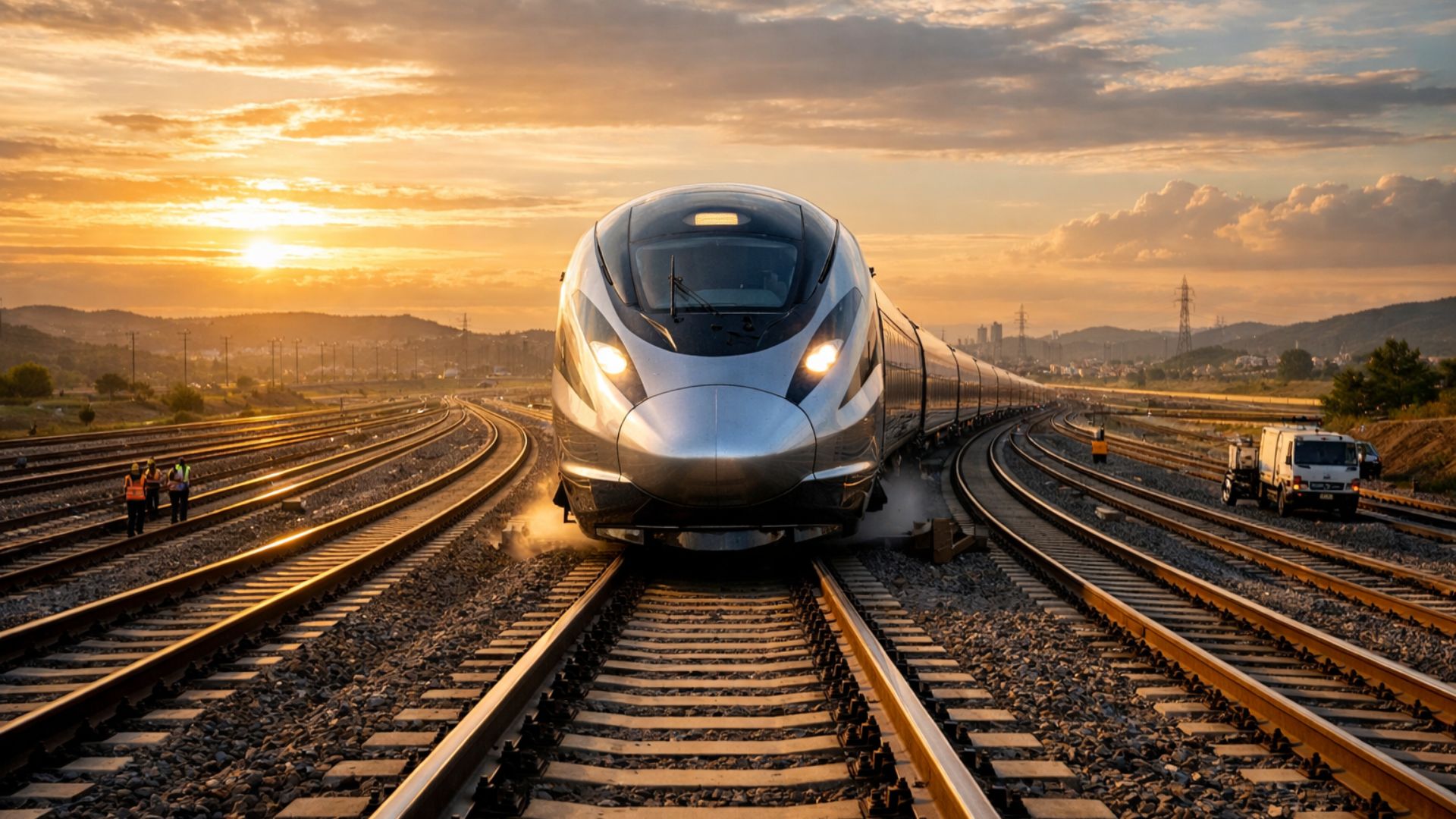
São Paulo surprises the world with a colossal railway network project that promises over 1,000 km of tracks, R$ 194 billion in investments, and 40 projects connecting the capital to the interior with fast and sustainable trains.
-
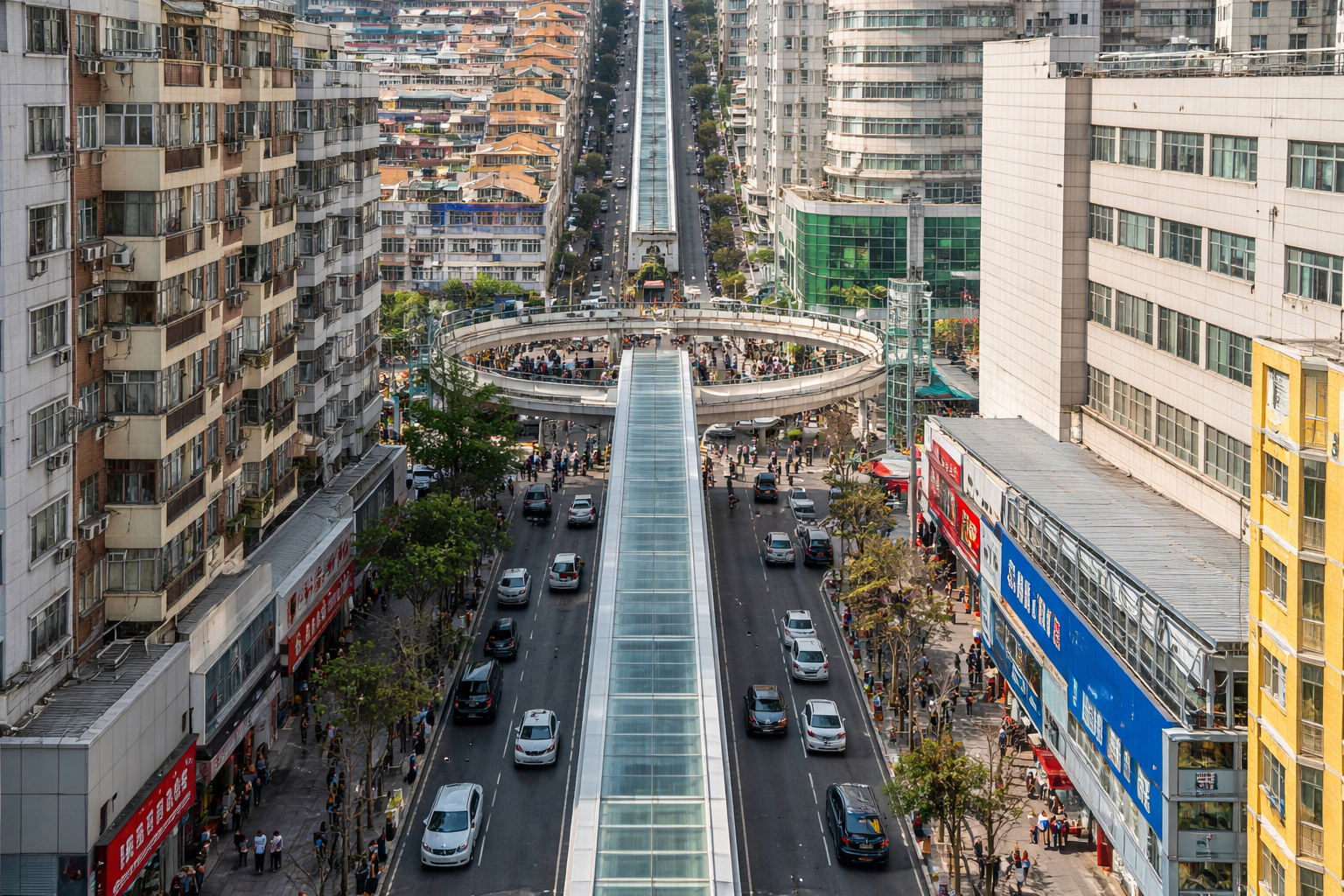
The world’s largest escalator, measuring 905 meters in China, reduces urban travel time from 1 hour to about 20 minutes and transforms mobility in mountainous regions with an engineering solution adapted to the terrain.
-
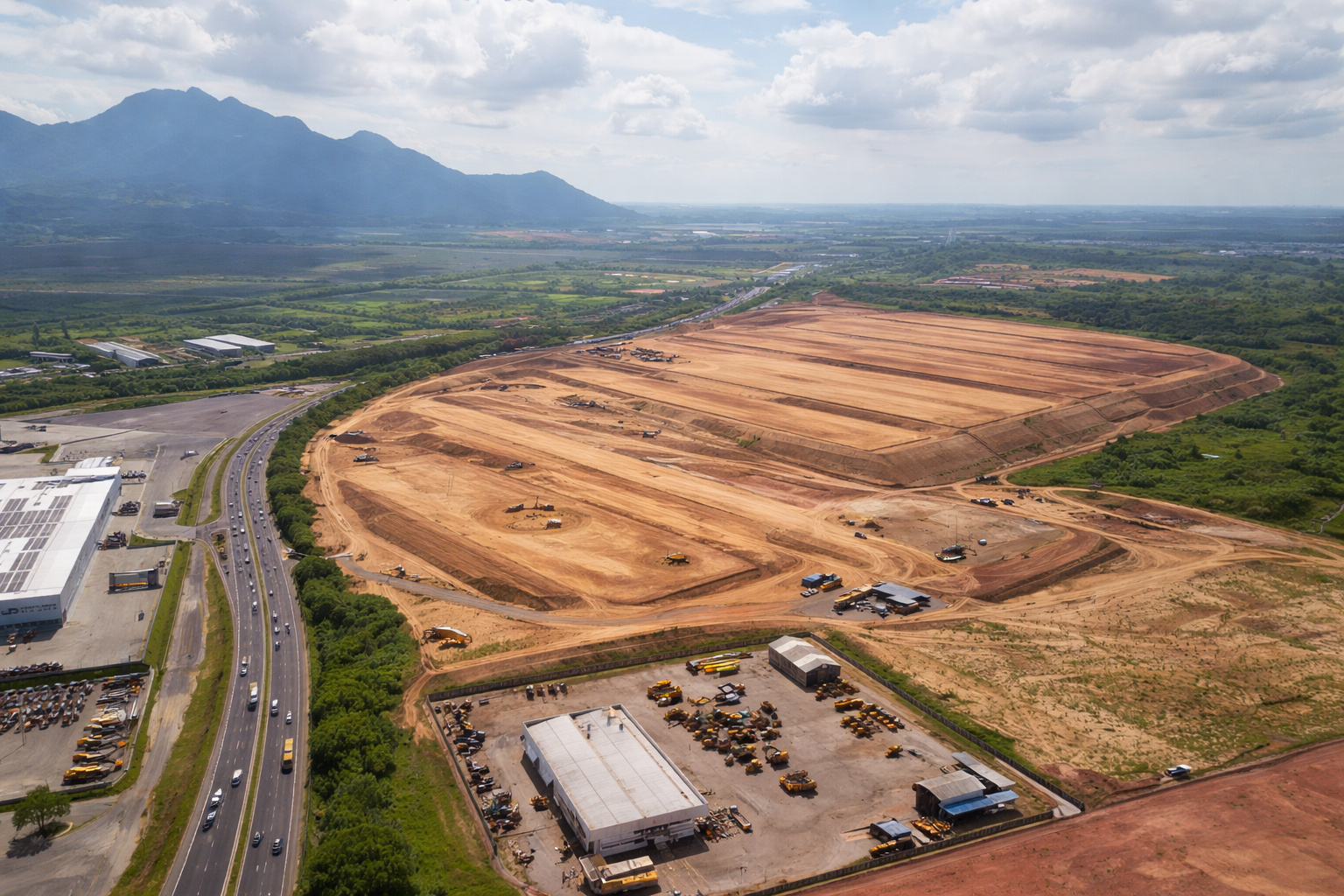
A R$ 300 million logistics giant is taking shape in Serra with over 100,000 m² and raises a question: how can this transform e-commerce and distribution in the state?
-
Could Uber Rides Lose Minimum Fare? Understand What’s Happening!


This occurs because thousands of workers depend exclusively on public transport to travel to factories and construction sites.
Without labor, production slows down, contracts are compromised, and economic losses accumulate quickly.
Public Transport Strike Compromises Productive Capacity
According to Fiems, the most impacted sector is the manufacturing industry, considered one of the pillars of the local economy.
The president of the entity, Sérgio Longen, stated that the suspension of Consortium Guaicurus has an immediate effect on industrial activity.
“The strike of Consortium Guaicurus drivers directly affects the productive capacity of Campo Grande and compromises the functioning of the manufacturing industry,” Longen said.
Moreover, the federation emphasizes that, unlike other segments, the industry operates with rigid schedules and continuous production.
Thus, any interruption in the movement of workers results in losses that cannot be recovered later.
Data from Fiems Show Immediate Economic Impact
Research from the Industry Observatory of Fiems, based on official data from IBGE (Brazilian Institute of Geography and Statistics), reveals that each industry worker in Mato Grosso do Sul generates, on average, R$ 3,500 per working day.
Therefore, when the employee cannot reach their workplace due to lack of public transport, the economic loss occurs instantly.
Campo Grande has approximately 22,000 formal workers in the manufacturing industry. They work in sectors such as garments, slaughterhouses, food, glass, precast, and carpentry.
All these segments depend directly on the daily presence of labor to keep production lines active.
Economic Losses Vary According to Level of Paralysis
According to Fiems projections, the economic losses caused by the public transport strike vary according to the percentage of absent workers.
In a scenario of 25% absence, losses have already reached around R$ 19 million per day.
On the other hand, if the strike prevents 75% of workers from reaching the factories, the financial impact can reach almost R$ 58 million daily.
This scenario is deemed critical as it compromises not only current production but also the financial sustainability of the companies.
Meanwhile, the federation highlights that small and medium industries tend to feel the effects even more intensely, as they have a lower capacity to absorb prolonged losses.
Industry of Campo Grande Is Not the Only Affected Sector
Although the manufacturing industry is the most impacted, Fiems emphasizes that the effects of the public transport strike extend to other industrial segments.
The construction industry, for example, faces delays in the progress of works, which compromises delivery schedules and previously established contracts.
Furthermore, successive delays generate additional costs with reprogramming crews, contractual fines, and material waste.
Thus, economic losses exceed the industrial sector and affect the entire local productive chain.
Strike of Consortium Guaicurus Affects More Than 100 Thousand Passengers
The halt of Consortium Guaicurus directly impacts more than 100 thousand passengers daily in Campo Grande.
In light of this scenario, the Regional Labor Court of the 24th Region determined that 70% of the public transport fleet should resume operations.
Initially set at R$ 20 thousand, the daily fine for non-compliance with the court decision was increased to R$ 100 thousand.
Even so, the Union of Workers in Urban Public Transport of Campo Grande maintained the complete strike.
Attempt at Conciliation Could Determine Course of the Strike
As the public transport strike continues without a resolution, the TRT/MS scheduled a conciliation hearing for Tuesday afternoon.
The goal is to seek an agreement between workers and companies, aiming to restore the service and reduce the economic losses that are already affecting the industry of Campo Grande.
Fiems reinforces that a quick solution is essential to avoid even greater damage to the local economy.
According to the entity, the longer the Consortium Guaicurus strike lasts, the deeper the losses will be for the industry, the workers, and the entire population that depends on public transport.









-

Uma pessoa reagiu a isso.