





 English
  Francês
  Alemão
  Italiano
  Japonês
  Norueguês
  Portuguese
  Spanish
  3 min of reading


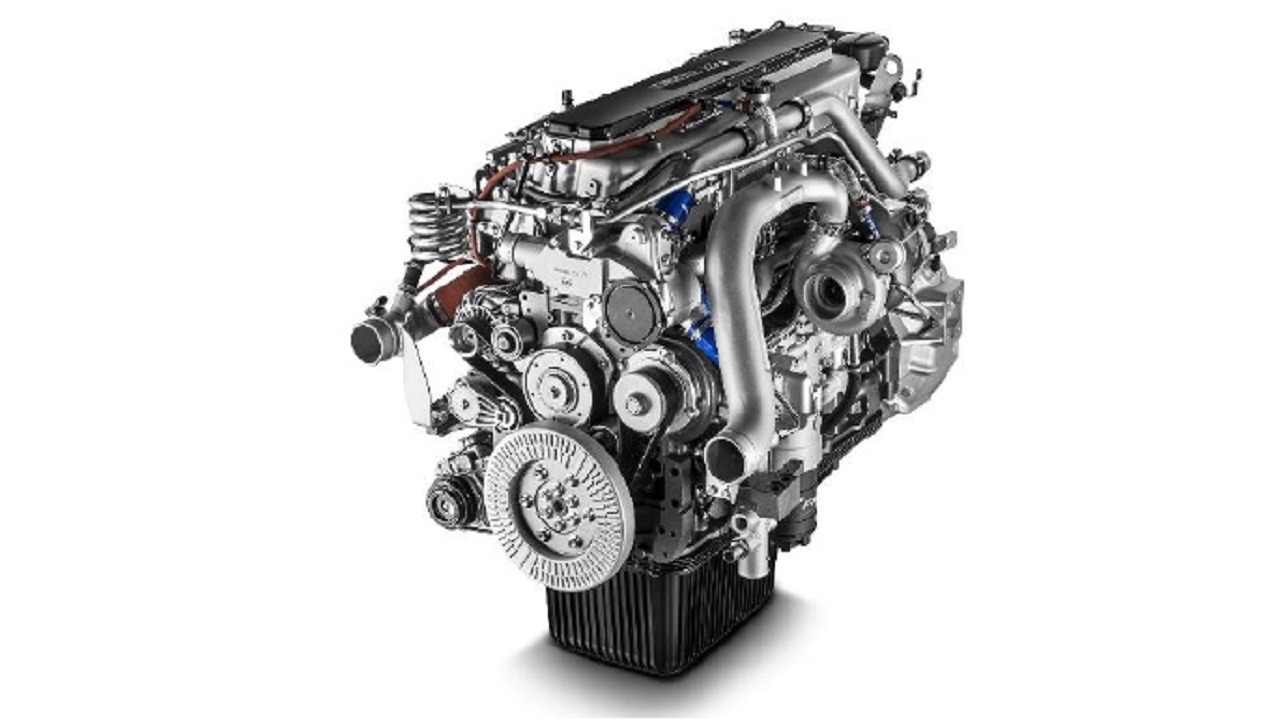
The Iveco Group Is Closing Partnerships With Several Companies and Universities in Brazil to Advance the Development of an Ethanol, Biogas, and Green Hydrogen-Powered Engine.
It seems that fossil fuel-powered engines will still have a long life, considering that engineers continue to improve these types of machines, which have been around for over a century since their invention in 1866. Electric motors are even older, being invented in 1836, and are more efficient. However, they have always faced economic viability when installed in vehicles, as they rely onvery expensive and heavy batteries, even though they are constantly evolving to expand rapid charging efficiency and greater range, and reduce weight, with promises of significant improvement in the next generation already in testing, with the use of solid-state lithium and niobium.
Iveco Group Partners With Brazilian Universities
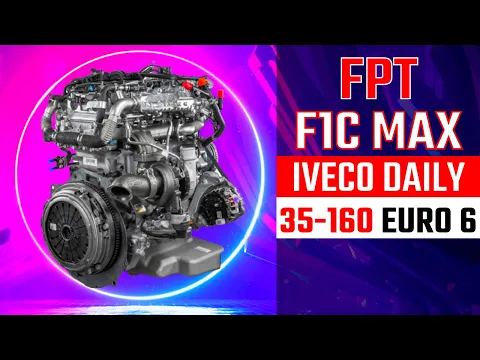

For long-distance mobility, the combustion engine will still have a long life. FPT, part of the Iveco Group, announced the development of a new FC1 diesel engine that equips the Iveco Daily, which operates with different energy sources such as ethanol, biogas, and green hydrogen.
With a multi-energy vision, FPT, part of the Iveco Group, has partnered with several universities in Brazil such as the São Paulo State University (UNESP), Federal University of Itajubá (UNIFEI), Federal University of Pará (UFPA), and MAHLE Metal Leve S.A, for the development of the F1 Series engines to use cleaner fuels with greater production potential in Brazil.
-
Engineers propose a fourth traffic light for intersections – the change promises to affect crossings, queues, and waiting times.

-
Chevrolet Suburban Z71 lands in Brazil with a V8 engine, off-road design, air suspension, seven seats, and colossal size, a rare version imported for around R$ 1.3 million with luxury and exclusivity.
-
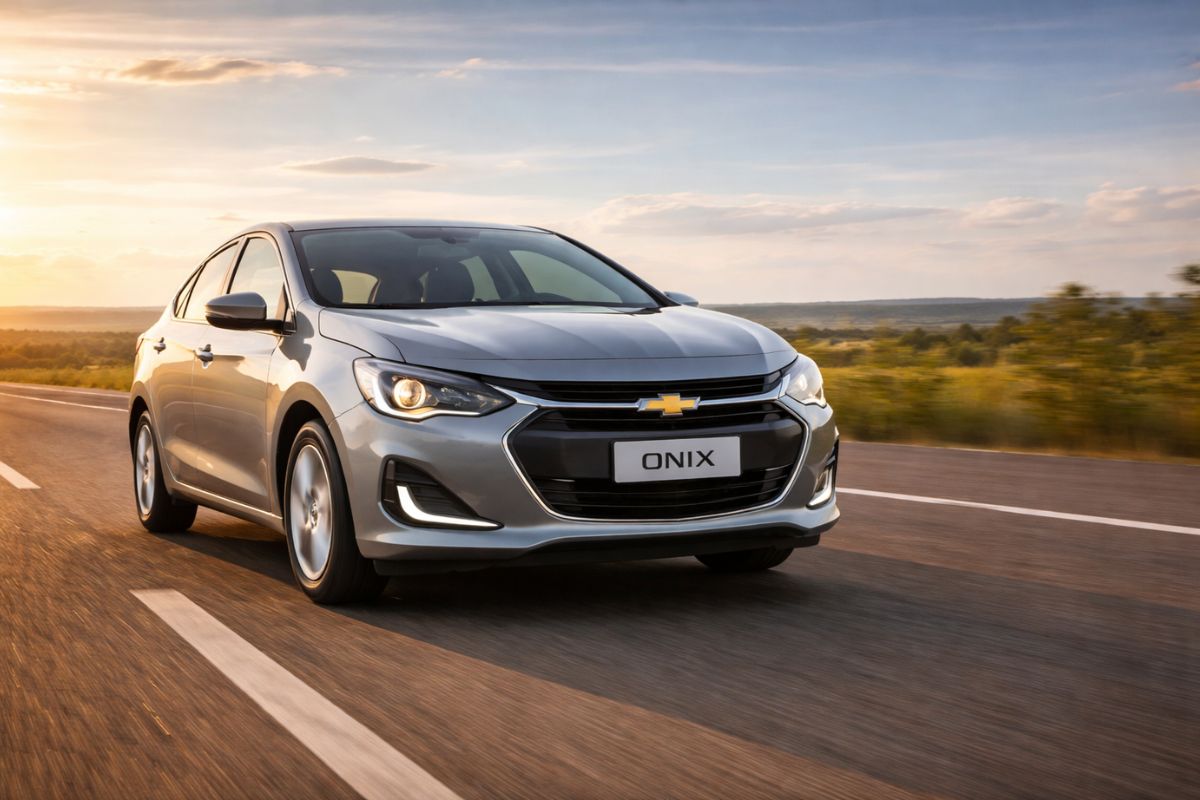
The Chevrolet Onix 1.0 turbo achieves 17.7 km per liter on the highway and ranks among the three most economical cars in Brazil in 2026, alongside two more expensive Toyota hybrids available at dealerships.
-
Little sister of the Hilux: Toyota launches Land Cruiser FJ with 4 radical versions, 2.7 engine with 166 hp and 4×4 traction with locking.

Over the next three years, a FPT F1C Bi-Fuel engine, provided by the Iveco Group, will be tested by the institutions using ethanol, biogas, and green hydrogen separately for operation in Dual-Fuel mode, as well as comparisons in hybrid vehicle applications, generating solid innovation.
Institutions Will Seek Greater Efficiency from the Ethanol, Biogas, and Green Hydrogen-Powered Engine
The project aims to address the reality of Brazilian transporters, with a high-efficiency bi-fuel engine that can be used in light commercial models in the future. The methodology of the Iveco Group’s project consists of developing mathematical models that will be used to predict and characterize the operation behavior of the FPT F1C with ethanol and biogas, assisting in the definition of components and hardware.
Computational analyses will help achieve better air-fuel mixture homogeneity. Stationary calibration activities will also be carried out aiming for greater fuel transformation efficiency. Following that, the Iveco Group’s engine will be tested at MAHLE’s technology center in Jundiaí (SP).
The initiative consolidates the proximity of the Iveco Group with the academic world, which trains the engineers of the future, and reaffirms the brand’s commitment to generating multi-energy solutions, this time with the FPT F1C, a reference in diesel-powered light commercial vehicles worldwide. In total, the initiative involves 15 participants, including students and professionals from FPT Industrial and MAHLE.
Project for the Use of Ethanol, Biogas, and Green Hydrogen Will Meet National Transport Demand
According to Alexandre Xavier, engineering director at FPT Industrial, with ethanol, biogas, and green hydrogen, it will be possible to explore the full potential of the Iveco Group’s energy matrix to achieve zero carbon emissions by 2040.
For UNIFEI, which will soon inaugurate the hydrogen production center at its headquarters in Itajubá (MG), the new partnership closed with FPT represents a uniqueness, as part of the research and development of the Rota 2030 Program.
According to Prof. Dr. Christian Coronado, one of the project coordinators, the engine will meet a demand in Brazilian transport, considering the use of ethanol and biogas, representing the ideal balance in economic, technical, logistical, and environmental aspects, as well as promoting the strengthening of the research network between Scientific and Technological Innovation Institutions (ICTs) and companies.







Seja o primeiro a reagir!