





 English
  Francês
  Alemão
  Italiano
  Japonês
  Norueguês
  Portuguese
  Spanish
 3 min of reading


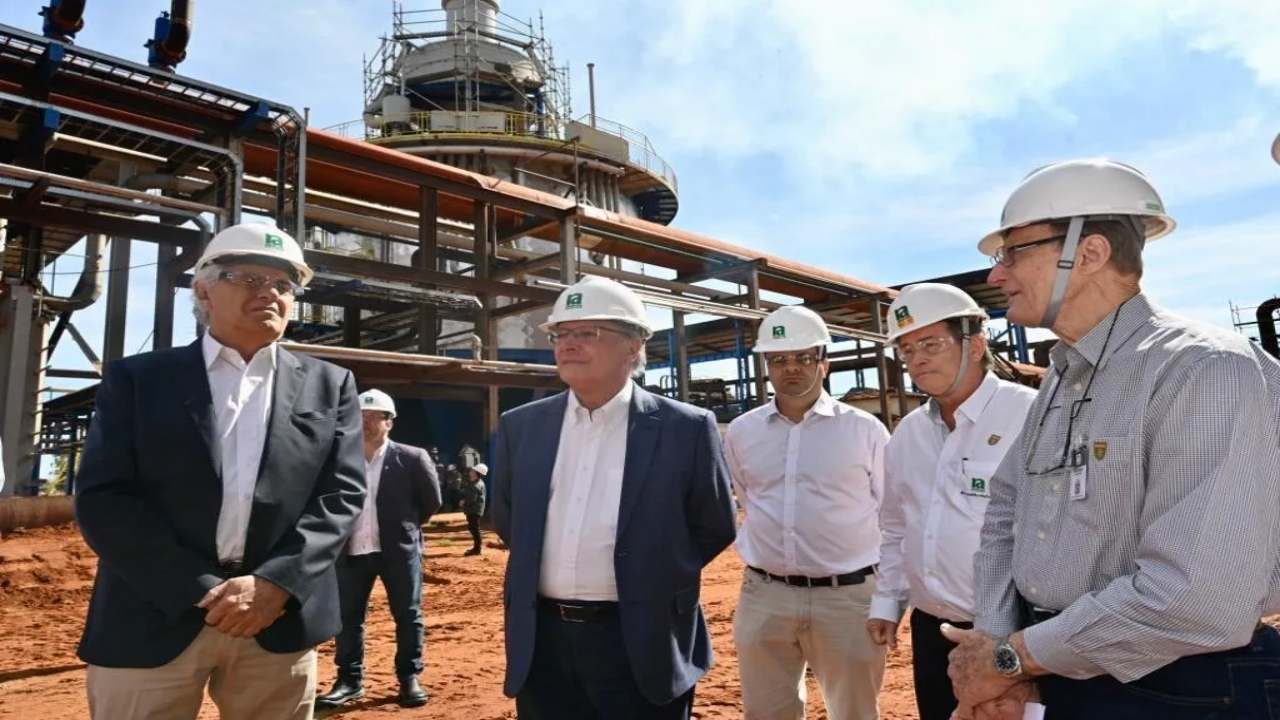
Brazil Is A Global Leader In Ethanol Production And Has The Potential To Further Expand Its Share In The Global Market.
On Saturday, May 12, the city of Aporé in Goiás hosted the inauguration of the much-anticipated Alcohol Plant of the Nardini Agroindustrial group, which is expected to generate about 2,000 direct and indirect jobs in the region. The event featured the esteemed presence of former governor Geraldo Alckmin, who praised the enterprise and highlighted the importance of ethanol from sugarcane for the country.
The plant estimates to crush 900,000 tons of sugarcane in the current harvest and generate 80 million liters of ethanol. The sugarcane bagasse will also be used for electricity generation. According to the company’s president, Riccardo Nardini, the investment amounted to R$ 800 million.
The Alcohol Plant Will Contribute To The Socioeconomic Development Of The Region, Generating Income And Jobs For The Residents.
Governor Alckmin congratulated the initiative and emphasized that ethanol is a clean, renewable, and competitive fuel that brings benefits to the environment and the economy. He stated that Brazil Is A Global Leader In Ethanol Production and has the potential to further expand its share in the global market.
-
With 160,000 m² of collectors, an area larger than 20 football fields, Silkeborg, in Denmark, hosts a solar thermal plant that heats 19,500 homes and could become the largest solar heating plant in the world.

-
A study reveals the expansion of renewable energy procurement in Brazil and shows how companies are taking advantage of opportunities to reduce expenses, ensure energy efficiency, and strengthen strategic environmental commitments.

-
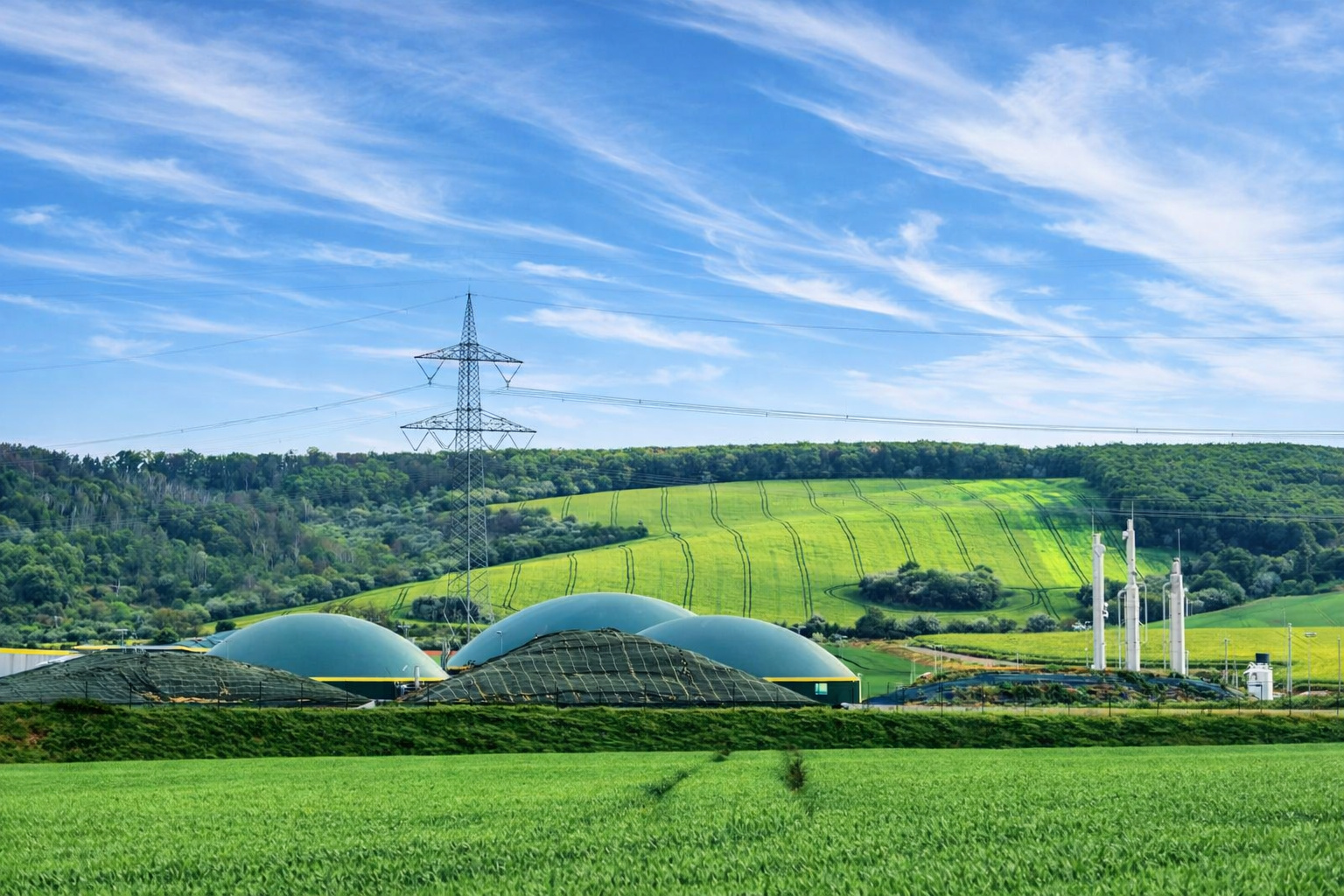
Brazil accelerates decarbonization in the South: International forum in Foz do Iguaçu gathers leaders to discuss the advancement of biomethane in the energy matrix and the potential of “caipira pre-salt.”
-
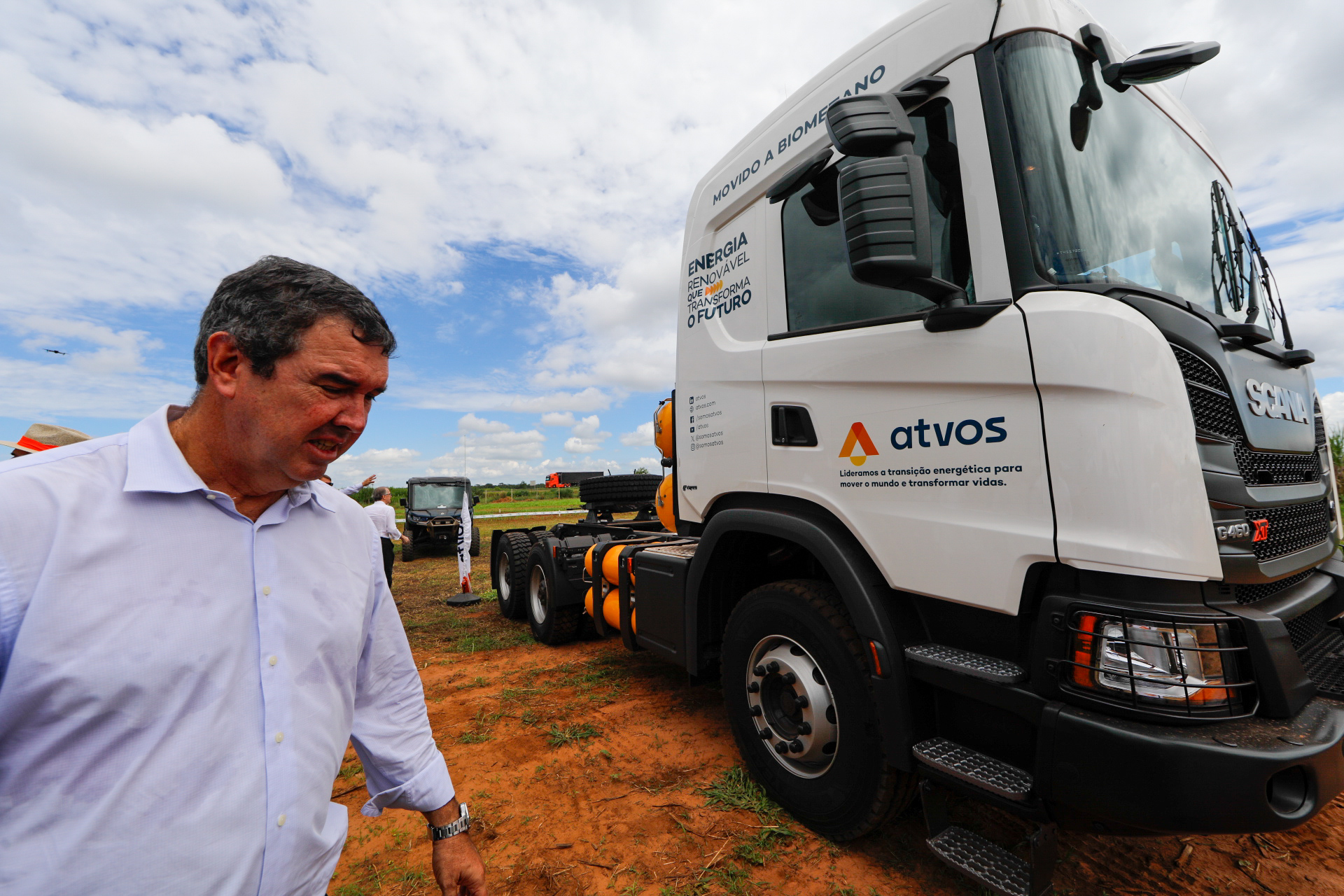
Mato Grosso do Sul excels in the sugar-energy sector: the state reaches a milestone of 22 operating mills and accelerates the production of clean energy in MS with a focus on sustainability.

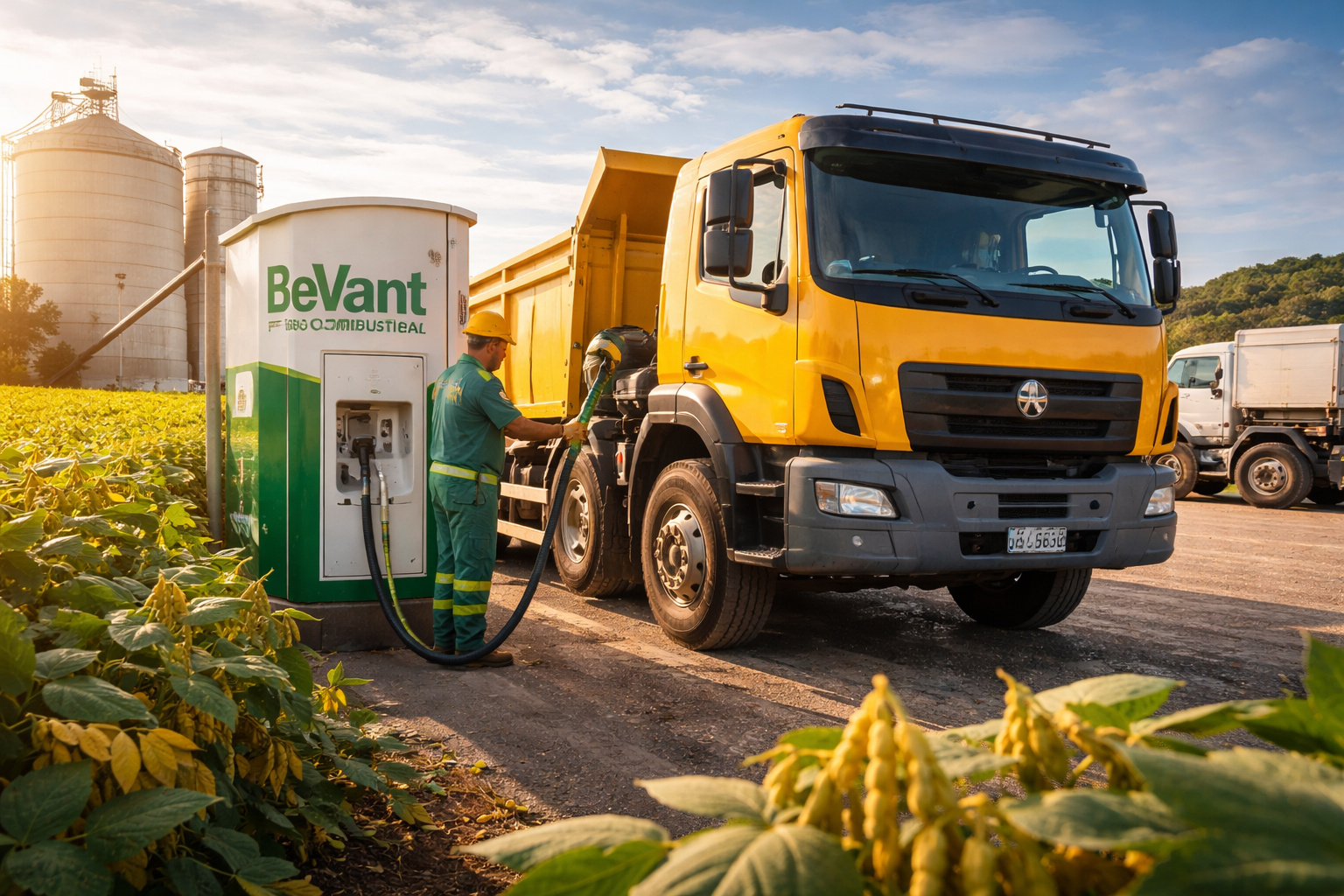
Ethanol is a biofuel produced from sugarcane. Brazil is one of the largest producers of sugarcane in the world and, consequently, a major producer of ethanol. The country accounts for over 30% of global ethanol production, with an installed production capacity of around 30 billion liters per year.
“Ethanol is a great ally in reducing greenhouse gas emissions, combating climate change, and improving air quality in cities. Furthermore, it is a cheap energy source that generates jobs and income in the countryside and the industry. Brazil has a competitive advantage in this sector and can be a major supplier of ethanol to the world”, he said.
Ethanol Production And Export In Brazil
Brazil is the second-largest ethanol producer in the world, only behind the United States. In the 2023/24 harvest, the country is expected to produce around 36 billion liters of ethanol, with 30 billion in the Central-South region and 6 billion in the North-Northeast region.
Brazilian ethanol is primarily produced from sugarcane, but there is also a growing share of corn ethanol, which is expected to account for 16% of national production in 2023/24.
According to a financial report from 2023, Brazil exported about 2.8 billion liters of ethanol, generating revenue of US$ 1.8 billion. The main destinations for exports were the United States, China, and India. The international ethanol market is constantly growing and presents an opportunity for Brazil to expand its exports and generate more jobs.
Raízen: The Largest Ethanol Producer In Brazil
In addition to Bioenergética Aroeira, which was inaugurated last Friday in Aporé, Brazil has other large ethanol plants spread across the national territory.
Among them, Raízen stands out: the largest ethanol producer in the country, with a capacity to produce 2.5 billion liters per year. It is a joint venture between Cosan and Shell and has 26 production units in Brazil.







Seja o primeiro a reagir!