






 Portuguese
  Spanish
  3 min of reading


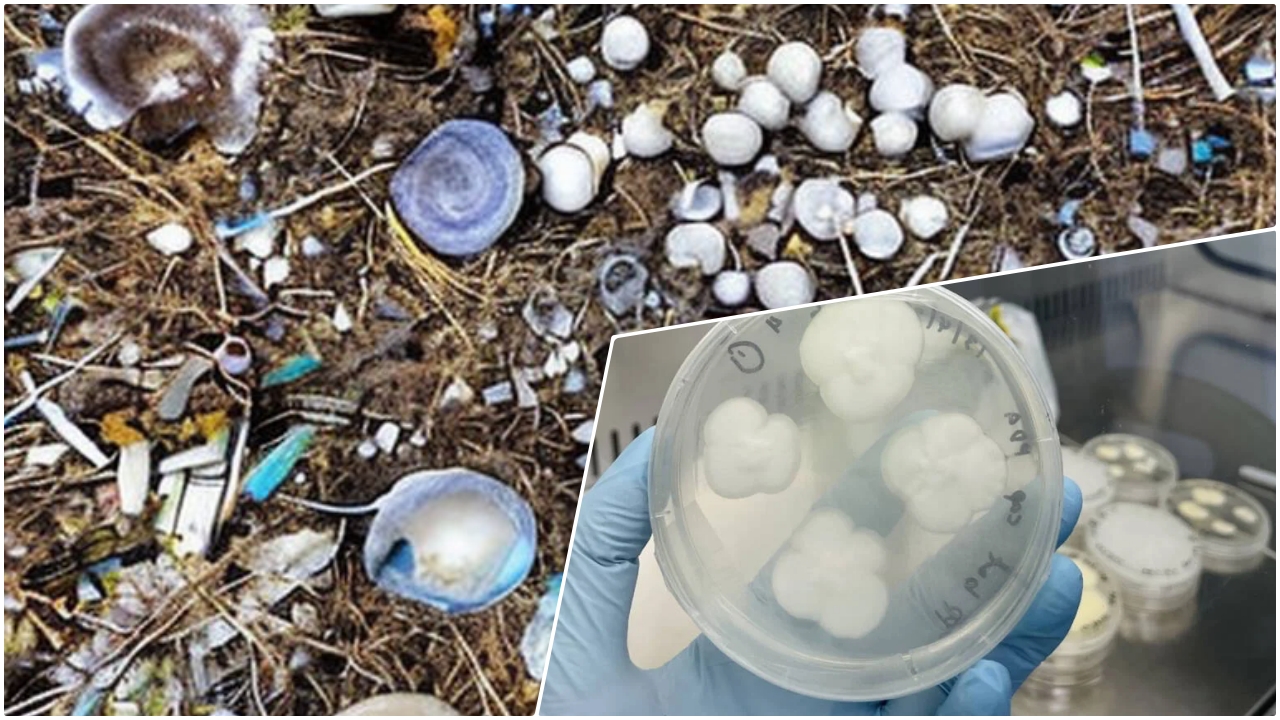
Fungi That Can Save the Planet: How They Decompose Plastics in a Record Time of 140 Days!
In a world constantly seeking sustainable solutions, scientists have been dedicated to uncovering the secrets of nature in search of viable alternatives to tackle one of the major villains of modern pollution: plastic. And it appears they have found a surprising answer in the most unlikely places. Recently, researchers discovered fungi capable of decomposing plastics in an incredible 140 days, setting a new record in the fight against this global issue.
Fungi are remarkable organisms that play a vital role in nature, but this new discovery elevates their status to an even more impressive level. The researchers, led by renowned mycologist Dr. Laura Mendes, conducted a pioneering study that revealed the incredible ability of these fungi to decompose a variety of plastics, including high-density polyethylene (HDPE) and expanded polystyrene (EPS).
“Recent studies suggest that some fungi may even degrade some of the ‘forever chemicals,’ such as PFAS, but the process is slow and not yet well understood,” reveals Dee Carter, microbiologist at the University of Sydney, Australia.
-
Helicopter Drops 180 Tons of Sand and Gravel on Swedish River to Revive Ecosystem Damaged by Decades of Exploitation

-
Brazilian Company Launches Retro Smartphone with 48 MP Camera, T9 Keyboard, and Privacy Features for Social Media-Free Use

-
Self-Taught Chinese Farmer Builds 5-Ton Submarine from Scrap, Launches It in Anhui River
-
Invisible Induction Technology Enables Wireless Power for Blenders, Coffee Makers, and Air Fryers, Reducing Countertop Cables





Plastic-Eating Fungi: A Revolutionary Discovery
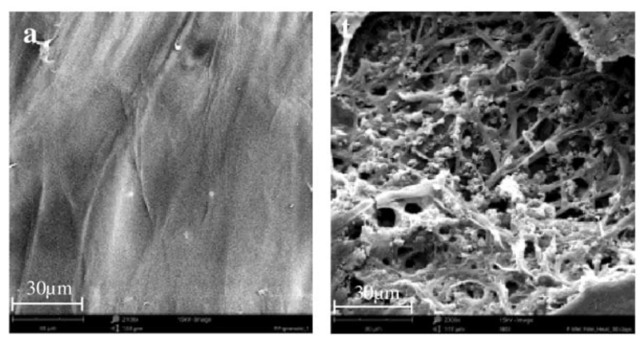
By collecting soil samples from various regions around the world, scientists identified a surprising diversity of fungi capable of decomposing plastics. This discovery may pave the way for innovative solutions in plastic waste management, which currently represents one of the biggest environmental threats.
In controlled experiments, researchers observed the fungi in action, degrading plastics in a record time of just 140 days. Compared to natural decomposition processes, which can take hundreds of years, this new method stands out as a promising and highly efficient alternative.
The scientists are now committed to uncovering the secrets behind this fungal ability. Additional studies revealed that certain enzymes produced by the fungi play a crucial role in the degradation of plastics. Understanding how these enzymes work could enable the creation of more efficient industrial processes for recycling and degrading plastics.
Challenges and Future Applications
This innovative discovery marks a significant advancement in the quest for sustainable solutions to combat plastic pollution. The ability of fungi to degrade plastics in such a short period represents a unique opportunity to confront this global environmental challenge.
With the growing awareness of the damage caused by plastic waste, governments and companies have been seeking alternatives to tackle this issue. The discovery of plastic-decomposing fungi emerges as a promising solution, capable of significantly reducing the negative impact of plastic on the environment.
Moreover, this revolutionary discovery may also open doors to new economic opportunities. The plastic recycling industry is constantly expanding, and with the incorporation of decomposing fungi, we could develop more efficient and profitable processes for recovering and reusing these materials.
However, before this technology can be widely adopted, further studies must be conducted to ensure its safety and efficacy. Scientists are investigating the potential side effects of using these fungi on the environment, as well as the best way to implement this technology on an industrial scale.
Furthermore, it is important to raise public awareness about the importance of reducing the use of disposable plastics and encouraging the adoption of recycling practices. Changing habits and promoting conscious consumption are key components in combating plastic pollution and preserving our planet for future generations.
Promising Technology Offers Hope for a More Sustainable Planet
The discovery of these fungi capable of decomposing plastics in a record time of 140 days is a milestone in the fight against plastic pollution. This promising technology offers hope for a more sustainable future, where we can harness the resources of nature to tackle environmental challenges.
With ongoing investment in research and support from governments and companies, we can transform this discovery into an effective and viable solution for the problem of plastics, protecting our planet and its precious landscapes for generations to come.





Be the first to react!