





 Portuguese
  English
  Spanish
  3 min of reading
  0 comments


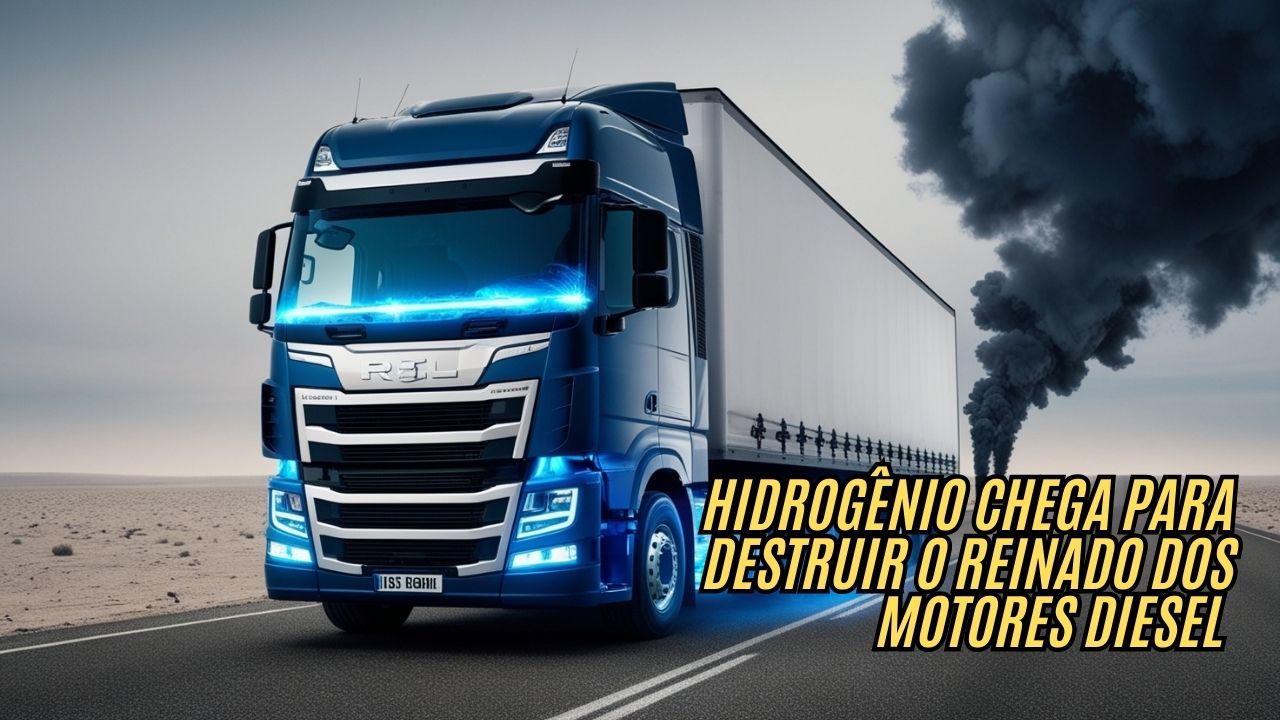
The Belgian Punch Group, known for supplying automatic transmissions to UAZ, is developing an innovative line of hydrogen-powered internal combustion engines based on General Motors diesel engines. The production of this new generation of engines is scheduled to start as early as 2024, marking a significant step in the transition of European commercial vehicles toward more sustainable alternatives.
The use of hydrogen in internal combustion engines emerges as a promising solution to make road freight transport more environmentally friendly. Unlike electric tractors, which require bulky batteries and lengthy charging times, hydrogen engines offer benefits such as a weight similar to diesel, quick refueling, and a range of hundreds of kilometers, even in adverse conditions.
As a result, the European Union has heavily invested in building a robust hydrogen refueling infrastructure. By 2030, stations will be available every 150 km on major European highways, facilitating the transition to this fuel. Startups and major brands like Stellantis and Renault are already betting on the technology, but the Punch Group’s differentiator is adapting traditional diesel engines to run on hydrogen.
Diesel Engines Reinvented for Hydrogen

After acquiring a General Motors development center in Turin, Italy, Punch retained a team of over 700 specialists to lead the project. The focus is on a versatile range of engines with power outputs ranging from 80 to 400 kW (109 to 544 hp).
-
5 cheapest used cars than a Honda CG 160 Titan 0 km, with options starting at R$ 13,000 for those who want to trade their motorcycle for a car and escape the rain, sun, and risks of riding.

-
Around R$ 24,000: 4 used Ford SUVs with up to 253 hp, V6 engine, all-wheel drive, 7 airbags, panoramic sunroof, and a complete package that surprises with its price and performance in Brazil.
-
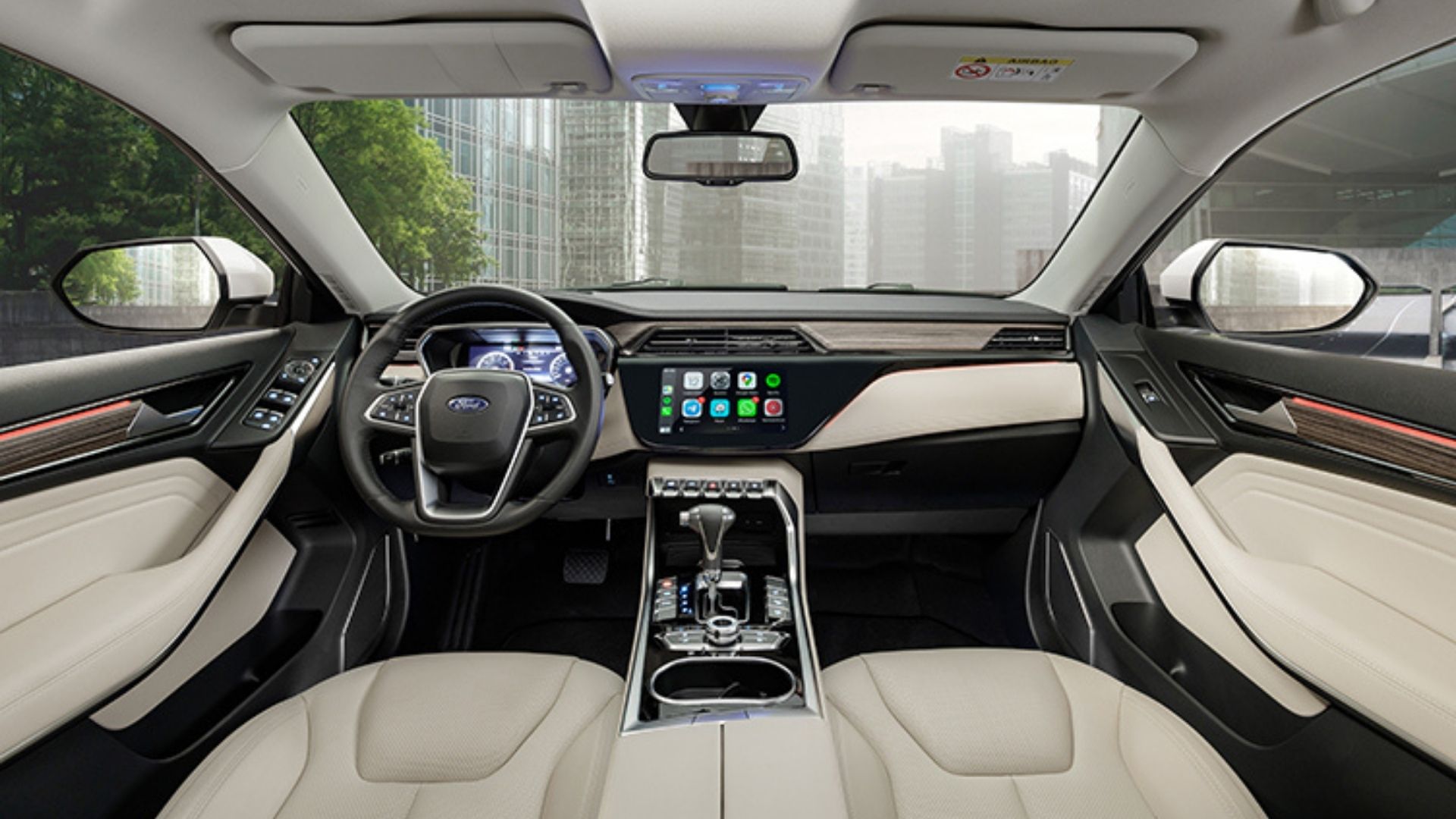
A brand new car starts at around R$ 75,000 in Brazil, but what stands out the most is seeing streets filled with SUVs and expensive sedans in a country where millions remain in debt.

-
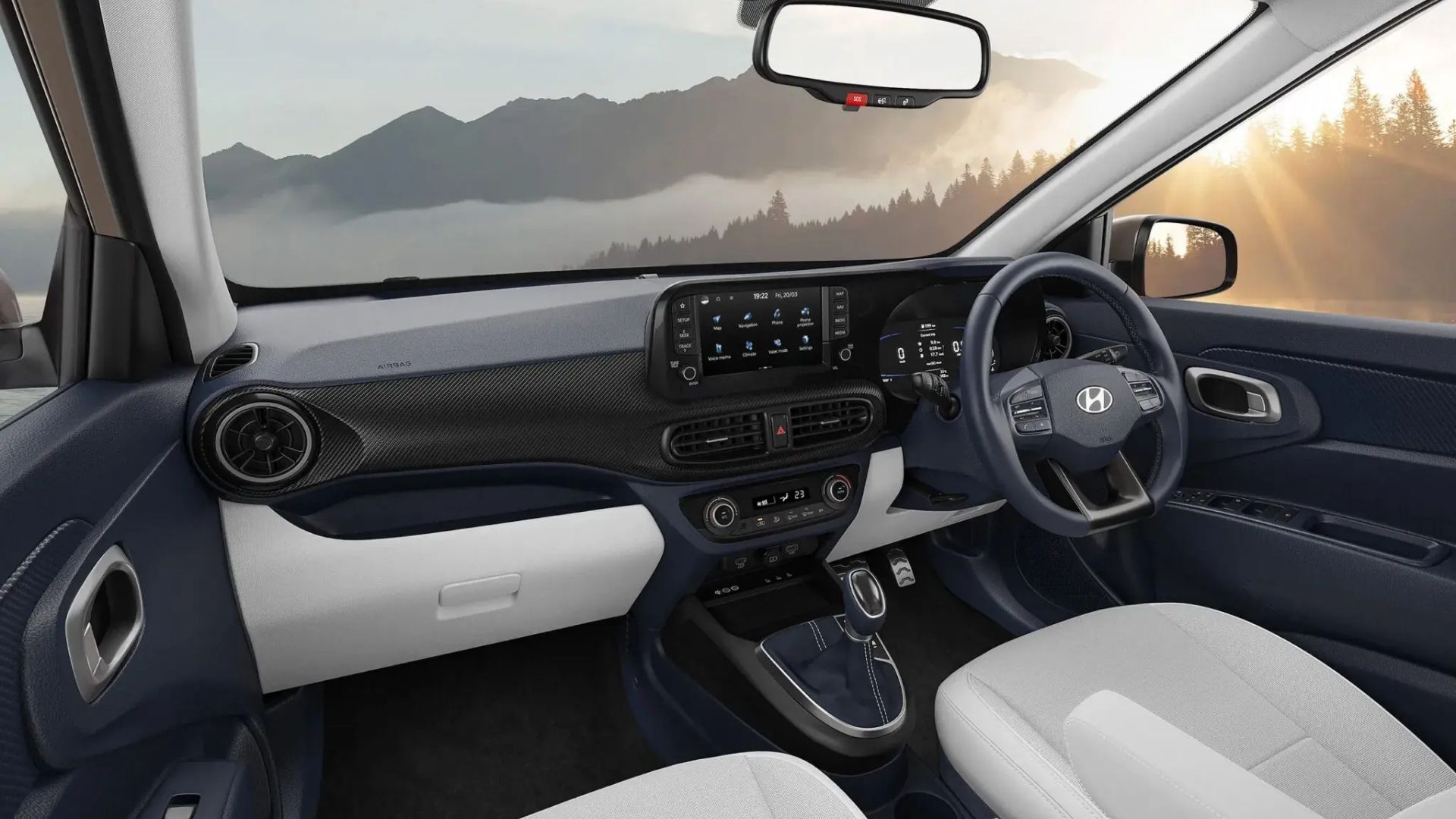
For R$ 32,000, a brand new Hyundai car is a rival to the Kwid with a 1.2 engine producing 82 hp, 6 airbags as standard, multimedia with wireless Android Auto, up to 391 liters in the trunk, and a refreshed look for 2026 in India.

Among the highlights is the conversion of GM’s 6.6-liter V8 Duramax turbo diesel, ideal for large commercial vehicles.
The more compact engines, ranging from 2.0 to 3.0 liters, are also part of the portfolio and will be designed with a modular layout, ensuring efficiency and application flexibility.
This modular approach leverages the robust structure of diesel engines, known for their durability, an essential characteristic for the commercial segment.
Why Diesel Engines as a Base?
Guido Dumari, founder and CEO of Punch Group, explains that the choice of diesel engines as a base for hydrogen conversion is strategic. Their longer lifespan and ability to withstand extreme conditions make them ideal for commercial vehicles.
However, adapting for hydrogen requires technical changes, such as water injection to control combustion and greater resistance of materials to corrosion.
Promising Future and Challenges
Still without a definitive production site, Dumari believes that decommissioned diesel engine factories in Europe could be repurposed, preserving jobs and meeting the region’s environmental demands. Although the initial focus is on commercial vehicles, Punch is also exploring the possibility of adapting passenger cars to hydrogen.
While Toyota has already presented prototypes of hydrogen engines, such as the GR Yaris, Punch Group is moving forward with a clear plan and defined timelines. The expectation is that this initiative will accelerate the presence of hydrogen in the automotive market and position Punch Group as one of the leaders of this transformation.
With the growing demand for sustainable solutions, hydrogen is consolidating as a viable and efficient alternative, especially when combined with the robust engineering of diesel engines. The future of transportation in Europe promises to be cleaner, faster, and more innovative.







Seja o primeiro a reagir!