





 English
  Francês
  Alemão
  Italiano
  Japonês
  Norueguês
  Portuguese
  Spanish
  3 min of reading


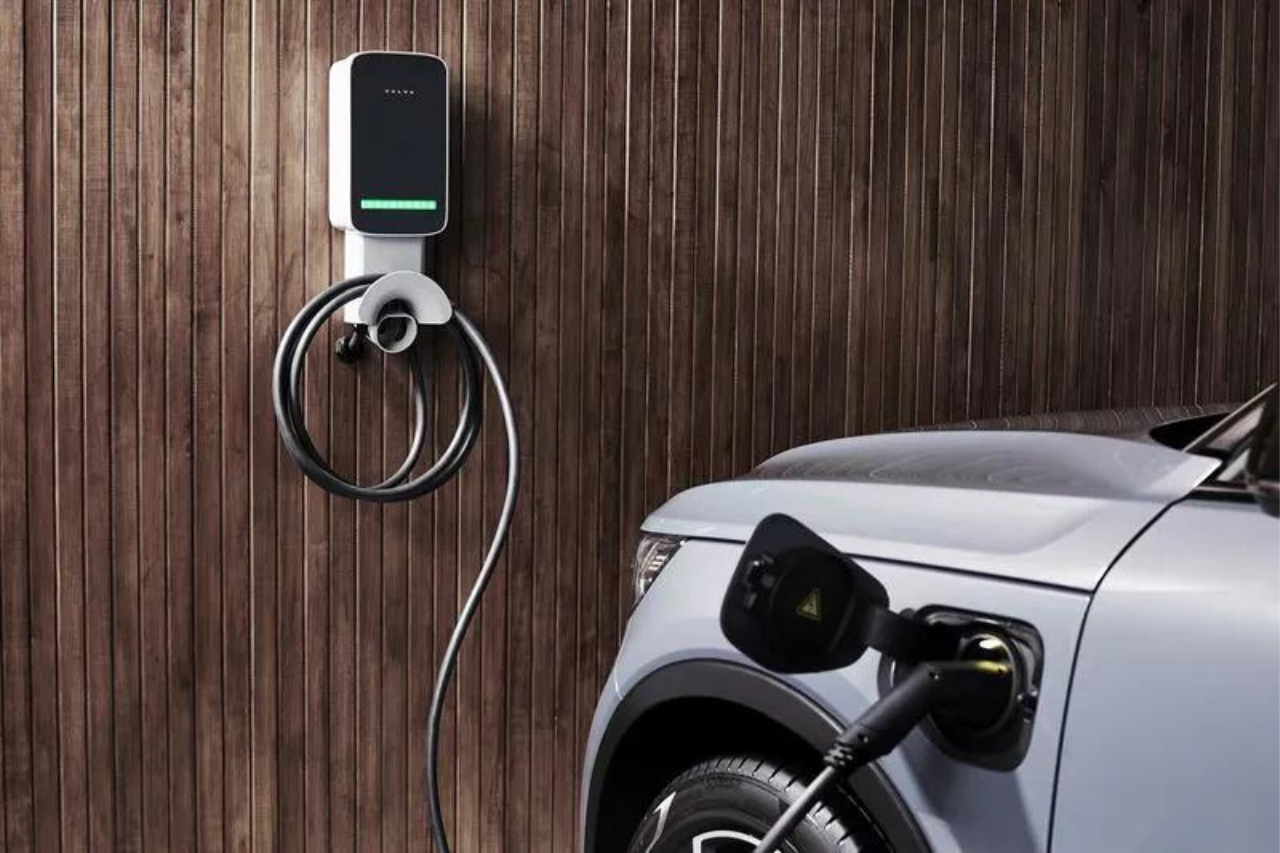
The Metal Used In The Production Of Electric Cars Was Traded At The London Metal Exchange At US$ 101,365 Per Ton. The Price Increase Of Nickel Occurred Due To The War In Russia Against Ukraine
On Tuesday (9), nickel was traded at US$ 101,365, approximately double the historical high that occurred in 2007. The increase in the price of the metal used in electric car batteries occurred due to the war in Russia, which is the third-largest producer of nickel in the world.
Read Also:
- Logistics Of Raw Materials For Global Industries Disrupted By Conflict Between Russia And Ukraine, Could Affect The Electronics Sector
- It Won’t Be Petrobras’ Fault If The Price Of Gasoline Reaches R$ 10 In 2022 If Oil Prices Increase Further During The War Between Russia And Ukraine
- Brazil Could Become Less Dependent On Russian Fertilizers With A Plan Announced By The Ministry Of Agriculture
Despite being related to small coins, nickel is a semiprecious metal, like copper and titanium. At the current quotation, caused by the conflict between Russia and Ukraine, nickel is worth about four times the same weight in copper and ten times in titanium.
Theoretically, the war between Russia and Ukraine would favor the purchase and use of electric cars, as Russia is the largest supplier of gasoline in continental Europe. However, Europe does not approve of dependence on a country with Russia’s foreign policy. Dependence is the reason why sanctions cannot be absolute.
-
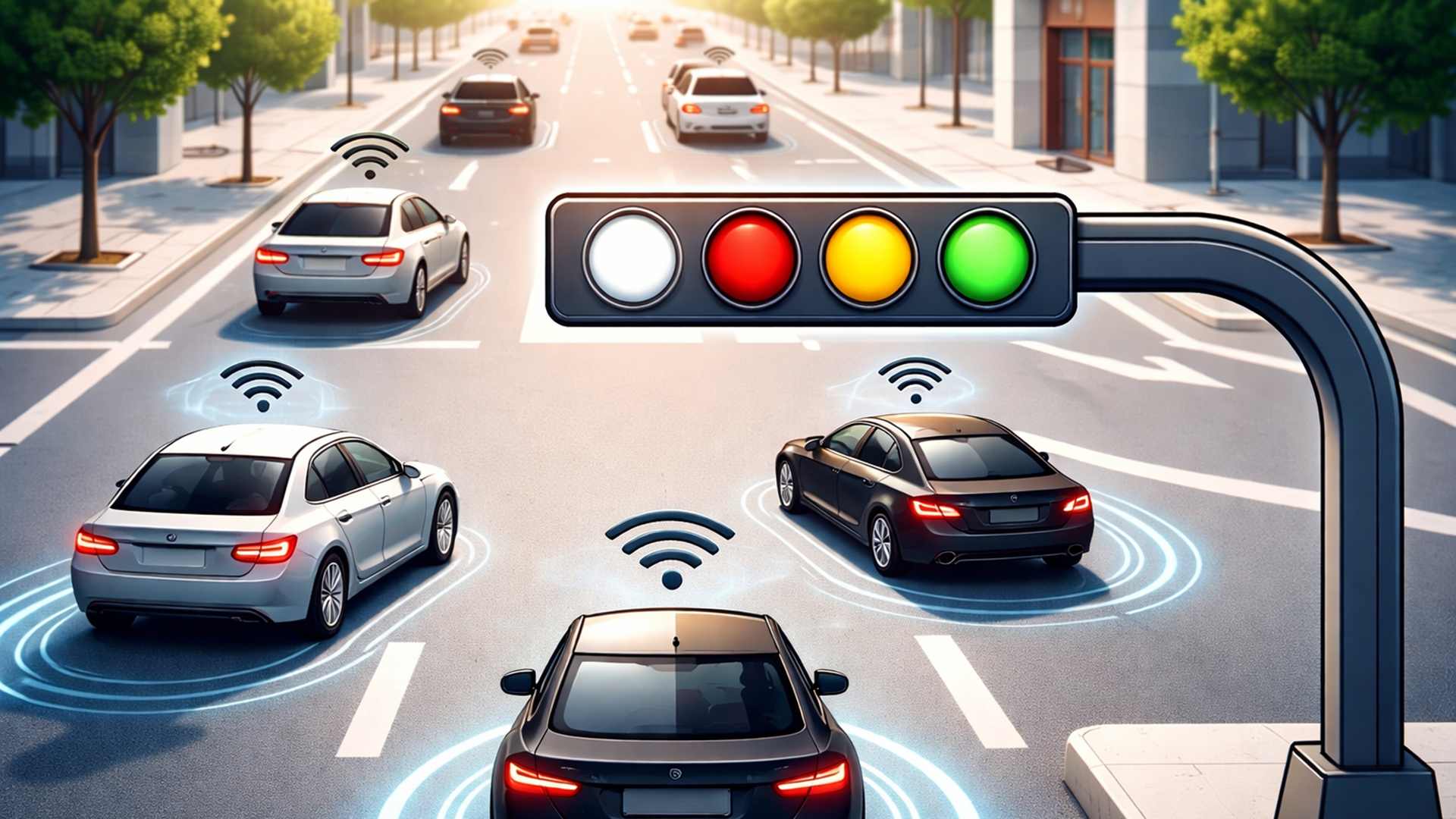
Engineers propose a fourth traffic light for intersections – the change promises to affect crossings, queues, and waiting times.
-
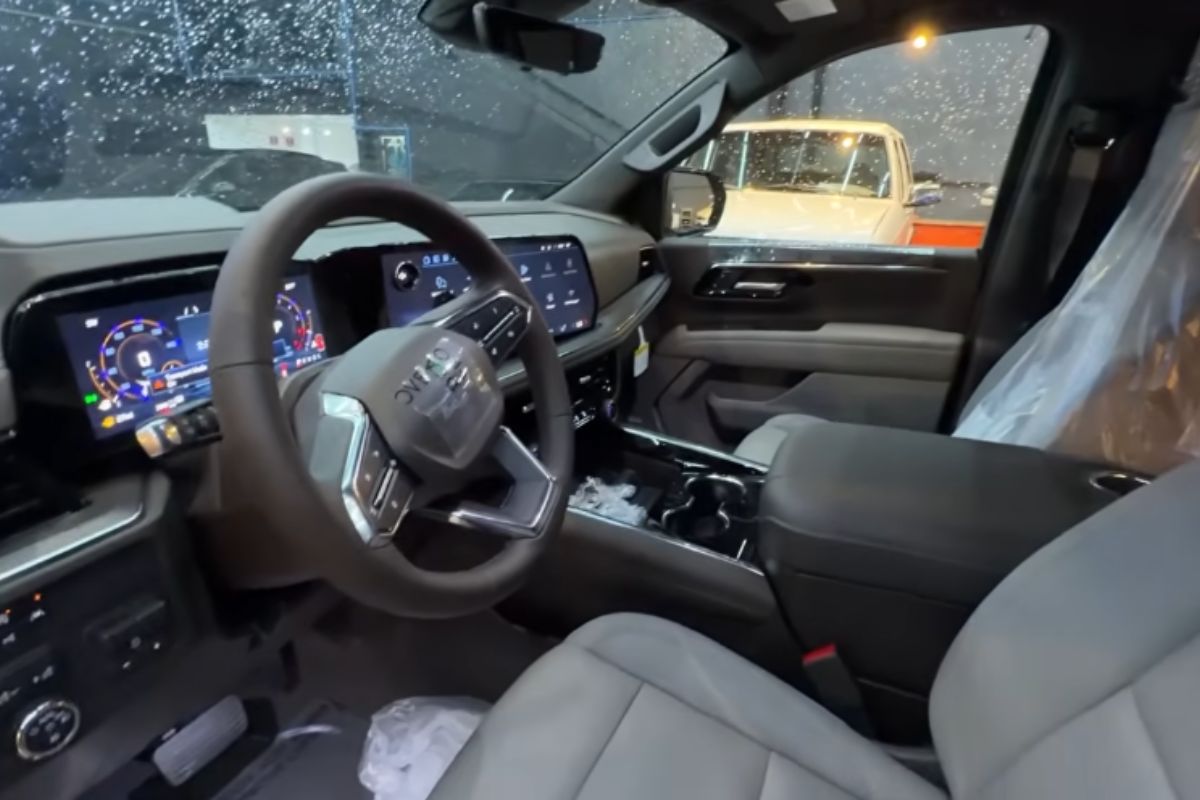
Chevrolet Suburban Z71 lands in Brazil with a V8 engine, off-road design, air suspension, seven seats, and colossal size, a rare version imported for around R$ 1.3 million with luxury and exclusivity.
-
Chinese giant worth nearly R$ 4 billion that manufactures cables for electric cars, solar energy, and robotics wants to open a factory in SC.

-
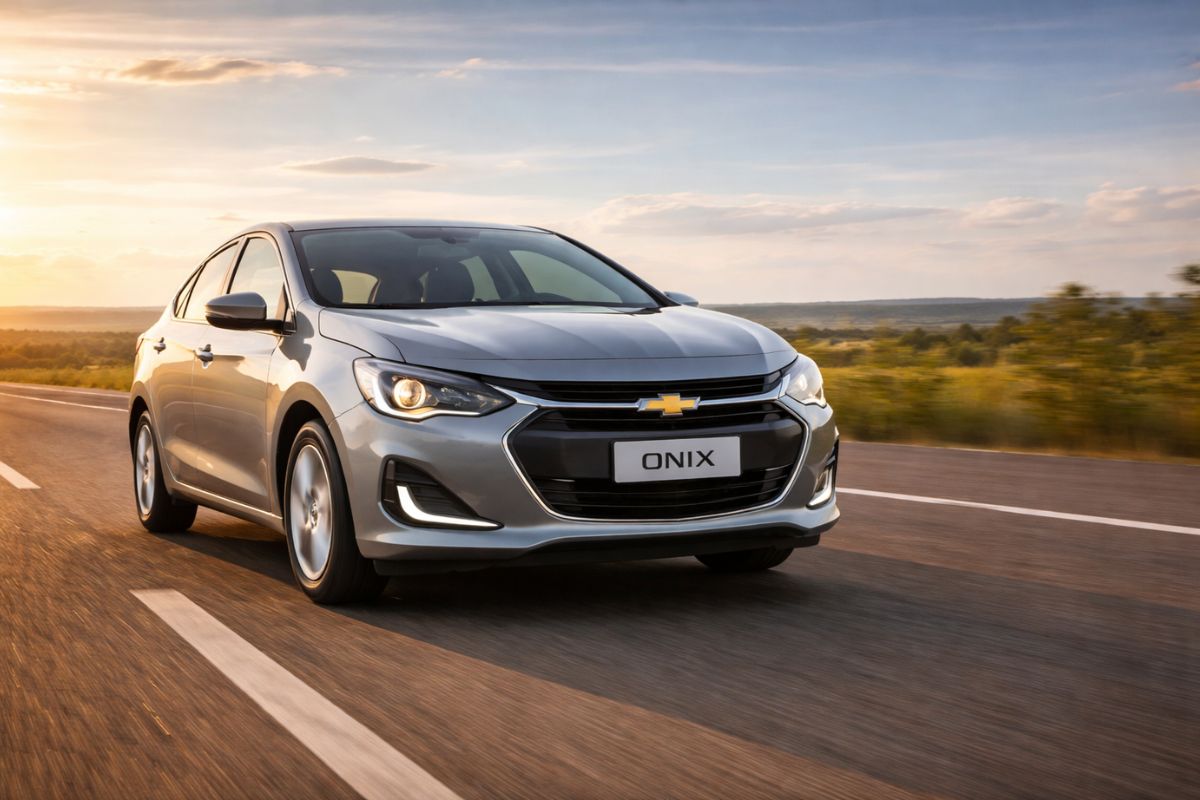
The Chevrolet Onix 1.0 turbo achieves 17.7 km per liter on the highway and ranks among the three most economical cars in Brazil in 2026, alongside two more expensive Toyota hybrids available at dealerships.
The increase in the price of nickel is directly linked to the war between Russia and Ukraine. Russia accounts for 13% of global mining capacity and is the third-largest producer of nickel in the world, which raises concerns that the country may not be able to export the commodity and, consequently, there may be shortages.
Rystad Energy, an energy research company, reported that concerns about interruptions in nickel supply after the war are escalating and inciting extensive nickel purchases.
Nickel is generally used to replace cobalt in the coating of cells in electric cars. Additionally, nickel is used in the production of alloys for magnets, stainless steel, and guitar strings. The increase in the price of nickel would lead to a rise in the cost of producing electric cars. According to a report by the International Energy Agency, a doubling of lithium or nickel prices would induce a 6% increase in battery costs.
Electric car companies generally tend to replace cobalt with nickel, as the mining cost is lower. Tesla, for example, will produce two types of batteries in the future, which will differ by the metal used.
According to Olhar Digital, the entry-level models will use materials produced from iron, while the more sophisticated electric cars will use next-generation 4680 cylindrical cells with a nickel-rich cathode.
Battery Production For Electric Cars In The European Union Could Be Affected
The economic sanctions against Russia were responsible for the increase in the cost of raw materials. According to Rystad Energy, battery manufacturers are increasingly facing difficulties in dealing with rising mineral prices.
The adoption of iron-lithium phosphate-based chemistry is an alternative to nickel in the production of electric cars. Iron-lithium phosphate batteries can be charged to 100% capacity and are less prone to thermal runaway. However, there is a downside: poor performance in colder climates.







Seja o primeiro a reagir!