Portuguese
  Spanish


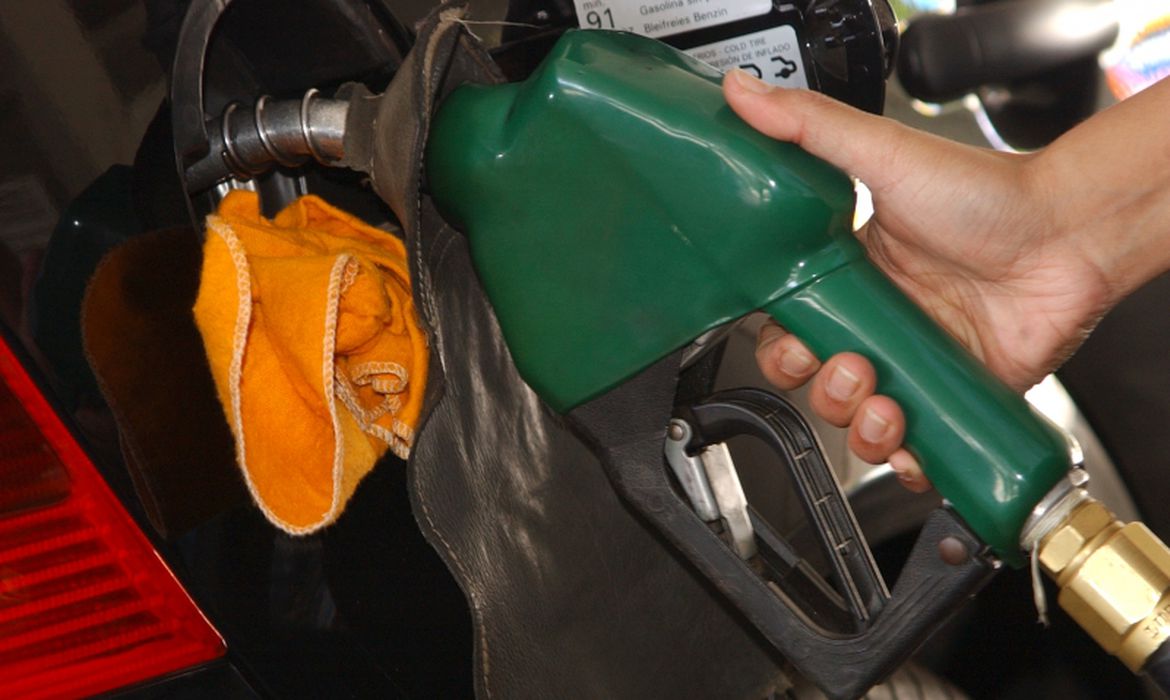



Brent Oil Barrel Price May Exceed USD 180 Due to Eastern European War, Raising Gas Prices to R$ 10 and Diesel to R$ 6.50 in Brazil. This Week, the Price in Real Already Exceeded R$ 700.
The war between Russia and Ukraine is triggering a series of problems for the global economy. The Russians are the third largest suppliers of oil on the planet. However, by invading Ukrainian territory, Russia is facing sanctions from all sides and its distribution logistics are affected, causing the barrel price to exceed USD 110. Since Petrobras bases its fuel pricing policy on the dollar exchange rate, it would not be surprising for gasoline and diesel prices to spike even further.
See Also
- After Russia’s Invasion of Ukraine, the United States Worked with 30 Other Countries to Release 60 Million Barrels of Oil from Reserves Worldwide to Curb Prices and Stabilize the International Market
- What Will Petrobras Do Now That the Price of the Oil Barrel Has Reached USD 110?
Brazilian consumers hoped that gasoline prices would stabilize after recent adjustments. However, the war between Russia and Ukraine caused a surge in the global oil market, which may have direct consequences for fuel stations here in Brazil.
Earlier this week, the Brent type oil barrel reached USD 139 (R$ 703) in international markets. An 18% jump, the highest level since 2008 when the record was USD 147.50. Experts are already pointing to the possibility of prices reaching USD 185 if Russian supplies continue to be affected by sanctions.
-
Half of Brazilians Prefer Lower Taxes with Private Health and Education, While 44% Opt for Higher Taxes for State-Provided Services, Datafolha Survey Reveals

-
Brazil’s Most Expensive Toll Rises to R$ 40.60 on Route from São Paulo to the Coast, Nearly Matching Bus Fare to Santos

-
As Brazil Expands Social Welfare, Survey Reveals 40% Blame Poverty on Laziness, While 58% Cite Lack of Opportunities

-
China Tightens Control on Antimony, Driving Prices from $22,000 to Nearly $40,000 per Ton as U.S. Rushes to Bolster Strategic Reserves




The oil barrel price this Tuesday (08), according to the latest survey from the Click Petróleo e Gás portal, is USD 127.1 (R$ 645.41). A decrease of about USD 12 compared to the morning of Monday (07). The oil barrel contains approximately 159 liters and its price fluctuates continuously in the international market.
Here in Brazil, there is already significant pressure from fuel distributors on the Federal Government and Petrobras to try to prevent another spike in gasoline and diesel prices.
Projections indicate gasoline prices at R$ 10 and diesel at R$ 6.50 in some Brazilian states while Russia and Ukraine remain at war. There is a high risk of inflation doubling the current two-digit rates.
Petrobras has adopted a pricing policy based on dollar parity since 2016. Therefore, at this moment, the state-owned company would already be lagging behind the prices practiced worldwide.
Gasoline Price in Brazil: Thinking About Shareholders vs. Thinking About the Brazilian Consumer
The Brazilian Association of Independent and Free Fuel Resellers (AbriLivre) is closely monitoring the fluctuations in the international oil barrel price.
In an interview with Jovem Pan, the association’s president, Rodrigo Zingales, stated that the government, particularly the more economically liberal faction, needs to understand that this is a peculiar situation.
“It is important, at this moment, to think about Brazil and not about a restricted group of shareholders or even an ideology of liberal politics (…) that fuels prices continue to rise, as this is detrimental to resellers, detrimental to consumers, and detrimental to Brazil as a whole.”
Rodrigo Zingales – President of AbriLivre