





 Português
  Inglês
  Espanhol
  2 min de leitura
  0 comentários



The Conflict In The Middle East Raises Concerns About The Oil Market
The recent escalation of tensions in the Middle East, especially due to Hamas’s attacks on Israel, has attracted international attention and generated significant concerns about the impact on global oil prices. The region, known for being a major oil production hub, now faces a situation that could profoundly alter the dynamics of the global energy market.
Any conflict in the Middle East represents a potential threat to oil supply security. A war involving a major producer like Iran or countries in the Persian Gulf could have even more serious implications for the global oil market, leading to a scenario where no consequence would be positive.
Resilience Of OPEC+ In The Face Of The Conflict
In light of recent production cuts implemented to maintain oil prices at levels desired by OPEC+ (Organization of the Petroleum Exporting Countries and allies led by Russia), the key producers in the group appear more prepared to face shocks compared to previous crises. With oil production reduced to support prices, Saudi Arabia and OPEC+ allies have a considerable technical reserve of oil production capacity, estimated at around 4 million barrels per day (4% of global supply), according to the EIA (US Energy Information Administration).
-
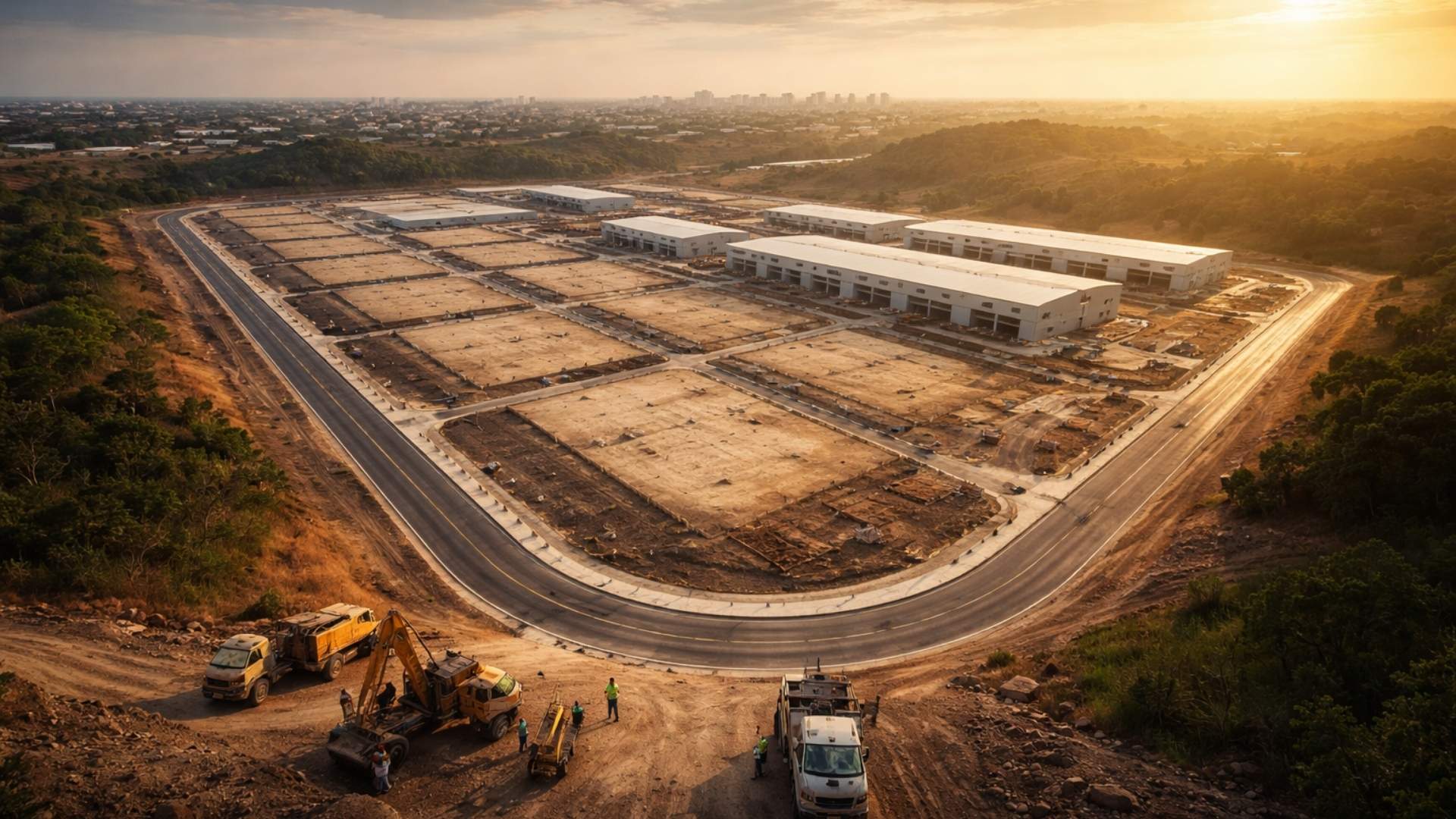
Brazilian city gains industrial hub for 85 companies that is equivalent to 55 football fields.

-
Peugeot and Citroën factory in Argentina cuts production by half and opens a layoff program for more than 2,000 employees after Brazil drastically reduced purchases of Argentine vehicles.

-
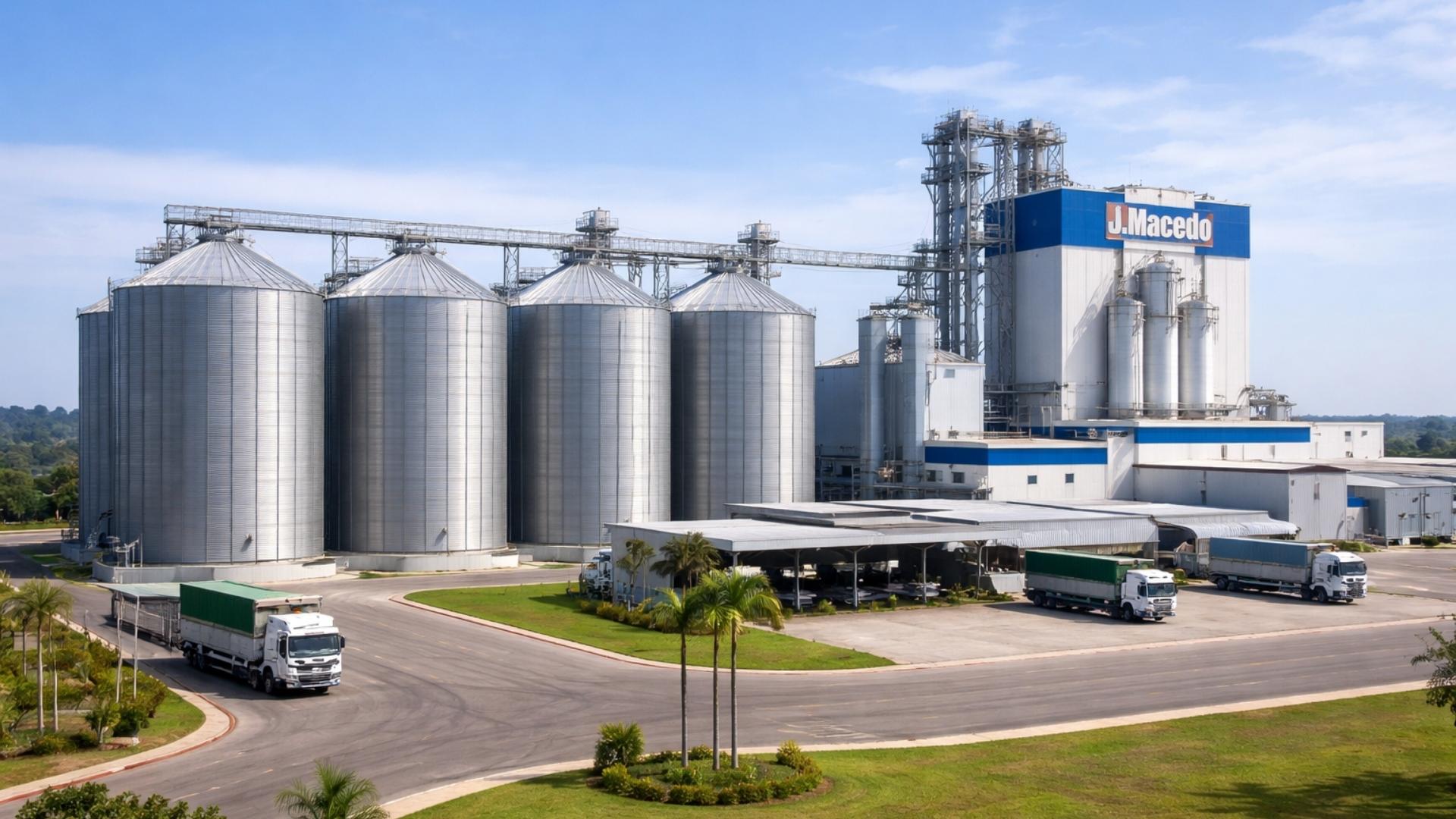
A Brazilian city gains a factory worth R$ 300 million with the capacity to process 200 thousand tons of wheat per year, a mill of 660 tons/day, silos for 42 thousand tons, and an industrial area of 276 thousand m².
-
Havan will leave the shopping mall in Blumenau to inaugurate something that the chain has never done before: a megastore in half-timbered style in the Historic Center of the city, which is expected to be completed in May and change the landscape of local retail.


The Potential Impact Of War And The Situation In Iran
The war could significantly alter supply conditions, depending on the scope and duration of the conflict. Iran’s involvement, controlling the Strait of Hormuz through which about 17 million barrels per day (17% of global demand) flow, is a critical point. Any disruption in this flow could have a dramatic effect on oil markets.
Another relevant factor is the recent change in US policy regarding Venezuela, which could lead to an increase in heavy crude oil exports. However, due to years of underinvestment, the increase in Venezuelan production will be limited, at least in the short term.
Future Prospects And The Role Of Brazil
In this context, the global oil market is expected to remain tense and uncertain. Saudi Arabia and other OPEC+ members are likely to maintain their reduced production quotas at least until the end of the first quarter of 2024. The market anticipates a historic production level of 102 million barrels per day in 2023, with global oil demand increasing by about 1.3 million barrels per day in 2024.
Despite global challenges, Brazil is positioning itself favorably, thanks to its distance from conflict zones and its status as a rising oil exporter. With a wide range
Source: By Felipe Kury.









Seja o primeiro a reagir!