Portuguese
  Spanish




The Conflict In The Middle East Raises Concerns About The Oil Market
The recent escalation of tensions in the Middle East, especially due to Hamas’s attacks on Israel, has attracted international attention and generated significant concerns about the impact on global oil prices. The region, known for being a major oil production hub, now faces a situation that could profoundly alter the dynamics of the global energy market.
Any conflict in the Middle East represents a potential threat to oil supply security. A war involving a major producer like Iran or countries in the Persian Gulf could have even more serious implications for the global oil market, leading to a scenario where no consequence would be positive.
Resilience Of OPEC+ In The Face Of The Conflict
In light of recent production cuts implemented to maintain oil prices at levels desired by OPEC+ (Organization of the Petroleum Exporting Countries and allies led by Russia), the key producers in the group appear more prepared to face shocks compared to previous crises. With oil production reduced to support prices, Saudi Arabia and OPEC+ allies have a considerable technical reserve of oil production capacity, estimated at around 4 million barrels per day (4% of global supply), according to the EIA (US Energy Information Administration).
-
The government was preparing to end a subsidy that costs R$ 1.2 billion per month and accounts for almost 17% of the price of gasoline at refineries, but the war changes the plans, postpones the removal of the benefit, and reignites the alert about a new rise in fuel prices in Brazil.

-
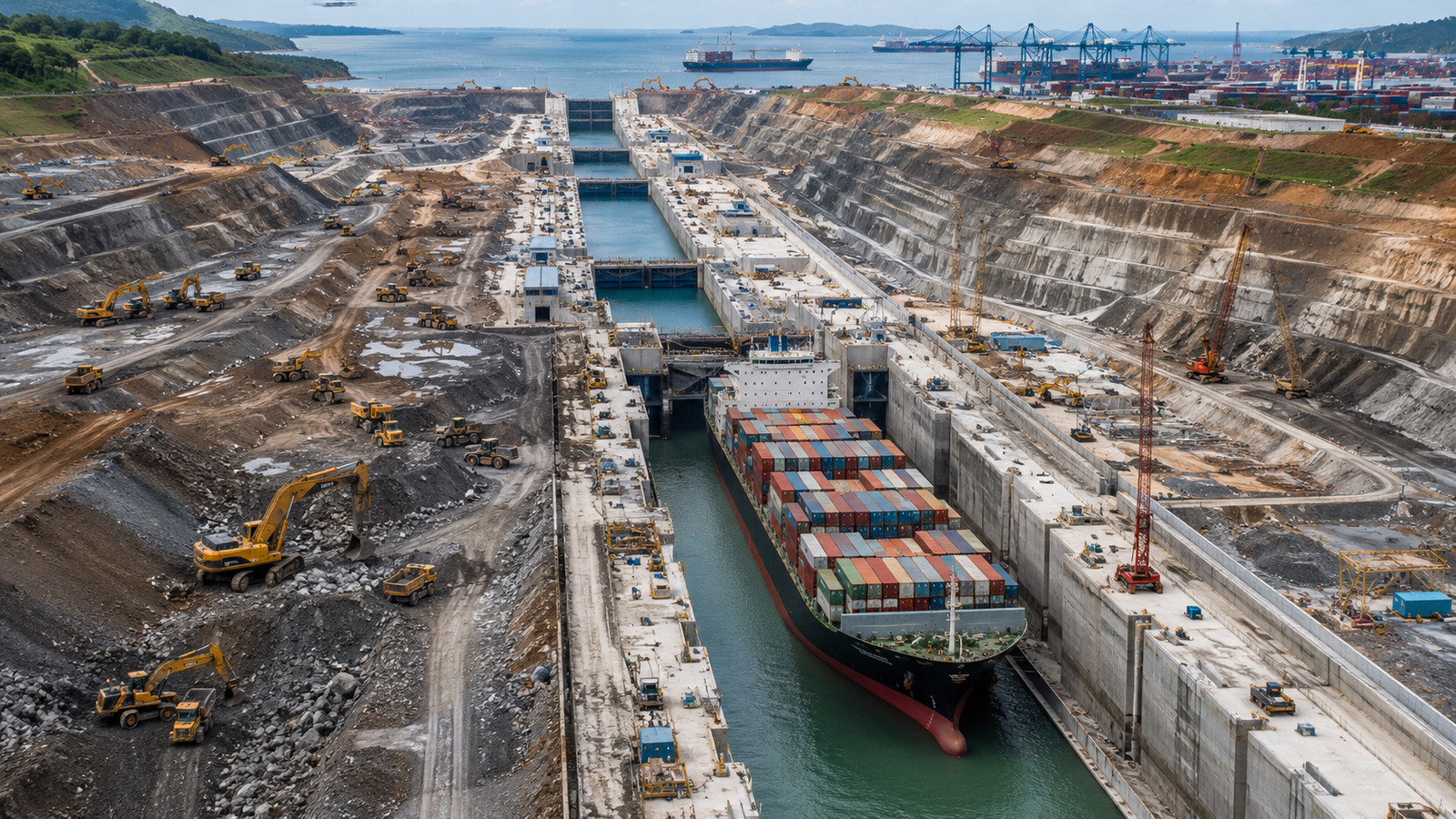
China wants to impress the world once again with a mega canal featuring giant locks, deep waters, and space for the largest ships, in a project aimed at shortening journeys, reducing queues, and rivaling the Panama Canal in global trade.

-
Brazil saved US$ 32.4 billion in 2025 by switching from fossil to renewable energy and only ranked behind China and the United States on the IRENA global podium.
-
A company from SC that moves R$ 125 billion in agribusiness is integrated into an international group, maintains its headquarters and jobs in Chapecó, and is preparing to expand software for cooperatives, grain companies, and industries while targeting new markets without leaving the western region of Santa Catarina.



The Potential Impact Of War And The Situation In Iran
The war could significantly alter supply conditions, depending on the scope and duration of the conflict. Iran’s involvement, controlling the Strait of Hormuz through which about 17 million barrels per day (17% of global demand) flow, is a critical point. Any disruption in this flow could have a dramatic effect on oil markets.
Another relevant factor is the recent change in US policy regarding Venezuela, which could lead to an increase in heavy crude oil exports. However, due to years of underinvestment, the increase in Venezuelan production will be limited, at least in the short term.
Future Prospects And The Role Of Brazil
In this context, the global oil market is expected to remain tense and uncertain. Saudi Arabia and other OPEC+ members are likely to maintain their reduced production quotas at least until the end of the first quarter of 2024. The market anticipates a historic production level of 102 million barrels per day in 2023, with global oil demand increasing by about 1.3 million barrels per day in 2024.
Despite global challenges, Brazil is positioning itself favorably, thanks to its distance from conflict zones and its status as a rising oil exporter. With a wide range
Source: By Felipe Kury.