





 English
  Francês
  Alemão
  Italiano
  Japonês
  Norueguês
  Portuguese
  Spanish
  4 min of reading
  0 comments


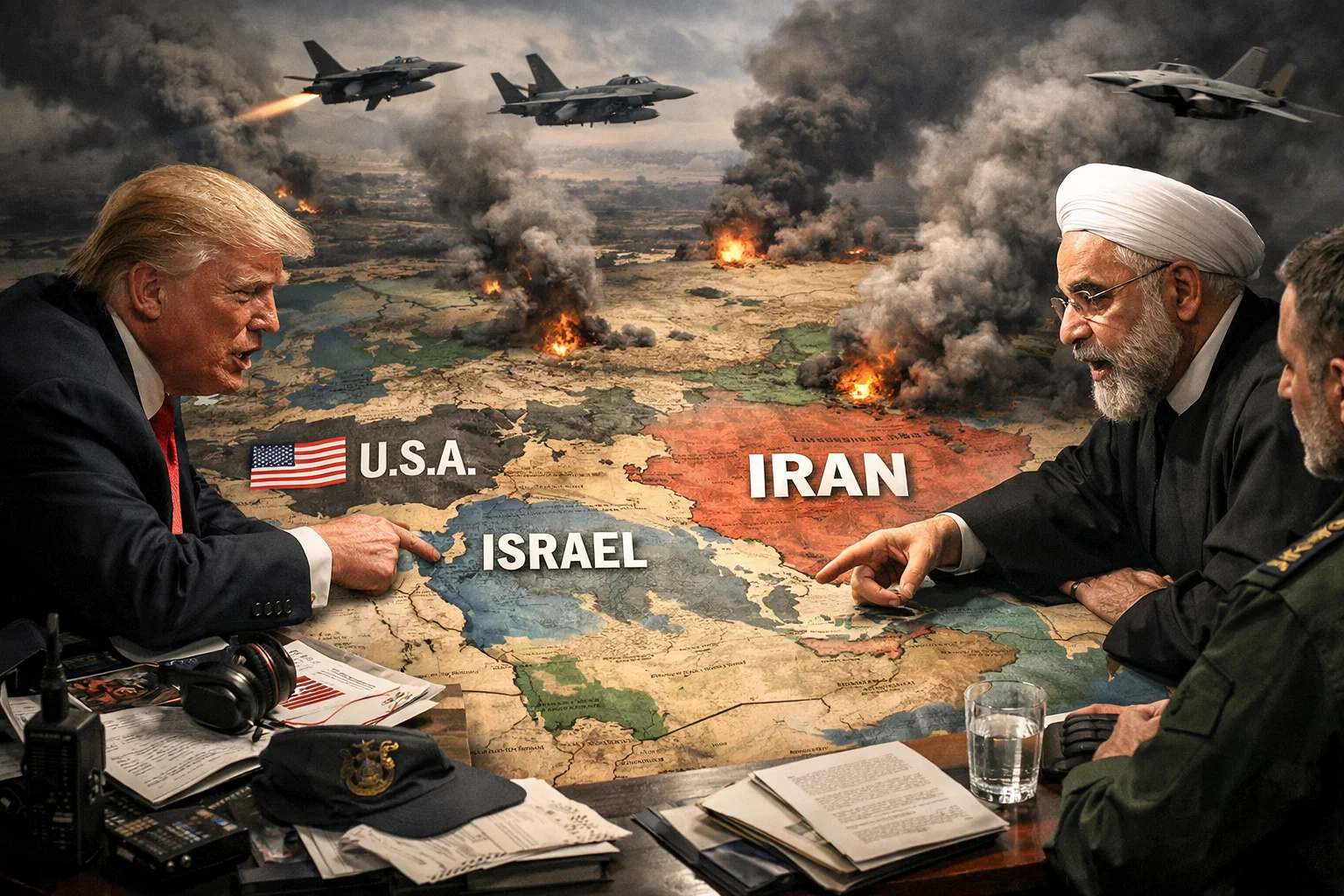
U.S. President’s Statement Indicates Possible Resolution of the Conflict That Began on February 28, While Military Attacks, Deaths, and Regional Tensions Continue to Mark the Geopolitical Scenario
The President of the United States, Donald Trump, stated on Wednesday (11) that the war against Iran may be coming to an end soon. According to him, the forces led by the United States and Israel have already destroyed a large portion of the strategic targets in the Persian country, which would indicate that the conflict is moving towards a final phase.
The information was reported by the portal “Axios”, which published a brief phone interview with the U.S. President. During the conversation, Trump declared that there are few relevant targets left to be attacked and suggested that the outcome of the war might occur in a short period of time.
“Few targets… when I want it to end, it will end,” Trump stated to the portal. He then added that the conflict is progressing more quickly than expected by American authorities.
-
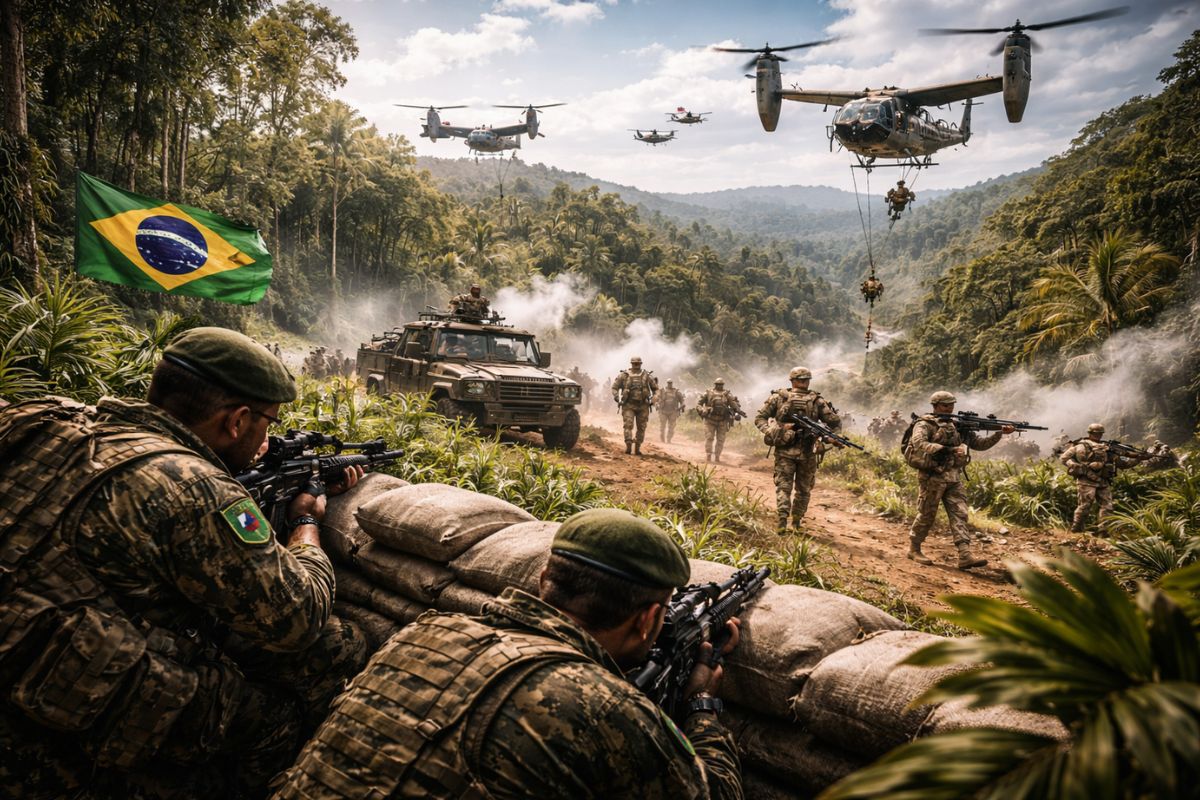
If the USA were to go to war with Brazil, Washington’s greatest fear would not be the attack itself, but facing a vast territory, prolonged resistance, and a costly, chaotic, and unpredictable occupation.
-
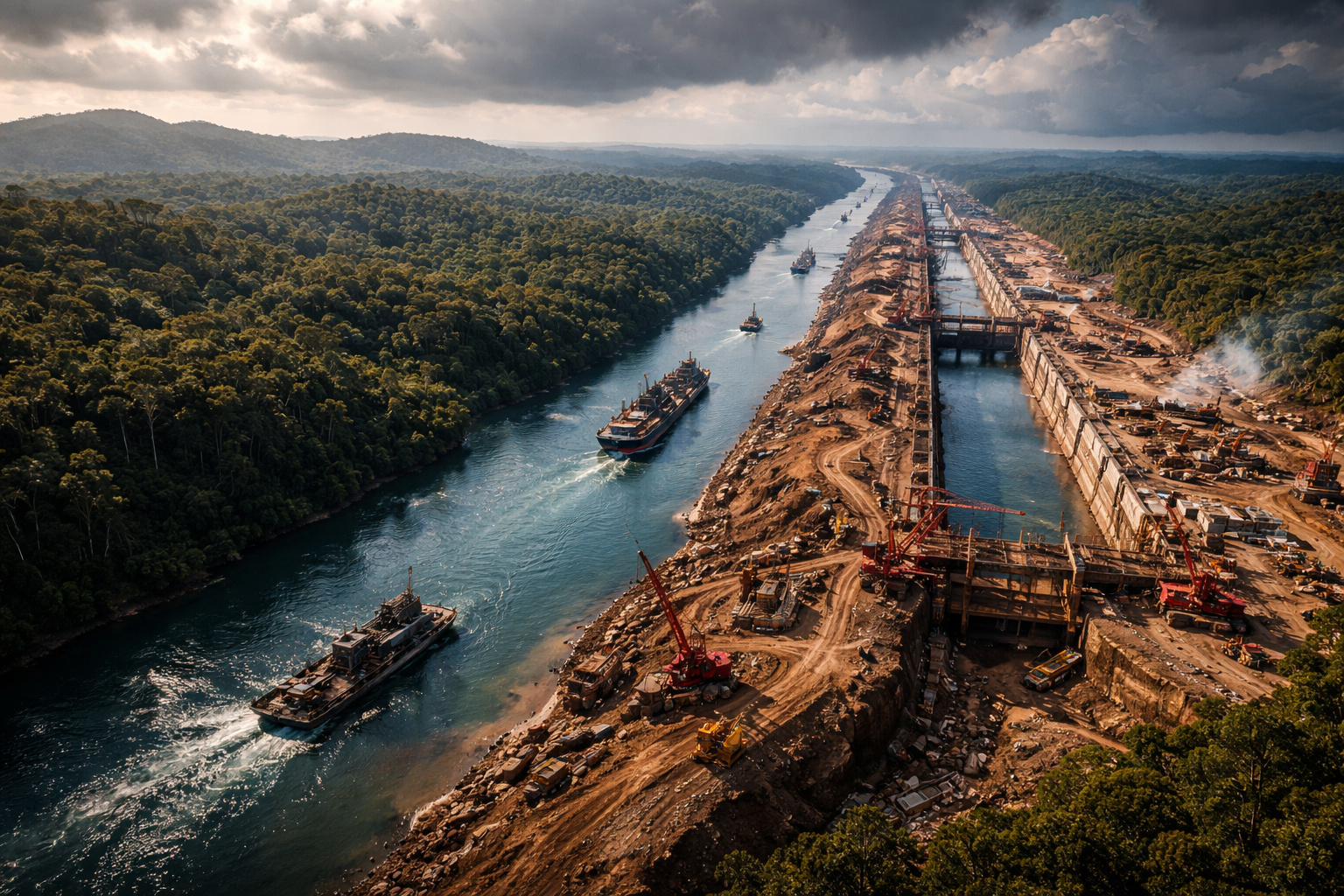
In 2013, Nicaragua sold the concession for a canal to rival Panama to a Chinese billionaire who lost 85% of his fortune, disappeared, and was declared bankrupt. Now the project resurfaces with a new route, a new Chinese partner, and a cost of $64.5 billion.
-
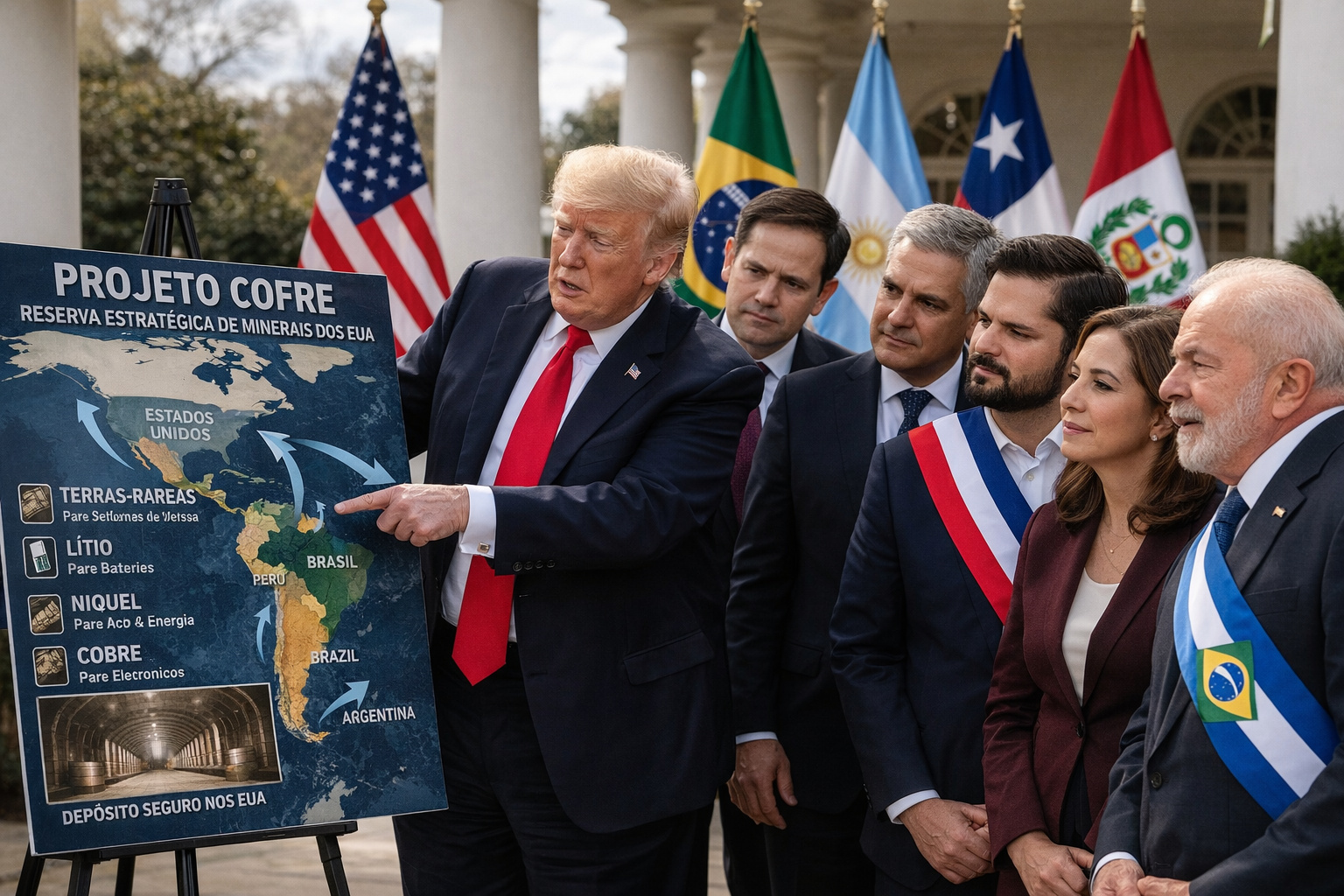
The USA announces a mysterious billion-dollar vault project to store critical minerals, but what intrigues experts is not just the plan itself, but why Latin America, including Brazil, has entered the center of this global dispute against China.
-
Trump Announces Bombing of U.S. Military Targets on Iranian Island Responsible for About 90% of Iran’s Oil Exports, Warns of Further Attacks if Navigation in Strategic Strait of Hormuz Is Threatened
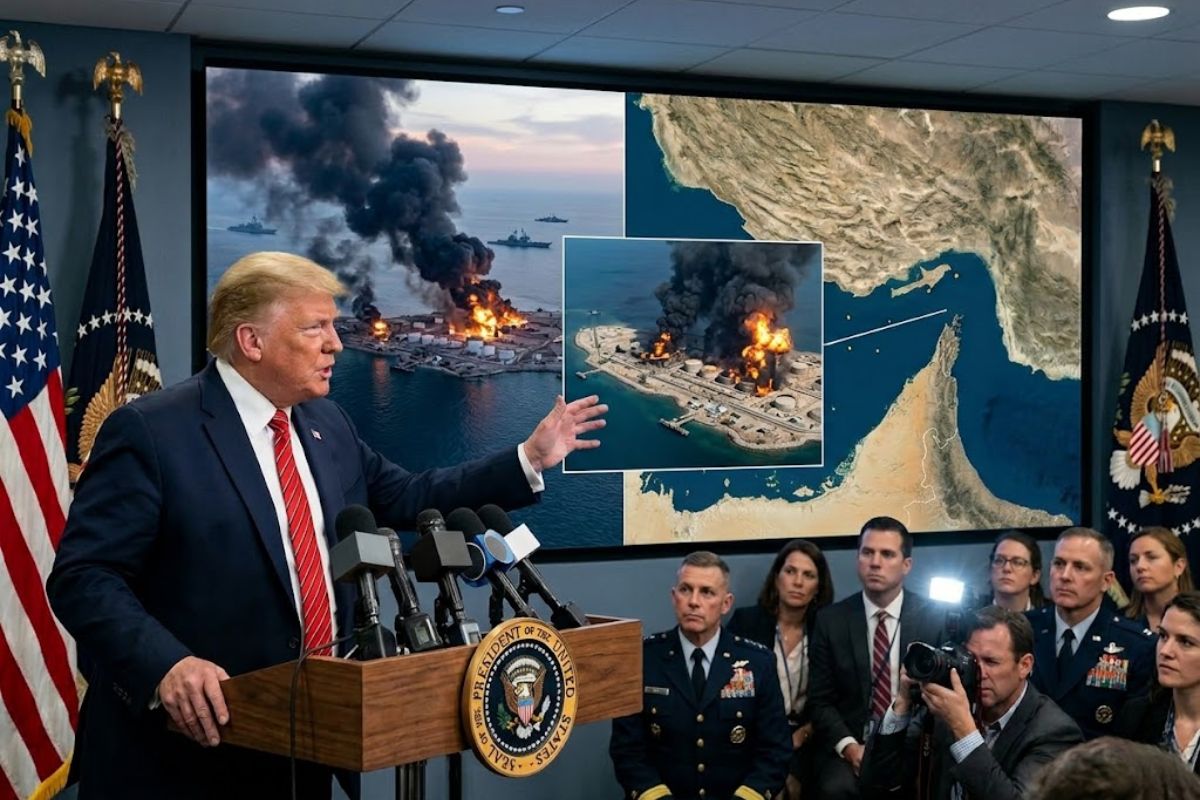

According to the president, the military operation conducted by the United States and its allies is exceeding initial expectations. “The war is going very well. We are well ahead of schedule. We have caused more damage than we thought possible, even in the initial six-week period,” he declared.
How the War Between the United States, Israel, and Iran Began
To understand the current scenario of tension in the Middle East, it is necessary to go back to the beginning of the conflict. The war began on February 28, when a coordinated attack between the United States and Israel struck the Iranian capital, Tehran, resulting in the death of the country’s supreme leader, Ali Khamenei.
The episode marked an unprecedented escalation in regional tensions. In addition to the supreme leader, several high-ranking officials of the Iranian regime were also killed during the military offensives carried out by the two countries.
Meanwhile, American officials stated that the attacks also destroyed dozens of Iranian ships, as well as air defense systems, planes, and other strategic military targets.
Consequently, the geopolitical situation in the Middle East became even more unstable. The military offensive provoked immediate reactions from the Iranian regime, known as the Ayatollahs’ regime, which began launching attacks in different regions of the Middle East.


Iranian Retaliations Expand the Conflict in the Middle East
In response to the offensives led by the United States and Israel, Iran launched attacks against several countries in the region. Among the targets mentioned are the United Arab Emirates, Saudi Arabia, Qatar, Bahrain, Kuwait, Jordan, Iraq, and Oman.
Despite the scope of the military operations, Iranian officials stated that the attacks aim to target only American and Israeli interests located in those countries.
Meanwhile, the humanitarian impact of the war is growing rapidly. According to the Human Rights Activists News Agency, an organization based in the United States, more than 1,200 civilians have died in Iran since the conflict began.
On the other hand, the U.S. government also acknowledged military losses. According to the White House, at least seven U.S. soldiers have died in attacks directly related to Iranian actions.
Furthermore, the conflict has expanded to another critical point in the region. In Lebanon, the armed group Hezbollah, an ally of Iran, carried out attacks against Israeli territory in retaliation for the death of Ali Khamenei.
As a consequence, Israel began conducting air offensives against targets it claims are linked to Hezbollah in Lebanese territory. Since then, hundreds of people have died in Lebanon, further increasing the scale of the crisis.
New Leader of Iran Generates Political Tension and Trump’s Reaction
While the military conflict continues, the political landscape within Iran is also undergoing significant changes. After the death of Ali Khamenei, an Iranian council chose a new supreme leader to govern the country.
The chosen one was Mojtaba Khamenei, the son of the former leader. The decision sparked debate among analysts and international relations experts.
According to these experts, the choice indicates continuity of the current political model of the country, without significant structural changes. This means that Iran’s internal and foreign policy is likely to continue following the same line adopted in recent years.
However, the decision did not please the President of the United States. Donald Trump expressed dissatisfaction with the choice, calling the decision a “huge mistake”.
Moreover, the U.S. president stated that he should have been involved in the political process of selecting the new leader. Trump also declared that Mojtaba Khamenei would be “unacceptable” for Iranian leadership, reinforcing the climate of diplomatic tension between the two countries.
Thus, even with the possibility of a near end to the war, the geopolitical scenario in the Middle East remains clouded with uncertainties. After all, beyond the military clashes, the political and strategic dispute between the involved powers continues to influence the direction of the region.
Source: CNN Brazil




Seja o primeiro a reagir!