





 Portuguese
  English
  Spanish
  3 min of reading
  0 comments


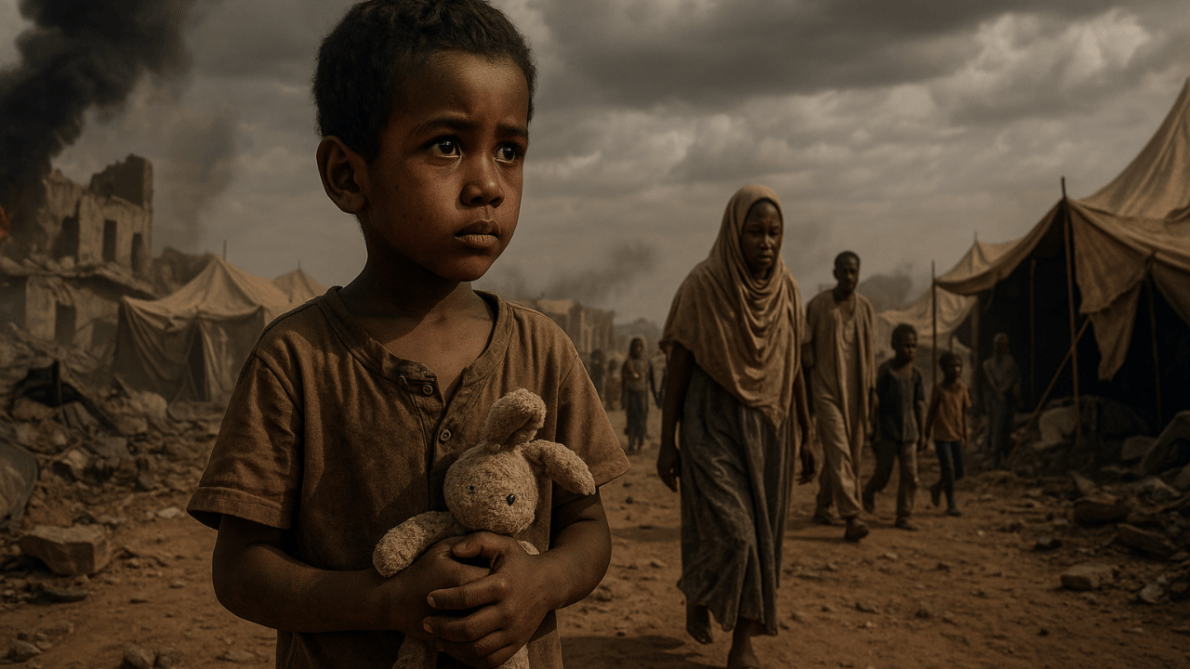
Discover The Impacts Of War In Sudan, The International Intervention, And The Fight For Survival Of The Sudanese People!
On April 15, 2025, Sudan marks two years mired in one of the most brutal and neglected wars of our time. With over 61,000 dead just between Darfur and Khartoum, the armed conflict is not just a local dispute: it is a strategic war financed by external powers, especially the United Arab Emirates (UAE), who act behind the scenes as promoters and beneficiaries of a humanitarian crisis of catastrophic proportions.
The war in Sudan, fueled by geopolitical and economic interests, has become a symbol of a silent genocide in the face of international complicity.
The Rapid Support Forces (RSF) advanced on Khartoum, retaking the presidential palace and strategic points in the Sudanese capital. But behind the direct confrontation between military factions, a network of external support keeps this war alive.
-
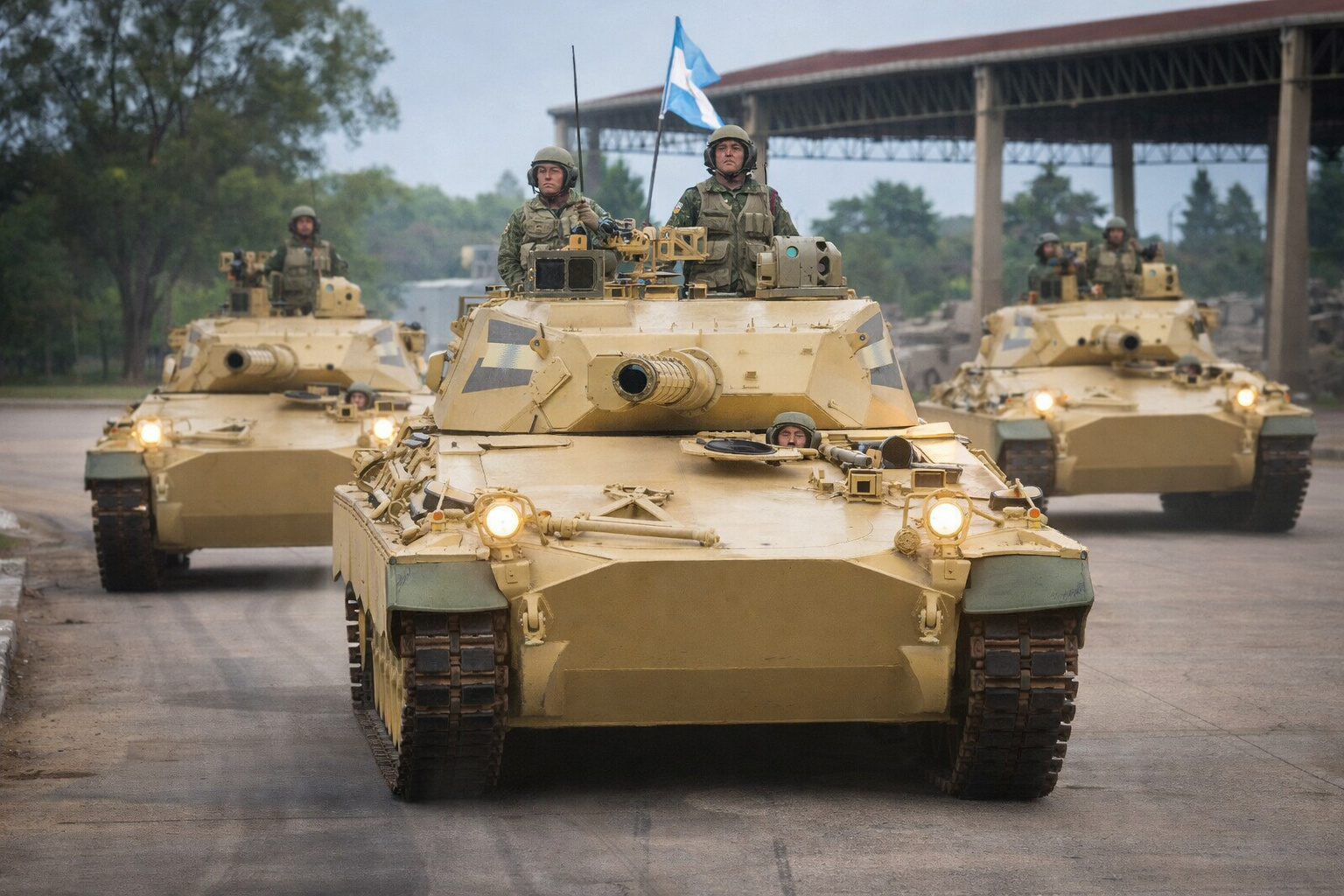
While no other country manufactures tanks in Latin America, Argentina activates the TAM 2C-A2 and raises a curiosity about the technological lag in the region.
-
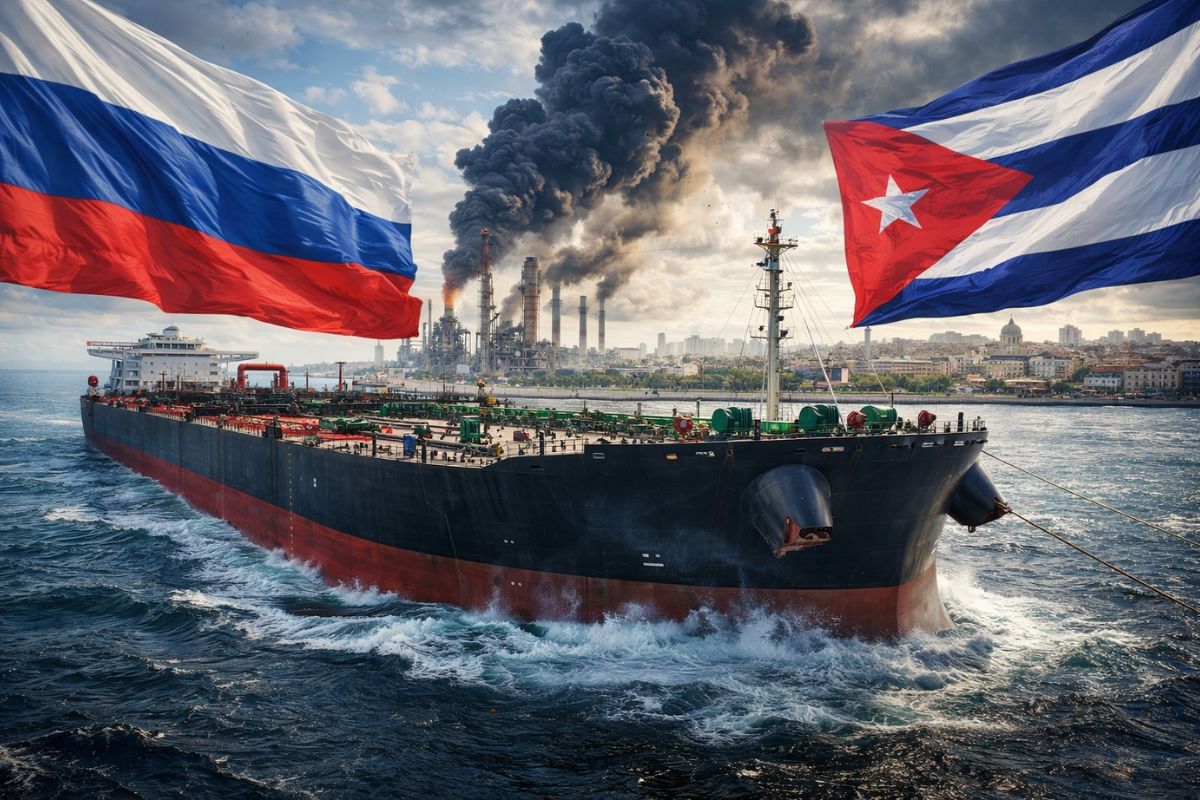
A Russian ship with 730,000 barrels of oil has just arrived in Cuba while Mexico negotiates fuel sales through private companies: the communist island is desperately seeking alternatives after losing its supply from Venezuela due to American military action.
-
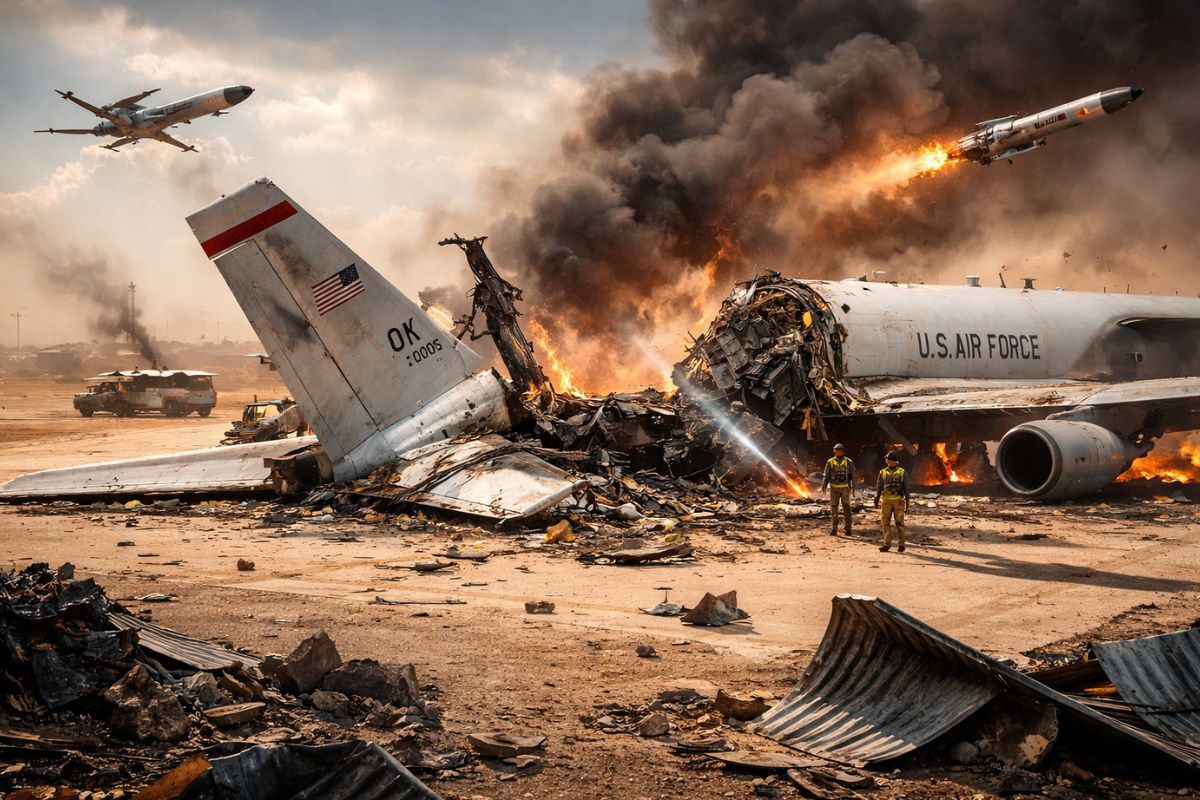
Iranian drones and missiles destroyed a 270 million dollar American spy plane in Saudi Arabia, splitting the E-3 Sentry aircraft in half and injuring 12 military personnel in an attack that exposes the vulnerability of U.S. bases in the Persian Gulf.
-
If the USA were to go to war with Brazil, Washington’s greatest fear would not be the attack itself, but facing a vast territory, prolonged resistance, and a costly, chaotic, and unpredictable occupation.

The Sudanese government formally denounced the United Arab Emirates at the International Court of Justice (ICJ), accusing them of complicity in the genocide of the Masalit people, an indigenous ethnicity from the Darfur region.
The accusation is based on the alleged delivery of weapons and financing to RSF militias, who would be using hunger, rape, and mass executions as instruments of domination. According to the Sudan Research Group at the London School of Hygiene and Tropical Medicine, by November 2024, over 61,000 people lost their lives. Since then, the situation has only worsened.
The deaths occur both in direct confrontations and as a consequence of preventable diseases, food shortages, and forced displacements.
Sudan has become a symbol of modern war fueled by imperialist interests, where human suffering is a bargaining chip for geopolitical influence. The UAE, seeking to establish itself as a regional power in Africa, utilizes Sudanese territory as a strategic point.
With vast reserves of gold, diamonds, fertile land, and access to the Red Sea, Sudan becomes a key piece for Abu Dhabi’s expansionist plans. This movement follows the same logic as U.S. military alliances with Israel in the Middle East, where Gulf monarchies operate as intermediaries for Western interests.
The UAE’s involvement in the Yemen war, alongside Saudi Arabia, had already highlighted this stance: over 150,000 dead in a decade, according to official estimates. A UN report in 2021 warned that this number could exceed 1.3 million by 2030 if conflicts continue.
The tactic is similar: economic blockade, systematic attacks, and the use of food as a weapon of war. In Sudan, this strategy is replicated with the approval of foreign capital.
Selective Silence And Global Complicity
While Gaza receives timid and politically shaped coverage, Sudan is barely mentioned in the highlights of international diplomacy.
In 2024, during a special UN session dedicated to genocide victims, there was no mention of the Sudanese humanitarian crisis.
This absence of recognition reveals the pattern of selectivity in international condemnations, which rarely confront the interests of major powers or their wealthy allies.
The war in Sudan, much like the massacre in Gaza, is being conducted with the complacency of international institutions, which avoid confronting the countries involved in the name of trade alliances, defense agreements, and strategic investments.
War As An Instrument Of Looting
The presence of the United Arab Emirates in the Sudanese landscape is part of a long-standing strategy. Companies linked to the monarchy exploit gold mines in the country and maintain contracts with mercenaries and local militias.
The war thus transforms into a highly lucrative business model, under the guise of regional stabilization.
Meanwhile, millions of Sudanese face hunger, displacement, and the total loss of their homes and families.
International organizations, major Western powers, and multinational corporations share responsibility for the catastrophe by ignoring warnings about the worsening situation.
The war in Sudan is not just an armed clash — it is a looting operation conducted with geopolitical precision.








Seja o primeiro a reagir!