





 Portuguese
  English
  Spanish
  2 min of reading
  0 comments


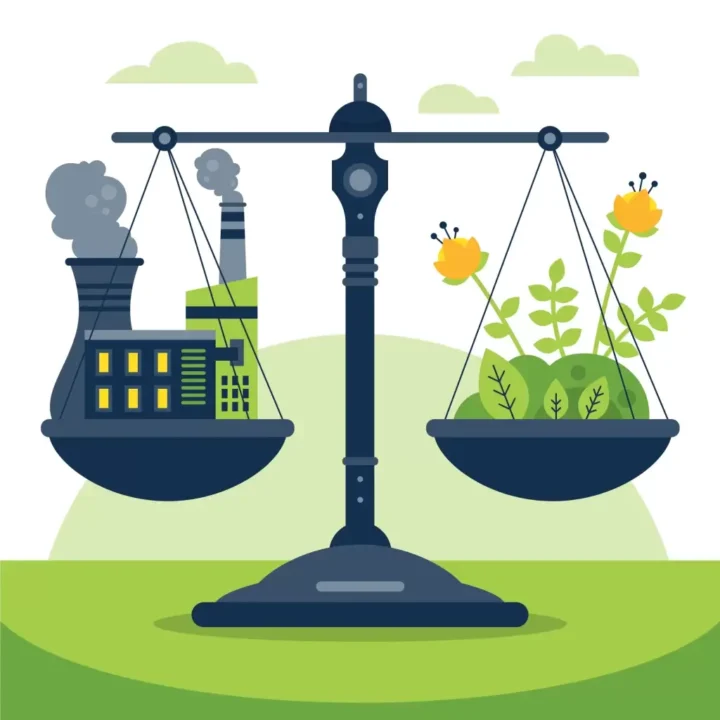
How Brazilian Organizations Can Benefit from a Carbon-Neutral Future?
Within the Brazilian landscape, a promising innovation stands out. Recently, the Senate’s Environment Commission approved Bill No. 412/2022, signaling a turnaround in Brazil’s environmental and economic scenario.
The Carbon market, now on the verge of regulation in the country, carries a promising estimate: a potential to move up to US$ 100 billion, as indicated by the International Chamber of Commerce (ICC Brazil). In addition to offering an economic incentive, this market aims to achieve emissions neutrality of greenhouse gases by 2050, challenging companies to become greener and more eco-conscious.
Starting in the Carbon Market
For companies eager to be part of this new horizon, the starting point is examining their emissions report. With this data in hand, organizations can outline strategic plans aimed at reducing their emissions. This action, besides being beneficial for the environment, allows the generation of carbon credits ready to be traded.
-
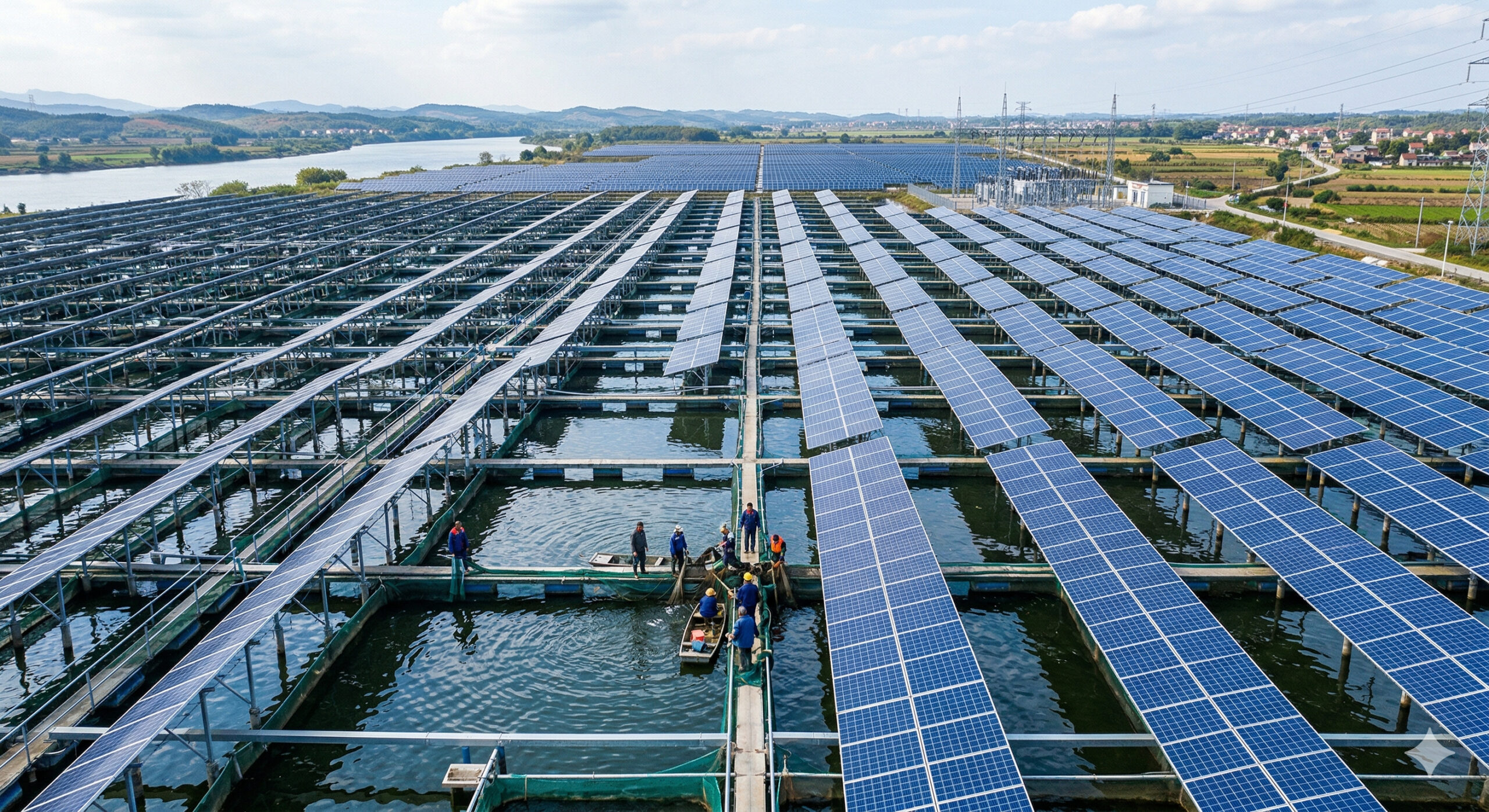
China bets on the Fishery-PV model and transforms fish farms into giant solar plants, covering ponds with panels that generate energy while utilizing the same space for large-scale aquaculture production.
-
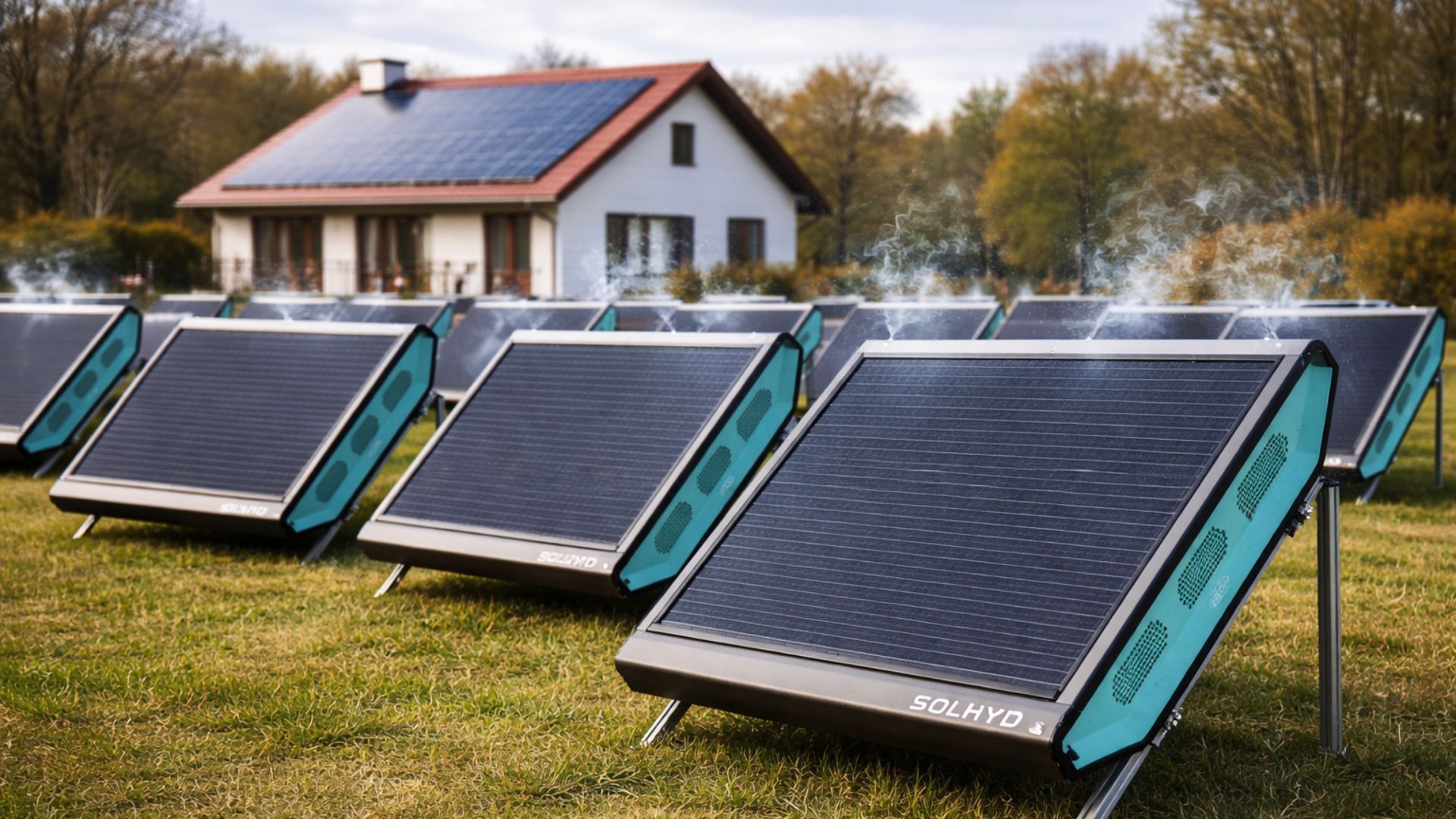
Green hydrogen at home: Belgium launches new technology that makes solar panels produce fuel from the moisture in the air, which could boost the energy transition.
-
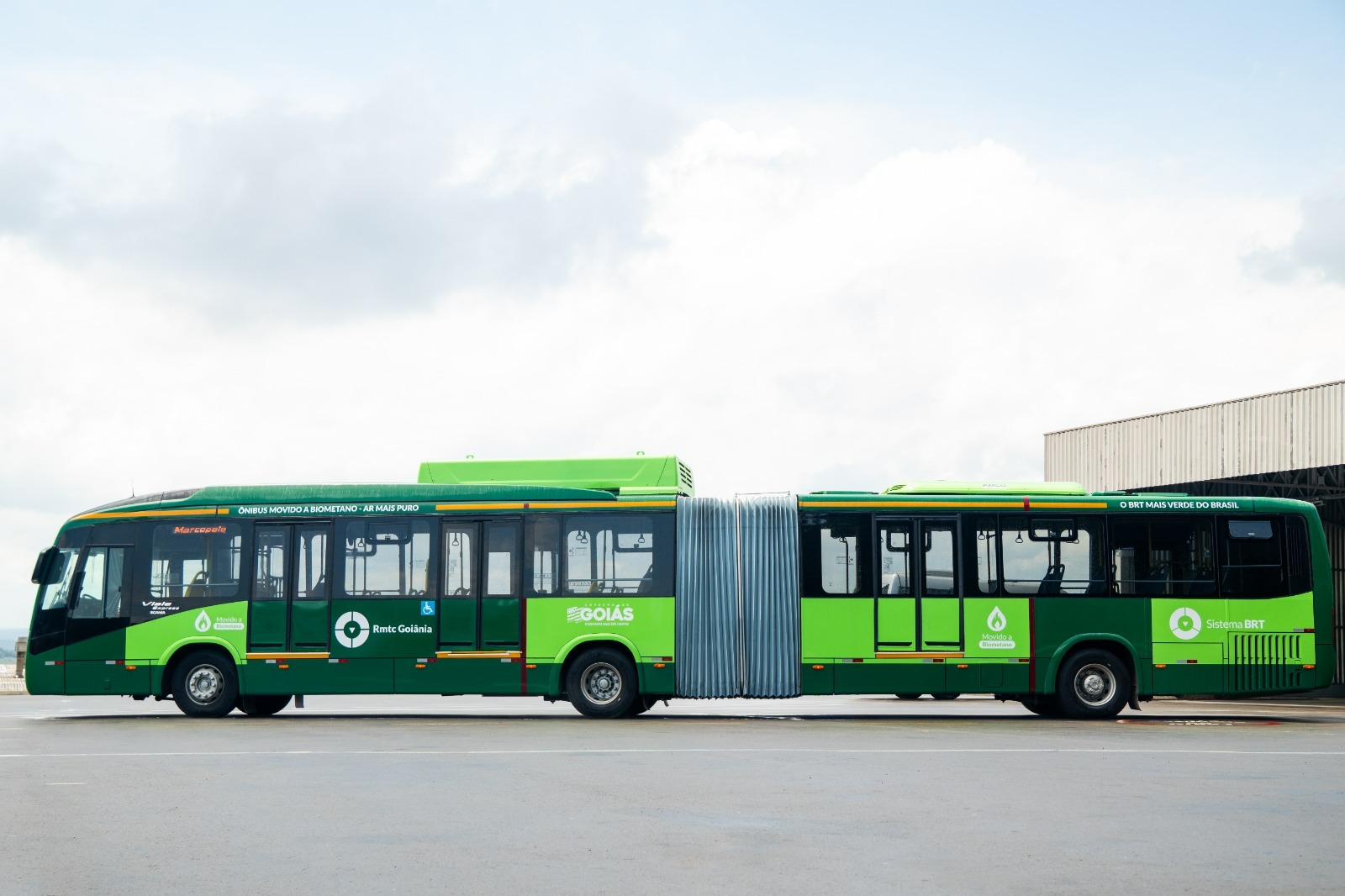
Revolution in public transport: Goiânia puts into circulation the first articulated buses powered by biomethane in Brazil and promises to drastically reduce pollution on the Anhanguera Corridor.
-
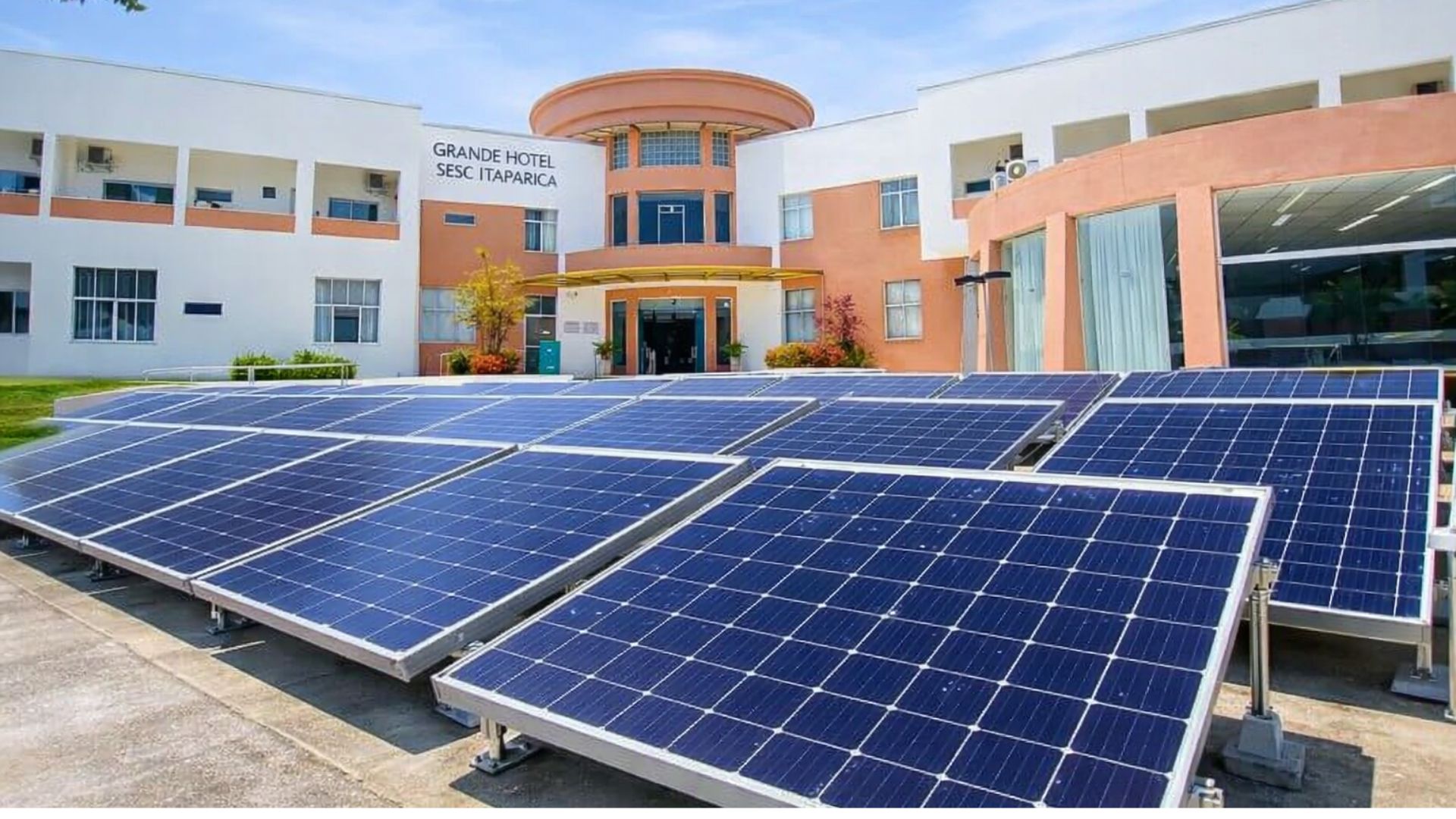
Sesc-BA bets on renewable energy with the support of EDP and drives the energy transition with a direct impact on cost reduction and the sustainability of its operations in Bahia.

The Importance of Verification
Ensuring the authenticity of these reports is essential. A meticulous review conducted by independent certifiers ensures that the information provided is accurate and genuine. This level of certification establishes a foundation of trust between sellers and buyers of credits, guaranteeing a transparent and legitimate operation.
A curiosity: each ton of gas we refrain from emitting becomes a carbon credit. These credits, in turn, become valuable for entities seeking to meet reduction targets, especially those facing economic challenges or still relying on more polluting sources.
And for those who think that the carbon market is limited to the regulated sector, good news: the voluntary market remains active and vibrant. It brings opportunities in areas such as renewable energy, reforestation, and energy efficiency.
Benefits Beyond the Economic
Exploring this market does not just mean potential profits. It also represents an opportunity for companies to demonstrate their commitment to a sustainable future. As the approval of Bill No. 412/2022 approaches, Brazil reinforces its position in the global race toward a carbon-neutral 2050. This movement solidifies the country as a key player in the fight against climate change and places it in a prominent position in the global Carbon Market.
Paulo Bertolini is the general director of APCER Brazil, a renowned Portuguese company specializing in certification and auditing. In a constantly evolving world, APCER stands out by offering valuable solutions for organizations across all sectors. Learn more about the services provided through the company’s official website.
Source: Paulo Bertolini, general director of APCER Brazil.









Seja o primeiro a reagir!