





 English
  Francês
  Alemão
  Italiano
  Japonês
  Norueguês
  Portuguese
  Spanish
 3 min of reading


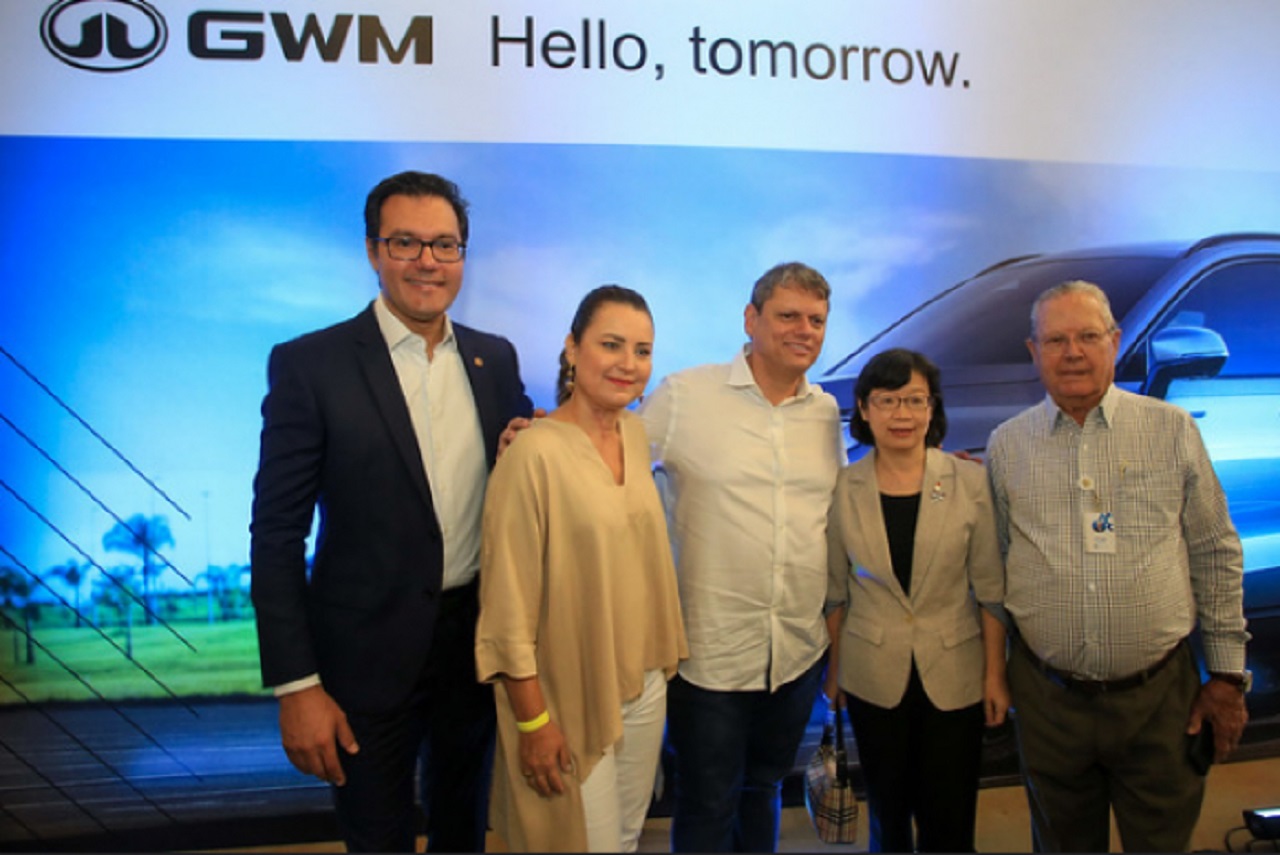
GWM and the Government of SP Have Formed a New Partnership Focused on Hydrogen Production in Transportation. The Goal Is to Produce Green Hydrogen Generated from Renewable Energy.
The government of SP recently signed an agreement with the Chinese automaker Great Wall Motors Brasil (GWM) for the joint development of projects to introduce fleets with hydrogen-powered vehicles in the state.
The commitment, implemented by Invest SP, the government of SP’s investment promotion agency, was finalized during Governor Tarcísio de Freitas’s visit to GWM’s plant in the Metropolitan Region of Piracicaba.
GWM and Government of SP to Study Logistics Route for Hydrogen Vehicles
During the event, the government emphasized that the state of São Paulo aims to lead the energy transition process, focusing its efforts on ethanol to generate green hydrogen that can fuel the fleets.
-
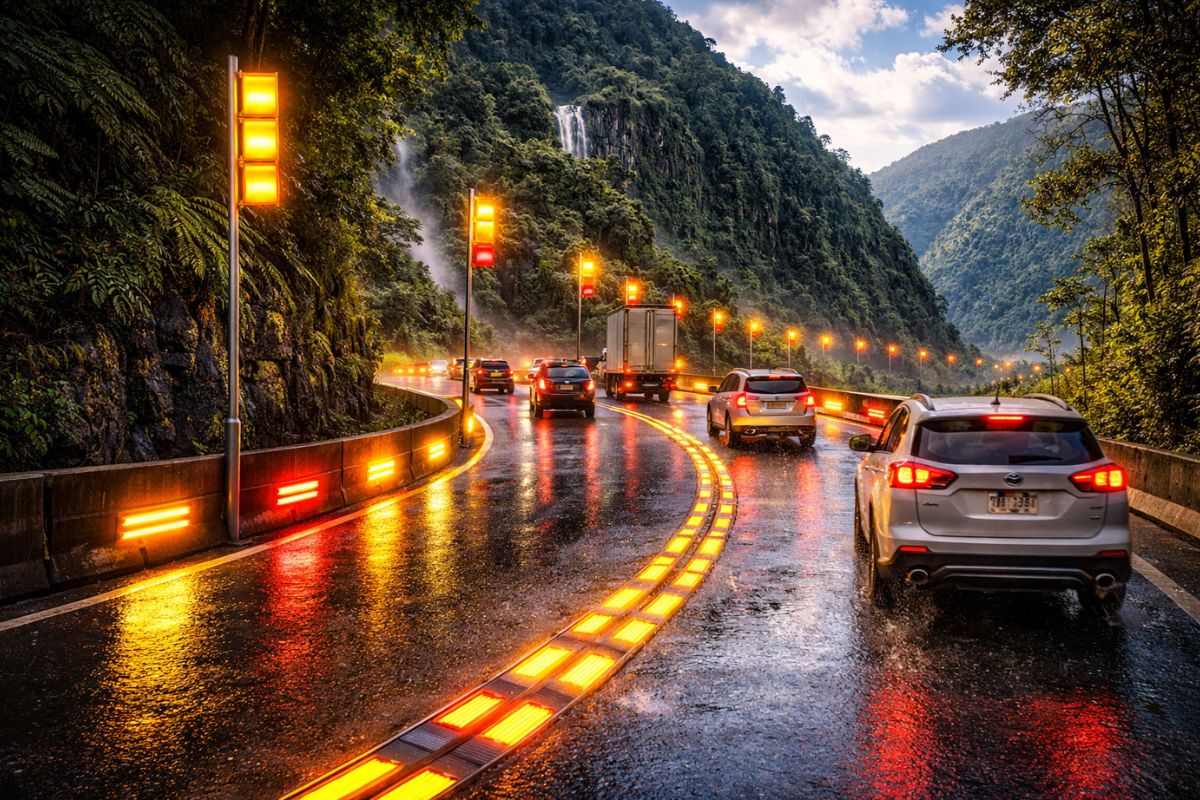
Engineers propose a fourth traffic light for intersections – the change promises to affect crossings, queues, and waiting times.

-
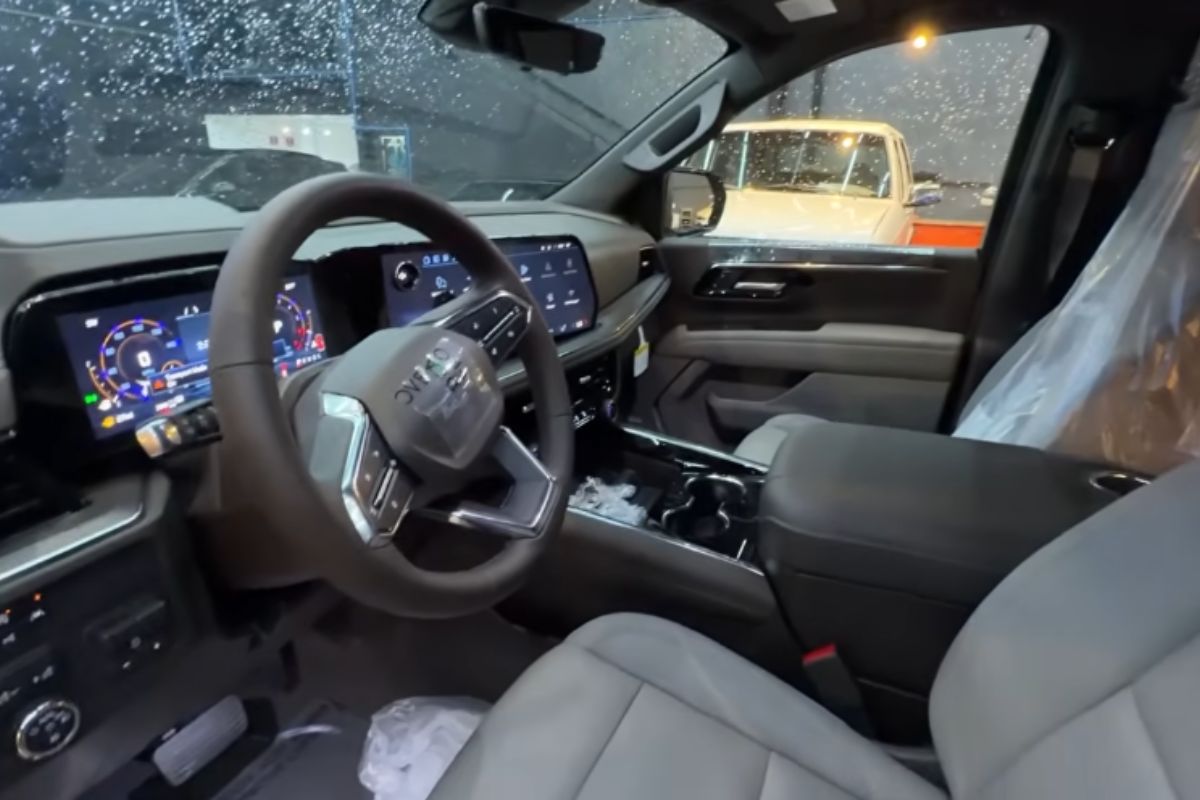
Chevrolet Suburban Z71 lands in Brazil with a V8 engine, off-road design, air suspension, seven seats, and colossal size, a rare version imported for around R$ 1.3 million with luxury and exclusivity.
-
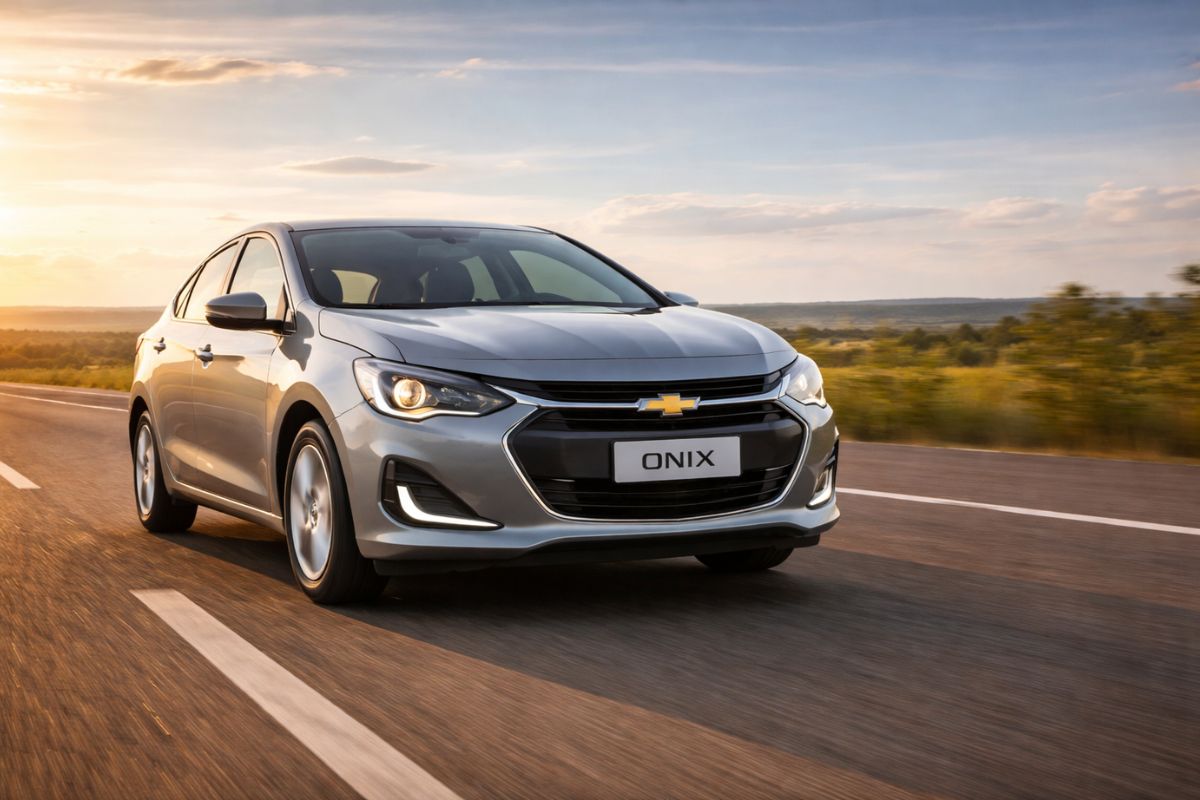
The Chevrolet Onix 1.0 turbo achieves 17.7 km per liter on the highway and ranks among the three most economical cars in Brazil in 2026, alongside two more expensive Toyota hybrids available at dealerships.
-
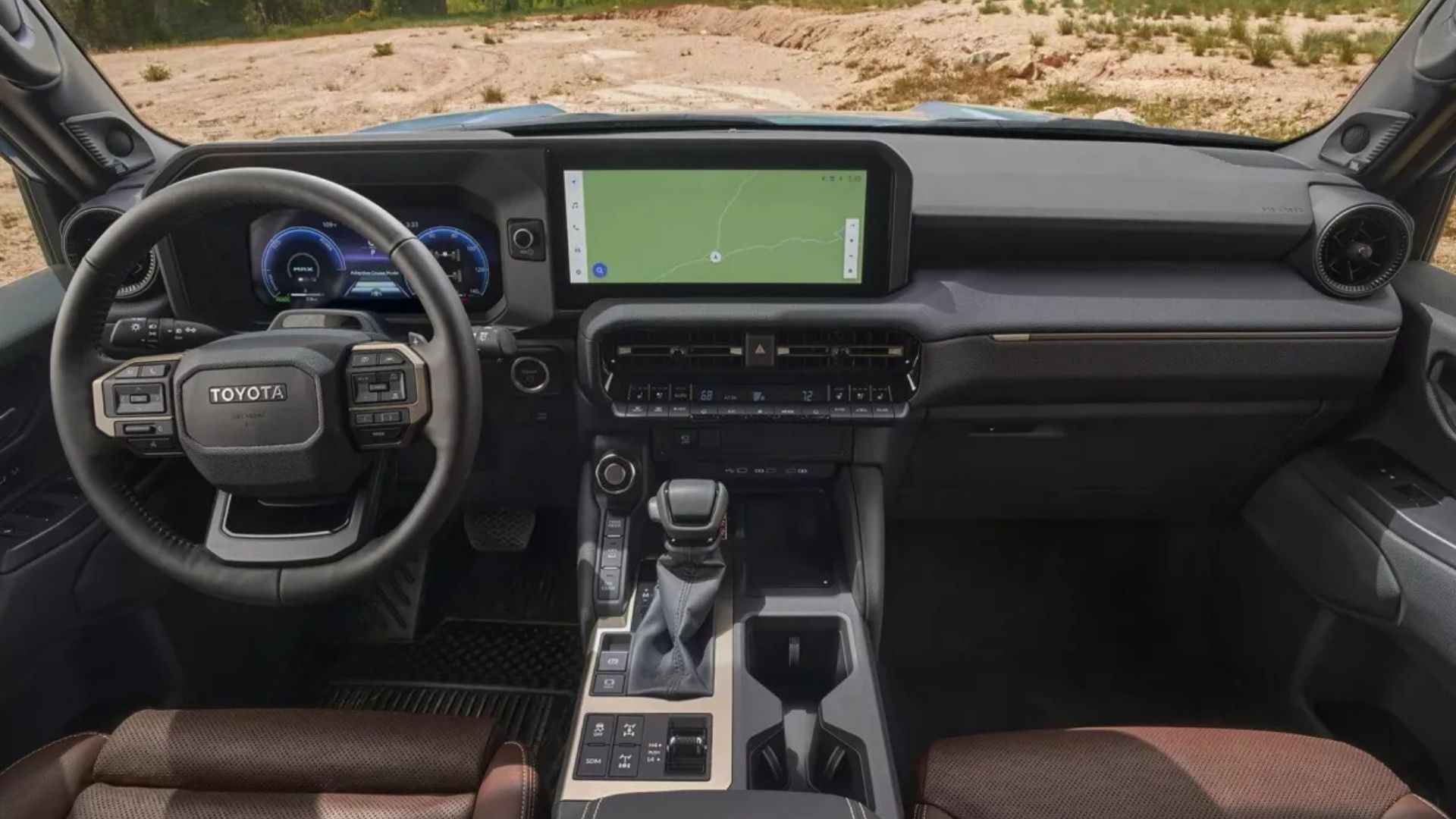
Little sister of the Hilux: Toyota launches Land Cruiser FJ with 4 radical versions, 2.7 engine with 166 hp and 4×4 traction with locking.

São Paulo has significant potential in ethanol, which serves as a bridge to have hydrogen-powered vehicles that will be much more viable in terms of load. According to reports, the general objective is to have more ethanol plants in the state, also generating green hydrogen through incentives.
The agreement stipulates that GWM and the Government of SP will jointly study the development of a logistics route for hydrogen vehicles and identify partners for the generation and supply of green fuel from renewable sources, such as ethanol.
On another front, the government also commits to engage state universities in the research and development of decarbonization technologies for transport chains. According to Ricardo Bastos, the Director of Institutional Affairs at GWM Brasil, the company believes that Brazil will continue to strengthen as a global reference in sustainable energy generation.
GWM Invests R$ 10 Billion in Its Factory in Iracemápolis
According to the executive of the automaker, GWM plans to contribute to the development of the best electrification technologies in Brazil by leveraging the industrial leadership of the state of São Paulo.
The company is the largest privately owned Chinese automaker and is making over R$ 10 billion in investments to transform the old Mercedes-Benz factory in Iracemápolis into a hub for hybrid and electric vehicles for all of Latin America starting in 2024.
The new vehicle production complex will have the capacity for 100,000 units annually and will create more than 2,000 new direct jobs for local residents by 2025.
It is important to mention that, recently, another automaker announced a project involving green hydrogen. This is the Japanese Toyota, which, in partnership, is also conducting studies to produce green hydrogen from ethanol to fuel electric cars.
Both the mentioned projects and others around the world focus primarily on scaling the production of green hydrogen, that is, produced from clean sources. The first step is to increase production and make the idea economically viable.
Company Arrived in Brazil in 2021
Great Wall Motors has a long-standing connection with Brazil, attempting to establish operations here since 2012.
The company’s goal was to start selling its cars in partnership with the Caoa group. However, at that time, the plan did not solidify and postponed its official arrival for many years. Advancing to August 2021, the company finally decided to purchase an old Mercedes-Benz factory in the interior of São Paulo, in Iracemápolis.
Shortly after, an investment of R$ 10 billion was announced in the country, including plans to produce electric cars here. In the first phase, scheduled from 2023 to 2025, the automaker will inject R$ 4 billion to adapt the factory and produce the first models on Brazilian soil.





Seja o primeiro a reagir!