





 Portuguese
  English
  Spanish
 7 min of reading
  0 comments


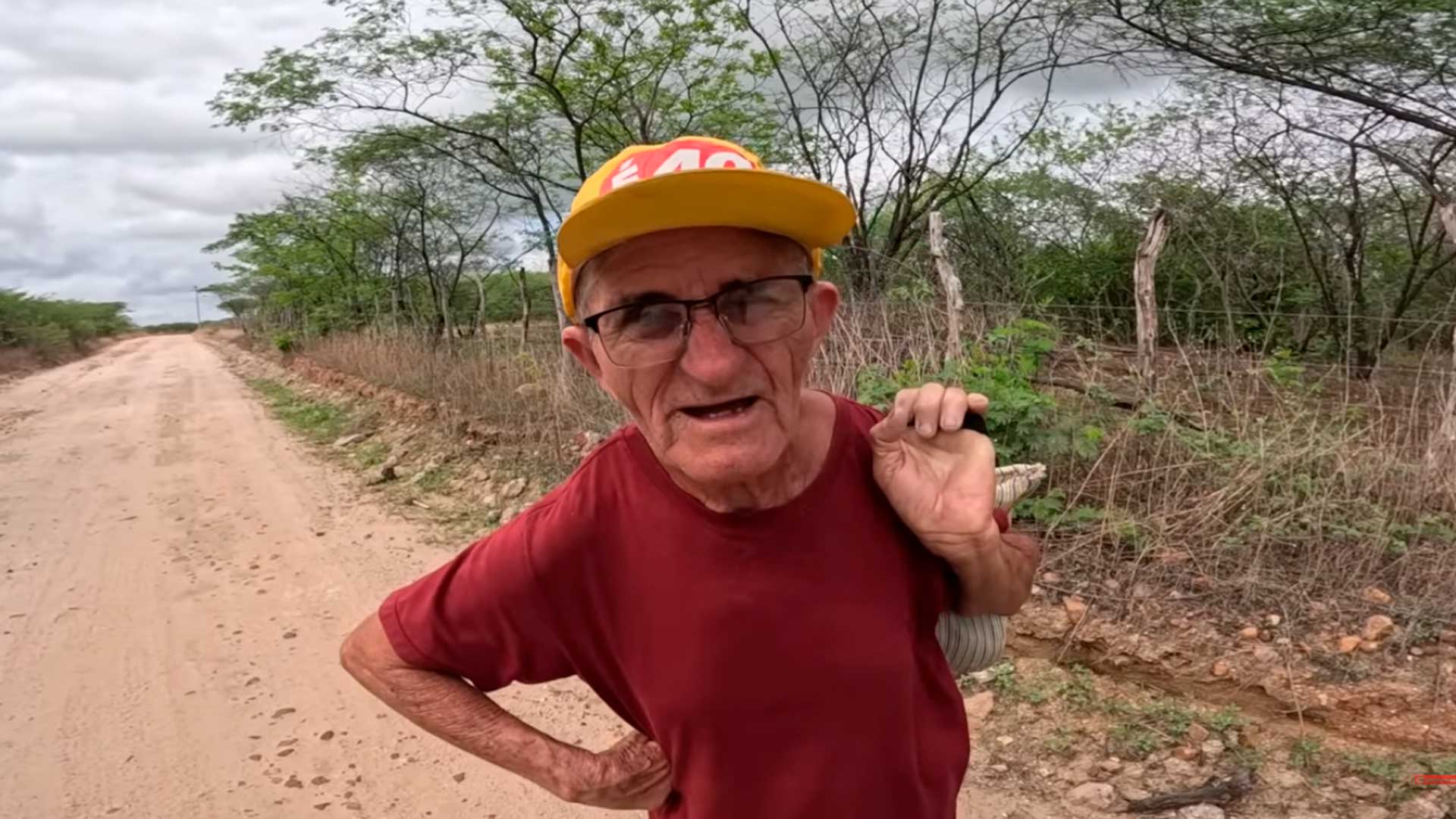
At 70 Years Old, Mr. Antônio Keeps Up His Routine of Walking from the City to the Countryside of Ceará, Facing Real and Supernatural Dangers on the Deserted Roads of the Brazilian Sertão
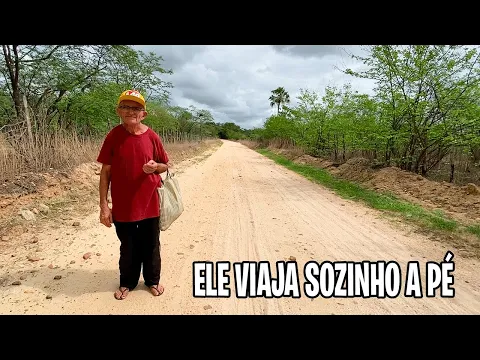
The story of Mr. Antônio, a 70-year-old man who has been walking alone along the roads between the city and the interior of Ceará for three decades, draws attention for his determination and courage in times when violence in rural areas has considerably increased.
In an emotional interview, the elderly man reported the dangers he faces during his solitary journeys, including two robberies in the community of Orlândia and numerous encounters with unexplainable apparitions during the early hours.
Mr. Antônio, who turns 71 on April 26, lives alone on a property in the countryside, near the waterfall region.
-
Spain surprises the world by erecting 62 artificial dunes, mixing sand with natural remains of posidonia, and causing the structure to lose only 1.4% of its volume in 1 year.

-
With 16 Bulava missiles, improvements in acoustic stealth, and a design focused on silent patrols, Russia’s nuclear submarine was born to ensure Moscow’s invisible retaliation and has become one of the pillars of its maritime strength.

-
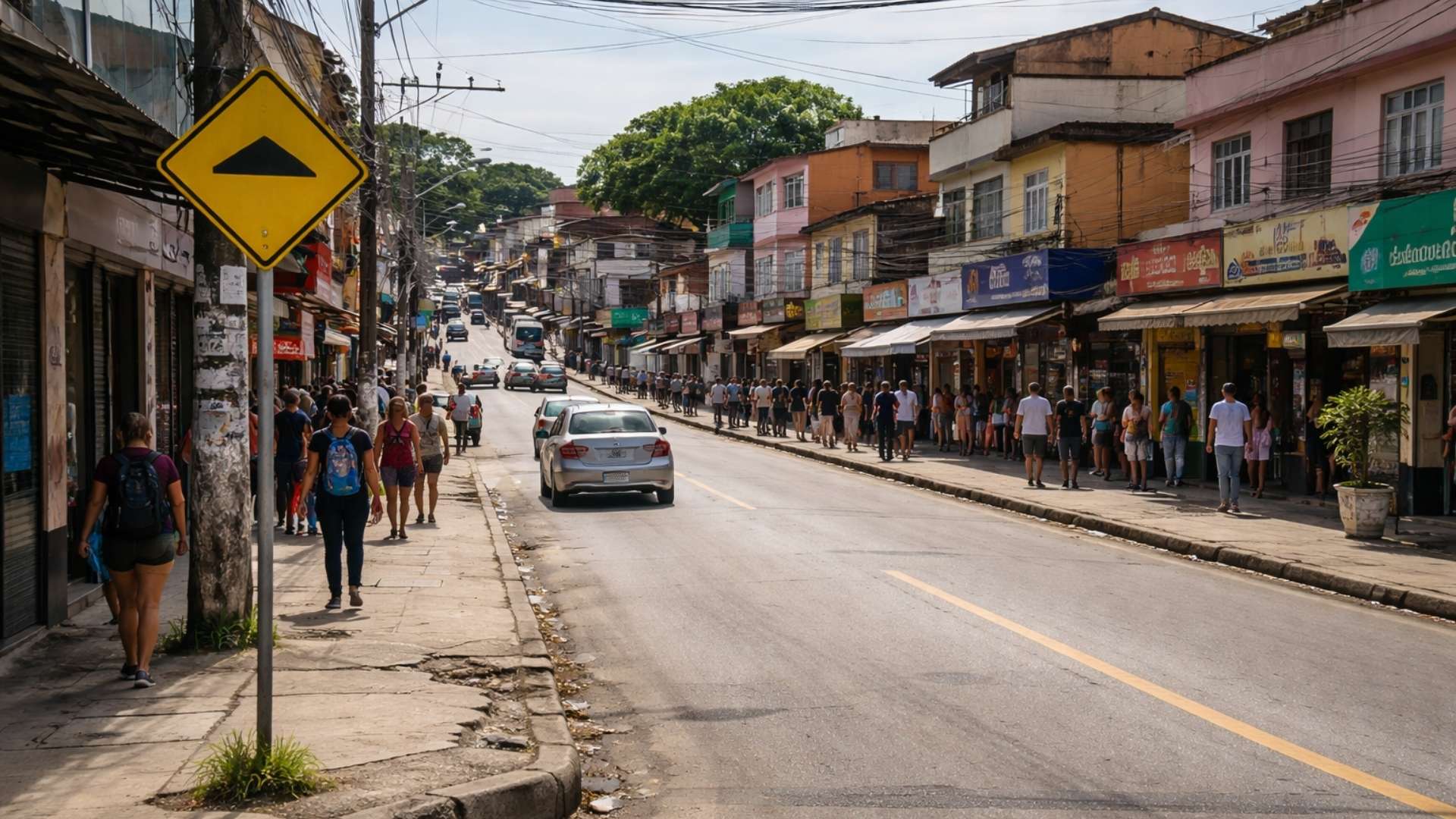
‘Populous’ city in Rio among the worst in Brazil in national ranking and exposes silent development crisis.
-
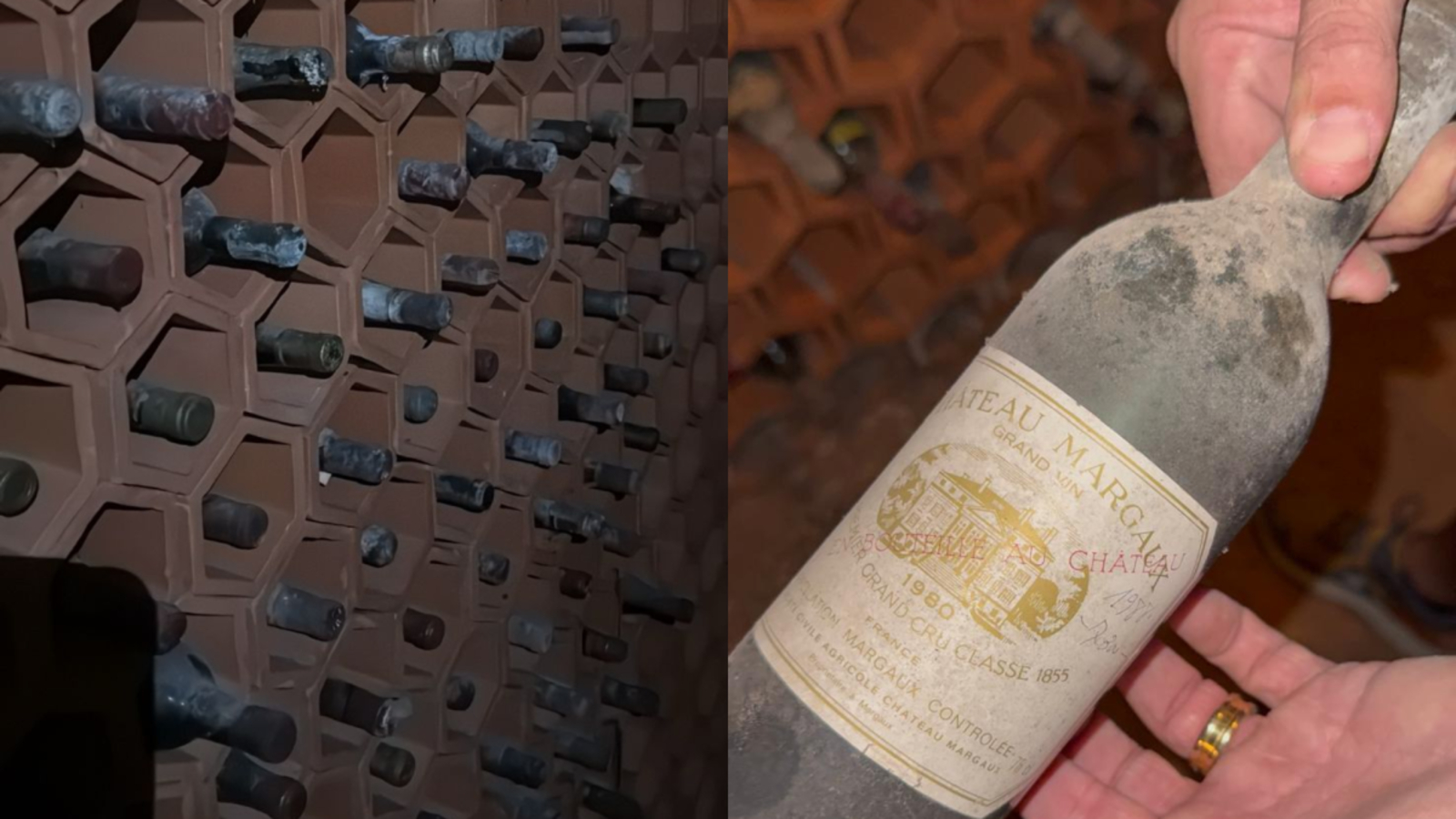
Couple buys house in the South Zone of São Paulo, opens a hidden door in the garage, and finds a secret wine cellar with dozens of old wines forgotten since the 1970s.

The walk from the city to his house can take hours and, according to him, he often prefers to decline rides from strangers for fear of becoming a victim of violence. “Sometimes when someone offers me a ride, I refuse because I don’t know the person and I’m afraid,” explained the elderly man during an interview with a local channel.
The Real Dangers on the Roads of the Ceará Countryside

The experiences of Mr. Antônio reflect a growing problem on Brazilian rural roads. According to information from the Confederation of Agriculture and Livestock of Brazil (CNA), violence in the countryside has intensified in recent years, with robberies, homicides, and kidnappings becoming increasingly common in areas once considered safe.
The first robbery suffered by Mr. Antônio occurred after crossing the Pelado stream. “They released two people from inside the enclosure of Parapora, one with a knife and another with a very large stone,” he recalls. On that occasion, the criminals took R$ 10 from the elderly man. During the robbery, Mr. Antônio tried to appeal to the criminals: “I started talking to the guy, I said: ‘Don’t rob those who walk on foot because those who walk on foot already have nothing, right? Because if I had something, I would rent a motorcycle to get out’.”
The second robbery was even more violent. It happened near where a young man was beaten to death. “The guy jumped out from inside the enclosure too. Everyone was passing by on motorcycles, going up and down, and nothing,” Mr. Antônio says, who at the time thought people believed he was dating. “The guy was robbing me. That day he tore the pocket of my pants, ripped the pocket of my backpack.” The robbers took his cell phone and R$ 20.
Night Walks and the Increase in Violence
According to Mr. Antônio’s account, there used to be less violence on rural roads. “I would come back at 1 a.m., almost 2 a.m., 3 a.m. when I would get home, nothing would happen to me,” the elderly man recalls. The two robberies he suffered occurred relatively early, between 8 and 9 p.m., when he was returning from a service at the evangelical church.
Studies on security in rural areas indicate that the vegetation of the caatinga, typical of the region, facilitates the actions of criminals who hide near the roads. According to information from the Highway Police, poorly lit roads and deserted sections are frequent targets for robbers, especially during the night.
Mr. Antônio has developed a safety strategy over the years: he prefers to walk in the dark without a flashlight. “I liked to walk in the dark because in the light the guy sees you entering, and in the dark you can hide behind a bush and he won’t see you,” explains the elderly man with the wisdom of someone who knows the dangers of the roads well.
The Visions and Supernatural Apparitions of the Sertão
In addition to the concrete dangers of violence, Mr. Antônio faces another type of challenge: the so-called “visions,” a popular term in the Northeast to designate supernatural apparitions and unexplainable phenomena. “I’ve seen a lot, a lot of things. If I were to think about what I’ve seen at night, I wouldn’t walk even during the day,” asserts the elderly man.
According to studies on Brazilian folklore, stories of visions are deeply rooted in the popular culture of rural areas. In regions like rural Ceará, stories of apparitions on deserted roads have been part of the collective imagination for generations.
One of the most remarkable episodes experienced by Mr. Antônio was an encounter with a mysterious man. “Once a guy stopped and asked: ‘Where are you coming from?’ I said I’m coming from Hidrolândia. ‘You’re going to Hidrolândia too?’” he recounts.
The man was dressed in pressed cloth pants, tennis shoes, and a cap. “Then I looked one way, looked another, I got all goosebumps, man. Then that thing disappeared, and I was sweating profusely,” says the elderly man, who still cannot explain what he saw that night.
The Story of the Pink Bicycle
Another intriguing episode took place near a cross marking the site of an accident. That day, Mr. Antônio was feeling down and loudly expressed that he did not want to go home, that he wanted to die. It was then that he saw an old bicycle, one of those with two bars, in pink. “That bicycle came close to me, and a voice called: ‘Antônio, why do you want to die?’” he recalls, still shaken by the memory.
The apparition called him by name, which terrified the elderly man. “Then I said: ‘Who said I want to die?’ I ran over to the cross, all the way down there,” he recounts. According to Mr. Antônio, the figure was a medium-height man with light skin, whom he could clearly see in the light of the moon.
On another occasion, near the Cicá River, an area that used to have a very deep trench, Mr. Antônio saw a person dancing in front of him. “That dark person jumped in front of me and started dancing.
Then I responded to him: ‘Hey, man, are you dancing swing today?’” he narrates. As soon as he asked the question, a sudden gust of wind carried the apparition away.
The Loneliness and Resilience of the Sertanejo
Mr. Antônio lives alone on the property that belonged to his parents. Near his house, there are still trees planted by his family: a mangaba tree planted by his father and a oiti tree that he himself cultivated. “That was his parents’ house,” explains a family member during the interview.
The region where the elderly man lives has undergone significant transformations over the decades. In the past, there were between five to ten houses along the road. Today, there are only two left. The rural exodus and the hardships of life in the countryside have caused many families to abandon their properties.
According to the National Department of Works Against Drought (DNOCS), the rural roads of the northeastern semi-arid are essential for the quality of life of diffuse rural communities. However, the lack of infrastructure and security continues to be a challenge for those living in these regions.
The Benefits of Walking in Old Age
Despite all the dangers and difficulties, Mr. Antônio has maintained his walking routine for three decades. According to health specialists for the elderly, regular walking brings numerous benefits to senior citizens.
According to information from the World Health Organization (WHO), elderly individuals should engage in at least 150 to 300 minutes of moderate-intensity aerobic physical activity per week.
Walking strengthens muscles, bones, and joints, improves blood circulation, and reduces the risk of cardiovascular diseases. For seniors, this low-impact activity is especially beneficial as it helps maintain mobility and functional independence.
A study conducted in South Korea with over 7,000 people aged 85 and above revealed that regular walking reduces the risk of mortality from all causes by up to 40%. “Walking speed is a powerful predictor of mortality,” assert specialists from the MSD Manual of Geriatrics.
The Determination That Inspires Generations
The story of Mr. Antônio is not unique in the Brazilian Northeast. In 2018, the Diário do Nordeste reported the case of Edilson Lima Azevedo, an 80-year-old man who walked 1,200 kilometers from Maranhão to Fortaleza in 43 days. These examples demonstrate the strength and resilience characteristic of the Sertanejo people.
Asked if he is afraid to continue walking after all the experiences he has had, Mr. Antônio is categorical: “We are not afraid. We feel a shiver because things that come across us, things that come spiritually, do not combine normally.”
For him, spirits are already in another life and therefore do not represent a real danger. “He’s dead, and I’m alive, right? So, the matters won’t combine,” philosophizes the elderly man.
At 70 years old, about to turn 71 in April, Mr. Antônio continues his solitary routine along the roads of the Ceará sertão. His story is a testament to life in the Brazilian interior, where determination, faith, and courage are necessary to confront not only material difficulties but also the deepest fears that dwell in the popular imagination.
And you, do you know any stories similar to that of Mr. Antônio? Violence in rural areas of Brazil has increased, and stories like this make us reflect on the safety and loneliness of those who live far from urban centers. Please leave your thoughts in the comments.








-

-

-

-

-

13 pessoas reagiram a isso.