





 Portuguese
  English
  Spanish
  3 min of reading
  9 comments


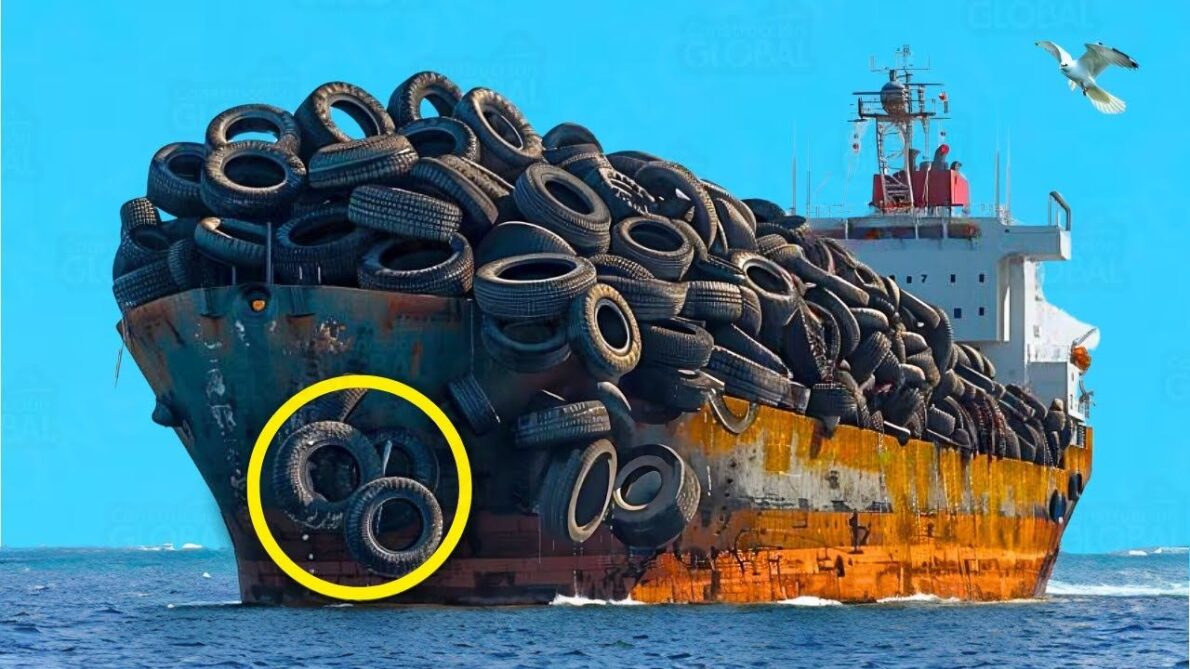


Fifty Years After The United States Deposited 2 Million Tires In The Ocean In An Effort To Create An Artificial Reef, The Results Show An Environmental Disaster With Tire Dispersion Damaging Local Ecosystems And Releasing Toxins Into The Sea, Challenging Initial Expectations Of Environmental Benefit.
In The 1970s, In An Effort To Promote Marine Life, The United States Submerged Two Million Tires In The Ocean. The Intention Was For These Tires To Serve As Structures For Corals And Help Form A New Marine Ecosystem. However, Half A Century Later, The Results Are Alarming And Bring To Light Serious Environmental Repercussions.
Initially, The Idea Seemed Promising. The Tires Were United And Sunken With The Hope They Would Become A Home For New Corals. Unfortunately, Storms And Ocean Currents Dispersed The Tires, Which Ended Up Damaging Existing Natural Reefs. Furthermore, The Expected Growth Of Corals On The Tires Was Not Observed, As They Became More Like Floating Obstacles Than Beneficial Habitats.
Dispersion Of Tires By The United States In The Ocean Resulted In Considerable Damage
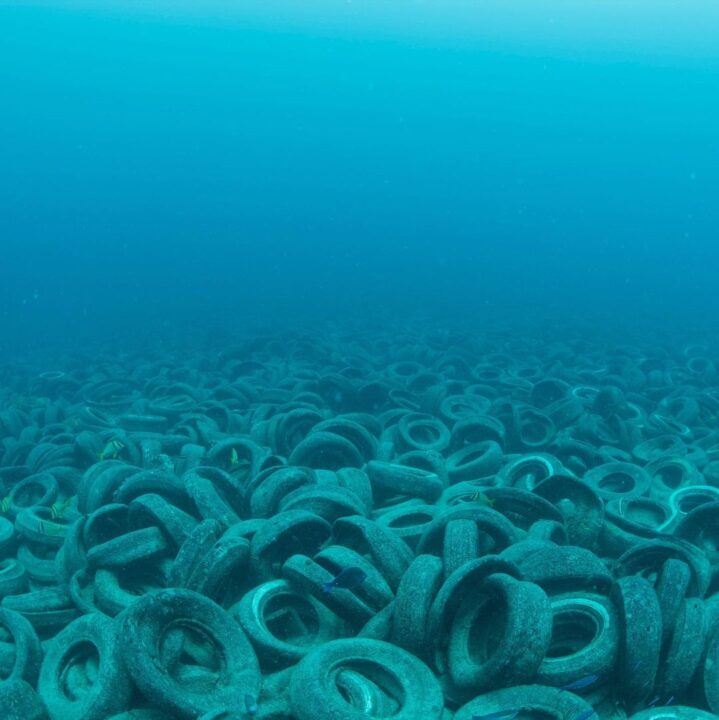
The Dispersion Of Tires By The United States In The Ocean Resulted In Considerable Damage. Beaches Were Polluted And Local Ecosystems Suffered Significant Disturbances. The Action Of Time Revealed That The Tires Also Began To Disintegrate, Releasing Toxic Substances Into The Marine Environment, Further Complicating The Health Of Local Ecosystems.
-
OceanPact Announces Acquisition of CBO and Creates One of Brazil’s Largest Maritime Support Structures with 73 Vessels, Annual Revenue Above R$ 4 Billion and R$ 14 Billion Backlog
-
With Extreme Winds, Giant Waves, and Unrestricted Currents, Drake Passage Is Considered the Most Violent Stretch of the Oceans
-
15th Century Merchant Ship Surprises Archaeologists
-
Odfjell Inaugurates First Operational Green Corridor Between Brazil and Europe Using Sustainable B24 on Maritime Routes and Reinforces Decarbonization Strategy

Recognizing The Disaster, Several Cleanup Initiatives Have Been Implemented Over The Years. Starting In 2001, Projects Such As The Nova Southeastern University Helped Remove Thousands Of Tires, But The Cost And Logistics Of These Operations Have Been Enormous. The Struggle Continues, With The Participation Of Organizations Such As 4Ocean, Which Fund Their Cleanup Activities Through The Sale Of Recycled Products.
TO LEARN MORE: Doubting? Saudi Arabia Seeks To Silence Critics Of The NEOM Project With Images And Videos
The Story Of These Tires In The Sea Is A Warning For Future Marine Conservation Projects
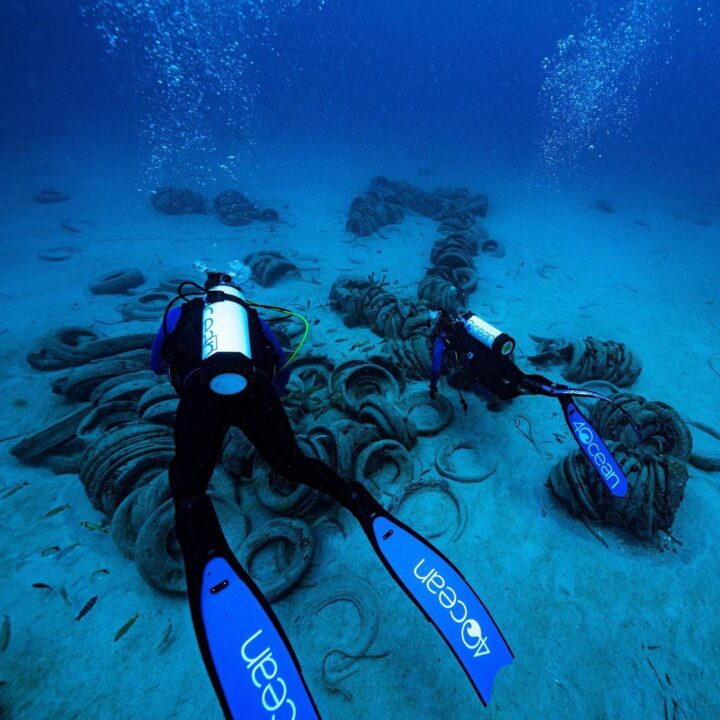
The Experience Of These Tires In The Ocean In The United States Clearly Demonstrated That Good Intentions Do Not Always Translate Into Good Results Without Proper Research And Planning. This Incident Served As A Harsh Lesson On Waste Management And Environmental Preservation, Showing That Innovation Without Responsibility Can Lead To Disastrous Consequences.
The Case Of Tires In The Ocean Reveals The Need For More Sustainable And Responsible Conservation Solutions. It Remains A Reminder That Protecting The Environment Requires Not Only Innovation But Also A Deep Understanding Of Natural Systems And How Our Actions Affect Them. The Story Of These Tires In The Sea Is A Warning For Future Marine Conservation Projects.







Com certeza nao precisa ser um genio para saber que foi so uma desculpa , para fazer o descarte irregular .
Eua os defensores…dos próprios interesses!!
A prepotência dos seres humanos é inimaginável.Sem qualquer planejamento foram fazendo o que acharam que podia dar certo.