





 Portuguese
  English
  Spanish
  3 min of reading
  0 comments


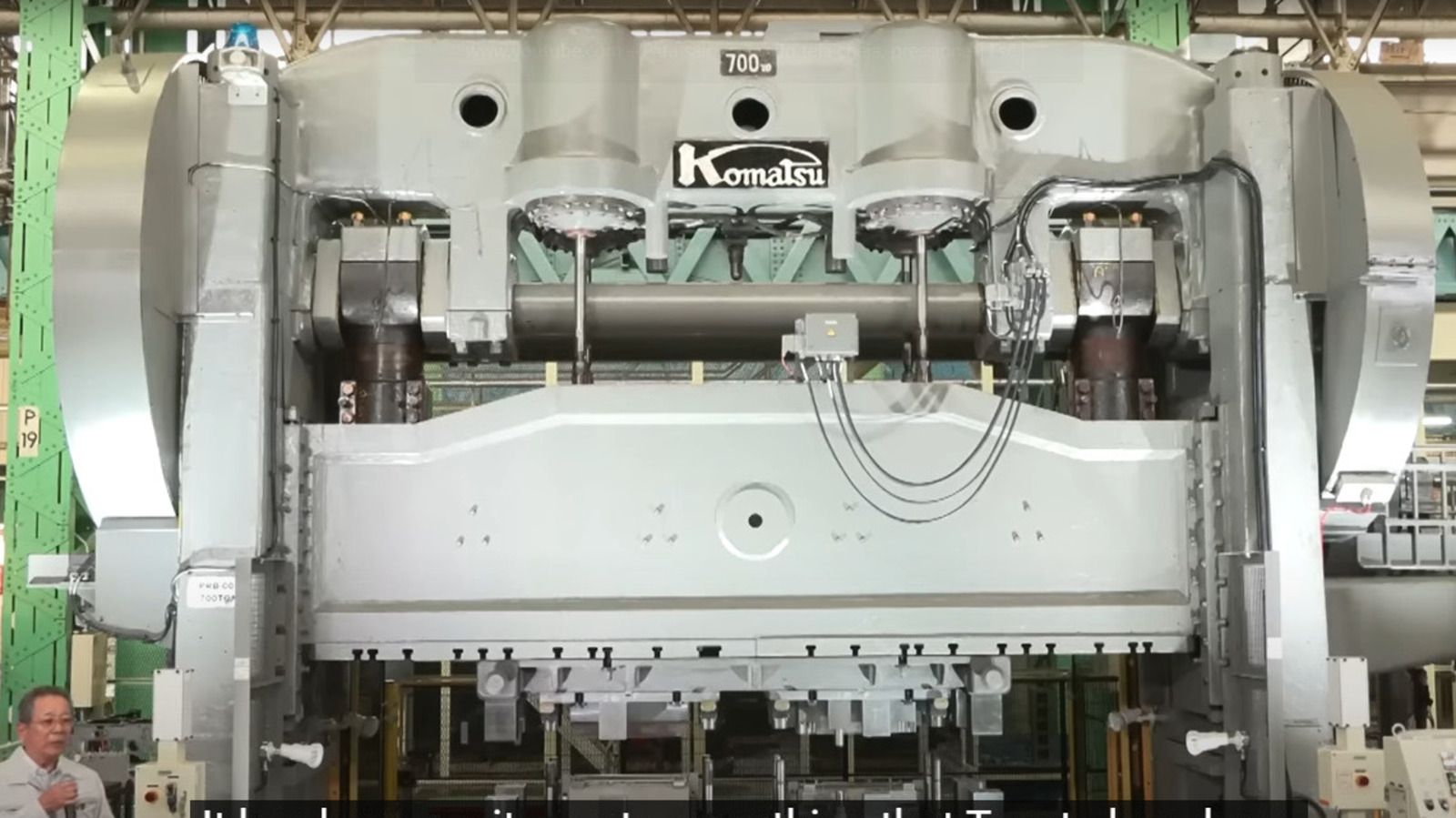
700-Ton Komatsu Press, Bought in 1934, Traveled from Japan to Brazil and Returned Restored to Manufacture Hydrogen Parts
It is common for factories to retire still-functioning machines when new technologies emerge, forcing replacement. This practice, often accelerated by planned obsolescence, has become a rule in much of the global industry.
However, Toyota decided to take another path and give new life to historical equipment. The best example of this is an industrial Komatsu press of 700 tons, bought in 1934, which has just gained a third life after nearly a century of use.

A Machine That Crossed Oceans
The story begins when Kiichiro Toyoda, the founder of Toyota, acquired the press for Toyoda Automatic Loom Works, a company that produced looms before the automobile manufacturer.
-
Lack of workers and an aging population: Japan bets on AI robots in factories, logistics, and infrastructure to keep the economy and essential services active.
-
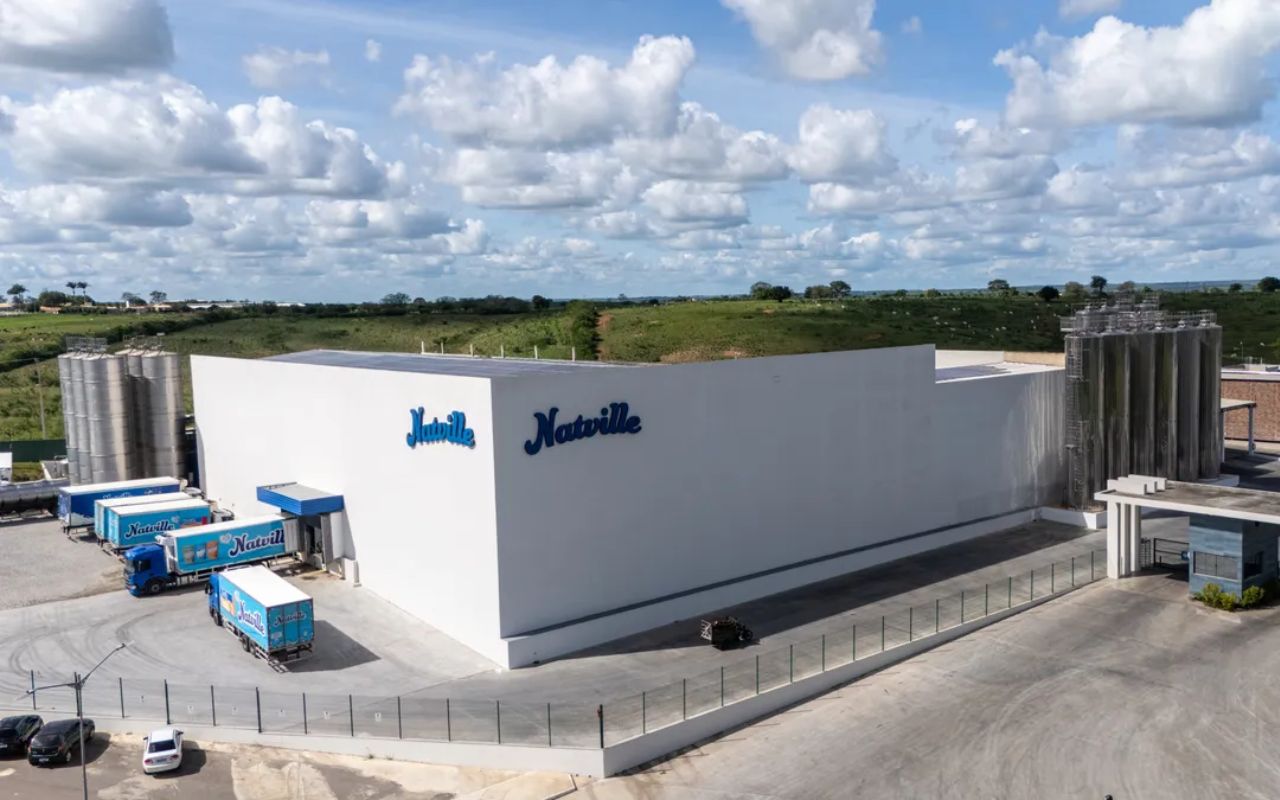
Natville puts R$ 700 million on the table for new factories in the Northeast, generating jobs and boosting the local economy.
-
With 74% of companies facing difficulties in hiring, technicians and engineers in renewable energy are becoming scarce in Brazil and are essential to support the expansion of solar, wind, and green hydrogen projects.

-
Historic bankruptcy of Centauro shocks the market, and the century-old company puts more than 500,000 products, machines, and complete infrastructure up for online auction.

In 1937, Toyota Motor Company was born and inherited the machine, which began operating at the Koromo factory, now Honsha, in Aichi.
The move, made only 15 km from the original location, was aided by ox-drawn carts, according to reports from the time.
The press remained active in Japan until 1962. It was then sent to São Bernardo do Campo, in São Paulo, where it helped produce vehicles in Brazilian territory.
It was essential for the beginning of the production of the Toyota Bandeirante, the national version of the Land Cruiser.
From Brazil Back to Japan
With the closure of the plant in Brazil, the question arose: what to do with the old press? The answer came directly from Akio Toyoda, the current company president.
He decided to keep the machine operational, but again on Japanese soil, valuing its historical and industrial significance.
The philosophy adopted was that of “functional preservation.” Instead of transforming it into a museum piece, Toyota restored the press so it could remain active, maintaining its relevance in the production line.
This process involved complete disassembly, cleaning, repairs, and the challenging task of recovering the original color from 1934.
A Challenge Even in the Press Painting
In Brazil, the press displayed shades of white and yellow. However, in Aichi, specialists removed layers of paint applied over the decades until they found the gray used at the time of the initial purchase.
Since the original photos were in black and white, the work required patience and attention to the smallest details.
After restoration, the machine returned to work. Today, more than 90 years after it was acquired, the Komatsu remains active, this time manufacturing parts for hydrogen fuel cell modules, a symbol of the new technological phase of the automotive industry.
Welcome Ceremony
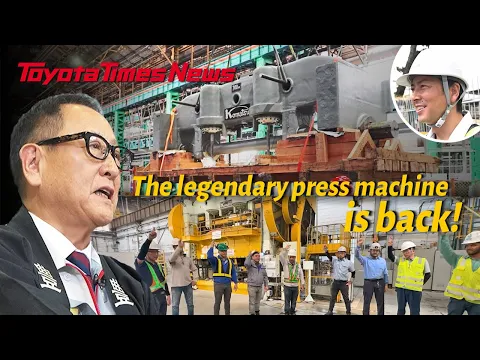
The return of the press to Aichi was marked by a special ceremony, attended by veteran employees, representatives from Toyota, and Akio Toyoda himself.
The event served as a tribute to the machine that has accompanied three generations of the company across different continents.
Toyoda emphasized the symbolic value of the press. For him, the decision to preserve it demonstrates that Toyota has never only aimed to manufacture automobiles but also to build a solid foundation for the Japanese industry.
“This press conveys a special aura, like a real witness trying to tell us its story,” he stated.
Komatsu Press: Living History in Motion
The case of the Komatsu press shows that innovation does not always mean discarding the past. Toyota chose to unite tradition and modernity, leveraging a nearly century-old machine to manufacture components related to the future of the automotive sector.
Thus, the cycle started in 1934 continues to be active, proving that some pieces of iron can carry more than utility: they also preserve memory, industrial culture, and the essence of a brand that values its roots.
With information from Xataka.





Seja o primeiro a reagir!