





 Portuguese
  English
  Spanish
  3 min of reading
  0 comments


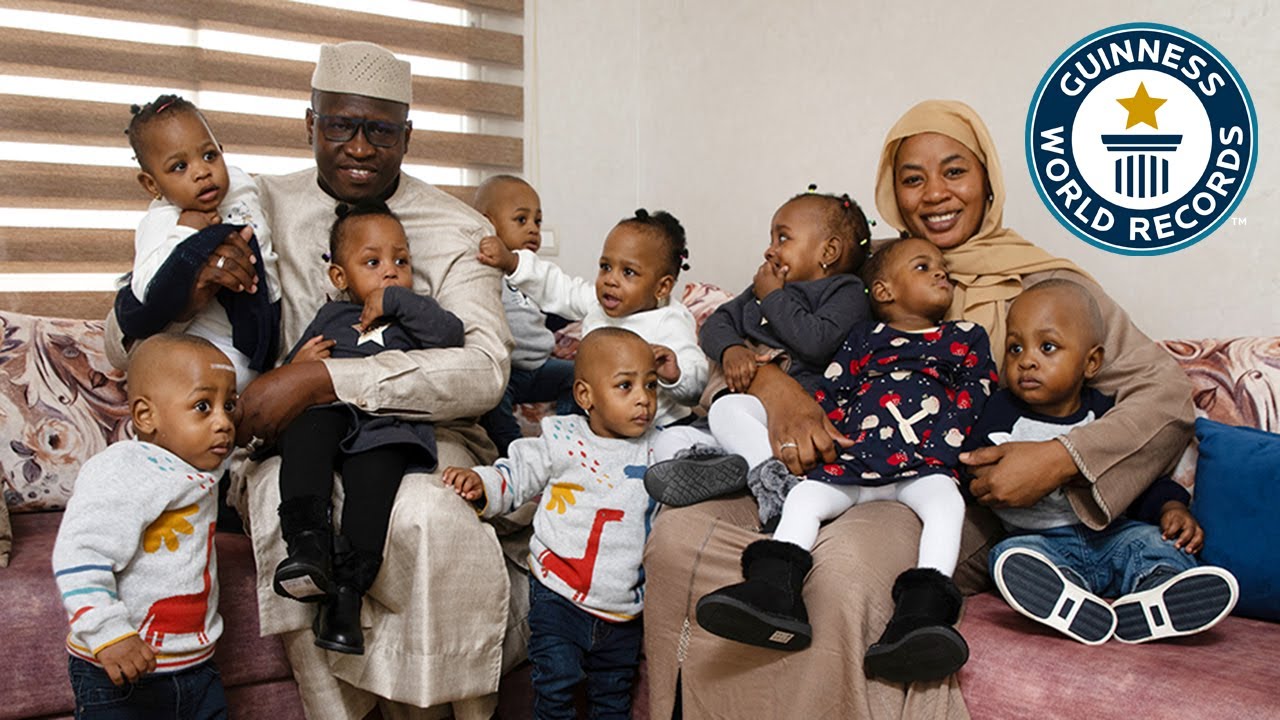
Halima Cissé Case, Who Gave Birth to Nine Babies in 2021, Entered the History of Medicine for Being One of the Rare and Successful Multiple Births in the World.
In May 2021, the world turned its eyes to a medical event that was as rare as it was impressive. Halima Cissé, a woman originally from Mali, made history by giving birth to nine babies from a single pregnancy, an achievement that defied statistics, medical protocols, and the very limits of modern obstetrics. The case quickly gained international attention for involving extreme risks, complex medical logistics, and an outcome considered extraordinary by the scientific community.
One of the Rarest Multiple Births Ever Recorded
Multiple pregnancies already represent a high risk when they involve three or four fetuses. In the case of nonuplets (nine babies), the rarity is extreme. There are very few documented cases throughout history, and most of them did not end with all the babies surviving.


In Halima Cissé’s case, the scenario was even more challenging. Initially, examinations conducted in her country indicated a pregnancy of seven babies, which would already be considered exceptional. However, more detailed assessments conducted later revealed the presence of nine fetuses, requiring a complete shift in medical strategy.
-
Argentina places the first U.S. Stryker 8×8 armored vehicles in operational units, while Brazil sets a record of $3.1 billion in military exports, reaching 140 countries and strengthening the Defense Industrial Base.
-
A flight attendant fell from 10,160 meters without a parachute after an airplane explosion, survived against all logic, and still holds the record for the highest fall ever survived by a human being.

-
With a monumental stone structure dating back over 2,000 years, excavated 6 meters deep and with dimensions that surprise archaeologists, the newly discovered tank in Gabii may be one of the first major public works of Ancient Rome outside of temples and walls.
-
Goodbye fitness bracelet: users around the world are replacing the old item with this more discreet, comfortable smart ring that can monitor health for several days without recharging.


Why the Birth Had to Take Place Outside of Mali
Given the complexity of the case, the government of Mali decided to transfer Halima Cissé to Morocco, where she was monitored by a highly specialized team in a hospital with state-of-the-art infrastructure for extremely high-risk pregnancies.
The decision was not casual. A pregnancy with nine fetuses requires:
- continuous monitoring of the mother
- advanced neonatal support
- multidisciplinary medical teams
- neonatal intensive care units prepared for multiple premature newborns
The birth was performed by C-section, a procedure deemed mandatory in cases of this level of complexity.
Extreme Prematurity and Intensive Care
As expected in multiple pregnancies, the babies were born premature, with weights significantly below average. Each of them required intensive monitoring immediately after birth, remaining under rigorous medical care in the first months of life.

Even so, the outcome surprised experts: all nine babies survived, including five girls and four boys. This result is considered one of the greatest successes ever recorded in multiple births of this magnitude.
Why Halima Cissé’s Case Is So Important for Medicine
From a scientific perspective, the case has become a reference for several reasons:
- demonstrates how far modern medicine can go in extreme pregnancies
- reinforces the importance of precise diagnosis and specialized monitoring
- highlights the advancement of neonatal units in caring for extremely premature infants
- expands knowledge about the physiological limits of the human body
Experts emphasize that, even with advanced technology, cases like this remain absolute exceptions, not replicable models.
The Human and Social Impact of the Story
In addition to the medical relevance, Halima Cissé’s story also drew attention for its human aspect. Raising nine children at the same time represents a gigantic social, financial, and emotional challenge, especially in countries with limited resources.
The case mobilized international support, donations, and attention from humanitarian organizations, becoming a symbol of resilience, global medical care, and cooperation between countries.
An Achievement that Entered the Historical Records
The birth of Halima Cissé’s nine babies is now considered one of the rarest and most successful multiple births in modern history. More than an isolated event, it has become a milestone that illustrates how science, logistics, and political decision-making can unite to save lives in situations deemed nearly impossible.
Stories like this help us understand not only the advances in medicine but also how far the human body can go when given the right support — and why such cases continue to fascinate the entire world.







-

-

2 pessoas reagiram a isso.