





 Portuguese
  English
  Spanish
  5 min of reading
  8 comments


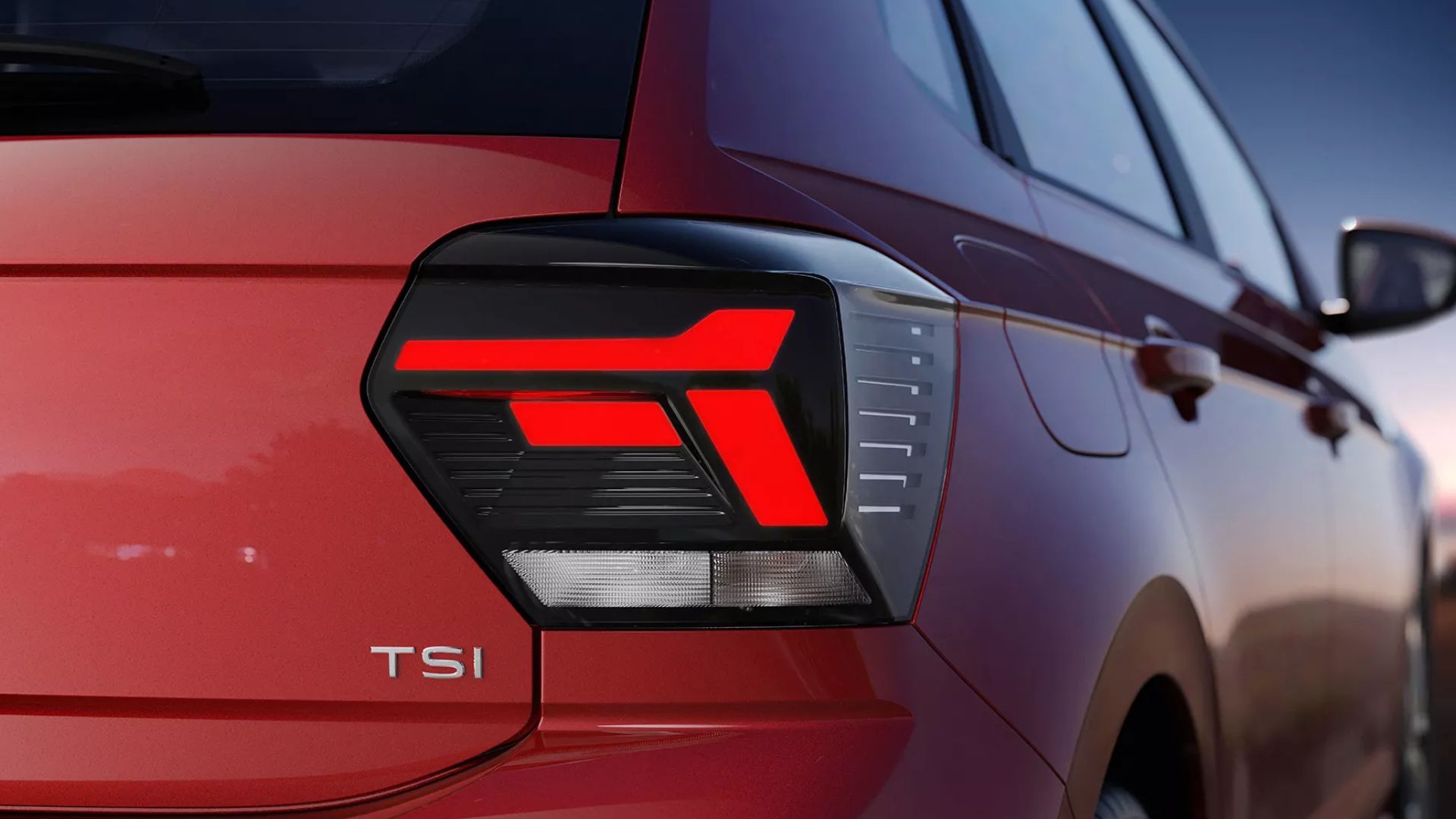


Model Combines Performance, Economy, and Practicality, Standing Out Among the Best-Selling Hatches in the Country in 2025. Versatility, Space, and Safety Technologies Raise the Standard of the Segment.
The Volkswagen Polo Track has established itself this July as the best-selling car in Brazil, with 10,894 units sold according to the National Federation of Motor Vehicle Distribution (FENABRAVE).
Launched to strengthen the brand’s presence in the entry segment, the model stands out for combining efficiency, performance, and interior space, as well as delivering competitive fuel consumption, factors that keep it high on the main sales lists in the country.
The Polo Track presents itself as Volkswagen’s response to the profile of the new Brazilian driver, increasingly attentive to economy, embedded technology, and practicality in urban daily life.
-
The car stored for 38 years: when opening the barn door, what appears is breathtaking and looks like a scene from a movie!

-
Fiat works miracles in the Brazilian market, lowers the price of its 0 km hatch to R$ 69,990, reestablishes the model as the cheapest car in the country, and reignites the battle against Kwid and C3.
-
Chevette with cooking gas: How the gas cylinder ends up being used in cars clandestinely and why this makeshift solution can result in leaks, explosions, damaged engines, and seized vehicles.

-
Fiat launches the new 2027 Toro hybrid with 48V, 176 hp, an electric motor of 15.5 hp, a 0.85 kWh battery, up to 7% fuel savings, 8% fewer emissions, and possible exemption from IPVA.

The performance of the Polo Track has been boosted by features that directly address the demands of the Brazilian public in 2025.
According to the manufacturer, the 1.0 MPI flex three-cylinder engine, capable of generating up to 84 horsepower with ethanol, is one of its main attractions.
Energy efficiency also stands out: according to official data, the hatch achieves up to 15 km/l of gasoline on the highway, reinforcing its appeal to those looking for economy and autonomy.
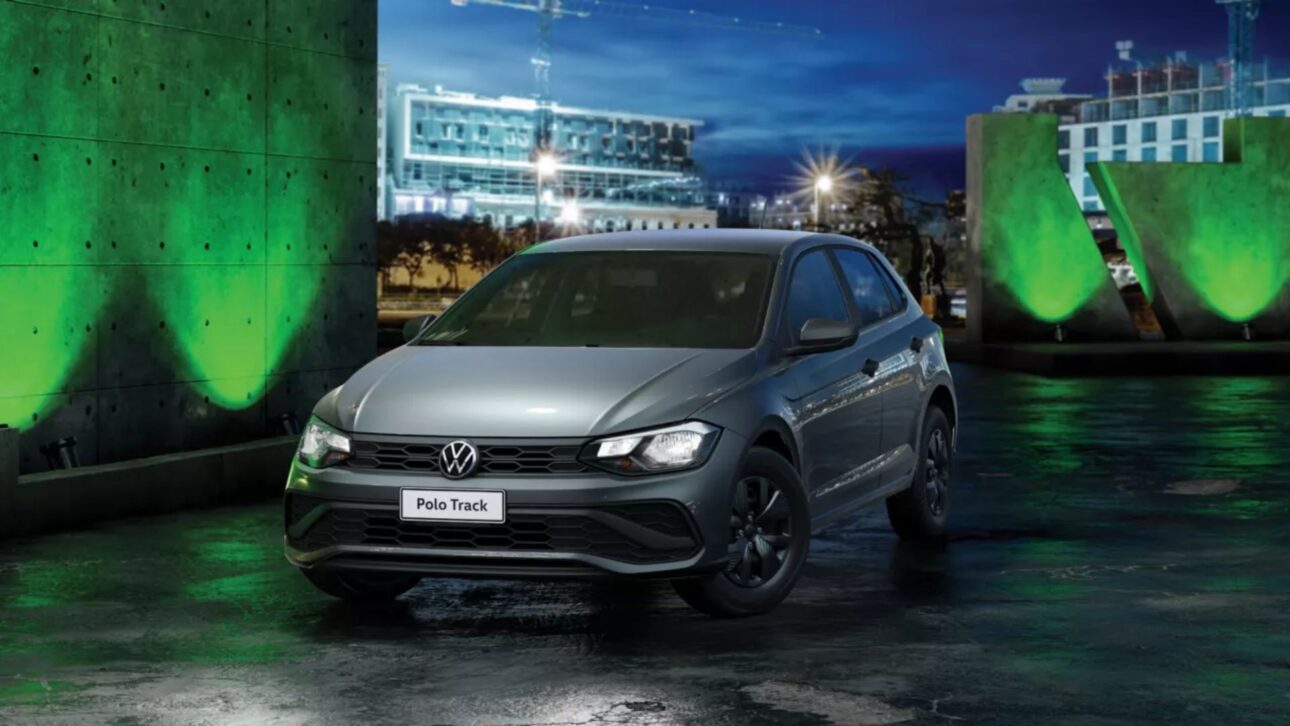
In addition, the 300-liter trunk represents a relevant differential in a segment marked by competition for interior space and functionality.
With modern lines and a design aligned with Volkswagen’s global visual identity, the Polo Track offers an internal experience designed for comfort.
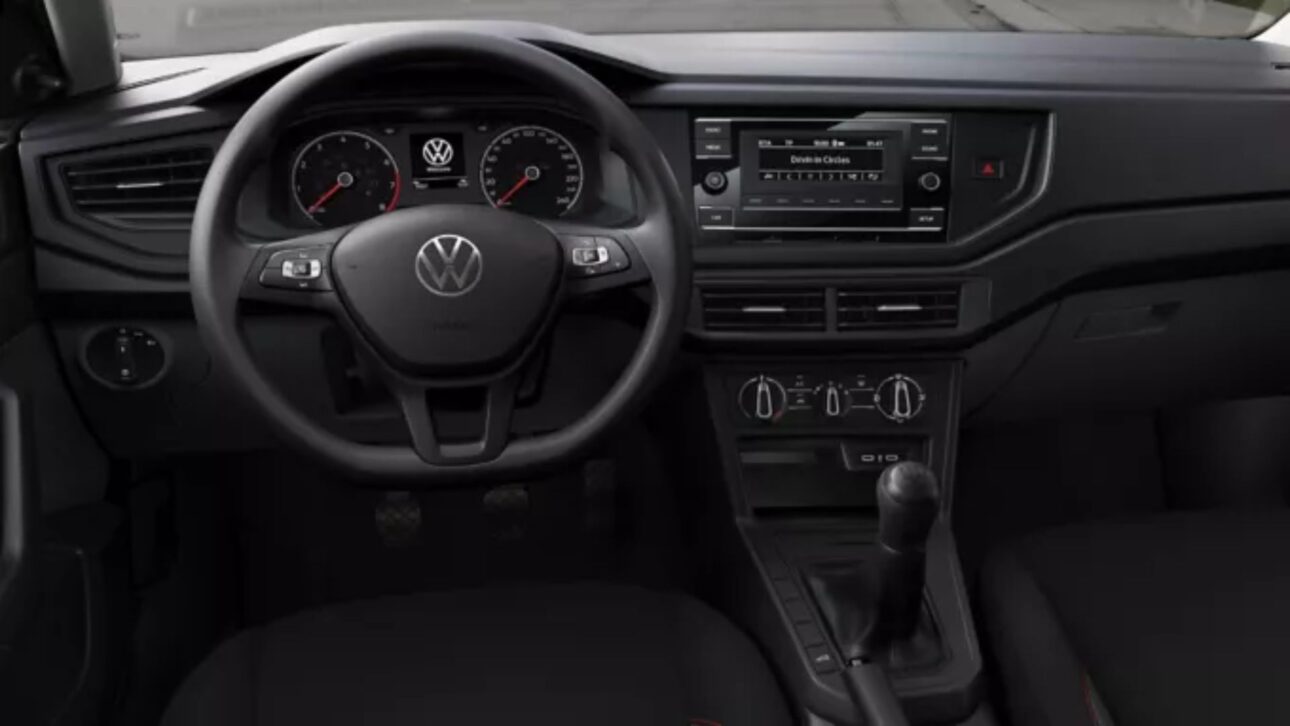
The instrument panel has been designed to facilitate access to the main functions, while the seats provide improved ergonomics, favoring longer trips without sacrificing comfort.
Details like power steering, air conditioning, electric windows, and locks come as standard equipment, reinforcing the model’s value package, which was designed to meet the needs of both experienced drivers and new ones.
Technical Highlights and Performance of the Polo Track
The Polo Track 2025 comes to market equipped with a five-speed manual transmission and front-wheel drive, a combination that seeks to optimize urban performance and provide agile responses in different traffic situations.
Acceleration from 0 to 100 km/h is achieved in 13.4 seconds, while the top speed reaches 169 km/h, figures that position the model competitively against the main rivals in the segment.
The maximum torque of 10.3 kgfm with ethanol (and 9.6 kgfm with gasoline) comes at low RPMs, allowing for safe and efficient acceleration in the traffic of big cities.
The list of safety equipment has also been enhanced.
The Polo Track comes standard with ABS brakes, front airbags, and electronic stability control (ESC), as well as systems like hill-start assist and Isofix anchorage for child seats.
These technologies aim to ensure the protection of occupants and meet the most stringent standards in the Brazilian automotive sector, complying with the technical and legal criteria required by the National Department of Transit (Denatran) and the National Institute of Metrology, Quality and Technology (Inmetro).
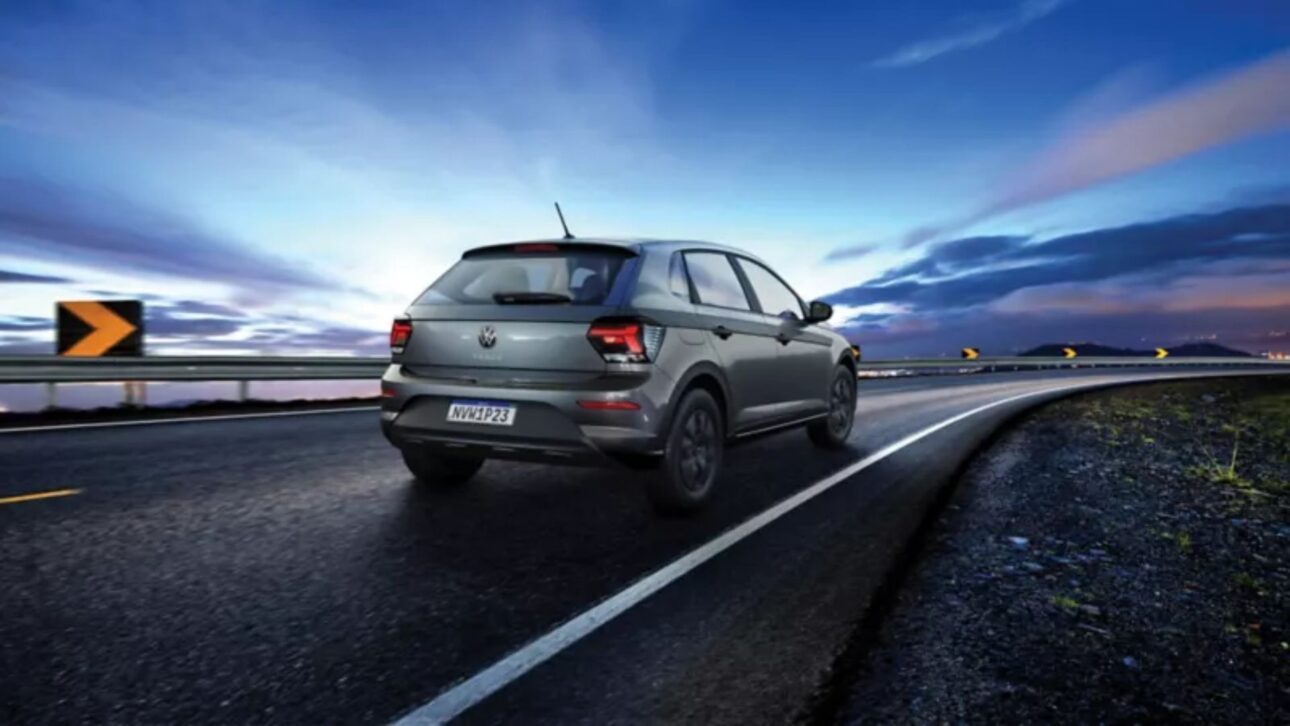
Consumption and Maintenance: Economy is a Highlight
According to tests from the Brazilian Vehicle Labeling Program, the Polo Track shows averages of 9.3 km/l with ethanol and 13.5 km/l with gasoline in the city, as well as 10.5 km/l (ethanol) and 15 km/l (gasoline) on highways.
The 52-liter fuel tank extends the range and reduces the frequency of stops for refueling.
Volkswagen also emphasizes the predictability of maintenance costs, an important element for those looking for a daily use vehicle without financial surprises over time.
The interior space of the Polo Track allows for seating up to five occupants, while the four doors ensure practicality both for families and for those who use the car as their main means of transportation.
185/65 R15 tires contribute to stability and comfort, especially on uneven surfaces, which are quite common on Brazilian urban roads.
Attributes That Differentiate the Polo Track
The presence of embedded technologies and smart solutions in the Polo Track are seen as competitive differentiators.
“The Polo Track combines fuel economy, efficient performance, and structural robustness, essential attributes for Brazilian consumers,” says a representative of the National Association of Motor Vehicle Manufacturers (Anfavea), highlighting the importance of the model in the context of renewing the portfolios of national automakers.
Another valued point is the connectivity.
Even in the entry-level versions, the Polo Track offers a sound system with USB input, Bluetooth connection, and steering wheel controls, adding convenience and safety for those who need to stay connected during the journey.
The vehicle’s design aims to meet different consumer profiles, from young audiences to more experienced drivers.
Competitive Advantages and Market Positioning
The cost-benefit ratio remains one of the major pillars of choice for the Polo Track.
Volkswagen’s hatch occupies second place in sales in Brazil thanks to the combination of attributes such as low consumption, intelligent interior space, and competitive pricing against direct competitors like Fiat Argo, Chevrolet Onix, and Hyundai HB20.
Recent data from the National Federation of Motor Vehicle Distribution indicates that the model has shown continuous growth in monthly sales since the beginning of 2025.
Furthermore, the ease of access to replacement parts and the extensive network of Volkswagen dealerships across the country contribute to increasing the perception of the vehicle’s reliability.
Consumers also cite mechanical durability and the brand’s tradition as decisive factors in choosing the Polo Track.
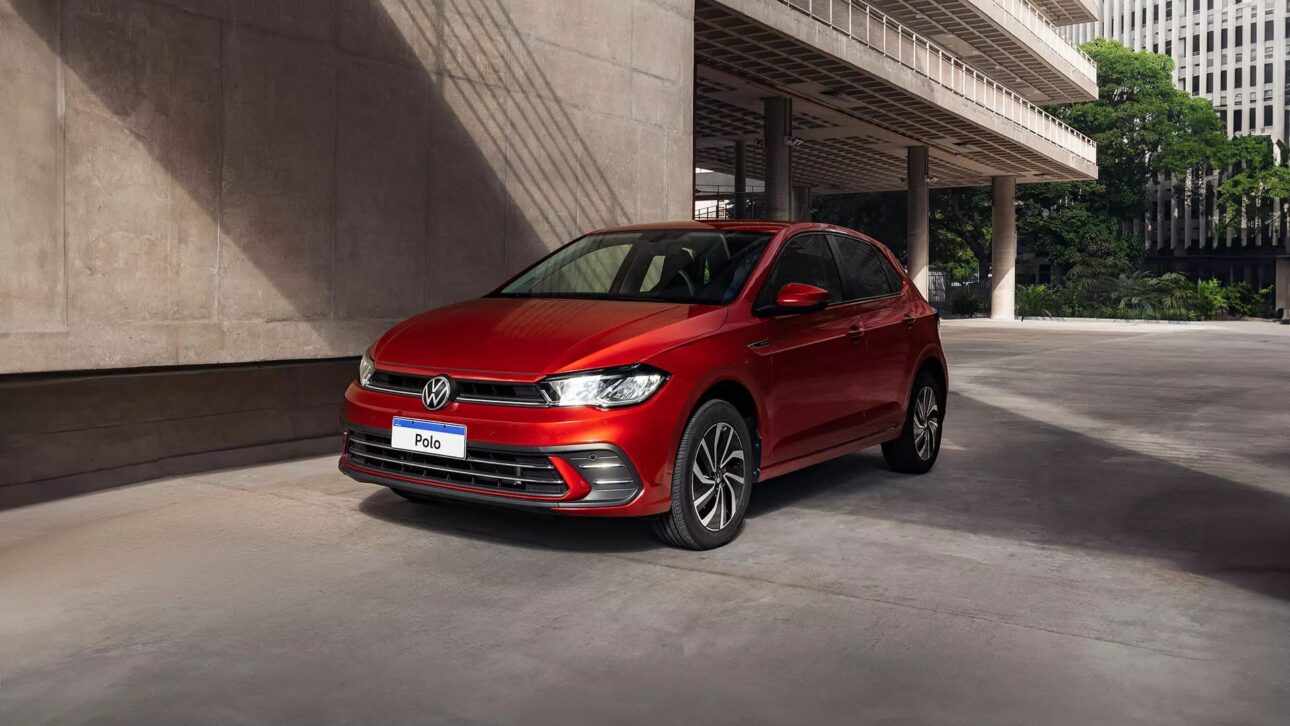
Summary Technical Sheet of the Volkswagen Polo Track 2025
- Engine: 1.0 MPI flex, 3 cylinders, 12 valves
- Power: 84 hp (ethanol) / 77 hp (gasoline)
- Torque: 10.3 kgfm (ethanol) / 9.6 kgfm (gasoline)
- Transmission: manual, 5 speeds
- Steering: electric
- Drive: front
- City Consumption: 9.3 km/l (ethanol) / 13.5 km/l (gasoline)
- Highway Consumption: 10.5 km/l (ethanol) / 15 km/l (gasoline)
- Trunk: 300 liters
- Fuel Tank: 52 liters
- Tires: 185/65 R15
- Number of Doors: 4
- Seats: 5
In the current market context, the Polo Track symbolizes Volkswagen’s bet on a hatch that balances tradition and innovation, maintaining its commitment to offering a relevant, economical product aligned with the expectations of Brazilian consumers.
For those who value efficiency, robustness, and accessible cost, the model solidifies its position as one of the main choices in 2025.
And for you, which aspect weighs more in your purchasing decision: fuel economy, interior space, or brand tradition? Leave your opinion in the comments and join the debate!








Tenho um ano 2023/24, é melhor carro que já possui… Muito satisfeito
Gostaria de saber se o custo nas manutenções anuais são altas?
São altas sim… Tive um, porém o UP TSi… Deu problema na bomba de pressão alta… 4.900 só
Tradição da marca, entre outros.