





 Portuguese
  English
  Spanish
  3 min of reading
  0 comments


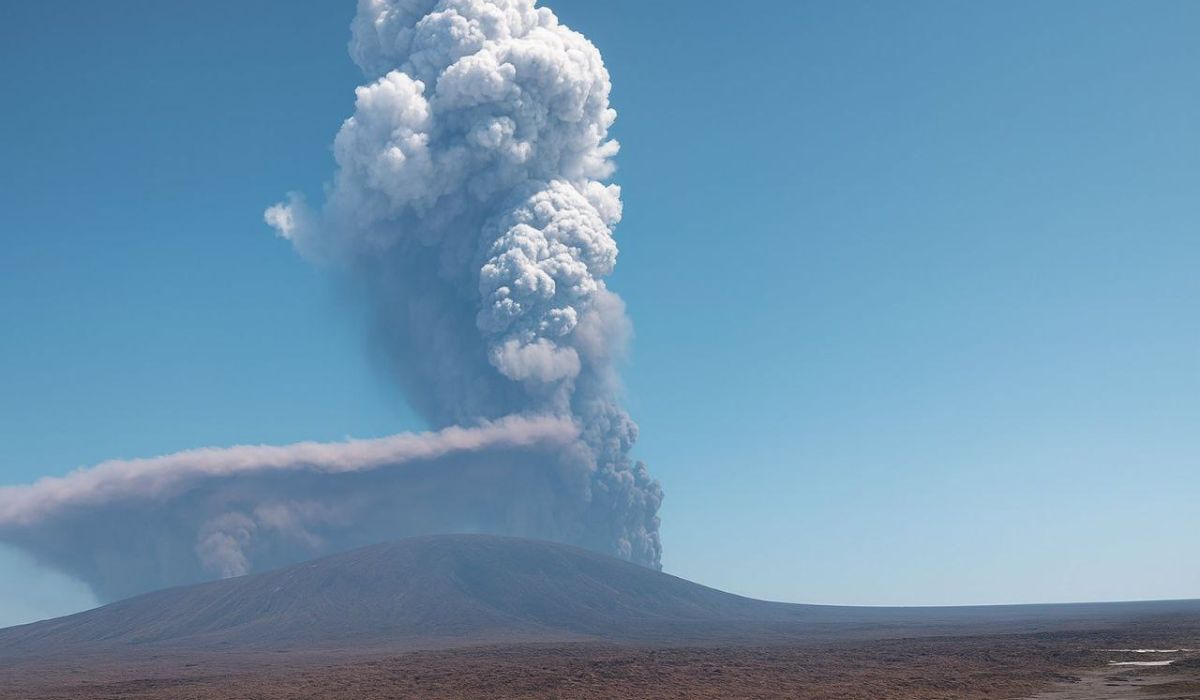
The Hayli Gubbi Volcano Erupts Again After Almost 12,000 Years, Spreading Ash Across Several Countries and Reigniting Studies on Risks, Impacts, and Monitoring in Remote Areas
The Hayli Gubbi volcano in northeastern Ethiopia has awakened after almost 12,000 years, and this recent activity has generated significant global interest. The eruption sent ash clouds up to about 14 kilometers high, scattering particles across distant countries and prompting new analyses on volcanic risks and socioeconomic impacts.
Volcano Activity and Immediate Impact
The eruption occurred in the Rift Valley, an area marked by intense tectonic plate activity. This geological environment explains the strength of the phenomenon, which raised ash clouds visible from kilometers away.
Additionally, the particles reached areas such as the Red Sea, Yemen, Oman, India, and Pakistan, raising concerns about climatic effects and aviation risks.
While no casualties have been reported, nearby villages are dealing with layers of ash that affect grazing and threaten livestock feed, creating economic challenges for pastoral communities.
Ash Spread and Regional Effects
The emitted ash traveled long distances, and this dispersion could impact air quality, local climate, and the operational safety of air routes, according to reports released after the event.
The presence of particles in multiple countries underscores the importance of monitoring Hayli Gubbi’s behavior, as the territorial spread amplifies scientific attention.
Therefore, researchers emphasize that each ash wave alters atmospheric variables, which demands constant observation and integrated analysis between specialists and airport authorities.
-
Technology developed to protect military communications in the 1940s scrambled voices and today gives rise to the robotic sound that dominates current music.

-
If you look at the sky this Wednesday, you will see the Pink Moon shining at its peak at 10:11 PM, but before you get disappointed, know that the name has nothing to do with the color and instead refers to flowers that bloom at this time in the United States.

-
Discovery at USP reveals how Brazilian arnica can revolutionize the production of silver nanoparticles with less environmental impact.

-
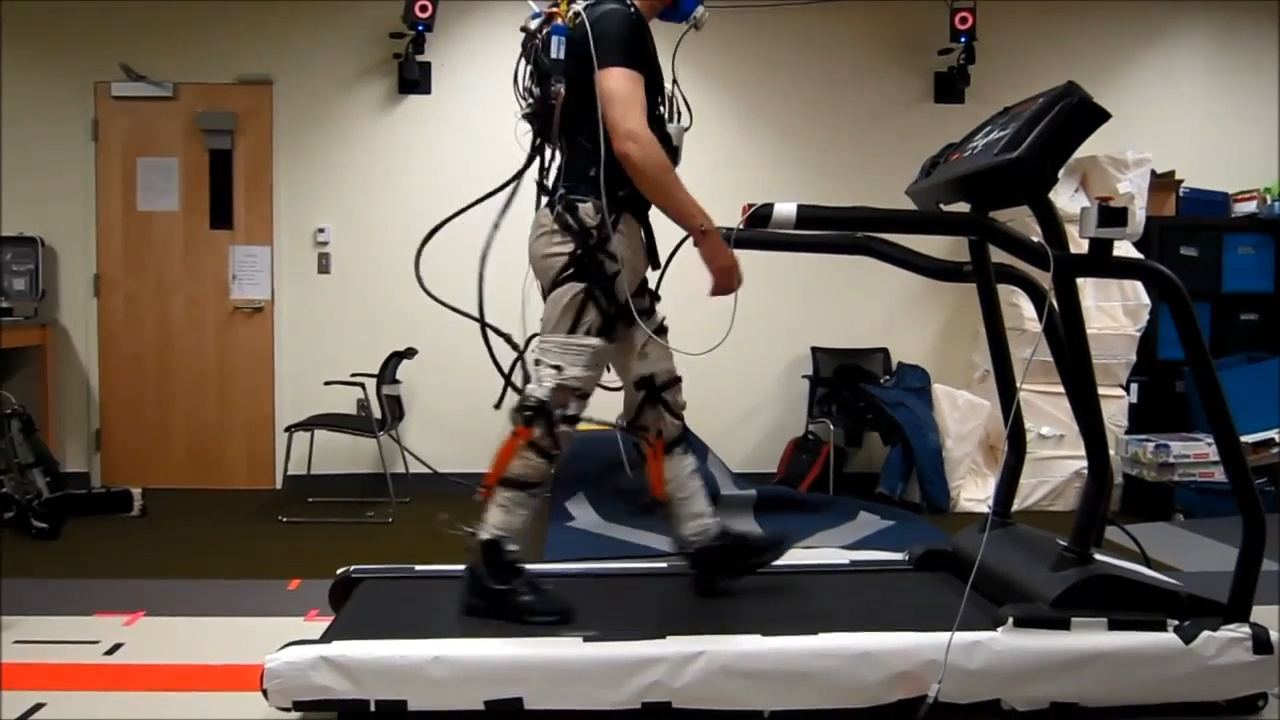
Harvard scientists have created a tissue exoskeleton that does not look like an exoskeleton, with no rigid parts and reduced weight, using flexible cables and miniaturized motors to assist the ankle and hip, reducing the effort of walking by up to 23% in controlled tests.

Economic Impact on Local Communities
An official quoted by The Guardian explained that, despite the absence of casualties, the eruption has intensified the economic problems of the area’s residents.
As a direct consequence, livestock is struggling to feed, as pastures have been covered with ash.
Thus, the risk of scarcity increases, and families dependent on livestock may face significant losses.
Consequently, the eruption heightens social vulnerability, making adequate management of the situation essential to reduce future economic aggravations.
Scientific Monitoring by Satellite
Due to its remote location, monitoring relies heavily on satellite imagery, which has been essential for safety observations and research.
The Global Volcanism Program of the Smithsonian Institution recorded that there have been no eruptions at Hayli Gubbi since the Holocene, a period that began around 12,000 years ago.
Thus, science employs advanced technologies to measure ash altitude, cloud displacement, and potential new seismic signals, ensuring more precise analyses in extreme conditions.
Therefore, the eruption reinforces the importance of modern geological monitoring strategies, especially in isolated areas.
Volcanological Significance of the Event
The eruption, unprecedented since the last glacial period, provides a rare opportunity to understand the behavior of volcanoes that have remained dormant for millennia.
Therefore, studying such an unusual phenomenon allows for deeper predictions, pattern identification, and understanding of risks associated with long periods of inactivity.
Furthermore, the presence of ash in distant regions raises debates on environmental and climatic effects, attracting the attention of volcanologists and climatologists.
Thus, the event marks the end of a calm interval and inaugurates a phase of scientific inquiries, essential for preventing damage in future occurrences.
Changes in Scientific and Community Perception
With the combination of atmospheric impacts, economic effects, and monitoring challenges, Hayli Gubbi alters how experts and local populations perceive volcanic risks.
Thus, the eruption reinforces that long-dormant natural phenomena still have the capability to provoke significant transformations, both in the daily lives of communities and in the evolution of global volcanological studies.






Seja o primeiro a reagir!