





 Portuguese
  English
  Spanish
  5 min of reading
  0 comments


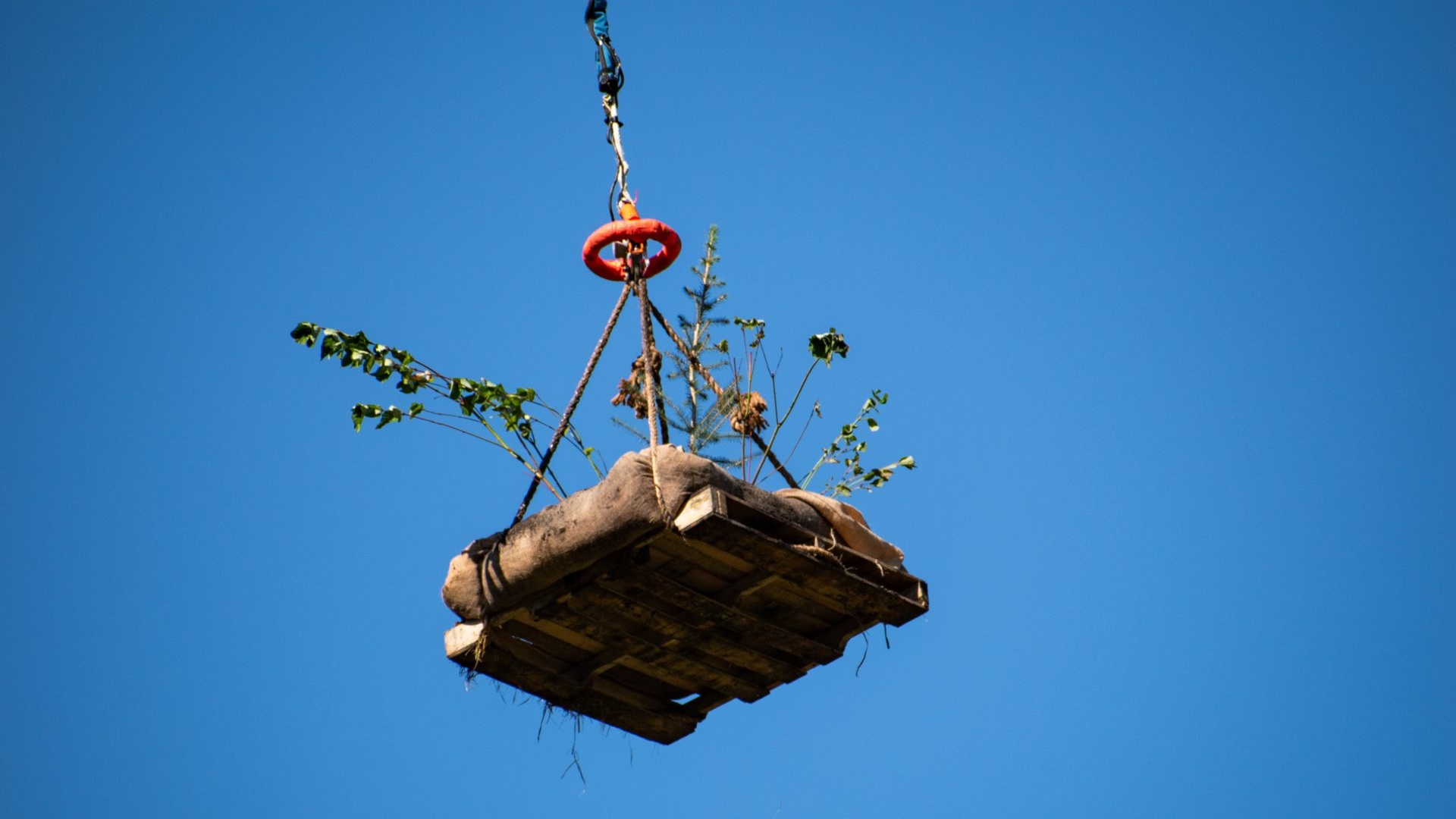
Helicopters transported 90 pallets with soil, trees, and shrubs to a wetland dominated by invasive grass in Washington, in an experiment by the Tulalip Tribes aiming to restore salmon habitat, generate shade, weaken aggressive vegetation, and test an uncommon ecological recovery technique
Recently, helicopters transported wooden structures resembling artificial islands with soil and native vegetation into a wetland dominated by an invasive grass in the U.S. state of Washington.
The action aimed to restore habitat for fish and recover a difficult-to-access swamp in the Wallace River basin.
The action was conducted by the Tulalip Tribe, a Native American tribe officially recognized by the U.S. federal government.
-
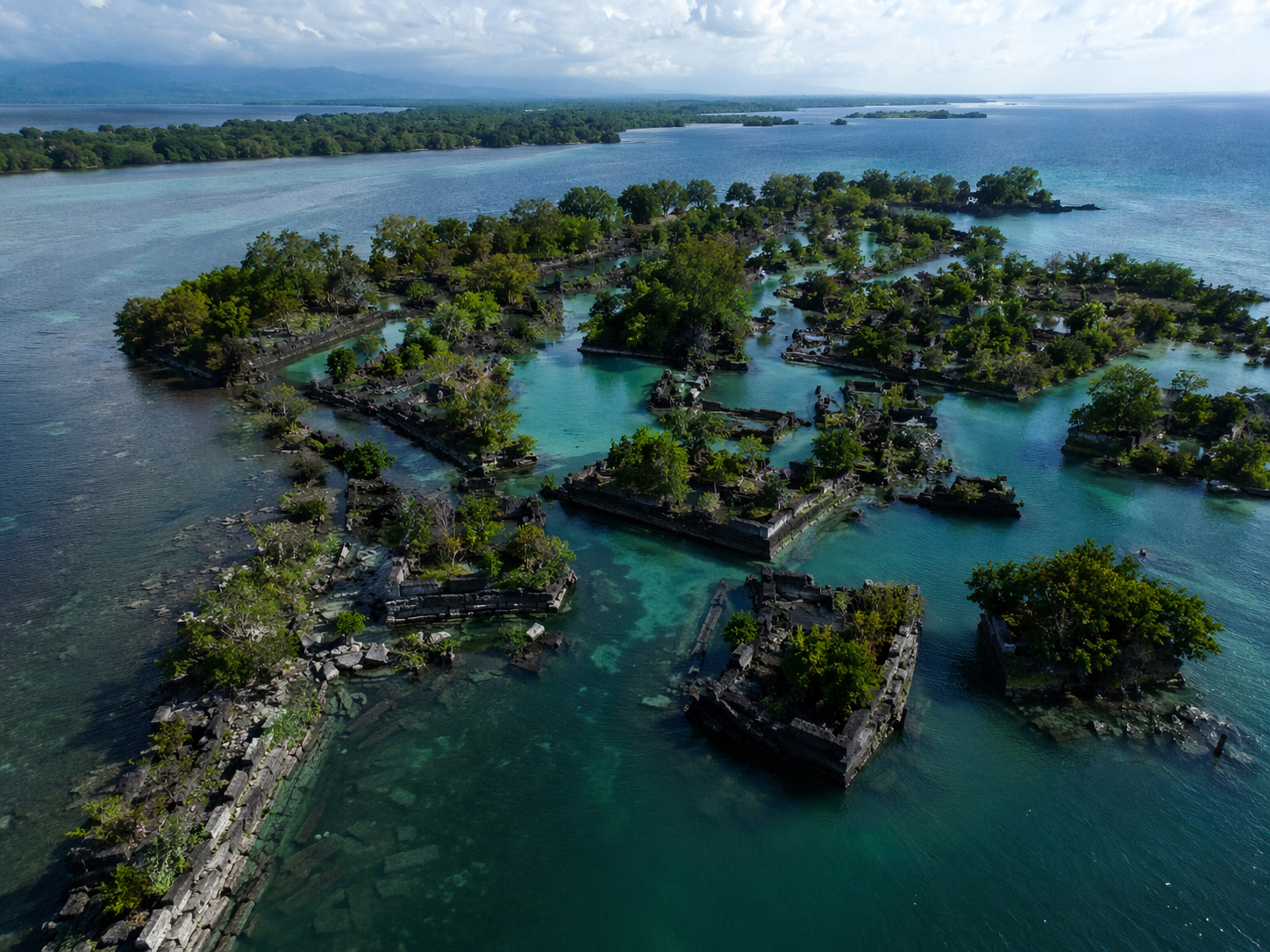
The lost city of Nan Madol challenges logic by emerging in the middle of the Pacific with canals, geometric islands, and tons of stone that were moved without known technology.
-
Few know, but China has a ghost fleet of up to 2,000 boats near Japan and turns fishing into silent strategic pressure in the East China Sea.

-
A man found a children’s book at his parents’ house in Greece that should have been returned to a library in the United States in 1989 and decided to take it back 36 years later because he felt it was the right thing to do.

-
The Federal Revenue Service raises a warning signal for heirs.

Project targets degraded swamp in Washington
The experiment was implemented in Bear Creek, a tributary of the Wallace River, in the state of Washington. The chosen area was overrun by reed canarygrass, scientifically known as Phalaris arundinacea, a perennial invasive grass that threatens wetlands in regions historically used by the Tulalip Tribes.
On-site, the invasive species already occupied the swamp intensely. The problem was not just botanical. The dense vegetation hindered water circulation, compromised habitat structure, and worsened conditions for fish in an area that is part of an important basin for salmon.
Difficult access led to uncommon solution
The intervention took shape because the terrain practically prevented conventional restoration.
Deep channels hidden beneath the vegetation and beaver activity made the swamp unsafe for teams on foot, as well as increasing the risk of disturbing the area during any work done with traditional methods.
It was in this scenario that the project’s most uncommon solution emerged: to assemble small vegetated platforms outside the swamp and transport them by helicopter into the wetland.
The technique was presented by the responsible parties as a way to introduce native vegetation into a dangerous or too difficult environment to receive teams and vehicles without additional damage.

Pallets became “islands” of native vegetation
The pallets used in the project were not simple transport bases. The Tulalip Tribes assembled 120 wooden pallets with leaves, soil suitable for wetlands, biodegradable planting stakes, and Manila rope. Each unit received one native tree and four native shrubs.
In the initial public description of the project, these structures were presented as pallets covered with soil, conifers, and flowering shrubs.
The logic of the intervention was to give a physical advantage to native species over the invasive grass. Instead of trying to compete directly with the mass of reed canarygrass at the same level of the saturated soil, the project created small vegetated elevations capable of initiating shade and structure in an already occupied terrain.
Operation installed 90 pallets in a single day
The original plan called for the installation of 120 pallets distributed across four plots. However, on October 12, 2023, the team managed to position about 90 pallets in three plots within the swamp dominated by the invasive species.
The three areas with pallets measured 50 by 60 feet each. The experiment was designed to generate direct comparison between different techniques in the same environment, giving the project a character of applied testing rather than just visual demonstration or isolated operation.
Method was compared with conventional restoration
In addition to the pallets transported by helicopter, the Tulalip Tribes established three plots of conventional restoration with 350 live willow stakes per plot. Three control plots were also maintained within the same wetland for comparison.
Before the installation of the pallets and stakes, all plots received measurements of vegetation cover using the line-intercept method.
This design allows tracking over the years whether native vegetation gains space and whether the reed canarygrass loses dominance with the advance of shade and structure created by the introduced plants.
Goal is to restore habitat and contain invasive species
The reed canarygrass is identified by the Tulalip Tribes as a direct threat to the functioning of the wetland. The plant forms dense masses, obstructs channels, and degrades aquatic habitat, reducing environmental complexity and worsening conditions for fish. The public description of the project states that the invasive species makes the salmon habitat tighter, more exposed to warm water, and poorer in prey.
The experiment was set up to answer two central questions. The first is whether the pre-planted pallets can establish native vegetation in very difficult or dangerous locations for conventional restoration.
The second is whether this vegetation can generate enough shade to weaken an already established infestation of reed canarygrass.
If the results are positive, the technique could be used in other similar scenarios. The 2025 summary indicates that the method could serve for restoration areas difficult for field teams, such as tidal-influenced floodplains or environments filled with channels formed by beavers.
Monitoring continues
The most recent monitoring located in open source indicates favorable initial results for the survival of the trees. In monitoring conducted on May 2, 2024, almost all the trees were still alive, although a bear had overturned some pallets.
The project will continue with annual monitoring for at least five years. This timeframe was set to measure whether the initial survival gain is maintained and whether the strategy truly produces sufficient structural change to reduce the invasive species and consolidate a more stable native vegetation in the swamp.
So far, a consolidated final balance with closed percentages of reed canarygrass reduction or complete vegetation cover data after several monitoring cycles has not appeared in public sources.
What is already confirmed is that the experiment continues to be treated as a long-term project and remains part of the broader agenda for wetland management by the Tulalip Tribes.
Wetlands occupy a significant part of tribal lands
The emphasis given to the project reflects the importance of wetlands to the Tulalip Tribes. In a 2025 presentation, the tribe reported that there are about 500 wetlands or wetland complexes delineated in the reservation, occupying approximately 20% of the area.
Since 2016, 62 of these environments had been formally assessed within the monitoring and assessment strategy of the tribal program.
This context helps explain why such an uncommon action was carried out. The project in Bear Creek does not appear as an isolated experience disconnected from the tribe’s broader environmental work, but as part of a larger effort to monitor the health of wetlands, their plant communities, water quality, fish habitat, and the internal and external stressors affecting these environments.
Technique combines simplicity of materials with complex logistics

The image of the helicopter carrying pallets draws attention, but the experiment combines simple elements with sophisticated execution.
Wood, soil, young trees, shrubs, ropes, and degradable stakes were used to create small repeated units of restoration. At the same time, the operation required field planning, licensing, comparative experimental design, and multi-year monitoring.
The result is an attempt to tackle a recurring problem in environmental recovery projects: areas so degraded and so difficult to access that common methods lose efficiency or increase the risk of damage.
In Bear Creek, the bet was to shift restoration from the ground to the air, bringing prepared native vegetation into a swamp where traditional intervention logic had stumbled on the terrain.
Click here for more information.






Seja o primeiro a reagir!