





 Portuguese
  English
  Spanish
  7 min of reading
  2 comments


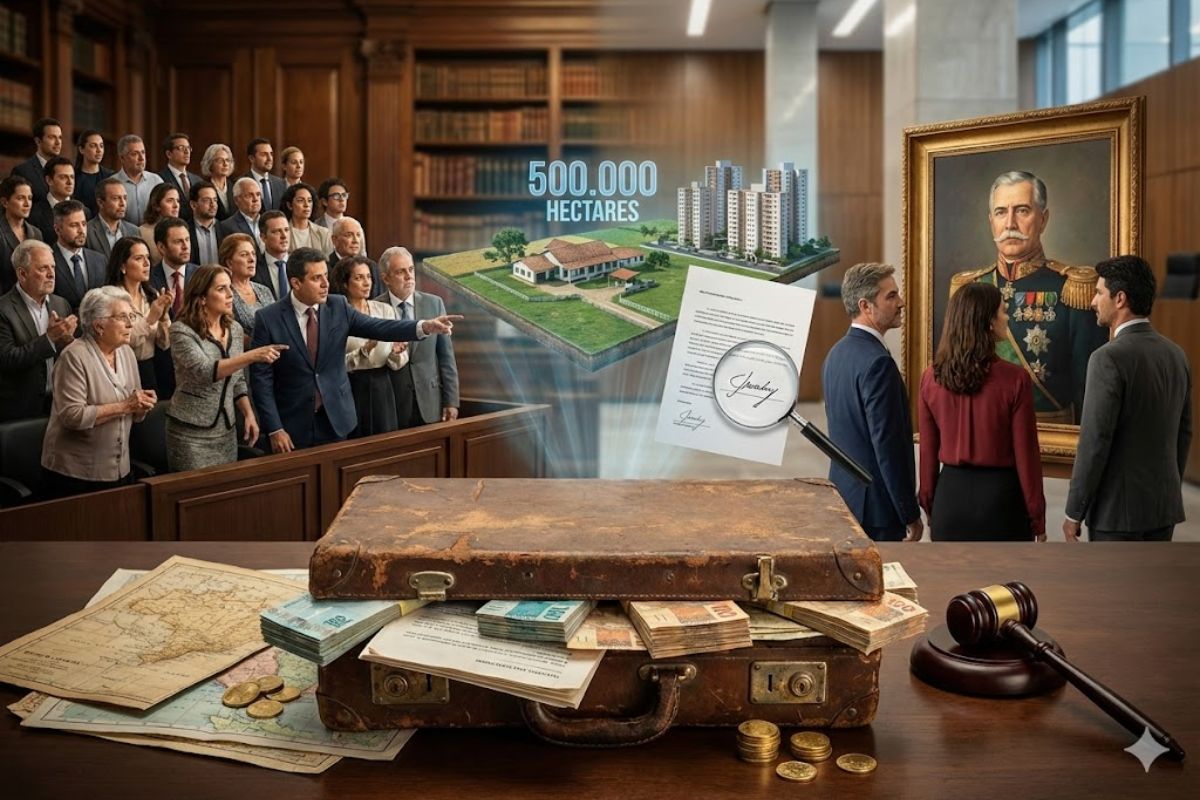


Million-Dollar Inheritance of Marshal Nicolau José Seixas, Who Died in 1999, Opposes 47 Nieces and Nephews to Three Adopted Heirs in Hospitalization, Raises Suspicions of Forged Signature in Hospital, Blocks Farm of 500 Thousand Hectares, Apartments in Brasília, and Investments Valued in Millions of Reais in Court, in Long and Controversial Legal Dispute.
On July 18, 1999, a power of attorney signed in the name of Marshal Nicolau José Seixas, hospitalized with leukemia at the Armed Forces Hospital in Brasília, ignited the dispute over the million-dollar inheritance he left behind. Months later, in November 1999, a police investigation was opened to investigate the theft of copies of his medical record and to fuel suspicions that the signature used to facilitate a posthumous adoption may have been forged.
As published by Domingo Espetacular in November 2025, decades after the marshal’s death in 1999, and after his story was recalled in a newspaper in 2014, the family remains divided: 47 nieces and nephews are contesting in court the posthumous adoption of three relatives who ended up as the exclusive heirs, while farms, apartments, and million-dollar investments remain blocked pending a resolution about the fate of the fortune.
Who Was the Marshal Behind the Million-Dollar Inheritance
Nicolau José Seixas rose to the rank of marshal in the Army after fighting in World War II, where he was even decorated by the King of England.
-
The noise law will no longer be in effect at 10 PM starting in June with a new rule valid during the 2026 World Cup.

-
The Chamber opens a debate on driver’s licenses at 16 years old as part of a reform that includes around 270 proposals to change the Brazilian Traffic Code and may redesign rules for licensing, enforcement, and circulation in the country.

-
The new Civil Code could revolutionize marriages in Brazil with “express divorce” and changes that could exclude spouses from inheritance.

-
Banco do Brasil sues famous influencer for million-dollar debt and intensifies debate on delinquency, risks of seizure, and direct impact on Gkay’s credibility.

In Brazil, he held high-responsibility positions: he was the head of the Federal Police and director of border police during João Goulart’s government, until he was affected by the dictatorship in 1964.
In the post-dictatorship period, he began to enjoy the wealth accumulated throughout his career in public positions, real estate, land, and shares. According to relatives, the marshal left behind farms, apartments scattered across Rio de Janeiro, Brasília, and São Paulo, and homes in different cities.
Nicolau never married nor had biological children. He was described by his family as a generous man, seen as the “angel of the family”, always ready to help.
He kept a notebook in which he noted every property he bought and told relatives that in the future, they would divide the inheritance. For many nieces and nephews, this notebook was a sign that the million-dollar inheritance would be shared among all.
Posthumous Adoption and Three Exclusive Heirs
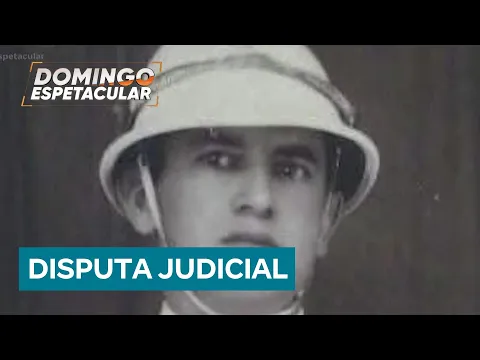

The marshal died in 1999 without a formalized estate. By the natural order, the million-dollar inheritance would have been destined for his sisters Sueli and Teresa, who were still alive at the time. Sueli took on the role of executor, but the lack of an estate opened the door for the current dispute.
The conflict exploded when three relatives filed a lawsuit for a posthumous adoption. They are Nara and Sandra, daughters of sister Anita, and Ricardo, the marshal’s great-nephew.
With the adoption recognized, the three became exclusive heirs to all the wealth left by the military, surprising the rest of the family.
According to nieces and nephews who are now contesting the situation, most family members had no idea that there was an ongoing adoption process.
They claim they only discovered the case years later when a cousin located, in the Superior Court of Justice, a sealed case related to the adoption during the marshal’s hospitalization.
Power of Attorney from Sunday, Hospital, and Suspicion of Signature
The central point of the dispute is the power of attorney used to facilitate the posthumous adoption. Relatives opposing the act claim that the entire procedure was based on a power of attorney in the name of Jorge Vidal, the marshal’s lawyer. The document is dated July 18, 1999, a Sunday, which initially caught the family’s attention.
When contacting the registry office, a relative was informed that the signature on that power of attorney was recognized in person.
This information clashes with medical records. The marshal spent the last seven months of his life hospitalized, most of the time at the Armed Forces Hospital in Brasília, for treatment of leukemia, undergoing surgery and chemotherapy.
According to the records, Nicolau did not leave the hospital on any day during that period due to his fragile health, with low blood pressure and an infection that required antibiotic use.
In another document, there is an indication of compromised mental faculties, which, according to family members, would make it even more unlikely for him to have traveled to a registry office to sign a power of attorney in person.
After this finding, the dispute over the million-dollar inheritance entered a new phase, with requests for expert assessments, appeals, and contested decisions in different instances.
Signatures in the Trash and Expert Assessment on Differences in the Stroke
The case gained more traction when a grandmother of some of the nephews found, in the trash, a prescription sheet with signature practice on the back. The material was attached to the case as a possible lead of fraud. From then on, the family’s lawyers requested a new assessment of the signature on the power of attorney used in the adoption.
In the assessment by expert Márcio Montesani, called to analyze the case, the signature is a drawing with specific cerebral characteristics.
When comparing the signature on the power of attorney with other signatures of Nicolau, he noted differences in the strokes, especially in the construction of the letter S in “Seixas” and how the signature is positioned in relation to the printed text.
In one of the signatures considered original, used when the marshal was admitted to the hospital, the letter S appears to be constructed differently, and at the end of the name, there are three dots that repeated as a personal mark. In the signature of the power of attorney, the three dots do not appear, and the distribution of the words has different height and alignment from other references.
The expert avoids declaring that there was forgery but states that there are strong indications of differences between the signature on the power of attorney and other signatures attributed to the marshal, which fuels part of the family’s narrative that the document that underpinned the posthumous adoption would be invalid.
Giant Farm, 12 Properties, and Blocked Assets
At the center of the dispute over the million-dollar inheritance are urban properties, financial investments, and large rural properties. One of the farms in Goiás has about 500 thousand hectares and spans two cities, in an area almost the size of the territory of Brasília.
This farm is now one of 12 rural properties involved in the legal battle. For some great-nephews, visiting the area is both a source of pride and sadness.
They recount growing up hearing stories about the place and visiting waterfalls on their uncle’s lands, which he was said to have as one of his passions.
The apartments in Brasília are another sensitive point. The marshal lived in the capital for 38 years and accumulated valuable properties. According to the family, the collection of assets represents a fortune valued at millions of reais, now entirely blocked by the courts until there is a definitive outcome for the succession process.
Family Divided Between “Fraud” and Affective Right
On one side are nieces and nephews like Sílvio, Américo, and Adriana, who say they feel wronged by the concentration of the inheritance in the hands of the three adopted heirs. For this group, the adoption process was nothing more than a legal fraud to divert the wealth that, in their view, should be shared by the entire family.
They highlight the memory of the marshal as someone who treated his nieces and nephews with almost paternal affection, but equally.
The notebook where he recorded houses, lands, and farms and said the future family would split the inheritance is cited as a symbol of the intention to share the million-dollar inheritance.
On the other side are Nara, Sandra, and Ricardo, described as adopted children during the hospitalization. When approached by the press, the adoptive heirs stated that they will not discuss situations that have already been resolved in court, without going into details about the adoption or the content of the power of attorney questioned by other relatives.
Position of the Hospital and What Still Needs to Be Clarified
The legal department of the hospital where the marshal was hospitalized reported that it does not have records of admissions and discharges during the period when the power of attorney would have been signed.
The institution also stated that any additional information about the patient should be requested directly by the family members, as the medical data is considered private.
As a result, part of the decisive documents remains under the family’s own control, while lawyers attempt to produce new evidence, reconstruct the events of 1999, and demonstrate in court whether the signature that supported the posthumous adoption is authentic or not.
In the midst of the dispute are 47 nieces and nephews, three adoptive heirs, and a million-dollar inheritance composed of giant farms, apartments in Brasília, and blocked financial investments, waiting for a resolution that will finally end a fight that has already spanned generations.
In your opinion, in a case like this, what should weigh more in the division of a million-dollar inheritance: the affective bond built throughout life or what is rigorously written in the documents?










Primeiro resta saber como um militar ficou tão rico em tão pouco tempo…
Aparenta um truque dos três ditos adotados.