





 Portuguese
  English
  Spanish
  3 min of reading
  0 comments


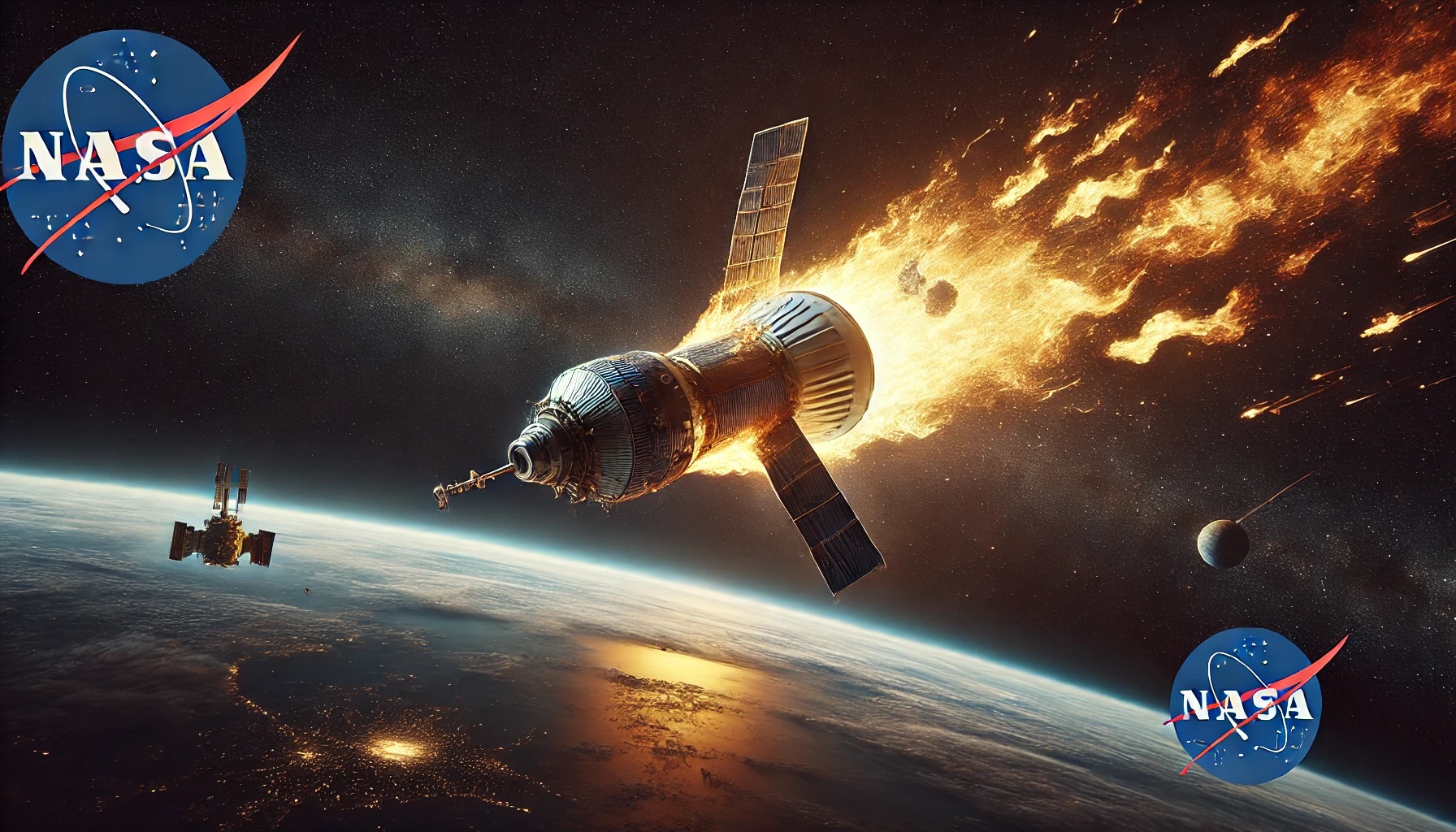
After Almost 15 Years of Operation, the NEOWISE Satellite Burned Up in the Atmosphere, but Left a Legacy That Will Boost NASA’s Next Mission in the Hunt for Asteroids.
NASA announced the end of an era last Friday (1), when the NEOWISE satellite, also known as the “asteroid hunter”, made its reentry into the Earth’s atmosphere, being incinerated as planned. After almost 15 years of operation and over 3,000 detected asteroids, the legacy of this NASA mission continues to impact science.
Meet the NEOWISE Satellite, Which Went from Universe Explorer to Asteroid Hunter
Launched in December 2009 as WISE (Wide-Field Infrared Survey Explorer), the satellite began its journey on a Delta II rocket from United Launch Alliance. Initially, its mission was to observe the cosmos in infrared wavelengths, revealing secrets that the human eye cannot see. For over a year, WISE gifted us with impressive discoveries: super luminous galaxies, millions of hidden black holes, and extremely cold stars.
However, in February 2011, with the end of the cooling supply necessary for its operation, the satellite was put into hibernation. Nevertheless, the story was far from over. In 2013, it was reactivated with a new mission: to locate near-Earth objects (NEOs). Thus, NEOWISE was born, a true asteroid hunter.
-
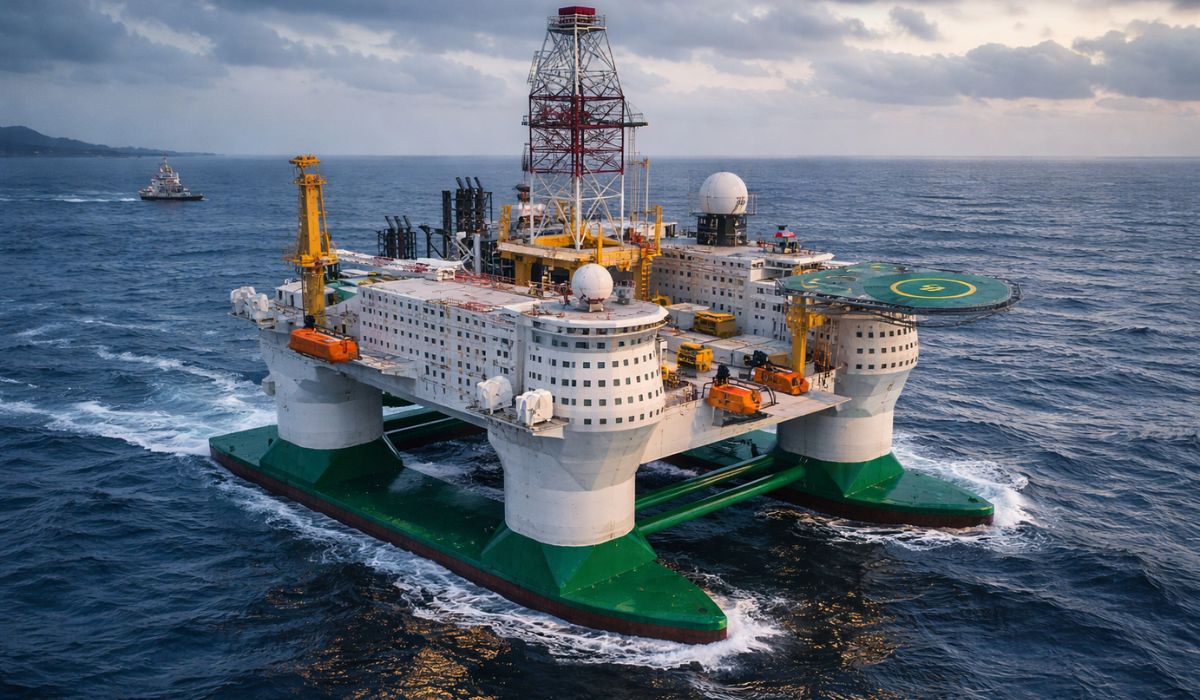
China has launched the world’s first floating artificial island, a scientific structure designed to face open seas, test equipment weighing hundreds of tons, and reach depths of 10,000 meters.
-
China accelerates global science and may surpass the United States in 2 years with increased public investment, continuous growth, and direct impact on the global technological competition.

-
Scientific studies indicate that drought may be strengthening a much greater silent threat: more resistant superbugs.

-
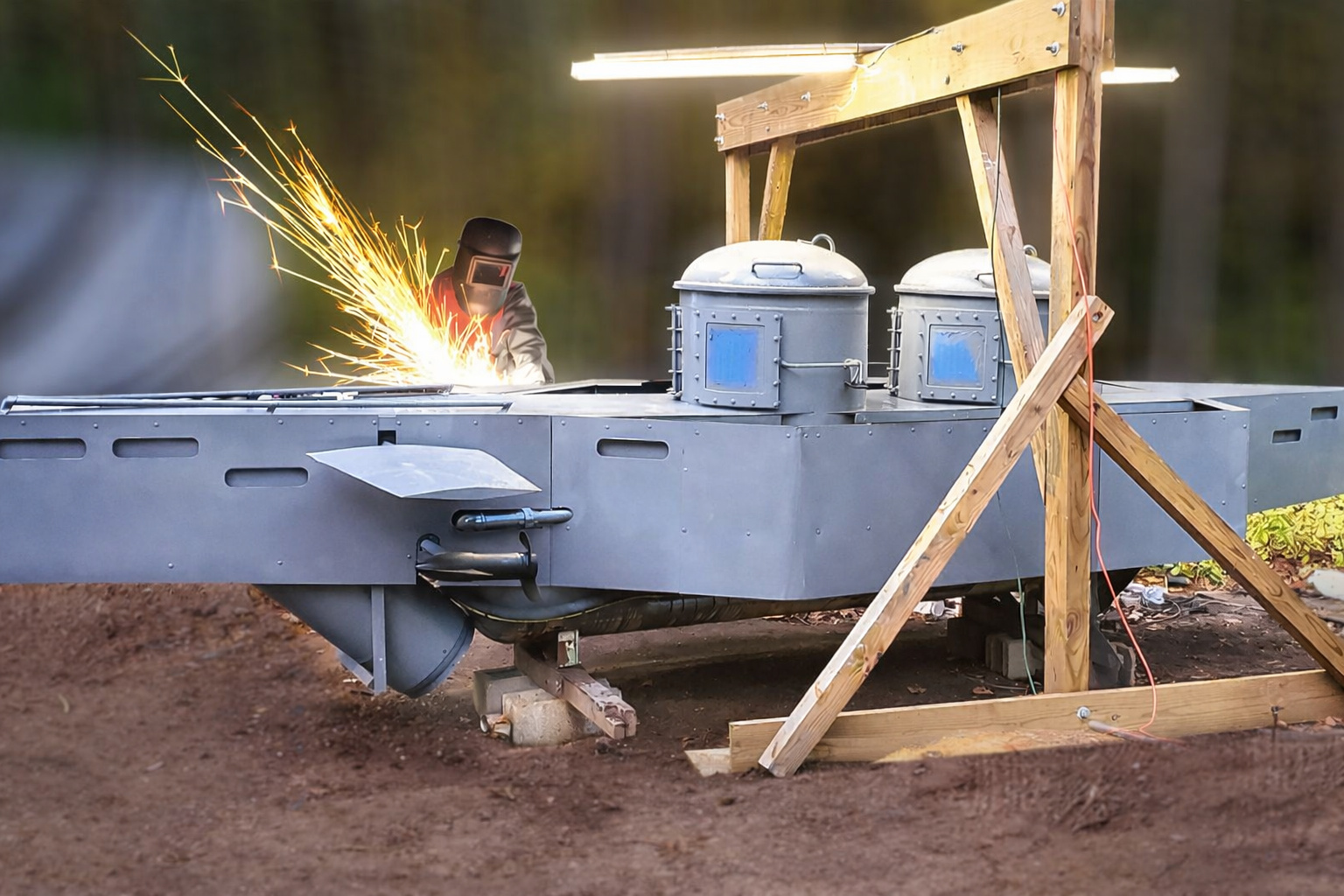
Man builds functional 5-meter submarine in his garage using gas cylinders, PVC pipes, and a refrigerator motor, and navigates with the vessel on a lake in Colombia.

The Success of NASA’s Asteroid Hunter
Since its reactivation, the asteroid hunter has proven to be a crucial tool in detecting asteroids. According to Amy Mainzer, the principal investigator of the mission, the probe has excelled in efficiently identifying these celestial bodies. In an interview with Space.com, she emphasized the importance of the data collected by the satellite.
Joseph Hunt, the last manager of the NEOWISE project, stated that the mission exceeded all initial expectations. The data obtained will continue to be a valuable research source for the scientific community for decades. “The mission was one of NASA’s most successful in terms of asteroid detection,” declared Hunt.
What Led to NEOWISE’s ‘Death’?
The end of NEOWISE was not caused by technical failure or obsolescence. In fact, the cause was nature itself: the solar cycle. During solar maximum, which occurs every 11 years, the Sun reaches a peak of activity, resulting in solar flares and coronal mass ejections (CMEs). This increase in activity heats and expands the Earth’s atmosphere.
As a result, the satellite, which was in a low orbit and did not have a propulsion system, succumbed to the increased atmospheric resistance. NASA confirmed that the end of the mission was planned, and the asteroid hunter fulfilled its role until the last moment.
A New Asteroid Hunter
Although NEOWISE has said goodbye, NASA’s mission to protect Earth from asteroids is far from over. The agency is already looking to the future with the development of the NEO Surveyor, the first space telescope specifically designed to search for near-Earth objects in infrared wavelengths.
The NEO Surveyor, scheduled to launch in 2027, promises to elevate planetary defense. It will be capable of detecting asteroids with greater precision and range, helping NASA to identify potential threats earlier. This new tool will assist NASA’s mission to monitor space and protect our planet.
Why is Asteroid Detection So Important?
Detecting asteroids is not just a matter of scientific curiosity. These celestial bodies, while fascinating, can represent a real risk to Earth. Events like the impact that caused the extinction of the dinosaurs demonstrate the destruction power that an asteroid can have.
Therefore, NASA invests in missions such as NEOWISE and the future NEO Surveyor. Identifying and tracking asteroids allows scientists to develop strategies to deflect or minimize the impact of these objects, should any of them enter into a collision course with Earth.
The end of the NEOWISE asteroid hunter marks the conclusion of a historic mission, but its legacy remains. Over nearly 15 years, the satellite not only located thousands of asteroids but also contributed to the understanding of the Universe on a broader scale. The data it collected will continue to be analyzed and utilized by scientists worldwide.








Seja o primeiro a reagir!