





 Portuguese
  English
  Spanish
  5 min of reading
  0 comments


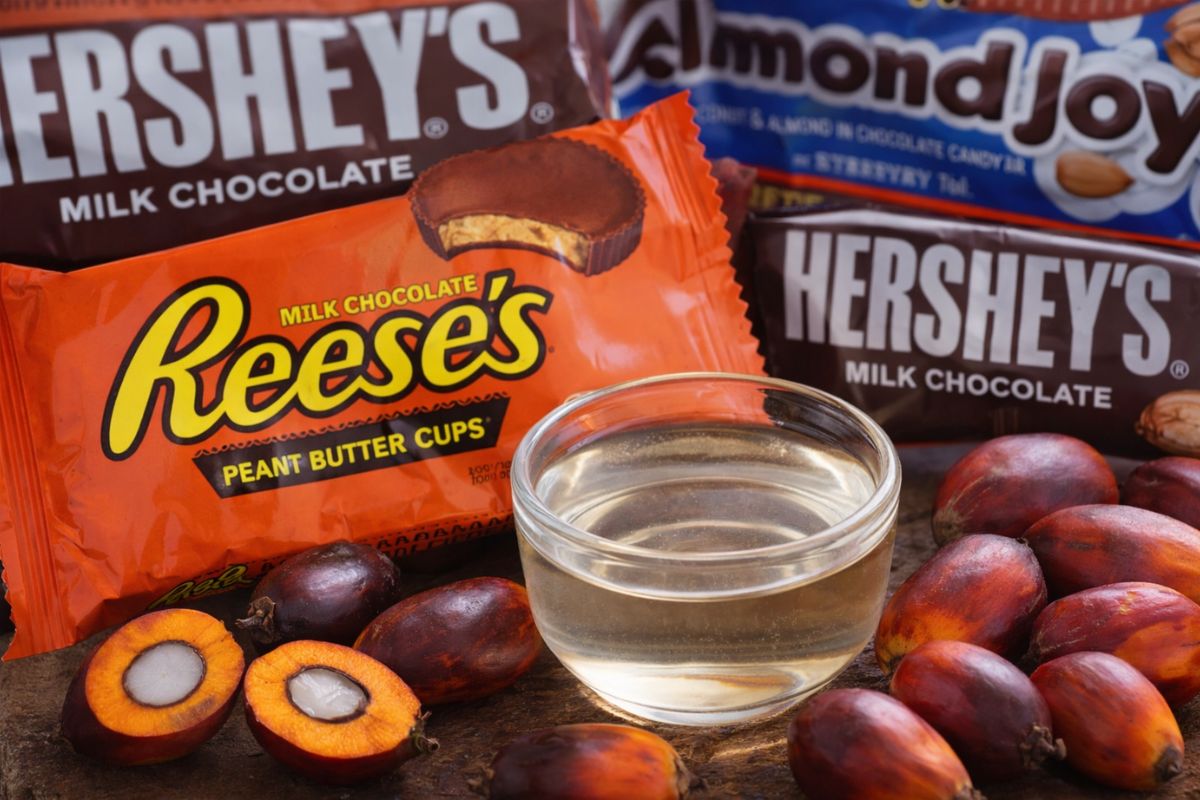
Hershey announced that it will return real chocolate to the original recipes of its classic brands after consumers discovered that the company had been replacing cocoa with palm kernel oil in sweets like Reese’s, Kit Kat, and Snickers, generating a wave of complaints on social media.
Those who grew up eating Kit Kat, Reese’s, or Snickers know exactly what that chocolate tasted like. And those who continued eating it in recent years noticed that something had changed. The Hershey Company confirmed what millions of consumers had already suspected: the company had been replacing real chocolate with cheaper alternatives, including palm kernel oil, in some of its most iconic products. The change, made discreetly over the past few years, generated such an intense reaction that the candy giant announced this week that it will revert the changes and return to the original recipes with real cocoa.
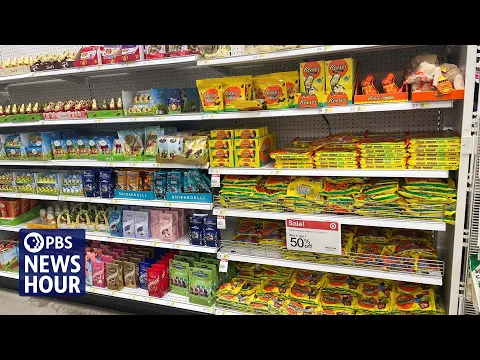
According to PBS, the promise applies to all of Hershey’s classic brands, which will have milk chocolate and dark chocolate restored in the original formulations. The decision affects about 3% of Reese’s products and extends to other brands that had quietly removed the term “milk chocolate” from their labels. The company stated in a communication to PBS NewsHour that it is committed to making products that consumers love, which includes continuously reviewing recipes. But for many, the damage to trust was already done.
What Hershey was putting in place of real chocolate
The substitution followed a straightforward economic logic. Cocoa prices, the main ingredient in chocolate, have fluctuated drastically in recent years, driven by climate change and production issues in West Africa, where most of the bean is grown.
-
The Brazilian army gets to work and sends a convoy to set up a temporary bridge over an important river after a heavy storm.

-
From ruin to digital culture center, the 1920 mansion on Riachuelo Street is now open and has become a showcase of the revitalization of downtown Curitiba, attracting commerce, tourists, and projects.

-
The valley that looks like another planet: fairy chimneys, churches carved into the rock, and underground cities form the labyrinth of Cappadocia in Göreme, where erosion has created a unique landscape since the 4th century AD.

-
Two years after the floods, Rio Grande do Sul still has ghost villages, uprooted houses, and families in containers with sewage; unfulfilled promises without official response and donations become the last chance to start over.

By the end of 2024, prices reached historic highs. And although they have retreated since then, candy manufacturers who buy months in advance still felt the impact on costs.
The solution found by the industry was to replace cocoa butter with cheaper vegetable oils. Palm kernel oil became the most commonly used substitute because it mimics the properties of cocoa butter, according to Richard Hartel, a food science professor at the University of Wisconsin in Madison, who has studied chocolate for 35 years.
The result is a product with a waxier texture, less intense flavor, and a composition that, technically, can no longer be called milk chocolate according to U.S. FDA guidelines.
How consumers discovered that chocolate had changed
The perception started in the mouth. Consumers like Hyacinth Moya, who grew up eating Kit Kat in her teenage years, noticed that the texture had become waxy and the flavor was no longer the same.
Philip Denison, a former declared fan of Snickers from Minnesota, reported that the flavor had changed from what he knew in the 1980s and 1990s. Julia Alvarado, who claims to be addicted to chocolate and loves Reese’s, said she had been avoiding the products in recent years because the nostalgic feeling had been lost.
Last fall, an investigation by the New York Times confirmed what these consumers felt. The newspaper found that major chocolate brands were using less cocoa and that popular sweets like Rollo’s, Almond Joy, and Mr. Goodbar had quietly removed the term “milk chocolate” from their labels.
According to FDA guidelines, products labeled as milk chocolate must contain at least 10% cocoa liquor. When the proportion falls below that threshold, companies start using terms like “chocolate candy” or “chocolate-flavored coating,” a subtle change that most consumers do not notice on the shelf.
The grandson of the creator of Reese’s who denounced his own family brand

The most unexpected criticism came from within the brand’s history. Brad Reese, grandson of H.B. Reese, creator of the Reese’s Peanut Butter Cup nearly a century ago, has always been an unofficial and unpaid ambassador for the product.
His LinkedIn profile and personal website celebrated the brand’s expansion around the world. That changed on Valentine’s Day when Hershey launched the mini peanut butter hearts.
Brad took two bites and spat out the product. Upon checking the packaging, he noticed that “milk chocolate” was not written on it. He shared his reaction in a video that went viral on social media, questioning how Hershey could position Reese’s as a symbol of trust and loyalty while quietly replacing the ingredients that had built that trust in the first place.
The episode accelerated the public pressure that led the company to announce a return to the original recipes with real chocolate.
Why chocolate became more expensive and what this has to do with West Africa
The root of the problem lies in the global cocoa supply chain. Most of the world’s production comes from West Africa, especially Ghana and Côte d’Ivoire, regions that face the direct effects of climate change.
Prolonged droughts, irregular rains, and diseases in plantations have reduced the supply of the bean in recent years, driving prices to levels that have pressured the entire chocolate industry.
For manufacturers the size of Hershey, cocoa represents the most significant cost of production. When the price skyrockets, the financial equation becomes complicated: either the company passes the increase on to the consumer or finds ways to reduce the amount of cocoa in its products.
Hershey opted for the second alternative, gradually and discreetly replacing ingredients. Professor Hartel, who has kept records of the ingredients of popular chocolates for over a decade, documented that the amount of chocolate in Hershey’s products had been decreasing since at least 2015.
What changes now that Hershey has promised to return to the original chocolate recipes
The company announced that all its classic brands will return to formulations with real milk chocolate and dark chocolate made with cocoa.
The change is expected to be implemented over the next year and affects both the American market and exported products. Hershey did not grant an interview to PBS NewsHour but stated in writing that it is committed to reviewing recipes to meet consumer tastes.
For consumers like Julia Alvarado, the promise is welcome, but the shaken trust will take time to rebuild. She said she is willing to try again before confirming if she will return to being loyal to the brand.
The entire episode serves as a warning for the food industry: quietly replacing ingredients may yield savings in the short term, but the cost in reputation and customer loyalty can be much greater. Real chocolate, after all, is not just a matter of taste. It’s a matter of trust.
Did you notice any change in the taste of the chocolates you used to eat? Do you think Hershey will really keep the promise to return to real chocolate or is it just damage control? Leave your opinion in the comments. This is the kind of topic that stirs everyone’s emotional memory.







Seja o primeiro a reagir!