





 Português
  Inglês
  Espanhol
  3 min de leitura
  0 comentários


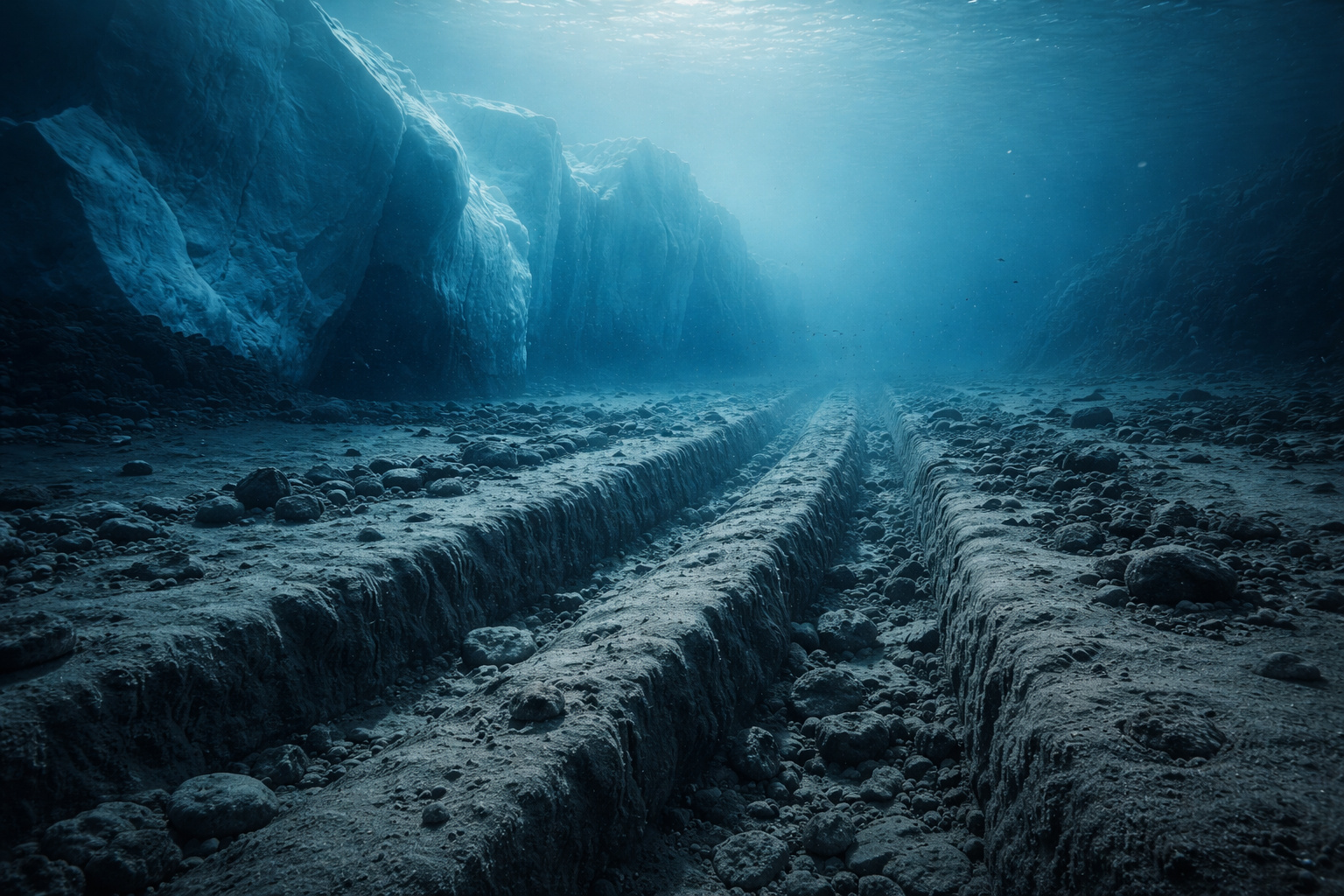
Preserved geological records at the bottom of the ocean allow for reconstructing rapid climate changes and anticipating future scenarios in Antarctica
A scientifically significant investigation of great climatic relevance was recently conducted by researchers from the British Antarctic Survey, attracting international interest.
They identified giant structures formed between 20,000 and 18,000 years ago at the bottom of the North Sea, revealing essential patterns of ice behavior during the end of the last glacial period.
This material has been preserved under layers of sediment for millennia and is therefore considered a detailed record of the climatic transformations of that period.
At the same time, the analyzed data helps to understand how large ice masses reacted to rapid warming, which, consequently, allows for projecting future impacts.
Submarine records reveal dynamics of ancient glaciers
Initially, scientists analyzed deep grooves carved by icebergs on the seabed, which extend for kilometers and indicate the movement of giant ice blocks.
These marks have been buried for thousands of years and thus remain preserved as an extremely valuable geological archive.
Additionally, researchers used seismic data originally collected by the oil and gas industry, which function as an ultrasound of the subsurface.
In this way, it was possible to visualize wide and continuous trails, formed when icebergs too large to float freely dragged their bases across the surface.
Consequently, this evidence indicates the depth and volume of ice lost during that period.
Technical analysis allows for reconstructing past climate
Next, the researchers assessed the orientation and geometry of these trails, which allowed them to infer ice movement directions and the intensity of ocean currents.
This data was integrated with other paleoclimatic records, such as marine sediment cores and preserved pollen traces.
Thus, it was possible to reconstruct scenarios of accelerated warming that occurred between 20,000 and 18,000 years ago, a period considered critical for climate changes.
This analysis allows for comparing the behavior of ancient ice layers with the retreat observed today in sensitive regions.
-
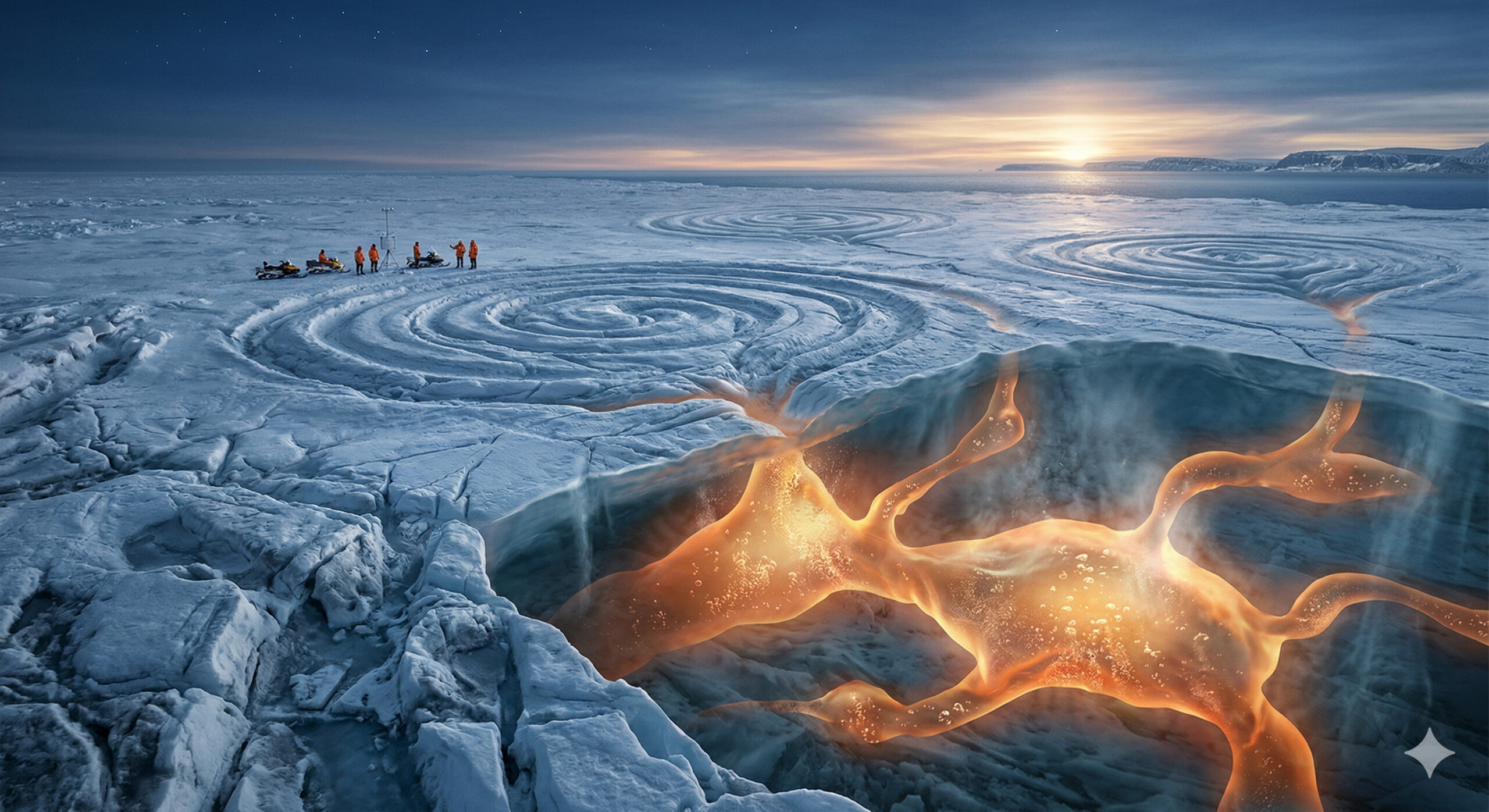
For more than 10 years, scientists have observed the ice of Greenland deforming into giant spirals without explanation; they have now discovered that solid ice can “boil” from within like magma, an invisible phenomenon that could alter climate predictions and involves a mass capable of raising sea levels by up to 7 meters.
-
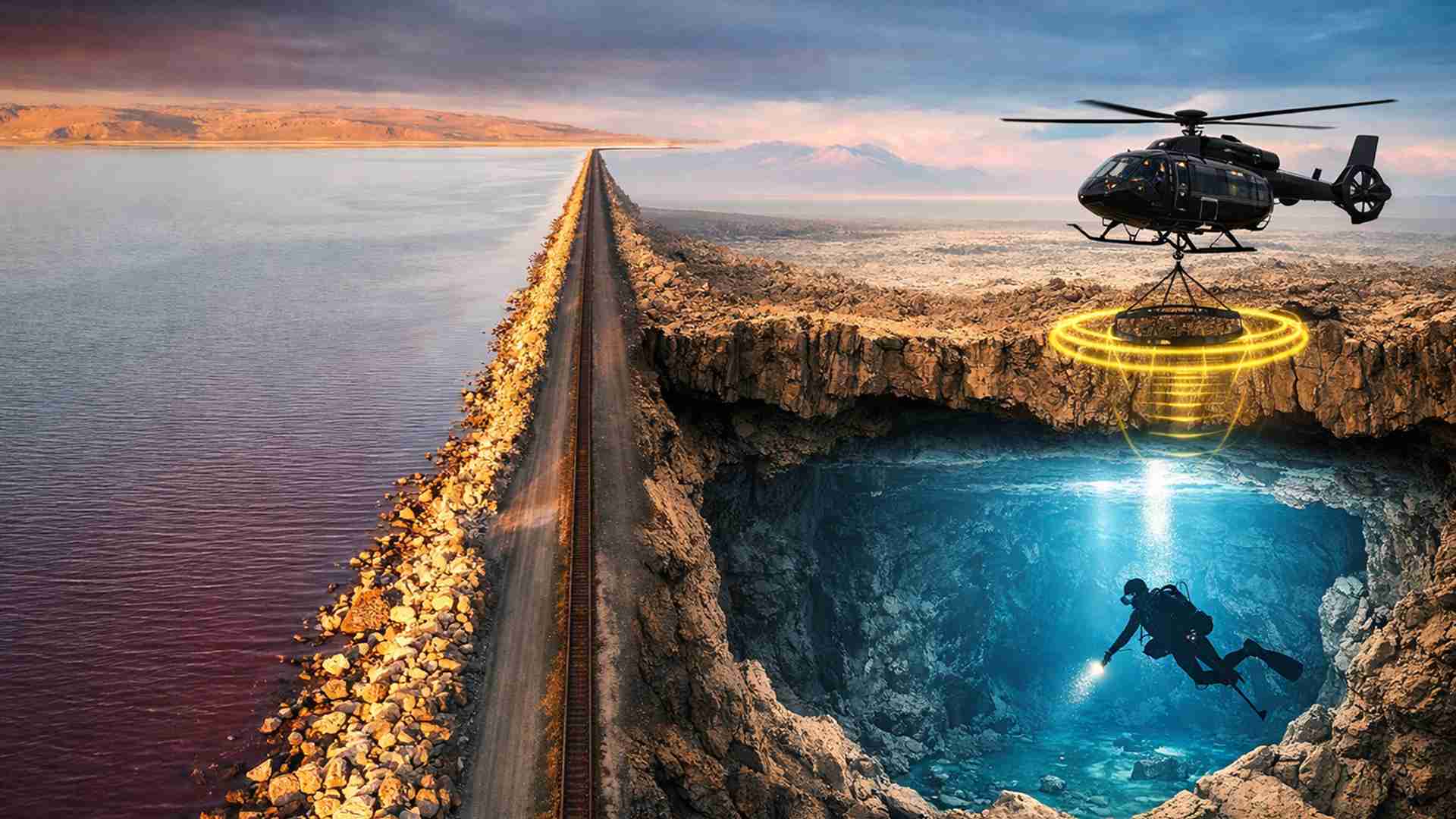
A gigantic freshwater reservoir appears beneath the Great Salt Lake, between 3 and 4 kilometers deep, surprising scientists with an unexpected flow towards the interior of the lake.
-
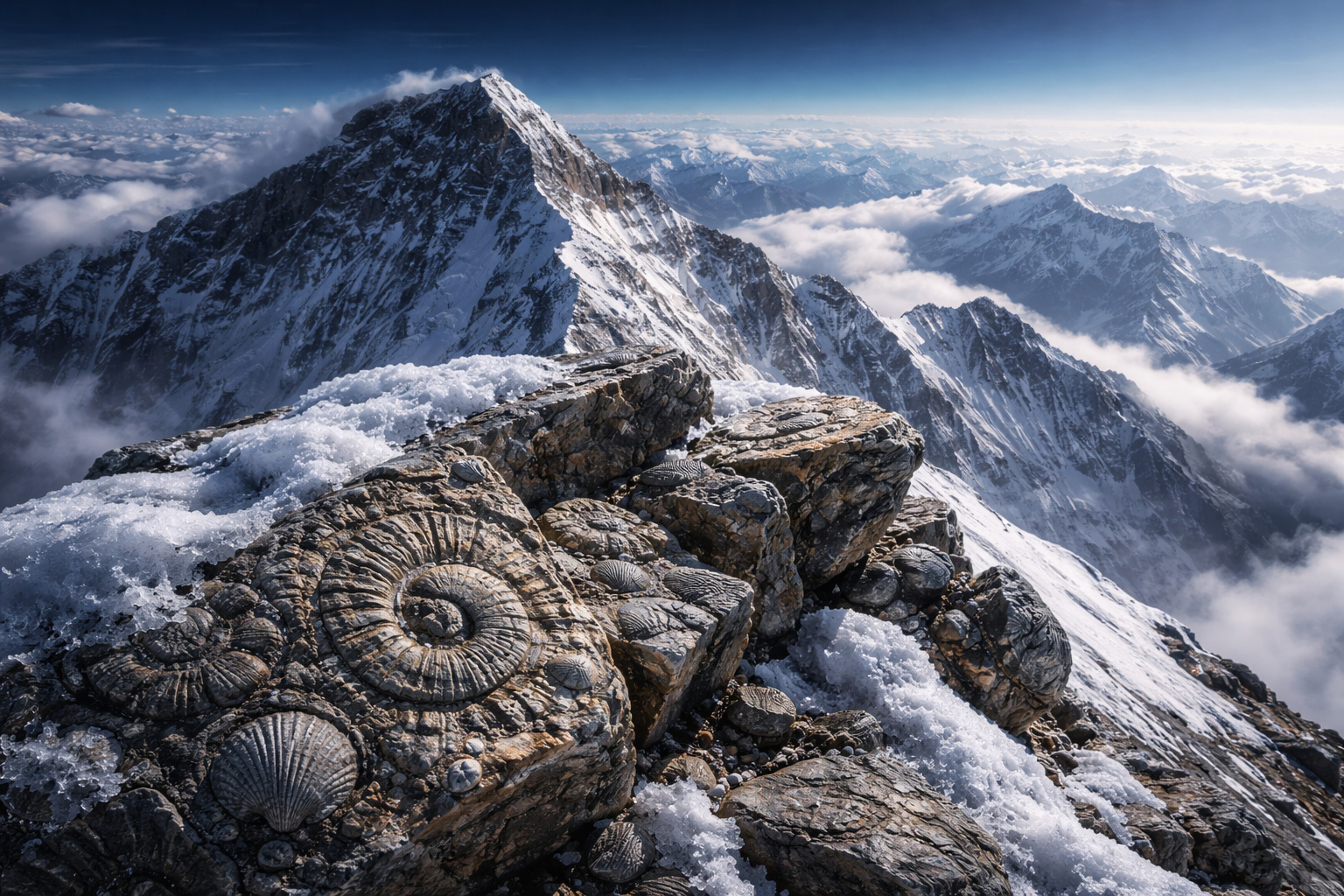
At over 8,800 meters above sea level, the summit of Mount Everest is made up of rocks that originated at the bottom of an ocean about 500 million years ago and were pushed to the highest point on Earth by the collision of tectonic plates.
-
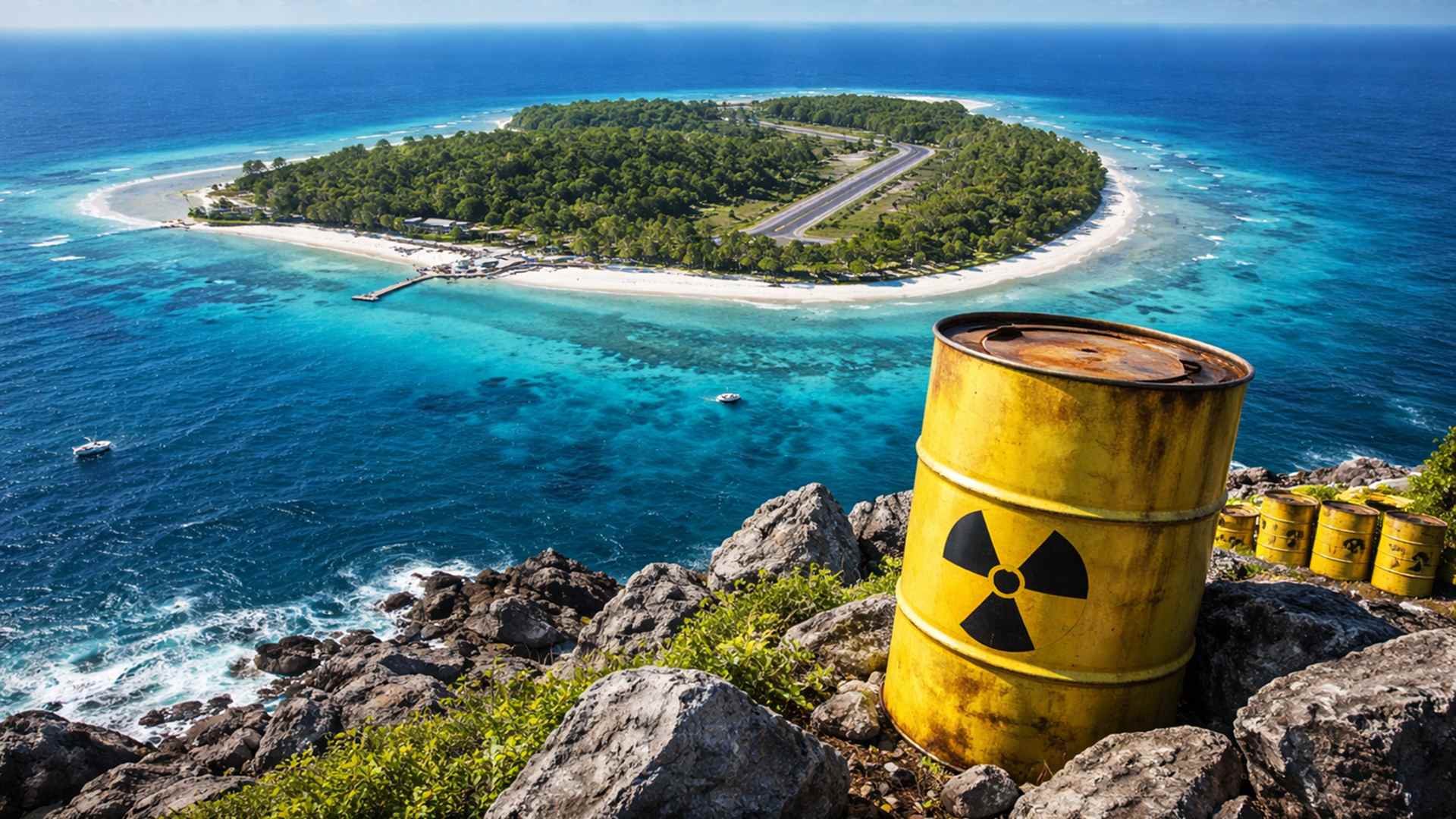
Japan targets a remote island in the Pacific measuring only 1.51 square kilometers, located 1,900 kilometers from Tokyo, to store nuclear waste for up to 100,000 years, raising alarms at sea.

Connection with Antarctica reinforces sea level projections
On the other hand, researchers highlighted that the structures identified in the North Sea bear a strong resemblance to current processes observed in Antarctica.
Additionally, modern icebergs such as A23a and A68a were cited as comparable examples to the giant blocks of the past.
In this way, scientists combine different sources of information to understand the evolution of ice in a scenario of continuous warming.
Among these sources, the following stand out:
- Preserved geological records at the bottom of the sea
- Satellite observations of current fractures in Antarctica
- Numerical models simulating ice, ocean, and atmosphere
Thus, these analyses help to predict how the melting of glaciers may contribute to sea level rise in the coming decades.
Transformations in the marks indicate accelerated warming
One of the most relevant findings was the change in the shape of the grooves over time.
Initially, the marks were long and straight; however, with the increase in temperature, they became smaller, sinuous, and fragmented.
This indicates that, between 20,000 and 18,000 years ago, large icebergs began to break into smaller blocks due to the warming of the ocean and atmosphere.
Consequently, this behavior was compared to recent events, such as the partial collapse of the Larsen B ice shelf in 2002 and the fragmentation of iceberg A68a starting in 2021.
These episodes reinforce the relationship between rising temperatures and instability of ice masses.
Current monitoring indicates risks for coastal regions
Currently, researchers continuously monitor these phenomena, as this way, they can identify early signs of instability.
Additionally, the study highlights critical points that deserve attention, such as:
- Fragmentation of large icebergs as a sign of accelerated retreat
- Most vulnerable sectors of Antarctica to ocean warming
- Potential impacts on coastal areas, including flooding and erosion
Thus, this evidence shows that processes observed in the past remain relevant for understanding the present and anticipating the future.










Seja o primeiro a reagir!