





 Portuguese
  English
  Spanish
  3 min of reading
  0 comments


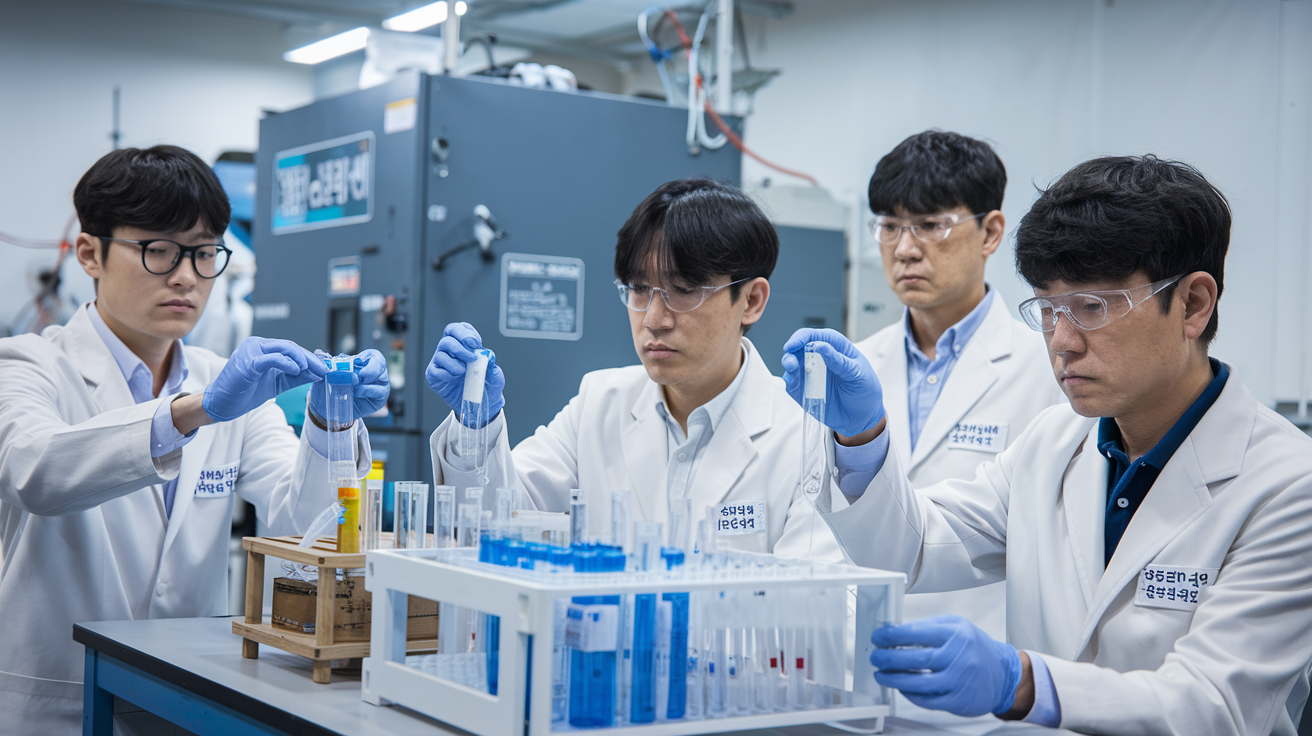
Korean Researchers Develop Technology To Enhance Hydrogen Production From Sewage. Understand How This Innovation Can Generate Clean Fuel Using Organic Waste
Hydrogen production from sewage is not a new idea, but it has always faced challenges due to low efficiency and commercial viability. However, South Korean researchers have developed an innovative technology that significantly increases the productivity of this clean fuel. The new approach uses organic waste more efficiently, making the process more sustainable and economically viable. This advancement could represent a milestone in the transition to renewable energies, reducing dependence on fossil fuels and contributing to a more sustainable future.
The Koreans’ Discovery For Hydrogen Production From Sewage
First, it is necessary to understand how this type of clean fuel production using organic waste works. Bioelectrochemical cells (BECs) are devices that use specialized microorganisms, such as electrogenic bacteria, to oxidize organic compounds, generating protons and electrons in the process.
Right after the metabolic reaction, the electrons move from the anode to the cathode, generating electric current. The protons leave the anode through a transmission membrane, separating into hydrogen ions. The electrons and hydrogen ions then combine to produce gaseous hydrogen.
-
The Senna Tower in Balneário Camboriú is using stakes considered unique in the world that go down 40 meters and are driven 5 meters into the hardest rock on the planet, with technology approved by the same engineer who designed the Burj Khalifa.

-
The drought may be pushing a much larger crisis than just a lack of water; in addition to affecting crops, reservoirs, and cities, it can also help strengthen bacteria that no longer respond well to antibiotics.

-
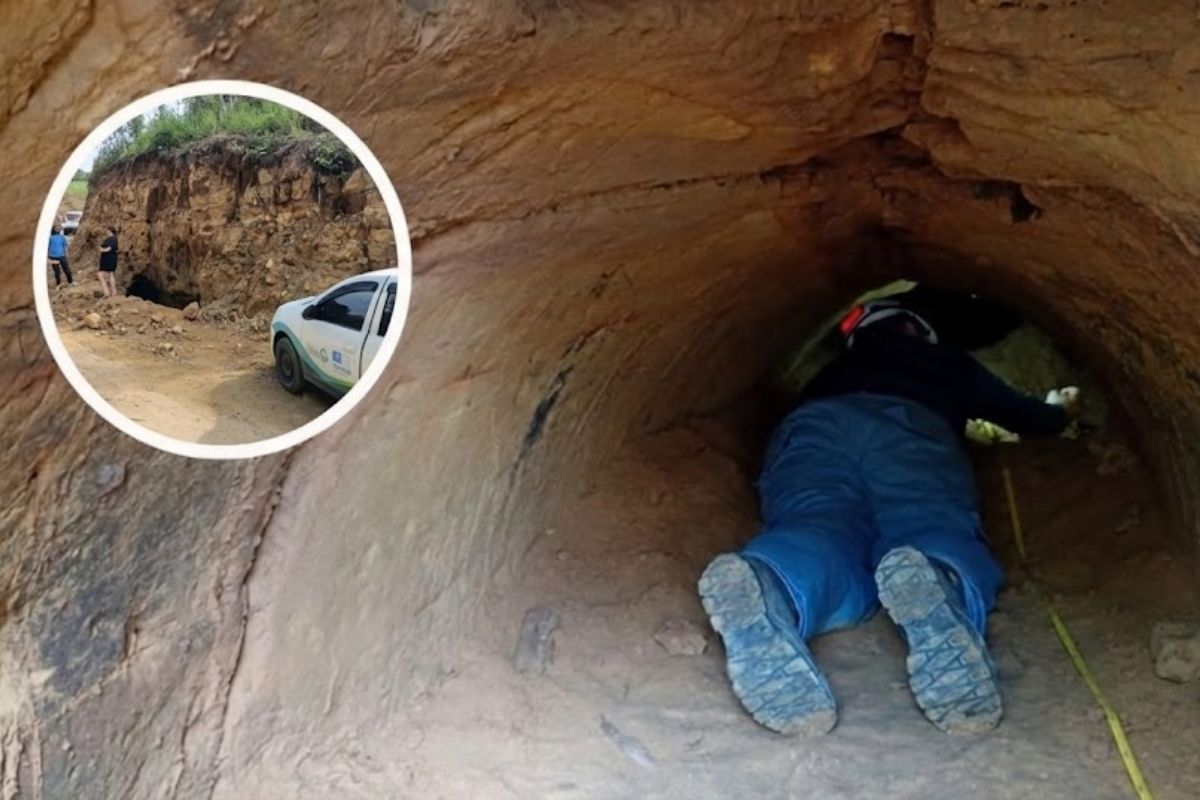
A resident of Santa Catarina found a tunnel over 10,000 years old dug by animals the size of a car on her own property, and the video of the discovery has already surpassed 3 million views on social media.
-
The coldest region of Brazil will experience very hot weather in the first days of April, with maximum temperatures reaching up to 35 degrees in Rio Grande do Sul, and only in the last week of the month an intense cold front is expected to finally lower the temperatures in the South and Southeast.


Despite being a sustainable process, its low efficiency has made the mass sale of the technology unfeasible compared to other more polluting solutions, until now. Now, a team of researchers from the Korea Institute of Energy Research (KIER) has taken a huge step toward hydrogen production from sewage with bioelectrochemical cells.
The research team developed and certified a new technology called Zero-Gap that promises the generation of clean fuel using organic waste on a large scale, eliminating the two main barriers: the growing demand for green fuel and the sustainable management of organic waste.
Understand How The New Hydrogen Production Technology Works
The scientists’ discovery for clean fuel generation using organic waste reduces energy losses in reactions within the bioelectrochemical cell. Its design reduces the distance between the electrodes and the cell separator, improving electron transfer.
However, unlike other gapless systems, the design of the Korean scientists does not suffer from pressure imbalances at larger scales because it includes a cylindrical cap that applies uniform pressure. This design brings greater complete adhesion between components, avoiding efficiency drops and maintaining consistent performance, even at large scales.
The new hydrogen production technology from sewage has proven its potential in tests certified by the Korea Test Laboratory (KTL). The results in producing clean fuel using organic waste are incredible, with 180% more electrons and 120% more hydrogen compared to traditional processes.
According to a statement issued, this innovation solves long-standing problems of energy loss in traditional processes, delivering a transformative pathway for large-scale hydrogen production and excellent cost-effectiveness.
Main Advantages Of The New KIER Technology
Bioelectrochemical cells make it possible to produce hydrogen from a wide variety of organic waste, such as wastewater or industrial waste, biomass, and agricultural residues. They are a sustainable alternative to traditional methods that generate large CO2 emissions, such as methane reforming, and can be installed in the same locations where waste is produced, minimizing transportation costs.
However, they still face significant challenges to be solved. Production rates are still relatively low compared to industrial methods, and the conditions for microorganisms to act ideally require strict process control.
It is worth mentioning that in Brazil, there are also similar initiatives, such as that of Finep, which aims to utilize the gas generated in domestic sewage treatment as a raw material for renewable hydrogen production, a very noble clean energy source.






-

-

-

-

9 pessoas reagiram a isso.