





 Portuguese
  English
  Spanish
  3 min of reading


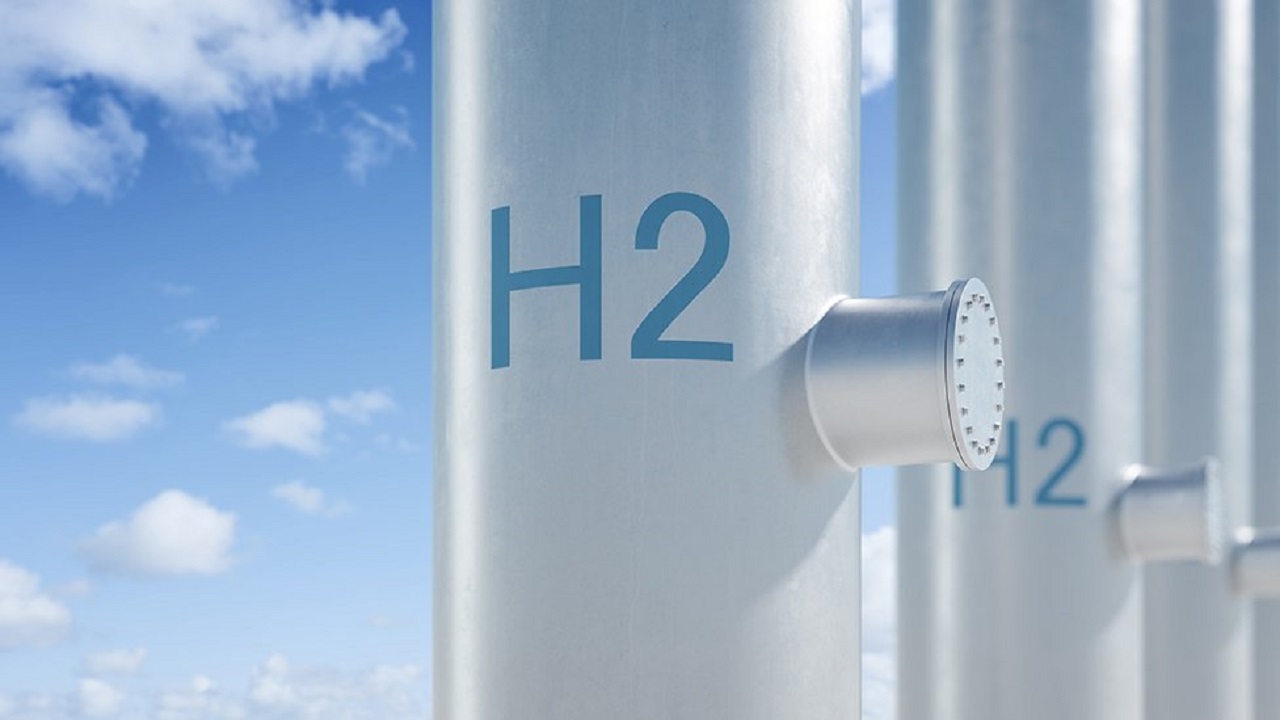
Australian Scientists Develop Device That Uses Moisture From The Air And Renewable Energy For Green Hydrogen Production. The Technology Can Be Used To Decarbonize Arid Regions.
Scientists from The University of Melbourne, in Australia, have developed a new technology capable of generating large amounts of green hydrogen from moisture in the air. The innovative prototype can obtain water in abundance, even before splitting it into hydrogen and oxygen. According to the scientists, the new renewable energy generation system can also operate in areas where the concentration of water vapor in the air is less than 4%, meaning it can be used in arid regions of the planet, where there is not enough pure freshwater available to feed green hydrogen production equipment.
Device Developed By Scientists From The University Of Melbourne Uses Solar And Wind Energy
According to the lead author of the study, chemical engineering professor Jining Guo, this work has demonstrated that moisture from the air can be directly used for the production of green hydrogen through electrolysis, due to its universal and inexhaustible availability for obtaining clean fuel without harmful emissions to the environment.
The device developed by the researchers is an electrolyzer powered by solar energy, which can break water down into its basic elements, oxygen and hydrogen. As the electrodes installed on both sides of a water collection unit are isolated from the air, they can separate the gases in their pure state.
-
Renewable energy advances over protected areas in Brazil, and a survey by the Energy Transition Observatory reveals silent impacts that challenge environmental conservation and pressure sensitive traditional territories.

-
Rio Grande do Sul accelerates energy transition: State invests in renewable technologies and consolidates decarbonization strategies and pathways to attract billions in new industrial investments.

-
With 160,000 m² of collectors, an area larger than 20 football fields, Silkeborg, in Denmark, hosts a solar thermal plant that heats 19,500 homes and could become the largest solar heating plant in the world.

-
A study reveals the expansion of renewable energy procurement in Brazil and shows how companies are taking advantage of opportunities to reduce expenses, ensure energy efficiency, and strengthen strategic environmental commitments.


Tests Prove The Device’s Efficiency
For 12 consecutive days, five electrolyzers operated in parallel to split the water from humidity in the air into hydrogen and oxygen. A sponge-like material was used to absorb water vapor and also serve as a type of electrolyte reservoir.
Although there are more efficient options, the team concluded that for their studies, sulfuric acid was the best material to serve as a sponge for capturing water.
According to the author, with this setup, the scientists developed a direct electrolysis module from moisture in the air that can generate green hydrogen in dry environments with very low relative humidity, overcoming challenges of water supply and generating clean fuel with renewable energy and minimal impact on the environment.
Scientists Aim To Enhance The Device’s Efficiency
According to the researchers, this new technology is still in its early stages, and several configurations of air moisture electrolysis have been tested so far, each producing distinct results in terms of efficiency and renewable energy generation capacity.
According to Professor Jining Guo, although there are challenges, it is believed that a crucial step has been taken to make green hydrogen energy a practical and accessible reality.
The goal now is to improve the surface-to-volume ratio or expand the proportions of the sponge material to ensure greater water absorption, making large-scale use possible.










Seja o primeiro a reagir!