






 Portuguese
  Spanish


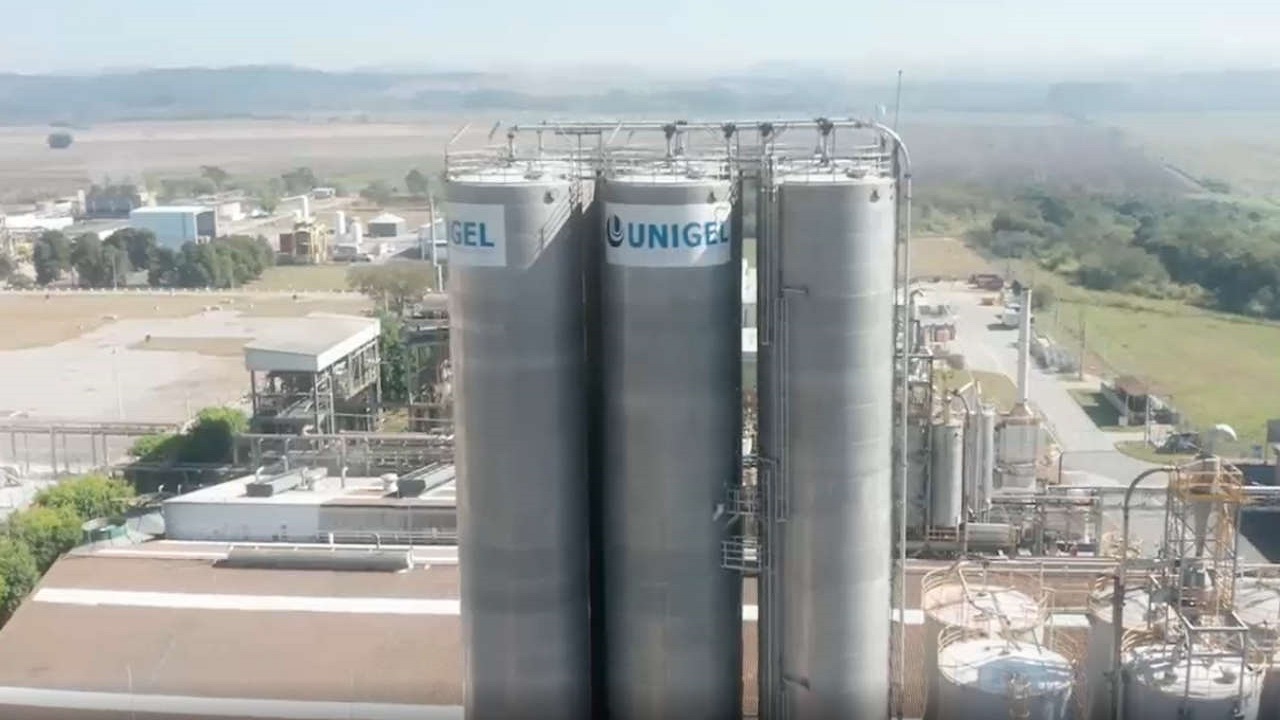

With Initial Investment of US$ 120 Million (R$ 650 Million), Unigel’s New Factory Is Expected to Begin Operations by the End of 2023.
Unigel is one of the largest chemical companies in Latin America and a leader in segments such as fertilizers and ammonia, and now it has decided to invest in green hydrogen to replace fossil fuels. Unigel’s plan is to build the first and largest green hydrogen factory in Brazil, creating jobs and more energy options in the current energy matrix.
Unigel Claims That the Brazilian Green Hydrogen Plant Will Be the Largest in the World
The green hydrogen plant from Unigel, as previously stated, will be the largest in the world, and its announcement will be made this Tuesday (26) in Camaçari (BA), where the green hydrogen plant will be installed, alongside two other factories that produce ammonia and styrene.
The green hydrogen plant will be fully operational by the end of next year, producing more than 10,000 tons of the product annually. Part of the hydrogen will be converted into 60,000 tons of green ammonia per year.
-
28-meter, 156-ton titans traveled 20,000 km from China to the port of Santa Catarina: Portonave received 7 fully electric megacranes, part of a R$ 210 million package, to double container handling.

-
Fired during apartheid and with a little borrowed money, an electrician started with a borrowed truck and transformed electrical services into a group connected to energy, real estate, and infrastructure in South Africa.

-
Wood has ceased to be just a construction material in Yale research and has become insulation for electrical transformers that face intense heat, aging, and increasing pressure from the renewable energy-powered grid.
-
More than 1,000 residents of a remote island in Kiribati now have clean water and electricity with solar systems operated by the community itself.


“This is a move that will position us at the forefront of decarbonization in Brazil,” says Roberto Noronha, president of Unigel.
With some clients already interested and thus believing in the rapid growth of demand, Unigel aims to quadruple the production capacity of the plant by 2025, expanding into exports.
Green Hydrogen and Its Use in the Current Energy Matrix
The so-called green hydrogen is produced from water and electricity from renewable sources, such as wind and solar energy. The premise is to replace the currently used product, gray hydrogen, made from fossil fuels.
“Green hydrogen will be the energy source of humanity’s future, as it is, in essence, completely clean,” says Noronha.
The fuel can be used in its raw form or converted into ammonia, which is an essential raw material for the steel, oil refining, and fertilizers sectors and is also used in thousands of other products.
One of the major advantages of hydrogen is that it is considered an energy vector, meaning it allows energy to be stored and thus can be used in other sectors, facilitating integration.
Attracting interest from foreign entities, projects to enable the commercial production of green hydrogen in Brazil have already surpassed US$ 20 billion, with a primary focus on export. Today, the main initiatives are concentrated at the Port of Pecém in Ceará; at the Port of Açu in Rio de Janeiro; and at the Port of Suape in Pernambuco.
Operation of Unigel’s Plant in Brazil
The company responsible for supplying the electrolyzers will be Thyssenkrupp, a diversified industrial group in the technology sector. The electrolyzers will give “life” to the factory, applying a large electric current and separating the molecules of the solutions.
“The company has mastered electrolytic technology for a long time, but previously had other industrial applications,” explains Paulo Alvarenga, president of Thyssenkrupp for South America.
“Due to the climate emergency, we have expanded the technology for the electrolysis of water.” The equipment will be shipped in modules, inside 48 containers, by vessel, to be marketed by its subsidiary here in Brazil.








