





 Portuguese
  English
  Spanish
  4 min of reading
  0 comments


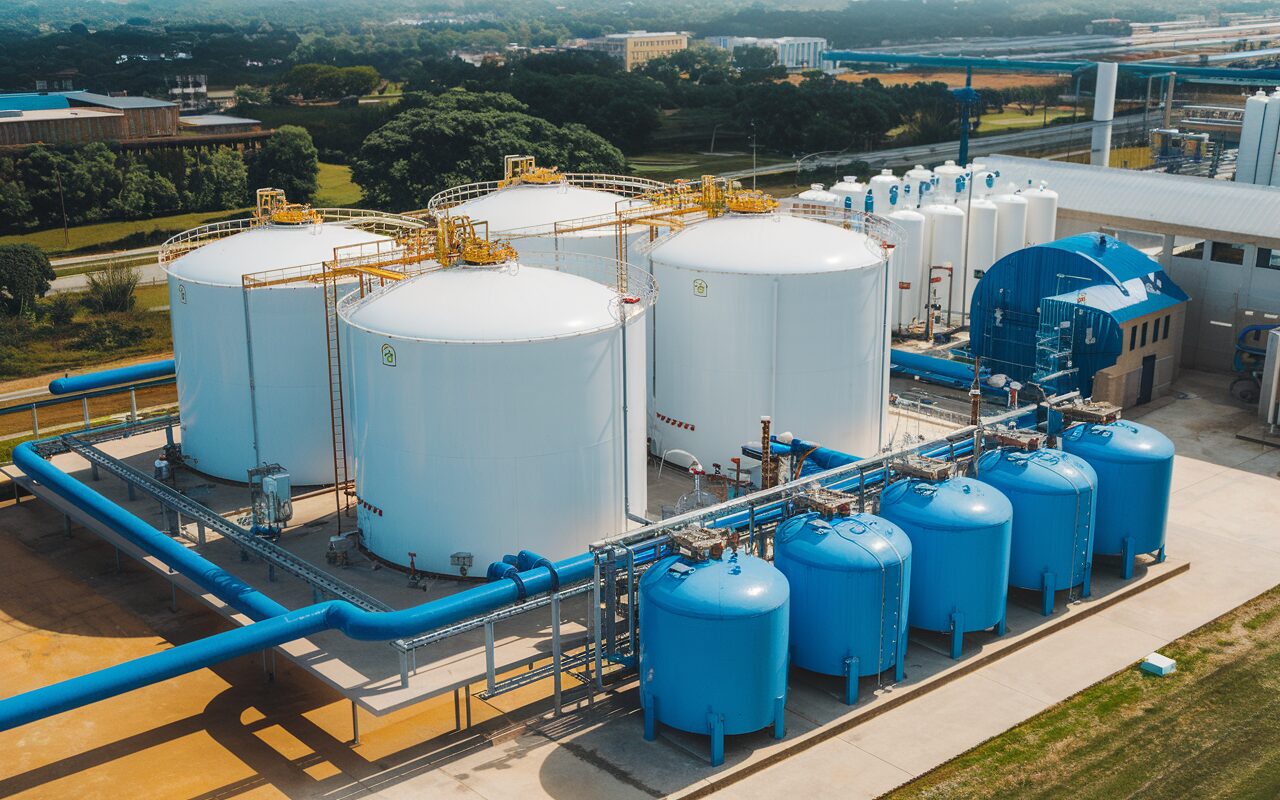
The Green Hydrogen Plant at UFMS Is a Strategic Milestone for Clean Energy in the Midwest and Promises to Generate Jobs, Energy, and Income.
Mato Grosso do Sul has advanced on the clean energy agenda with the inauguration of its first green hydrogen plant. The facility, located at the Federal University of Mato Grosso do Sul (UFMS), reinforces the state’s role as one of the protagonists in the Brazilian energy transition. The project is estimated to attract up to R$ 2 billion in new investments for the sector by 2030.
The inauguration ceremony was held on Friday (25) and was attended by Governor Eduardo Riedel. The head of the Executive emphasized that the plant positions Mato Grosso do Sul prominently in the national renewable energy and technological innovation landscape.
According to Riedel, creating a favorable environment for the development of sustainable projects has been a priority for the state government, boosting both investment attraction and job creation in the clean energy sector.
-
The Brazilian state accelerates industrial competitiveness with a focus on the extraction of strategic minerals to boost the energy transition in Goiás.
-
A Canadian retiree creates a hydroelectric system on a real river, generating energy continuously throughout the day and demonstrating how the power of water can supply a house with stability even in a simple structure.

-
Petrobras reaffirms its commitment to the market and ensures that it will carry out the energy transition safely to maintain national sovereignty.
-
Researchers discover a possible hydrogen deposit of up to 46 million tons beneath an ancient coal basin, and the volume could exceed half of the entire global production.

Green Hydrogen Plant Integrates Carbon Neutral Plan by 2030
The new project is part of the strategic plan to make Mato Grosso do Sul a carbon-neutral state by 2030. The goal has been pursued with incentives for innovation, sustainability programs, and strengthening scientific research.
The green hydrogen plant installed at UFMS is a partnership between the university, the Brazilian Certification, Research and Innovation Network (RBCIP), and the company Green World Energy Hydrogen (GWE). The project is already considered pioneering in the Midwest, serving as a reference for other states that also seek to expand their renewable energy matrices.
UFMS’s rector, Camila Ítavo, highlighted the importance of scientific research in the region’s technological advancement, emphasizing that investing in science is investing in the economic and environmental strengthening of the country.
How Green Hydrogen Production Works at the New Plant
The plant uses electrolyzer technology to separate hydrogen and oxygen from water molecules, a process powered by solar energy. The system consists of:
- Solar panels for generating renewable electric energy;
- Electrolyzer responsible for separating the chemical elements;
- Remote control and monitoring system that collects and analyzes scientific and technological data in real time.
With this structure, the unit has the capacity to produce about one ton of green hydrogen per month. This volume positions Mato Grosso do Sul as a leader in the development of clean energy technologies in Brazil.
In addition to production, the facility serves as a training and capacity-building center for specialized professionals, preparing the state to meet the future market demand.
Training Professionals for the New Energy Market
The project aims to train 500 professionals, including teachers, engineers, and technicians, who will work in the green hydrogen and renewable energy sector. The training of qualified labor is considered essential to ensure the continuous advancement of the sector and the occupation of new job openings created by the expansion of the clean energy matrix.
According to Marcelo Estrela Fiche, coordinator of RBCIP, the technology of green hydrogen is already fully utilized in the global landscape, requiring Brazil to accelerate workforce training to maintain its competitiveness in the sector.
Development of Green Hydrogen Derivatives Expands Possibilities
The installation of the plant will also boost research aimed at creating new products derived from hydrogen, such as green diesel and sustainable fertilizers. These derivatives can benefit various sectors of the economy, such as transportation, agricultural industry, and industrial decarbonization processes.
By consolidating its scientific and technological base for the production of hydrogen and its by-products, Mato Grosso do Sul enhances its strategic relevance for future sustainable production chains in Brazil.
The partnership between UFMS, RBCIP, and GWE demonstrates that the integration between academia and the private sector is fundamental to the advancement of the renewable energy sector.
Growth of the Renewable Energy Matrix in Mato Grosso do Sul
Alongside the installation of the green hydrogen plant, Mato Grosso do Sul reports significant expansion of its energy matrix. In 2024, the state reached an installed capacity of 9,843 megawatts (MW), 11% higher than the previous year.
Of these numbers, 94% come from renewable sources, such as solar energy, biomass, and small hydropower plants. The performance confirms the state’s long-term commitment to sustainable and low-carbon practices, aligned with international agreements to reduce pollutant gas emissions.
This energy evolution generates positive impacts on the regional economy, attracting new enterprises, strengthening green industrial hubs, and creating opportunities for higher-skilled jobs.
Mato Grosso do Sul Solidifies as an Emerging Hub for Clean Energy
The inauguration of the green hydrogen plant at UFMS marks just the beginning of a cycle that promises to transform Mato Grosso do Sul into a national reference in the renewable energy sector.
With targeted public policies, a competitive business environment, and investments in science and technology, the state is moving forward to solidify its position as a leader in clean energy production.
In the coming years, the expectation is that new green hydrogen units will be installed, increasing production capacity and expanding economic and social opportunities related to the sector.
UFMS’s project also represents a bet on the diversification of the Brazilian energy matrix and the country’s preparation for an increasingly sustainability-oriented global scenario and the decarbonization of economies.









Seja o primeiro a reagir!