





 Portuguese
  English
  Spanish
  4 min of reading
  0 comments


The Hercílio Luz Bridge Is Not Just a Steel and Concrete Structure; It Is a True Santa Catarina Epic! Since Its Construction in the 1920s to the Much-Awaited Reopening, This Bridge Has Lived More Twists than a Soap Opera! Who Would Have Thought That the Tranquility of a Florianópolis with 40,000 Inhabitants Would Be Interrupted by Such a Grand Project? Indeed, the Construction of the Hercílio Luz Bridge Was a Historic Milestone That Changed the Course of the Capital, and the Recent Restoration Makes Us Relive All This with Even More Emotion.
Built at a time when Floripa Was Still a Quiet City, the Hercílio Luz Bridge Brought Development, but Also Faced Nearly Four Decades of Closures and Restorations. Now, Renewed, It Returns to Be a Vibrant and Functional Landmark, Connecting Generations and Rewriting Its Importance for Santa Catarina.
The History of the Hercílio Luz Bridge Began Almost a Century Ago, When American Engineers Disembarked in Florianópolis for a Monumental Challenge. The City, with Just Over 40,000 Inhabitants, Was on the Verge of Transformation. The Bridge’s Construction, Started in the 1920s, Brought with It an Air of Modernity to the Region, Which Until Then Depended on Ferries for Crossing Between the Island and the Mainland.
The Construction of the Hercílio Luz Bridge Was Undoubtedly an Achievement That Put the City on the Map
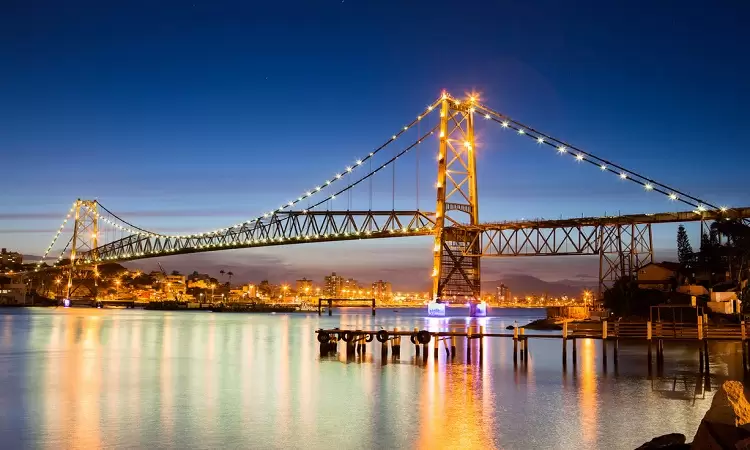
The Hercílio Luz Bridge Is One of the Largest Suspension Bridges in the World, with a Total Length of 821 Meters, Including a Central Span of 339 Meters, the Longest in Brazil at the Time of Its Construction. Its Two Towers, Which Support the Entire Structure, Stand 74 Meters Tall Each, Connected by Steel Cables with Eye Bars. The Total Weight of the Bridge Is Impressive: Approximately 5,000 Tons, Which Required Complex Engineering for Its Construction and, Subsequently, Its Restoration. The Width of the Bridge Is 13.50 Meters, Allowing Currently for the Traffic of Pedestrians, Cyclists, and Light Vehicles, After Its Reopening in 2019. Its Main Material Is Steel, Imported from the United States and Denmark, Reinforcing the Robustness and Durability of the Structure.
-
A megaproject worth R$ 89 billion is advancing in Iraq and promises to change the game in global trade by creating a new corridor between Asia and Europe, reducing traditional routes and repositioning the country as a logistics powerhouse.
-
Goodbye bedside table: floating shelves become a trend in 2026 by freeing up space in the bedroom, improving circulation, bringing visual lightness, and integrating technology without taking up floor space.

-
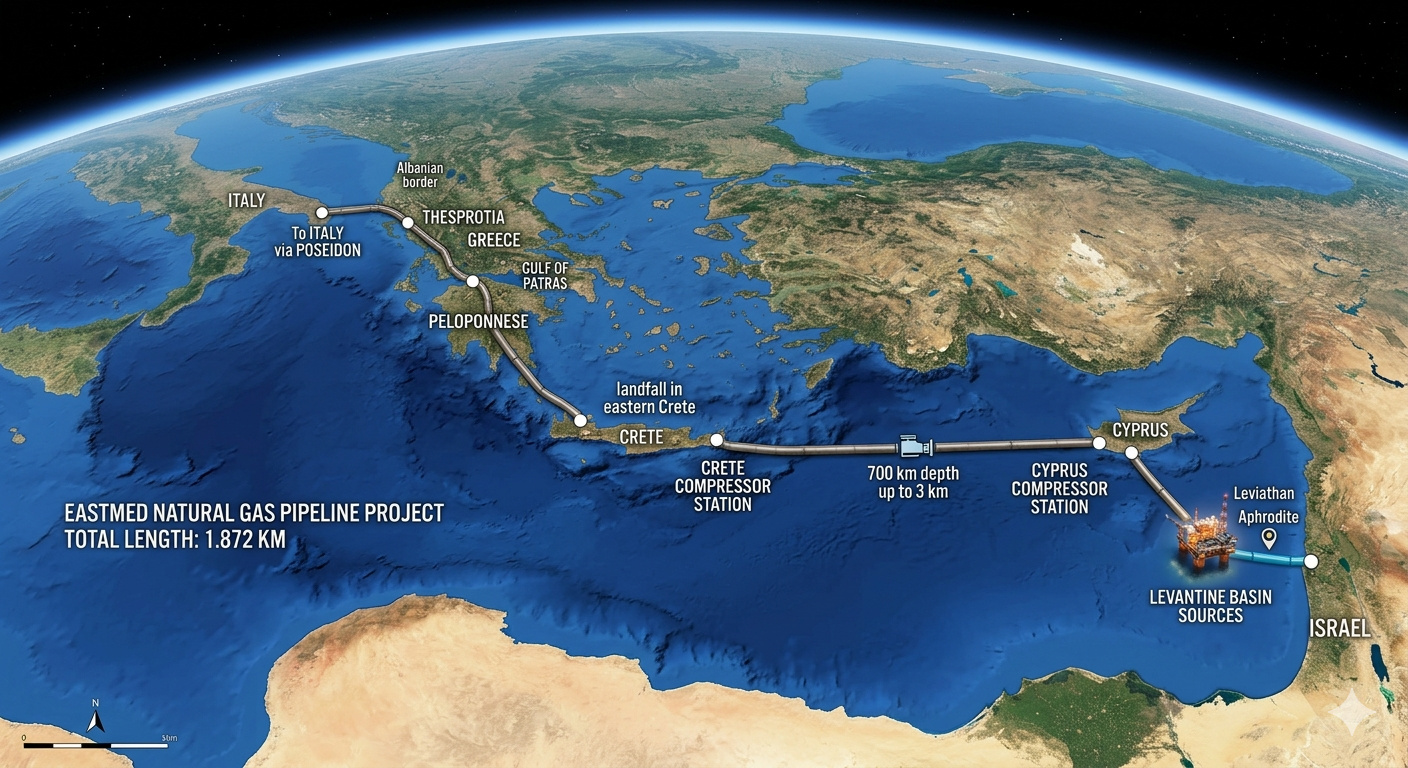
Israel, Greece, and Cyprus signed an agreement in 2020 to transport gas from the Mediterranean to Europe via a 1,872 km pipeline, but Turkey claimed sovereignty over part of the maritime route, and the project never materialized.
-
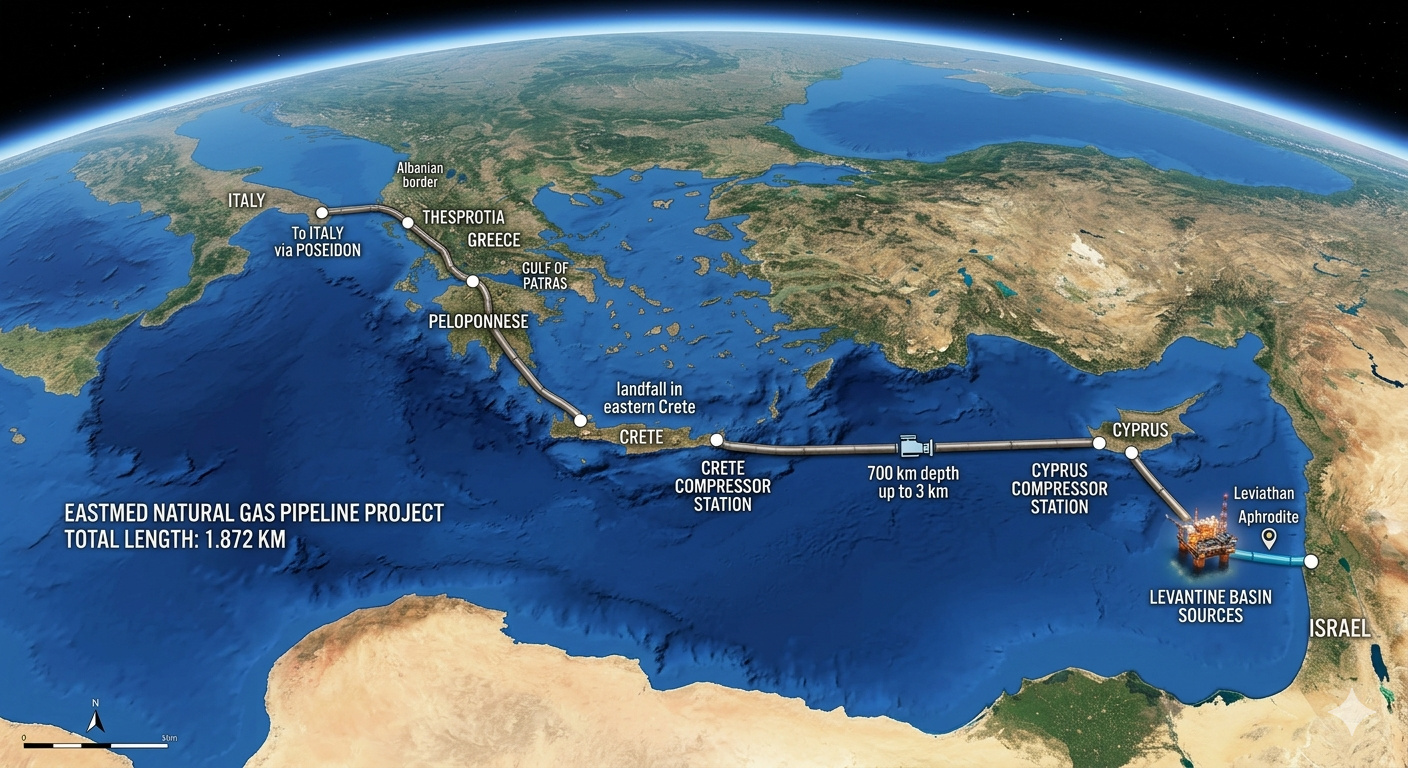
Israel, Greece, and Cyprus signed an agreement in 2020 to transport gas from the Mediterranean to Europe via a 1,872 km pipeline, but Turkey claimed sovereignty over part of the maritime route, and the project never materialized.

Reports Like Those of Engineer Patrick (Taken from His Diary), Who Came from New York to Participate in the Work, Show the Difficulties Faced at the Time. The Young Engineer Described Floripa as a “Poor and Gloomy Place,” Until He Was Surprised by the Grandeur of the Project. The Construction of the Hercílio Luz Bridge Was Undoubtedly an Achievement That Placed the City on the Map, Not Just of Santa Catarina but of Brazil.
The Bridge Was Inaugurated in 1926, Amid Strong Emotion. Patrick, Initially Reluctant, Ended Up Falling in Love with the City and Even with a Local Woman, Whom He Married a Few Days Before the Official Opening. However, Not Everything Was Easy. The Governor Hercílio Luz Himself, the Idealizer of the Project, Died Before Seeing His Dream Bridge Completed.
New Contract Brought Real Hopes
In the Years That Followed, the Hercílio Luz Bridge Became an Icon of Florianópolis, Facilitating Transportation and Connecting the Island to the Mainland. But Time Was Relentless. In 1982, After Decades of Use, the Bridge Was Closed Due to Lack of Proper Maintenance. There Were Years of Uncertainty, with Several Attempts at Renovation and Recovery, Until in 2016, a New Contract Brought Real Hopes That the Monument Would Function Again.
The Restoration, Carried Out by a Team of Dedicated Engineers and Workers, Lasted Almost Three Years. More Than 60% of the Structure Was Replaced, Including the Famous Eye Bars That Support the Bridge. It Was a Delicate Process, Compared to “Changing a Tire on a Moving Car.” In 2019, the Final Test: the Hercílio Luz Bridge Withstood the Weight of Nearly 1,000 Tons in Tests, Reaffirming Its Safety.
Hercílio Luz Bridge Is a Key Piece in the Mobility of Florianópolis

In 2019, Reopened and Completely Revitalized, the Hercílio Luz Bridge Returns to Be a Key Piece in the Mobility of Florianópolis. More Than a Simple Means of Crossing, It Carries in Its Beams and Cables Nearly 100 Years of History, of Achievements, Challenges, and Renewals.
The Reopening, Scheduled for December 30, 2019, Was Celebrated by the Population. In Addition to the Return of the Crossing, the Restoration Brought to Light the Importance of the Legacy Left by Hercílio Luz and His Idealizers. The Bridge, Which Has Been Compared to the Eiffel Tower for Its Grandeur and Beauty, Remains a Source of Pride for the People of Santa Catarina.
With the Hercílio Luz Bridge, Florianópolis Not Only Rescued a Symbol of Its Identity But Also Opened the Way for New Stories and Memories. It Is, and Always Will Be, a Witness to Progress, the Love of Its People, and the Ability to Rebirth, Just Like It Did Over Nearly 40 Years of Closure. The Majestic Bridge That Traverses the History of Santa Catarina Stands Firm, Ready for the Future.
Now That the Hercílio Luz Bridge Has Been Operational for Five Years, Do You Believe It Has Fulfilled Its Role in Traffic and Tourism in Florianópolis? Or Has It Become More of a Historical Symbol Than a Practical Solution for the City?







Seja o primeiro a reagir!