





 Portuguese
  English
  Spanish
  5 min of reading
  0 comments


The Oppama Factory, Inaugurated in 1961 and Symbol of Japanese Industrial Rise, Will Close by 2028. Nissan’s Decision Puts Thousands of Jobs at Risk and Raises Uncertainties About the Future of the Vast Land Occupied by the Plant.
Nissan will end vehicle production in Oppama by March 2028, in Yokosuka, south of Tokyo, and transfer assembly to the Kyushu unit, about a thousand kilometers away.
The decision is part of a broad restructuring plan to reduce capacity and costs amid the automaker’s worst financial crisis in decades.
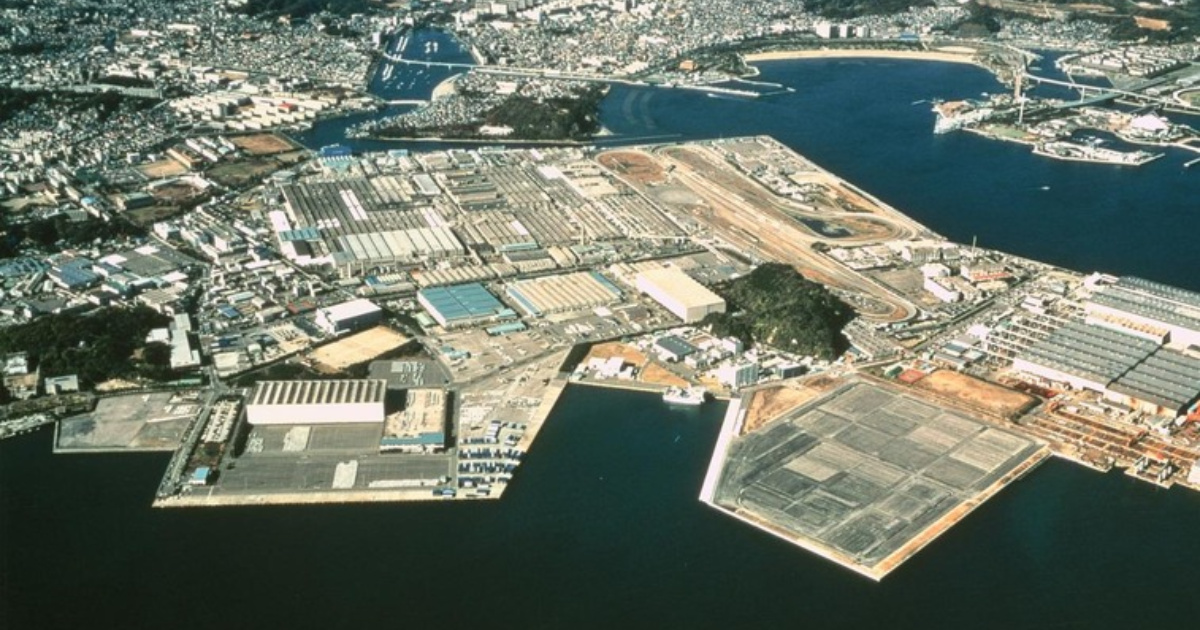
At the center of the change are 2,400 jobs and the future of a land with over 1.7 million m², the post-factory use of which remains uncertain.
-
The government requests the Federal Revenue Service for a new system to automate the income tax declaration, reducing errors, time, and bureaucracy for millions of Brazilians.

-
Pix in installments, international Pix, and contactless payment without internet: the Central Bank revealed the new features coming to the tool that is already used by almost every adult in Brazil.

-
Mercado Livre has just started selling medications with delivery in up to three hours to your door, and this move could completely change the way Brazilians buy medicines on a daily basis.

-
In Dubai, rising tensions from the war in the Middle East are causing super-rich individuals to leave the Gulf and direct their fortunes to a new financial refuge in Asia.


Confirmed Closure and Direct Impact
Inaugurated in 1961, Oppama was for years Nissan’s main factory in Japan and the birthplace of the Leaf, launched in 2010 as the brand’s first large-scale electric vehicle.
The company announced that the assembly line will be deactivated at the end of the 2027 fiscal year, with production moved to Kyushu.
Employees will remain employed until operations on site are terminated while the company negotiates relocation and reemployment. The loss impacts a city that has grown around the automaker.
In Yokosuka, Nissan directly employs a significant portion of the population — Oppama is in a district with about 29,700 residents, and the factory has become routine in local life, with plant visits and community activities organized by the company.
Valuable Land and Future Use in Dispute
With no official decision on the land of over 1.7 million m², hypotheses are proliferating. Local authorities argue that the space should contribute to urban revitalization and job creation.
Possibilities such as resorts or theme parks circulate, as well as use by the defense industry, given that Yokosuka houses military facilities.
There are also reports that Foxconn discussed alternatives with Nissan to produce electric vehicles on site. However, management claims it does not consider outsourcing production and that it is only evaluating “options” for the area after the line shutdown.
Global Restructuring and Adjustment Numbers
The closure of Oppama is part of a realignment that aims to reduce annual capacity from 3.5 million to 2.5 million vehicles, consolidate factories from 17 to 10, and eliminate around 20,000 positions globally.
The company reported a yearly loss in 2024/25, pressured by declining sales in key markets and restructuring charges. In the short term, the strategy aims to increase plant utilization and simplify operations.
Nissan stated that nearby structures — such as research centers and test tracks — will remain active in the Oppama area, preserving part of the industrial ecosystem.
Why Oppama Lost Relevance
For nearly two decades, the factory assembled seven models; today, only two. The decline reflects the accelerated market shift, with Tesla gaining ground in electric vehicles and, more recently, the offensive from Chinese automakers, led by BYD.
Even having been a milestone in the early electrification, the Leaf has lost traction against competitors with greater range, more integrated software, and shorter update cycles.
Another factor was the need to simplify platforms and concentrate volumes where there is competitive scale. By transferring models to Kyushu, Nissan aims to reduce logistics costs, streamline the supply chain, and increase the utilization rate of the lines.
Social Effect in Yokosuka
In the vicinity of the plant, merchants and service providers are preparing for a drop in activity.
The owner of a family grocery store, Yuji Fujita, defined the announcement as “the worst-case scenario” and recalled the trauma of Zama, closed in 1995, the first closure of an automobile factory in post-war Japan.
Residents fear a disruption of the local labor market and greater youth exodus. There is still no finalized number of transfers to Kyushu. Unions are demanding relocation guarantees and support for those who cannot move.
The municipal administration is pressing for a transition plan that reduces the immediate impact on income, commerce, and services, and that attracts new investments for the land, whether industrial or service-related.
Pressure on Suppliers and Consolidation in the Industry
The Japanese automotive supply chain is going through a period of adjustment. Small and medium suppliers, less capitalized and exposed to volume decline, are struggling with transformation costs into electric vehicles, software, and power steering.
The last fiscal year recorded a rise in bankruptcies among nearby companies, a movement attributed by consultancies to the combination of unstable demand, indebtedness, and technological delays.
In the corporate field, Nissan’s restructuring has reignited discussions in the market. KKR has emerged as an interested party in assets following the failure of negotiations with Honda earlier this year.
Foxconn itself, besides the rumors about Oppama, has been expanding automotive alliances in Asia. None of these paths, however, has turned into a formal decision regarding the future of the land in Yokosuka.
Lifetime Employment in Jeopardy
The Oppama case also symbolizes the erosion of shūshin koyō, the lifetime employment model that marked the post-war period.
As the country faces demographic aging and scarce labor, companies are forced to adjust structures that were once considered permanent.
Closures like that of Zama in the 1990s seemed exceptional; today, signs of consolidation and deep adjustments are multiplying.
In this transition, the political and social dispute revolves around how to maintain the country’s productive base in a phase where technology, capital, and talent determine competitiveness.
In Yokosuka, the question remains about what combination of industry, services, and innovation could replace, on a large scale, a factory that shaped the local economy for over six decades.
Possible Relief or New Vocation?
As negotiations progress, the city insists that the future use of the land creates jobs and revitalizes the region.
If an industrial solution comes — such as a partnership to produce electric vehicles — part of the know-how and the supply chain could be preserved.
If a leisure or defense project prevails, the district’s vocation will change, demanding reskilling and new services.
Although the decision has been made for the assembly line, the story of the Oppama land remains open-ended.
The outcome will define not only the fate of the 2,400 workers but also the economic profile of Yokosuka in the coming decades.








-

Uma pessoa reagiu a isso.