





 Portuguese
  English
  Spanish
  4 min of reading
  0 comments


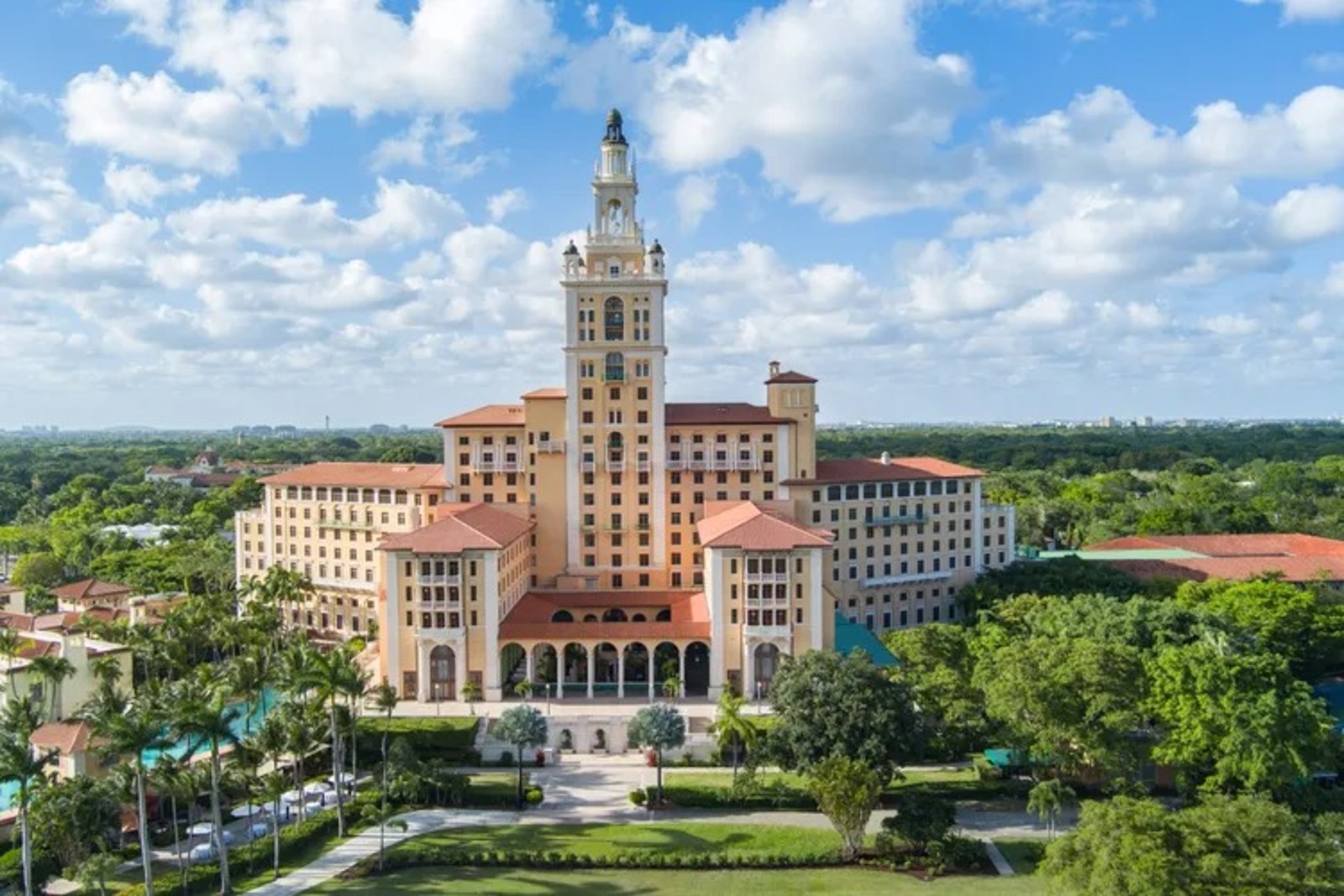
Built in the 1920s as the axis of an ambitious urban plan, the Biltmore Hotel survived cycles of glamour, war, abandonment, and restoration, consolidating itself as a historical, architectural, and identity landmark of South Florida
Erected in the 1920s as part of an ambitious urban project, the Biltmore Hotel has traversed 100 years in Coral Gables, accompanying social, political, and cultural changes, becoming a historical, architectural, and identity symbol of South Florida.
The building’s trajectory began in 1924, when George Merrick partnered with hotelier John McEntee Bowman to realize the vision of the so-called Beautiful City.
The plan envisioned a planned community with tree-lined boulevards, spacious squares, and Mediterranean architectural language, positioning the hotel as the symbolic core of this urban undertaking.
-
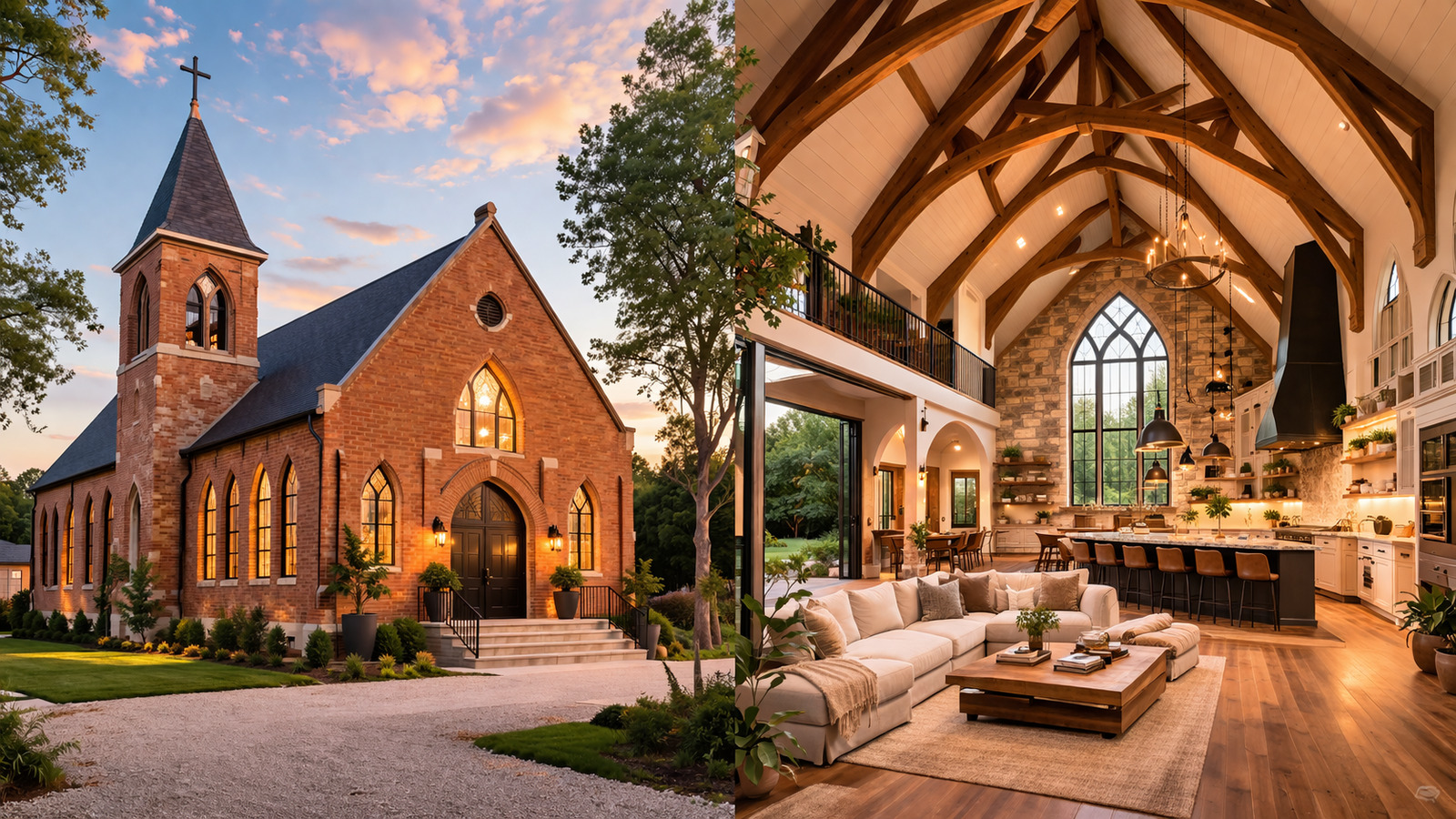
Church from 1888 becomes a mansion of over 330 m² in Canada after a renovation of R$ 3.4 million and is eventually sold for nearly R$ 4.3 million.
-
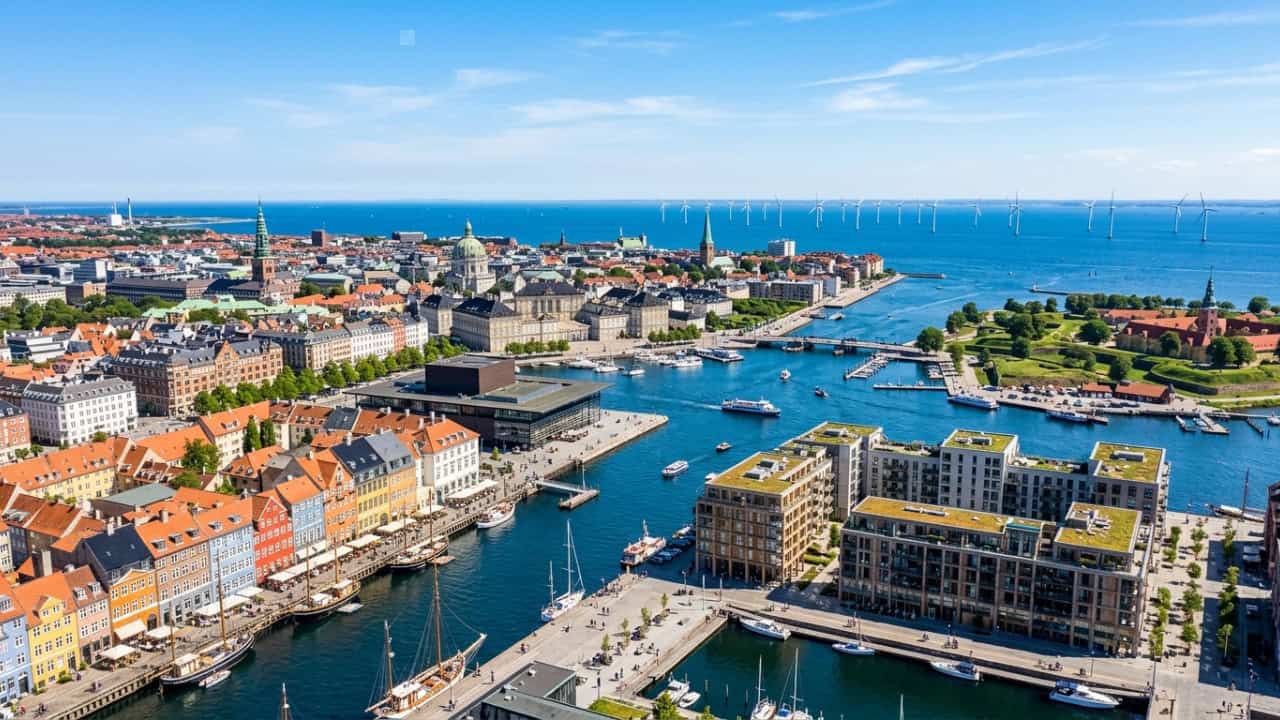
How an innovative city combines high technology, well-being, and sustainability to become the largest reference in clean energy on the planet.
-
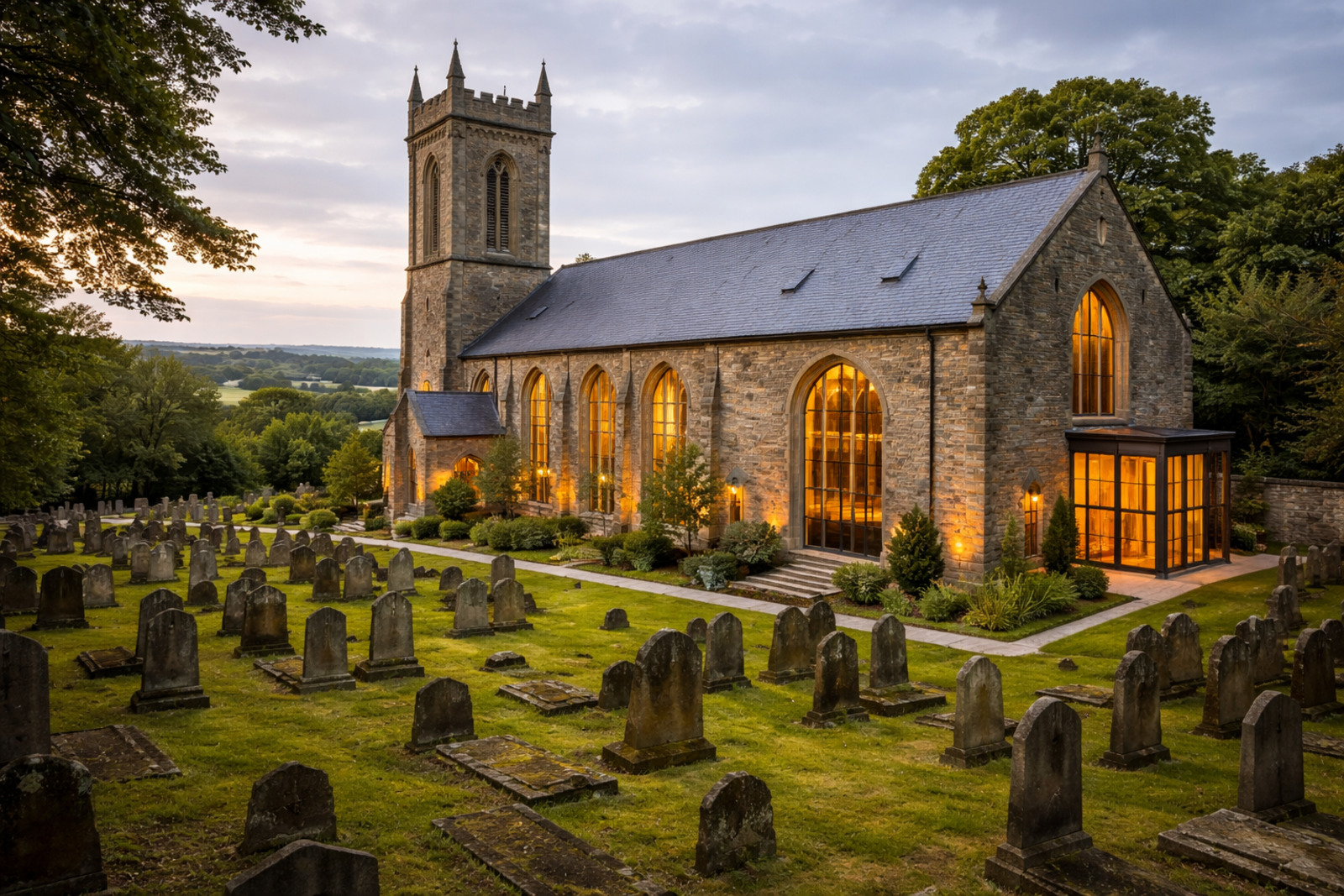
Couple buys 1846 church in ruins for R$ 660,000, invests R$ 3.2 million in renovations, transforms it into a millionaire mansion, and even preserved a historic cemetery with over 300 graves.
-
He started running at 66 years old, broke records at 82, and is now a subject of study for having a metabolic age comparable to that of a 20-year-old, in a case that is intriguing scientists and inspiring the world.


Inaugurated two years later, the building came to represent prosperity, sophistication, and modernity during the Jazz Age, quickly establishing itself as a regional reference.
Architecture and Aesthetic Conception
The architectural design was entrusted to the firm Schultze and Weaver, also responsible for icons such as the Waldorf Astoria.
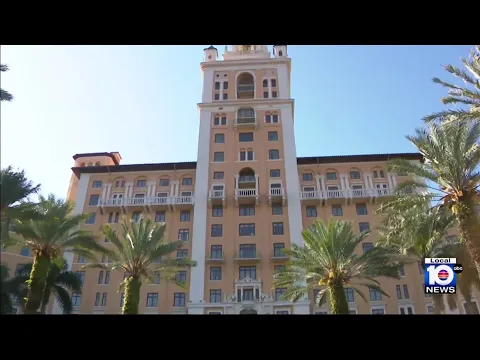
Conceived in the Mediterranean Revival style, the building combines Spanish, Moorish, and Italian influences in a monumental proposal aimed at symbolic permanence.
Set on 60 acres of gardens, the complex stands out for its scale and details, creating an atmosphere of lasting prestige and carefully crafted architecture.

Tower and Emblematic Spaces
The most striking element is the 96-meter tower, inspired by the medieval Giralda of Seville, visible for miles and a constant visual reference.
Inside, hand-painted frescoes cover vaulted ceilings supported by Corinthian marble columns and carefully preserved travertine floors.
Open courtyards with fountains reinforce the Mediterranean tradition, while the 2,137-square-meter pool has become one of the most recognized spaces in the complex.
Glamour and Social Life
During the early years, the hotel symbolized glamour and an intense social life, attracting artists, athletes, and public figures to its halls and gardens.
Celebrities such as Ginger Rogers, Judy Garland, and the Duke and Duchess of Windsor frequented the space, enhancing its cultural projection.
Athlete Johnny Weissmuller served as a swimming instructor and broke world records in the pool before achieving fame in cinema.
On Sundays, up to 3,000 people attended aquatic performances, synchronized swimming, and parades, consolidating the place as an entertainment hub.
Transformation into Military Hospital
In 1942, with the entry of the United States into World War II, the building underwent a radical change in function.
The War Department converted the hotel into a military hospital with a capacity for 1,200 beds, adapting halls and internal structures.
Windows were sealed with concrete, floors were covered with linoleum, and luxurious environments were transformed to accommodate wounded soldiers.
The space temporarily abandoned leisure, taking on a strategic role in the country’s military healthcare network.
Academic Use and Abandonment of the Hotel
After the conflict, the building remained connected to healthcare, operating as a hospital for the Veterans Administration for consecutive years.
Subsequently, it became a campus of the medical school of the University of Miami, maintaining institutional activity until 1968.
With the cessation of these functions, the building entered gradual abandonment, reflecting the decline of large historic structures in the post-war period.
Restoration and Reopening
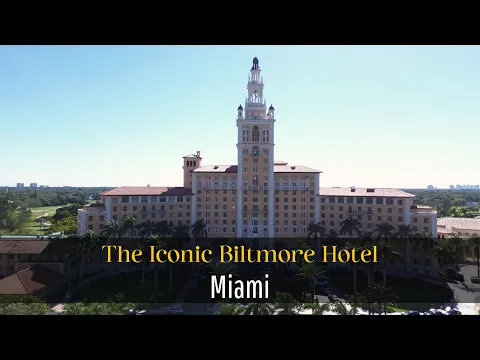
The recovery began in 1992, when Seaway Hotels Corporation, controlled by the Prescott family, took over the property.
A restoration valued at 40 million dollars began, extending over about ten years, with a focus on original preservation.
Frescoes, columns, and courtyards were restored, while adaptations ensured contemporary standards of comfort and hotel operation.
Resort and Historical Recognition
Reopened as a luxury resort, the complex began to offer 271 rooms, 174 of which are suites, in addition to a spa and golf course.
The management maintained a commitment to the architectural memory and community bond, preserving the historical atmosphere of the building.
In 1996, the hotel was awarded the title of National Historic Landmark, a distinction granted to about three percent of the country’s historic structures.
Upon reaching 100 years, the Biltmore reaffirms its multifunctional identity, traversing decades without losing urban and symbolic relevance.
The century-old tower remains a reference point in Coral Gables, connecting the past and present in the local landscape and collective memory.
With information from Southernliving.






-

-

-

-

-

-

55 pessoas reagiram a isso.