





 Portuguese
  English
  Spanish
  6 min of reading
  47 comments


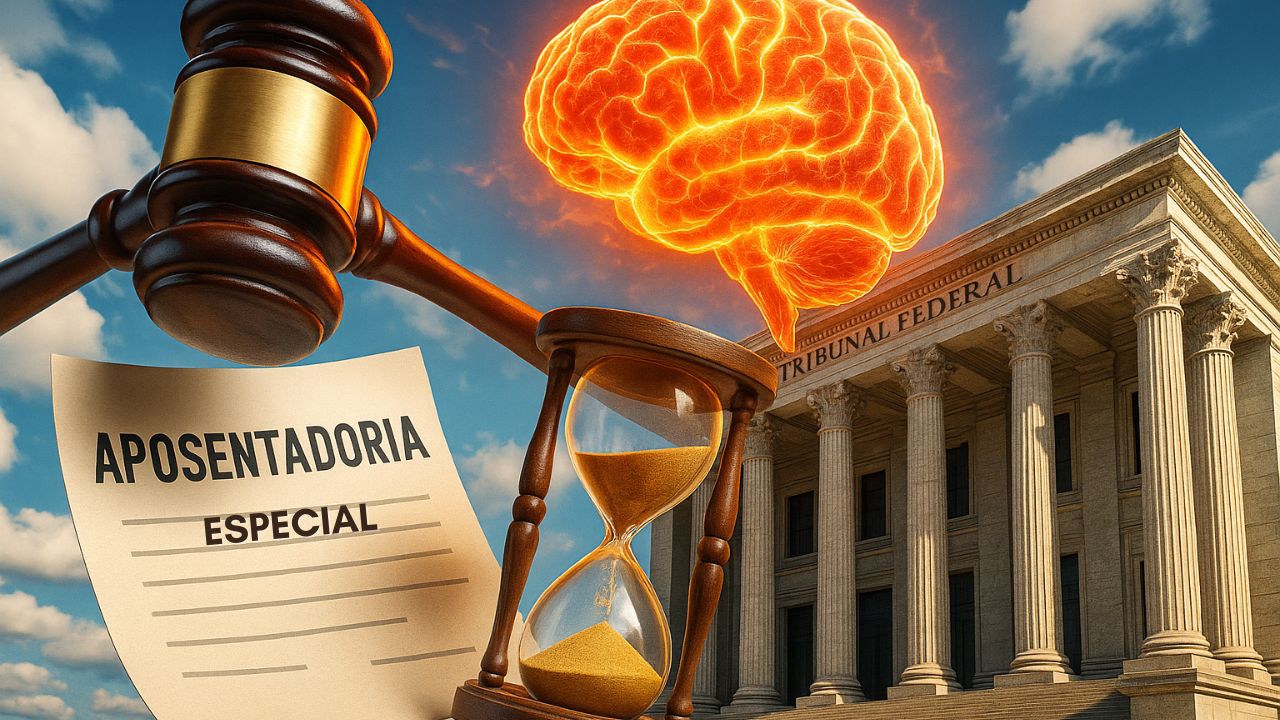


STF Resumes Today, December 3, Trial That Could Change Rules for Special Retirement, Minimum Age, and Special Time Conversion for Millions of INSS Insureds
Today, December 3, the Supreme Federal Court resumes a trial that could represent one of the biggest changes in the history of retirement in Brazil. The debate centers on the possibility of restoring full special retirement without a minimum age and returning to the conversion of special service time into common service time, including for those who have already retired after 2019.
The vote in the STF is tied, with two ministers voting in favor of workers and two against. This means that any vote today could change the game and directly affect your retirement. And the impact is not limited to those who are yet to retire. The decisions could affect those close to requesting the benefit and also those who have already been granted retirement by the INSS.
Retirement at Stake Today in the STF
The trial that the STF resumes today involves three central points of retirement, with immediate and long-term effects for different profiles of insured individuals. On one hand, there is the discussion about the minimum age of 60 for special retirement. On the other, the calculation of the benefit amount and the possibility of converting special time into common time, increasing the contribution time.
-
The noise law will no longer be in effect at 10 PM starting in June with a new rule valid during the 2026 World Cup.

-
The Chamber opens a debate on driver’s licenses at 16 years old as part of a reform that includes around 270 proposals to change the Brazilian Traffic Code and may redesign rules for licensing, enforcement, and circulation in the country.

-
The new Civil Code could revolutionize marriages in Brazil with “express divorce” and changes that could exclude spouses from inheritance.
-
Banco do Brasil sues famous influencer for million-dollar debt and intensifies debate on delinquency, risks of seizure, and direct impact on Gkay’s credibility.


In practice, what is decided today could advance retirements, increase benefit amounts, and reopen paths that were closed starting in 2019. Therefore, all beneficiaries and insured individuals of the INSS need to closely monitor what will be defined in the Supreme Court’s plenary session.
Minimum Age May Be Dropped for Special Retirement
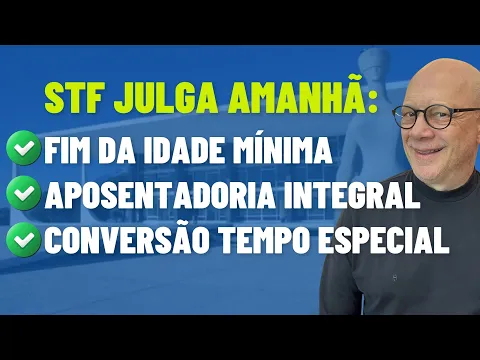

One of the most sensitive points is the minimum age of 60 for special retirement. The STF will decide whether this requirement is constitutional or not. If the minimum age is dropped, those who worked for 15, 20, or 25 years in unhealthy, dangerous, or exhausting activities could return to retiring without the minimum age requirement, as was the case before the pension reform.
This means that the time of exposure to risk becomes the central element again. Instead of waiting until 55, 57, 60, 62, or 65 years, the worker could retire based on the special activity time, resuming a logic closer to the model prior to the reform. For many people who are still far from retirement today, a favorable decision could make it possible sooner than planned.
Full Retirement and Increase in Benefit Amount
Another decisive point is the calculation of special retirement. After the reform, many people started receiving less due to the new calculation rule, which reduced the final benefit amount in various cases.
Today, the STF could restore the previous calculation, which is more advantageous, again bringing retirement closer to the full value. If full retirement is restored, the benefit amount could rise from 60 percent to 100 percent of the average, making the outcome much more favorable for the worker. Additionally, a change of this nature could open the door for reviews of retirements already granted, especially for those who retired after 2019.
Conversion of Special Time into Common Time May Return
The third axis of the trial is the conversion of special time into common time. This rule has always been an important differential for those who worked in risky activities and later migrated to common roles or to other areas that were not at risk.
If the STF overturns the prohibition, the conversion of special time into common time may be reinstated and allow many workers to anticipate retirement immediately. This mechanism increases the contribution time counted, facilitating access to more advantageous rules, including the transition rules created after the pension reform.
Tied Vote and Real Chance of Change in Retirement
Today, the scenario in the STF is one of balance. Two ministers voted in favor of workers and two voted against, leaving the trial completely open. In such situations, each new vote could redefine the future for millions of people and even lead to a change in understanding within the Supreme Federal Court itself.
When there is a balanced division, there is usually room for reconsideration, new arguments, and changes in position. That is why the chance of victory for workers is regarded as real and concrete. The final result could represent anything from maintaining current rules to a profound shift in the rules for special retirement.
Who Can Benefit from Changes in Retirement
If the trial ends with a decision favorable to workers, three main groups could benefit:
Those Who Are Yet to Retire
For those who have not yet requested the benefit, a positive decision could advance years of waiting. The insured may gain in the final calculation, convert special time that is currently locked, and choose more advantageous rules. In many cases, the planning that was set up may have to be redone, as new possibilities may arise from today.
Those Close to Requesting Retirement
For those in the final stages of their careers, about to request retirement, the impact may be even more direct. A change in the rules could completely alter the planning, allowing them to choose the best rule, avoid irreversible losses, and identify the exact moment to submit their request.
Those Who Have Already Retired
The third group is made up of those who have already retired, especially after 2019. Depending on how the STF structures the decision, the right to review retirement could arise, with an increase in the benefit amount and correction of distortions. Those who are already retired may have new opportunities to reassess their situation.
Most Exposed Professions May Feel the Effect First
The changes under discussion have a special impact on those who have worked or are working in risky, unhealthy, or hazardous activities. Among the potentially benefited professionals are metalworkers, guards, nurses, machine operators, drivers, healthcare professionals, doctors, dentists, electricians, and factory workers.
In addition, those who have already changed professions, who were removed or readapted from work, and remain linked to the INSS can be directly affected. For all these groups, the return of more favorable rules in special retirement and time conversion may open a new pathway to access the benefit.
Why to Follow the Retirement Trial Today
Given so many possibilities, following today’s trial ceases to be a mere detail and becomes part of the retirement planning itself. Changes of this magnitude require careful analysis of the contribution history, review of documents such as PPP and technical reports, and simulations with and without the new rules.
Professionals working in social security law have dedicated time to study the process, evaluate the votes already cast, and model possible scenarios after the decision. It’s important to remember that there is also a chance that nothing will change if the majority of ministers choose to maintain the current rules, which reinforces the need for individual assessment in any scenario.
Today could be the day the STF completely changes the history of retirement in Brazil, especially for those who work or have worked under special conditions. Understanding what is at stake and how each point can affect your case is essential before making any decisions.
And you, have you stopped to think about how today’s trial in the STF could change your retirement and the moment you intend to stop working?









Eu só a favor
Poderia ser também para quem recebe pensão por morte, no valor integral!
Sou porteiro noturno de condomínio, vou completar 63 anos, já contribui 37 anos de inss! Ja posso me aposentar!