





 Portuguese
  English
  Spanish
  5 min of reading
  0 comments


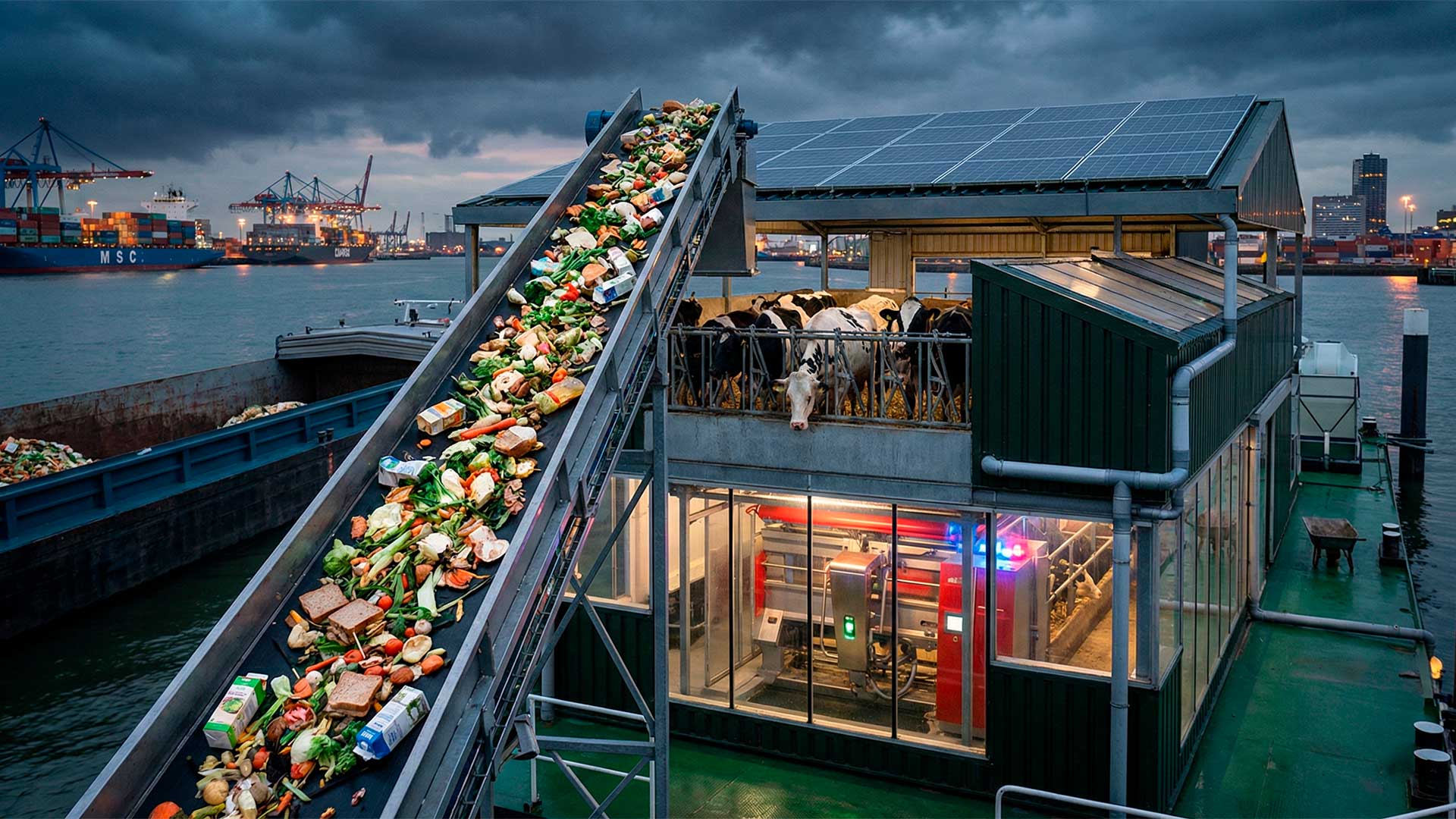
A Platform In The Port Of Rotterdam Houses Dairy Cows And Transforms Urban Waste Into Food, With Solar Energy And Rainwater To Maintain Local Production. The Proposal Is To Reduce Waste, Shorten Logistics And Show How Livestock Can Adapt To Floods And Climate.
In Rotterdam, Netherlands, a floating farm docked in the harbor has become one of the most talked-about experiments in urban agriculture in Europe. The central idea is simple to explain and hard to ignore: produce milk and dairy products on the water, just a few meters away from where people live and consume.
The project functions as a “mini dairy chain” within the city, combining livestock, milking, and processing. Instead of relying solely on distant pastures and long transportation, the proposal is to shorten the food’s journey, reducing waste and part of the emissions along the way.
The farm was also designed to address a real problem for delta cities like Rotterdam. When heavy rains and floods press on infrastructure, keeping food production running can become a matter of food security.
-
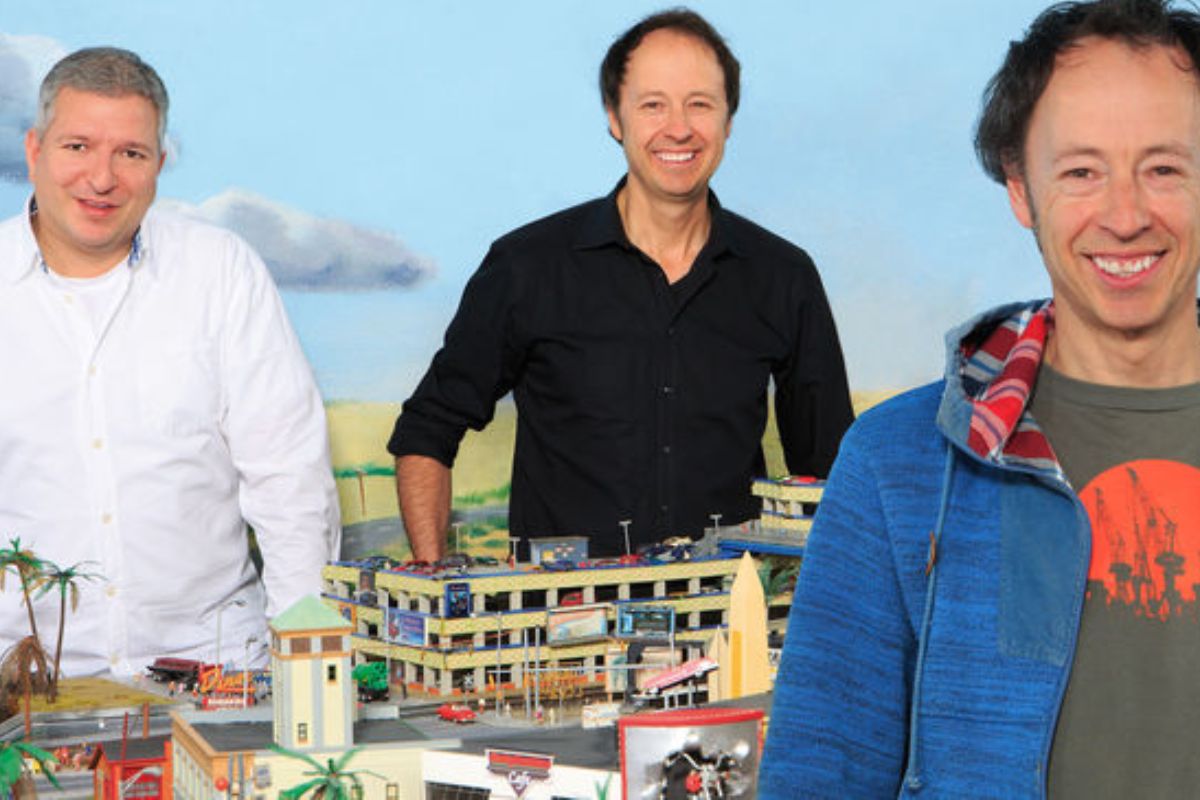
Three partners left the nightclub, convinced the bank, and decided to build the largest model railway in the world; Miniatur Wunderland became a success in Hamburg, with 12 sections and expansion planned until 2028.
-
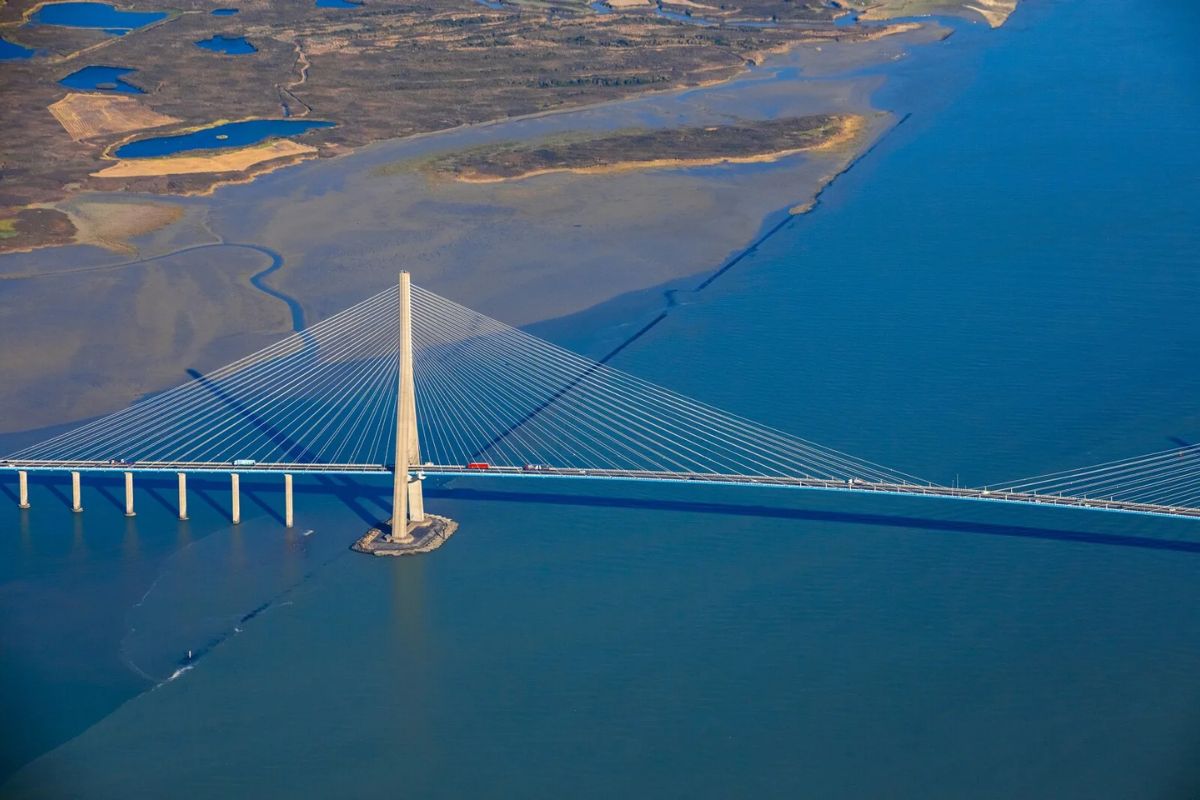
With a central span of 856 meters and pillars 214 meters high, the Pont de Normandie was the first cable-stayed bridge in the world to surpass the 800-meter mark and proved that direct steel cables could compete with suspension bridges over distances that no one thought possible.
-
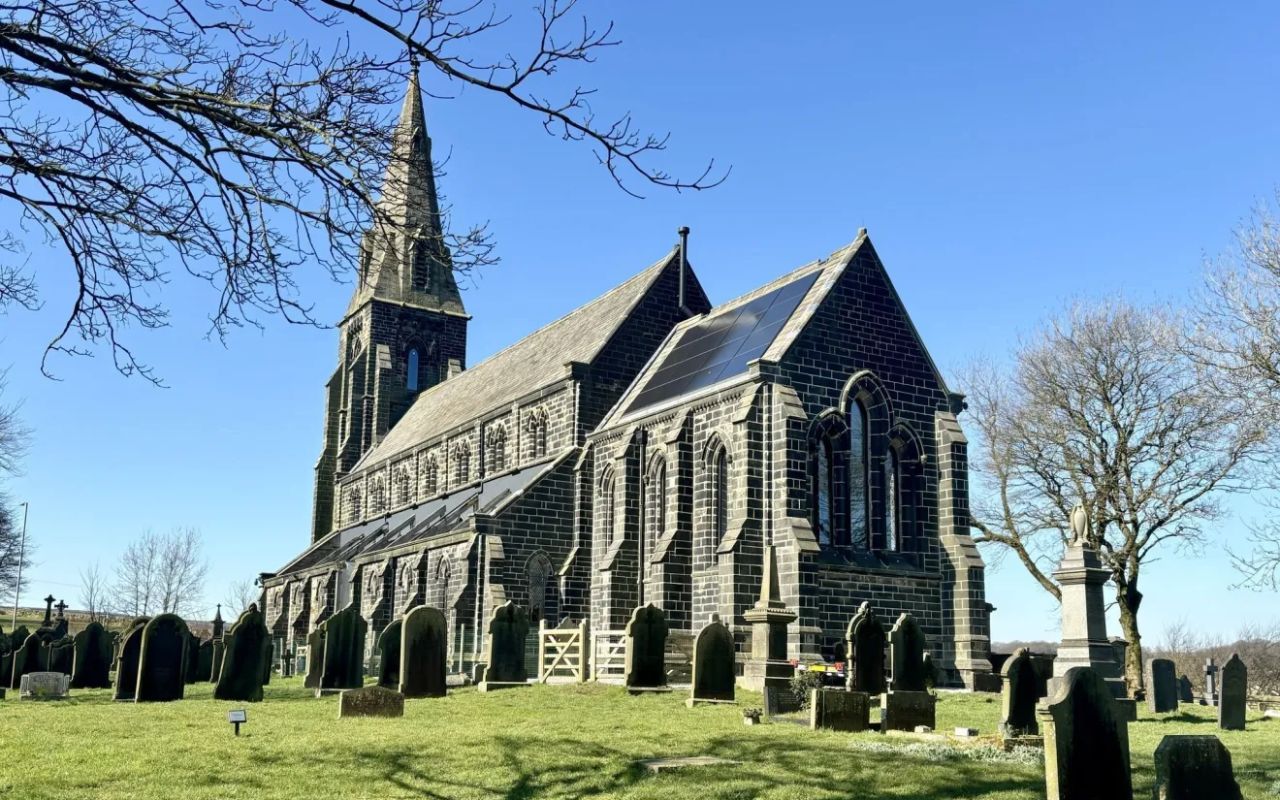
Couple invests around R$ 3.2 million to transform abandoned church from 1846 into a luxury mansion surrounded by over 300 tombs — property is now valued at R$ 11.6 million.
-
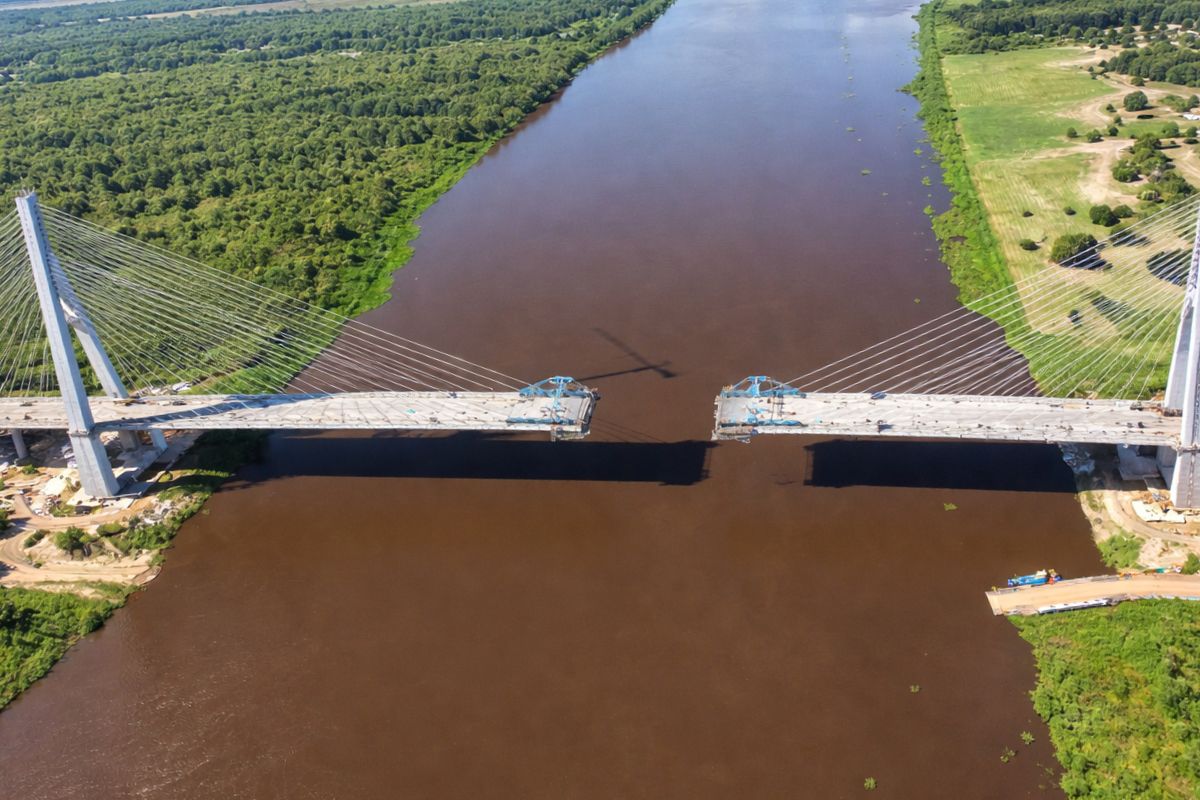
Only 37 meters remain for Brazil and Paraguay to “close” the bioceanic bridge on the Bioceanic Route: the project worth R$ 575 million is at 89% completion, uses 14,000 tons of steel, and aims to finish the connection by the end of April.
At the same time, the model draws attention for another reason: part of what feeds the cows comes from the city itself, in a circular economy logic. Instead of “waste,” leftovers and by-products become inputs.
How The Floating Farm That Produces Milk In Rotterdam Works
The structure is a platform with multiple levels, where the livestock and the operation are organized like a compact system. The farm houses a small herd by rural standards, generally described as being around 30 to 32 cows, designed to accommodate more over time.


One of the most cited points by those visiting or covering the project is the presence of automation typical of modern livestock farming, such as automated milking and cleaning equipment. The goal is to maintain routine and hygiene in a limited space without relying on large support areas.
Besides the production itself, there is a component of transparency and education. The farm was designed so the public can view steps of the process and understand where the milk comes from, an attempt to reconnect urban consumption and food production.
Urban Waste Becomes Feed And The City Enters The Circular Economy Account
The most curious hook of the project is in the cows’ diet. Instead of relying only on feed from afar, the system aims to utilize local by-products, such as leftovers and surpluses from the urban food chain.
In practice, this can include items like grains and scraps from the beverage and food industries, as well as plant trimmings and waste. The logic is to use what already exists in the city and what would often become waste as part of the nutrient supply.
There are estimates released by organizations and the project itself indicating that much of the diet can come from the city, reinforcing the proposal of circularity. For a metropolis, this has a strong appeal because it transforms a liability into a resource and reduces dependence on long routes.
This choice also shifts the debate about waste. Instead of only talking about home recycling, the farm places the topic at the center of the plate, showing that “leftovers” can have value when logistics and sorting are well done.
Floating Solar Energy And Rainwater Help Keep The Operation Close To The Consumer
Another axis of the model is energy and water. The farm uses solar panels near the structure to supply part of its consumption, decreasing dependence on external sources and reinforcing the discourse of cleaner production.
Water also plays a strategic role. The system provides for rainwater harvesting, with treatment for internal uses, which helps reduce pressure on traditional supply and provides more resilience in times of water stress.
In more recent reports, the farm appears to be testing additional solutions related to water from the port itself, including desalination processes with lower chemical usage, utilizing heat repurposed from the system. This shows that the project is not static; it incorporates new layers of technology as the operation matures.
Why The Farm Was Established In The Port And What It Says About Climate And Cities
The choice of the port is not just aesthetic. Rotterdam is a city that historically coexists with water and the risk of flooding, and the discussion about climate adaptation there is practical, not theoretical.
According to interviews and international coverage, the inspiration for the project gained momentum by observing how extreme events can break supply chains. When logistics centers stop, shelves empty quickly, exposing the fragility of “too far away.”
The floating farm attempts to respond precisely to this with the idea of proximity. Producing within the city reduces steps, diminishes dependence on long transport, and creates a kind of small-scale food “insurance.”
At the same time, the project operates in a sensitive territory where urban, port, and environmental interests coexist. Hence, it becomes a showcase and also a target for questioning.
What Still Divides Opinions About Milk On The Water
The first controversy is cost and scale. A floating farm can be a solution for niches and for environmental education, but there remains a debate about how much it can grow and compete with traditional systems without becoming just a showcase.
The second discussion concerns what counts as “green.” Some see a real advancement in circularity and short logistics, while others critique the presence of automation and the complexity of the system, which may require expensive maintenance and supplemental energy.
Finally, the topic of animal welfare arises. Even with reports of stability and access to land areas, part of the public questions whether it makes sense to keep cows in a floating structure, and the answer often depends on data and operational transparency.
Whether this type of farm is the future of cities or just an expensive experiment, the narrative battle is open. Do you think this innovation is a real solution or just a pretty symbol for photos? Leave your comment and tell us which side you’re on.




-

-

-

-

-

6 pessoas reagiram a isso.