





 Portuguese
  English
  Spanish
  4 min of reading
  1 comment


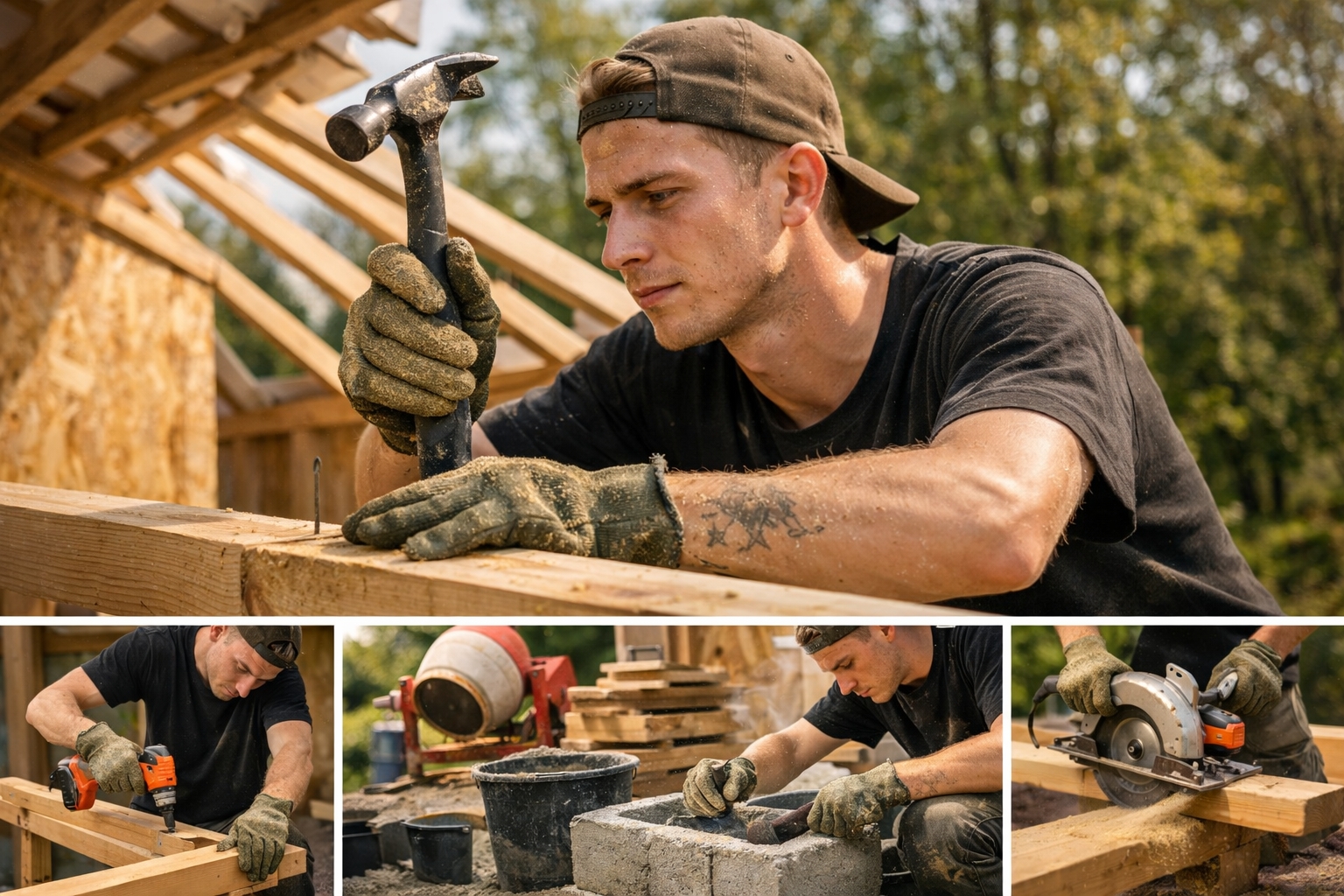


Man Builds Reforested Wood House in 5 Days and Challenges Traditional Construction Model in Brazil.
Five days of construction. That was the time between a cleared lot and a fully enclosed round house, with concrete slab, wooden structure, and metal roof installed. In a sector where delays are almost the norm, the execution caught attention. No dragging work for weeks. No apparent improvisation. The progress was continuous.
The question that remains is not just technical.
It is strategic: why does Brazilian construction still take so long to deliver something that can be resolved in less than a week with the right method?
-
New CCR concrete paving technology promises roads up to 3x more durable, less maintenance, and cost reduction in Brazil.

-
Made from recycled plastic, plastic wood is gaining space in the construction industry because it does not rot, resists moisture, and reduces maintenance costs over the years.

-
Florianópolis will receive a million-dollar BRT that will begin construction in 2026 with nearly 400 million in funding from the federal government and the Inter-American Development Bank, and the map already shows the routes for the exclusive bus corridors.

-
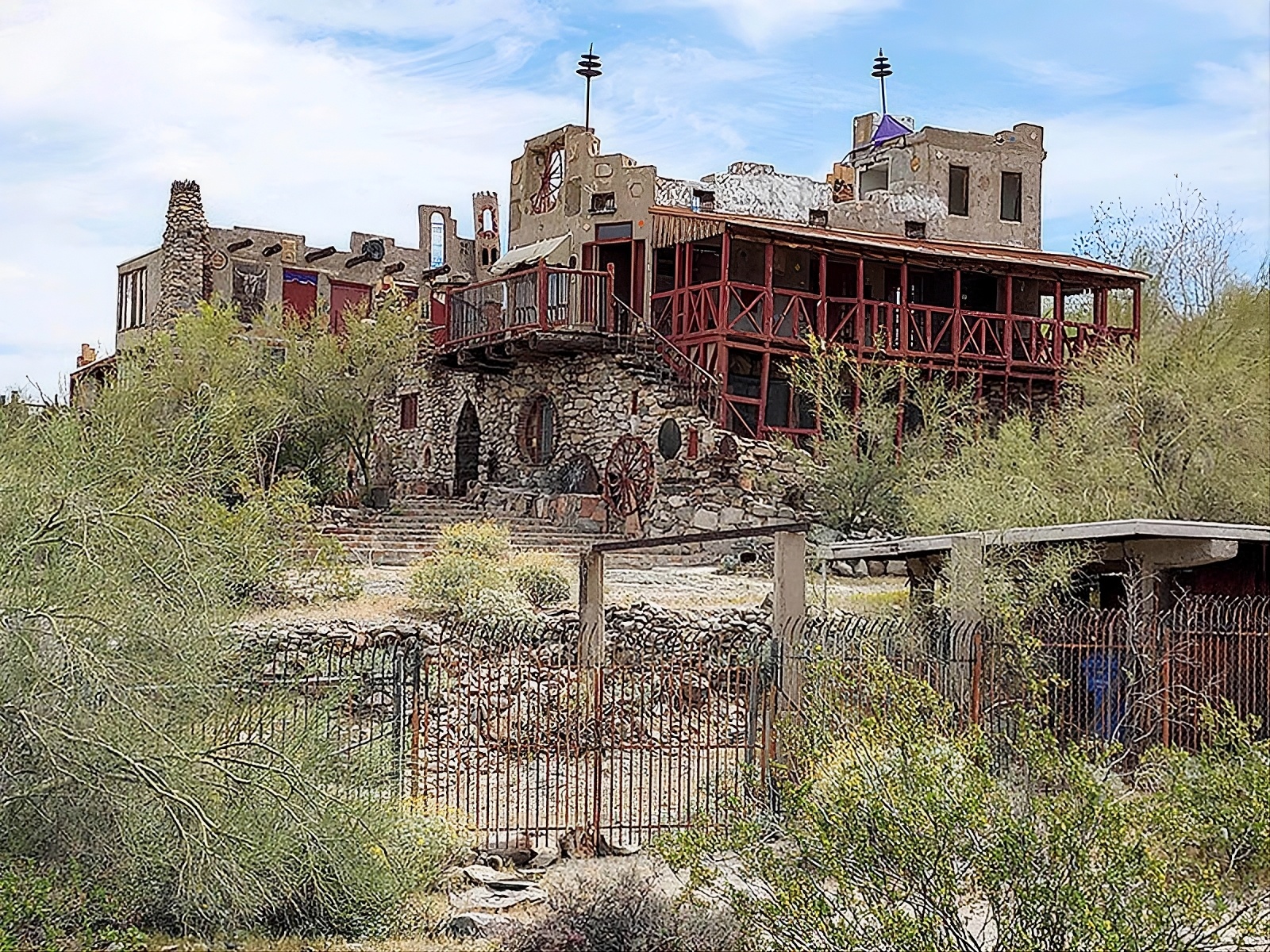
Without a blueprint, without an engineer, and using scrap from the dump, a father spends 15 years building an 18-room castle for his daughter, featuring tram tracks, 13 fireplaces, and over 700 m², which may now be demolished.



The Silent Problem That Raises Construction Costs in Brazil and Maintains Schedules Overdue for Months
Conventional constructions often suffer from interruptions, adjustments along the way, and rework.
First erect, then correct. First concrete, then adapt. Each flaw extends time and cost.
In this reforested wood house, the logic was inverted. The base was already prepared to receive the structure.
The slab was executed with aligned edges and metal fastening points positioned beforehand.
When the studs arrived, there was no adaptation. There was fitting.
This direct sequence is what reduces time. There is no miracle. There is technical planning.
The Detail That Changes Everything: Walls Assembled on the Ground Transformed the Site into an Assembly Line
The secret is far from being sophisticated. But it is crucial.
The walls were not raised piece by piece to height. They were assembled on the ground. Vertical studs and horizontal beams formed complete structural frames while still on the ground.
Rigid panels closed each frame even before they were lifted.
After that, the assembly was raised and fixed to the slab with screws and metal supports. Stability came almost immediately.
This method reduces effort at height, decreases the risk of misalignment, and eliminates future disassemblies. The site starts to function almost like a small assembly industry.
According to experts, when each stage prepares the next, the schedule ceases to be an obstacle and becomes a consequence.
Metal Roof Sealed the Structure and Transformed Skeleton into Functional Shelter in Few Hours
With the walls secured, it entered the phase that changes the perception of the work.
Inclined beams were supported on the side structure. On top of them, battens were distributed to create the base for the metal tiles.
The sheets were fixed with screws that penetrate through the metal to reach the wood. When the ridge was aligned, the interior was already protected from the sun and wind.
Practically speaking, this shortens the exposure of the work to weather conditions and accelerates the following phases.
In a few days, what was an open structure became a closed space.
Reforested Wood and Technical Organization Put Pressure on Traditional Masonry
There is no futuristic technology or giant equipment.
The differential lies in the combination of reforested wood, structural panels, and organized execution sequence.
The round house received doors, windows, and external closure right after the roofing. The joints were aligned, and the cuts showed precision.
Estimates indicate that lean methods like this can reduce deadlines without compromising stability, as long as planning is detailed.
This puts pressure on the conventional masonry model, which relies on more wet stages and longer curing periods.
What This Model Reveals About the Future of Fast Construction in Brazil
The provocation goes beyond this specific house.
If a complete structure can go from zero to closed in five days, the potential impact on the production chain is evident. Less construction time means lower indirect costs, less exposure to weather variations, and greater predictability.
According to industry experts, the partial industrialization of the site is one of the ways to increase productivity in the Brazilian construction sector.
This house stood out not only for its speed. It exposed a historical fragility of the sector: the excess of improvisation.
And when organization replaces improvisation, the schedule shrinks.
Do you believe that fast constructions with reforested wood can gain space in Brazil? Leave your opinion in the comments and share with those who follow innovation in engineering.










Montou a casa em cinco dias. Mas quantos dias foram gastos para CONSTRUIR as peças? Apareceram por mágica?
É uma etapa que nunca se menciona em casas pré-moldadas.