





 Portuguese
  English
  Spanish
  6 min of reading
  6 comments


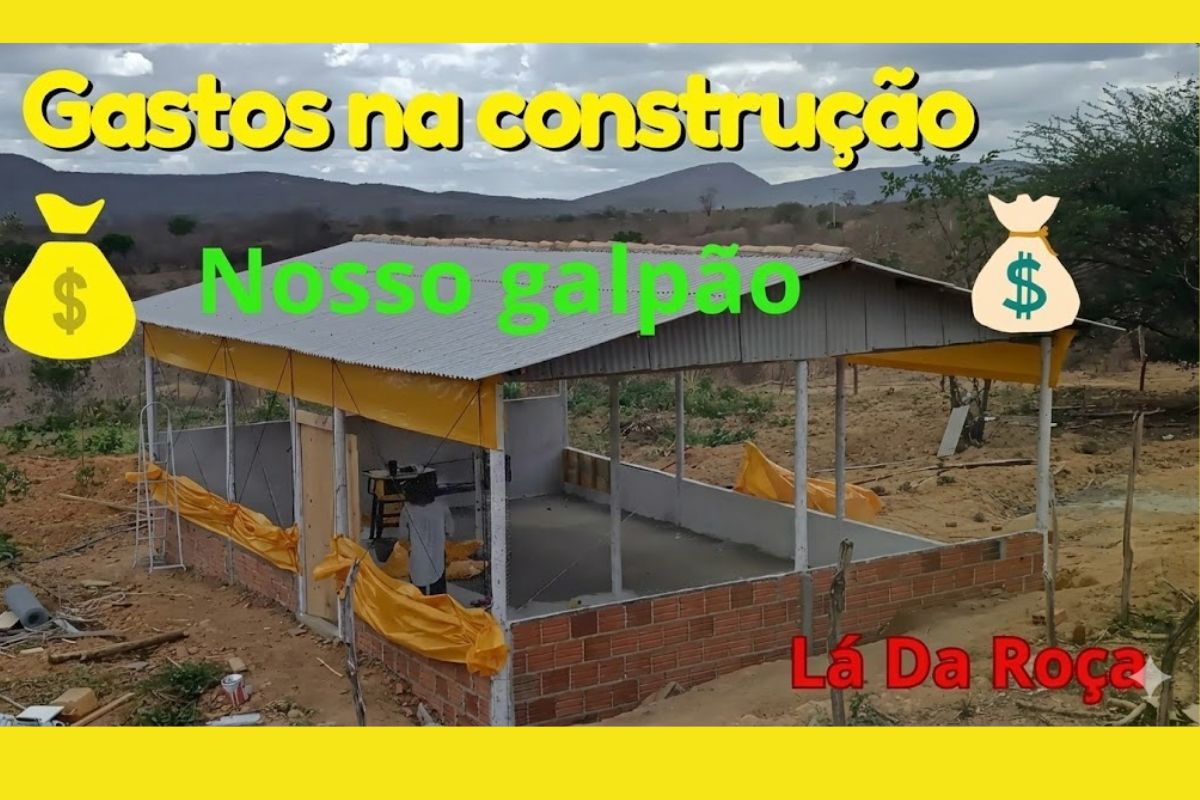


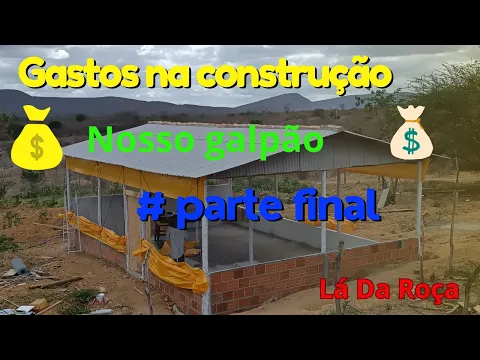
Without Bank Money and Using Almost All Manual Labor, Farm Producer Builds Eucalyptus Shed for 300 Laying Hens, Calculates the Cost of Each Piece, Shows a Total of R$ 7,452.50 in Materials and Exposes the Real Weight of This Investment in the Field for Those Who Dream of Starting Small.
Instead of seeking financing, a farm producer decided to build an eucalyptus shed for 300 laying hens using mainly his own manual labor, repurposing what he had on the farm and buying, gradually, each post, beam, tile, and block. The goal was clear: to build a functional, durable structure within the reality of those living off family farming.
At the end of the work, he loudly calculated: there were R$ 7,452.50 in materials, plus around R$ 300 for freight, repurposed gravel and sand, and one detail that changes everything in the final balance, the savings of over R$ 3,000 in masonry and carpentry thanks to the choice to do almost everything at home, with his own family.
Eucalyptus Shed for 300 Laying Hens, Designed to Fit the Budget

The project is simple but full of calculations. The shed was sized for 300 laying hens, using treated eucalyptus as the base of the structure. The producer explains that he wanted something durable yet affordable at the pace of the farm.
-
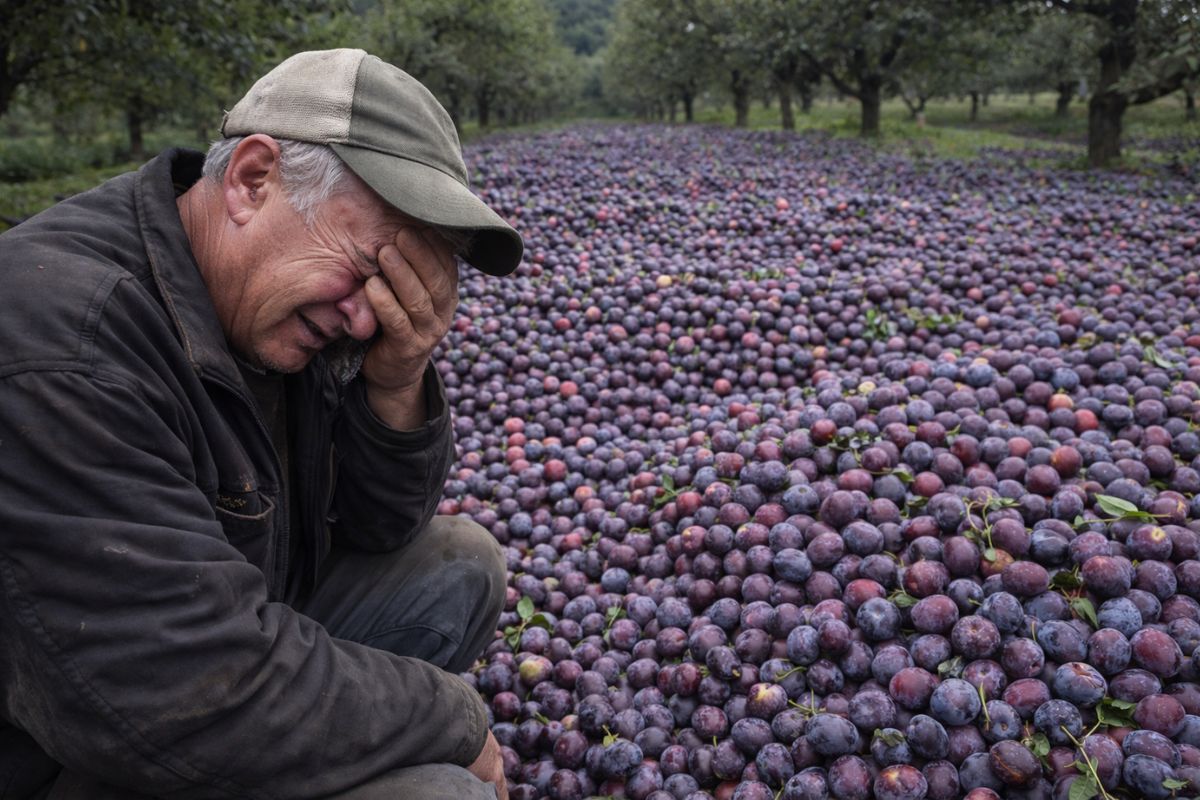
A rural producer from Urubici cries as he shows 50 tons of plums thrown on the ground because no one wanted to buy them, and in desperation, he records a video asking anyone to come to the property to pick the fruits before they rot.
-
Unable to pass through Hormuz, Brazil activated a plan B that uses Turkey as a gateway to the Middle East: the route through Gibraltar and the Mediterranean is longer and more expensive but ensures that chicken, beef, and corn continue to reach Arab markets.

-
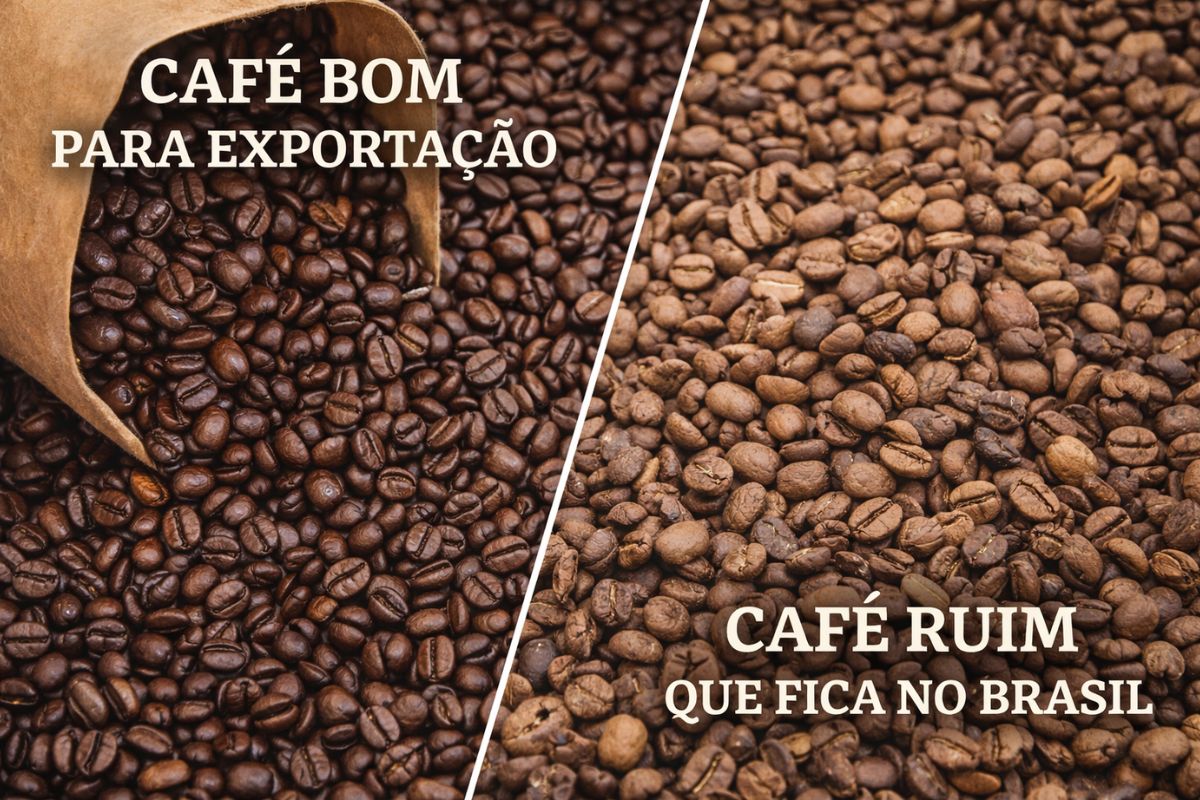
You grew up hearing that the good coffee from Brazil goes all abroad and the bad coffee stays for Brazilians, but this story has completely changed, and the numbers show that in the 1980s, thirty percent of the coffee sold here was adulterated with corn and barley.
-
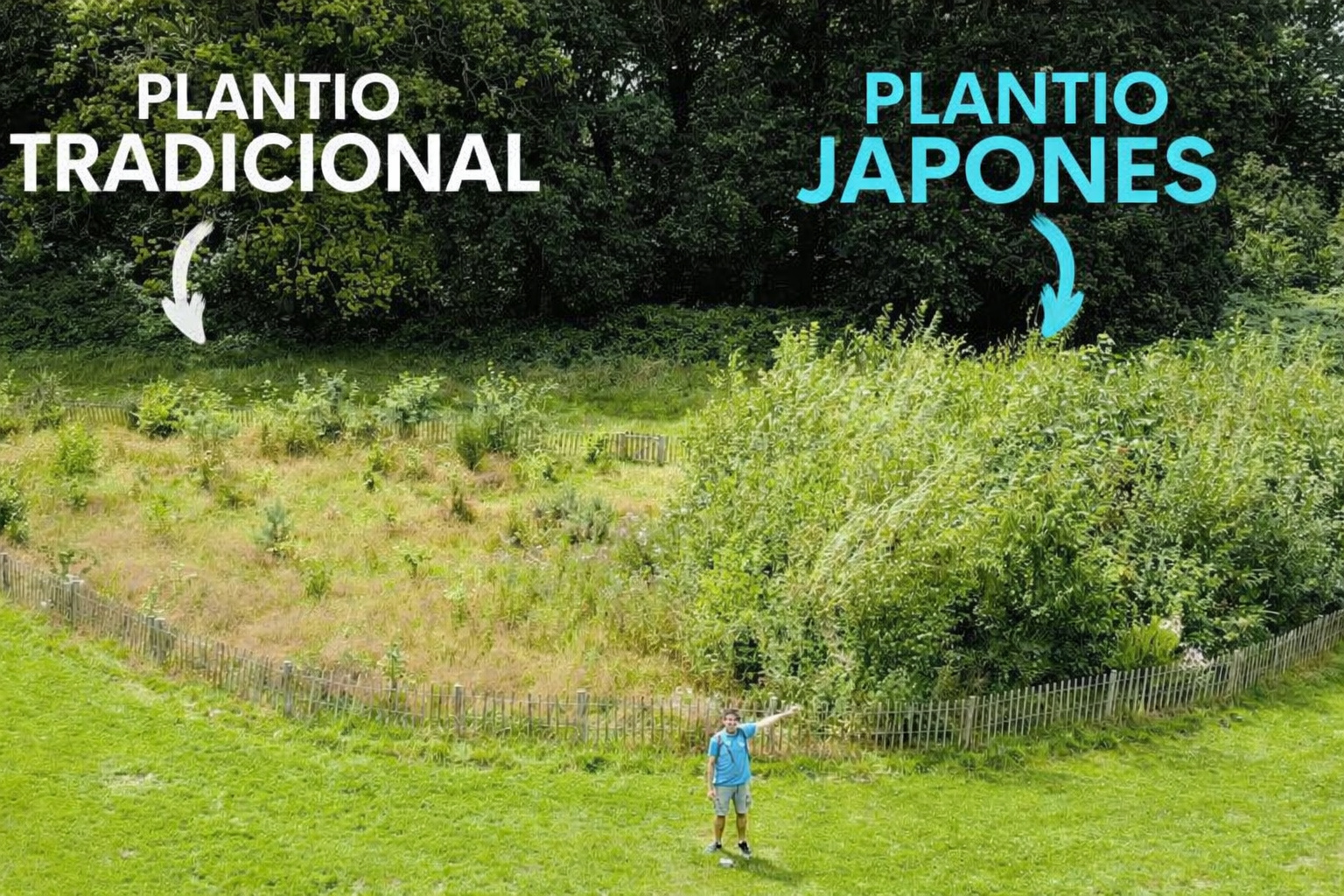
Engineer creates reforestation method that transforms small plots into dense forests in a few years using local biomass and can reduce environmental recovery costs.
The structure began with 12 eucalyptus posts, being 8 of 4 meters and 4 of 5 meters, all with extra treatment at the base of the post. To increase durability, he dug 80-centimeter holes, burying each piece deep to prevent early rotting and ensure stability, even in strong winds.
On top of those posts came the horizontal pieces: 14 rafters of 3.15 meters, 4 beams or braces of 6 meters, 6 lines of 4 meters, and two more lines, one of 6 meters and another of 3 meters. The roof was assembled with 24 battens of 4 meters, even though it’s a shed 9 meters long, precisely to ensure larger eaves and space for joints, increasing protection against rain on the sides.
From the beginning, the logic was always the same: buy treated eucalyptus, assemble calmly, and use manual labor to stretch each real invested as much as possible.
Structural Wood: How Much He Spent on Posts, Rafters, Beams, and Battens
In the structural wood portion, the producer was keen to write everything down. He says he paid R$ 86 for each eucalyptus post, totaling the 4 and 5-meter ones. Adding posts, rafters, beams, lines, and battens, the total cost for treated wood amounted to R$ 2,767, just for the shed’s framework.
The 14 rafters of 3.15 meters cost R$ 35 each, totaling R$ 490. The 24 battens of 4 meters went for R$ 20 each, totaling R$ 480. The 4 beams of 6 meters cost R$ 360 in total, and the 6 lines of 4 meters amounted to R$ 270. The two additional lines, of 6 and 3 meters, cost R$ 35 for the set.
He emphasizes that, for those who want to replicate the project, structural wood is one of the heaviest blocks of the cost, but also the most determining factor for the shed’s lifespan. And here, once again, manual labor was decisive to avoid doubling this cost with carpentry.
Roofing and Closure: Tiles, Screws, Blocks, and Cement
With the structure ready, the roofing phase came. The producer bought 72 fiber cement tiles, using 66 on the roof and 6 to close the gable. According to him, the total spending on tiles reached R$ 1,656, plus 176 specific screws for fastening, which cost R$ 44.
For the masonry closure, he obtained 600 bricks or ceramic blocks: first 350, then another 250, completing what was needed for low walls and dividers. This batch cost R$ 540. For mortar and concrete, there were 14 bags of cement, at R$ 45 each, totaling R$ 630.
Gravel and sand were not included in the final bill because they came from leftovers from other projects and from the rural road, something common for those living in the countryside who utilize local resources whenever possible.
Here appears another layer of savings: in addition to counting on manual labor to lay the bricks, the producer used materials he already had or that he could obtain without paying for everything at the store.
Doors, Hardware, Wire Mesh, Paint, and Canvas: The Details That Add Up in the End
To close the shed and ensure security, ventilation, and batch management, he also needed to invest in a long list of smaller items, which together make a difference.
There were 3 pine boards to make the main door, costing R$ 120, plus 1 kilogram of 15 x 15 nails, which cost R$ 20. For the hardware, he bought 3 hinges for the door and 4 hinges for the small doors, paying R$ 26 for this package.
Since the henhouse needed to be entirely fenced, he included 1 roll of wire mesh sufficient to enclose the entire space, for R$ 440. For the finishing and protection of the wood, he used one can of white paint of 3.6 liters, costing R$ 120, and 1 liter of thinner (water-thin), for R$ 16.50.
For lateral closure with canvas, important for controlling wind and rain, more items were needed: 150 meters of rope to secure the canvas, costing R$ 150 (R$ 1 per meter), 38 metal hooks to attach this rope, 30 meters of canvas, 2 kilograms of smooth wire, 1 kilogram of staples, and 2 bags of lime for painting, which cost R$ 5 in total.
Summing up wire mesh, canvas, nails, wire, staples, rope, and hooks, the total came to around R$ 1,395, plus R$ 25 for lime.
These details complete the package of R$ 7,452.50 in materials, a figure he repeats as a reference for those who want to build a similar shed using the same model and level of finishing.
Manual Labor, Family Help, and What It Would Cost with Masons and Carpenters
If all this structure were built with hired labor, the final cost would be very different. The producer makes a quick calculation: adding the daily wages of masons and carpenters, the construction cost would go up by at least R$ 3,000.
In his case, nearly all the labor was his own, split between him and his son. There were many days of hard work, with no time for anything else, fitting the construction of the shed into the routine of the farm.
The heavier stages, such as side walls, flooring, and plastering, were aided by his brother-in-law Carlinhos, a professional mason who came to visit the family and ended up joining the project, further reducing the cost.
He makes it clear that, for those who intend to copy the model, there are two very different paths:
- pay for materials and for all the labor, which would easily raise the total cost to above R$ 10,000, considering the figures he mentions
- or follow the same logic he adopted, betting on manual labor, learning in the process, moving slowly, but ending up with an asset built practically by hand
For him, it is precisely the manual labor that transforms an unfeasible project into something achievable for the reality of family farming.
Without Financing and Step by Step: Lessons for Those Who Want to Bring the Shed to Life

One point he repeats throughout the account is that there was no financing. No banks, grace periods, or long installments. The shed was built by purchasing materials in stages, as the farm’s income allowed, always focusing on keeping the accounts under control.
First came the eucalyptus posts and the main pieces of the structure. Then the tiles. After that, bricks, cement, and hardware.
Finally, mesh, canvas, paint, and finishing touches. All tied together by a simple strategy: invest only when possible, while manual labor covered the execution costs.
There’s still the need to install the water tank and internal supply system for the shed, which he already says will be the topic of the next step.
But, even so, the core of the project is complete: there is a treated eucalyptus shed, covered, closed, ready to accommodate 300 laying hens, and designed to last for many years.
In the end, he summarizes the lesson directly: it’s tough, it’s heavy, but it’s step by step that we build the breeding and the dream.
And you, would you take on a project of this size, betting on your own manual labor and building your shed gradually, at your income’s pace, or would you prefer to wait until you have all the money and hire everything ready?






Nossa, parabéns para esse senhor!
Ainda deu os passos para quem quiser fazer igual!
Que mundo é esse ? Que ainda restam pessoas para procurar ERROS.
Tenhamos bons OLHOS!
Trata-se de um excelente incentivo e uma base financeira ,para um investimento muito bom no mercado de granja(galinhas) que sempre esteve em alta em sua comercialização.
Qual a medida da telha Fibrocimento que ele comprou 72 peças por 1.656,00 ? Caso eu não tenha entendido errado.
Acredito que sejam as telhas de 2,44×0,50 de 4mm.