





 Portuguese
  English
  Spanish
  4 min of reading
  1 comment


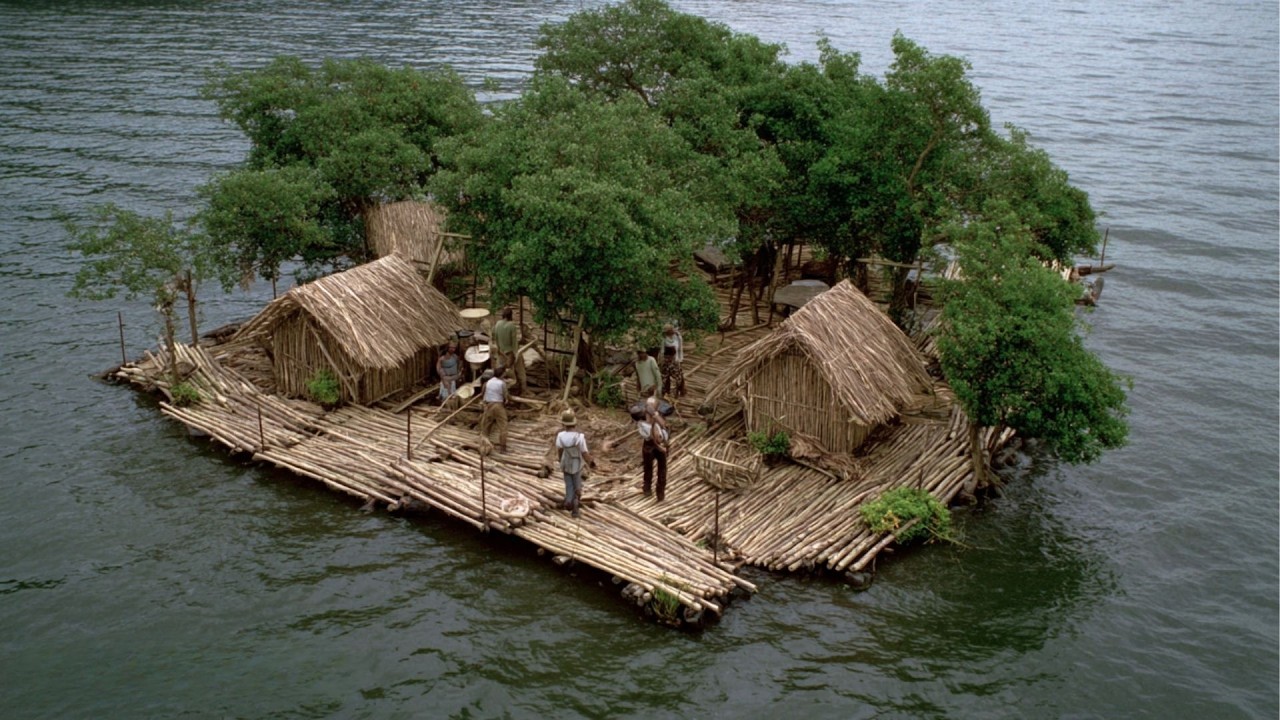


Alone In Vietnam, A Man Built A Floating Bamboo Village That Produces Food, Shelter And Sustenance Without Electricity Or Machines.
A man decided to break completely with urban life, abandon the infrastructure of cities, and disappear into the jungle of Vietnam. In just one year, living in total isolation, he achieved something that seems improbable: he built a self-sufficient floating village by himself, erected on a remote lake, using almost exclusively bamboo, wood, traditional carpentry techniques, and natural resources available around.
Without conventional electricity, neighbors, machines, or any external support, the village operates as a small living ecosystem, capable of providing shelter, food, water, transport, and security in the midst of the tropical forest.
The Decision To Abandon The City And Live On Water
The idea of building on a lake did not arise merely as an aesthetic choice. It was a strategic survival decision. In humid forest regions of Vietnam, snakes and especially pythons pose a constant risk. By elevating the dwelling above the water, the builder drastically reduced this type of threat.
-
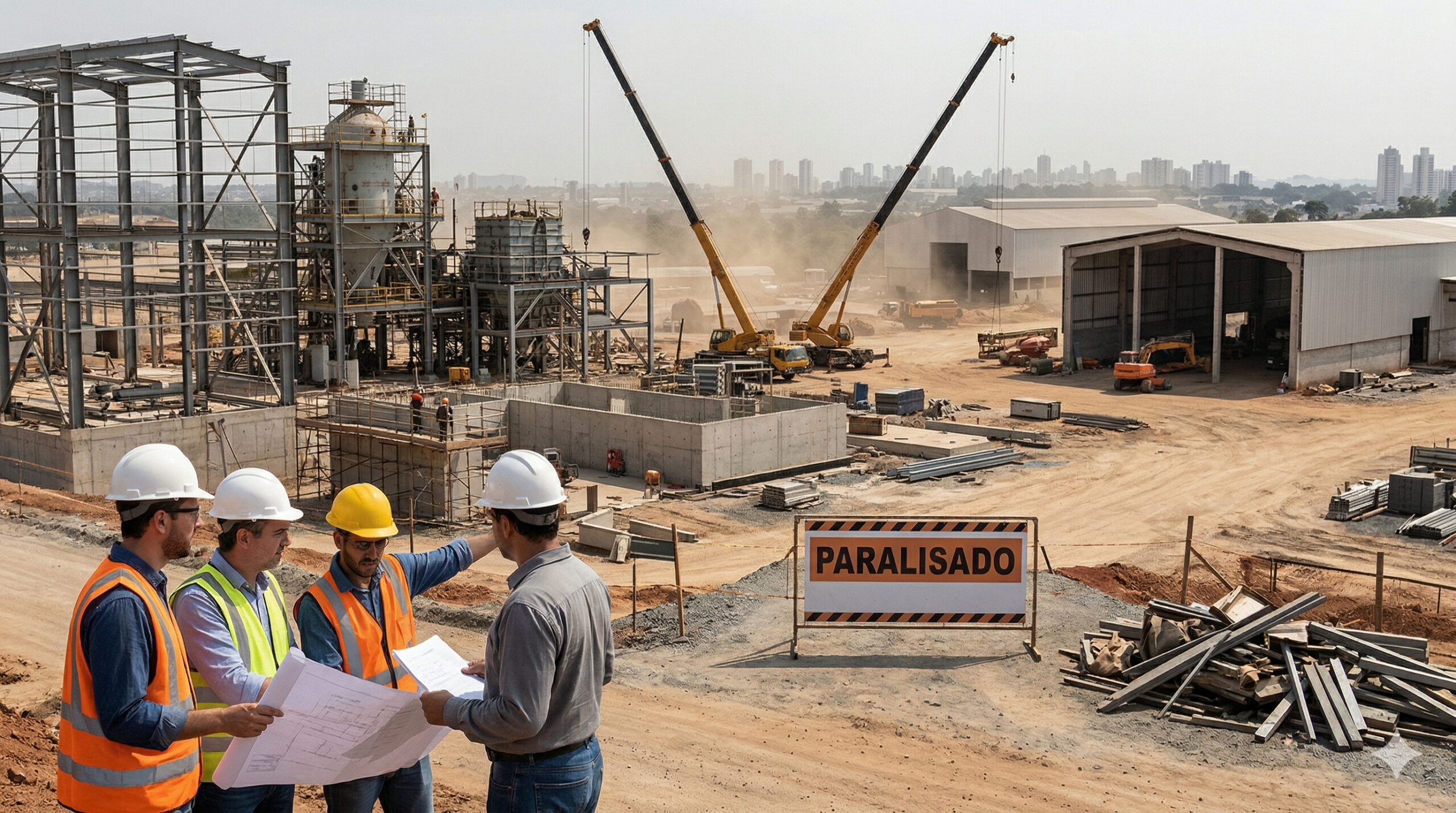
The lack of welders, electricians, and operators becomes a structural threat in 2025, with the construction industry and manufacturing already suffering from delays, cost pressures, and labor shortages in Brazil.
-
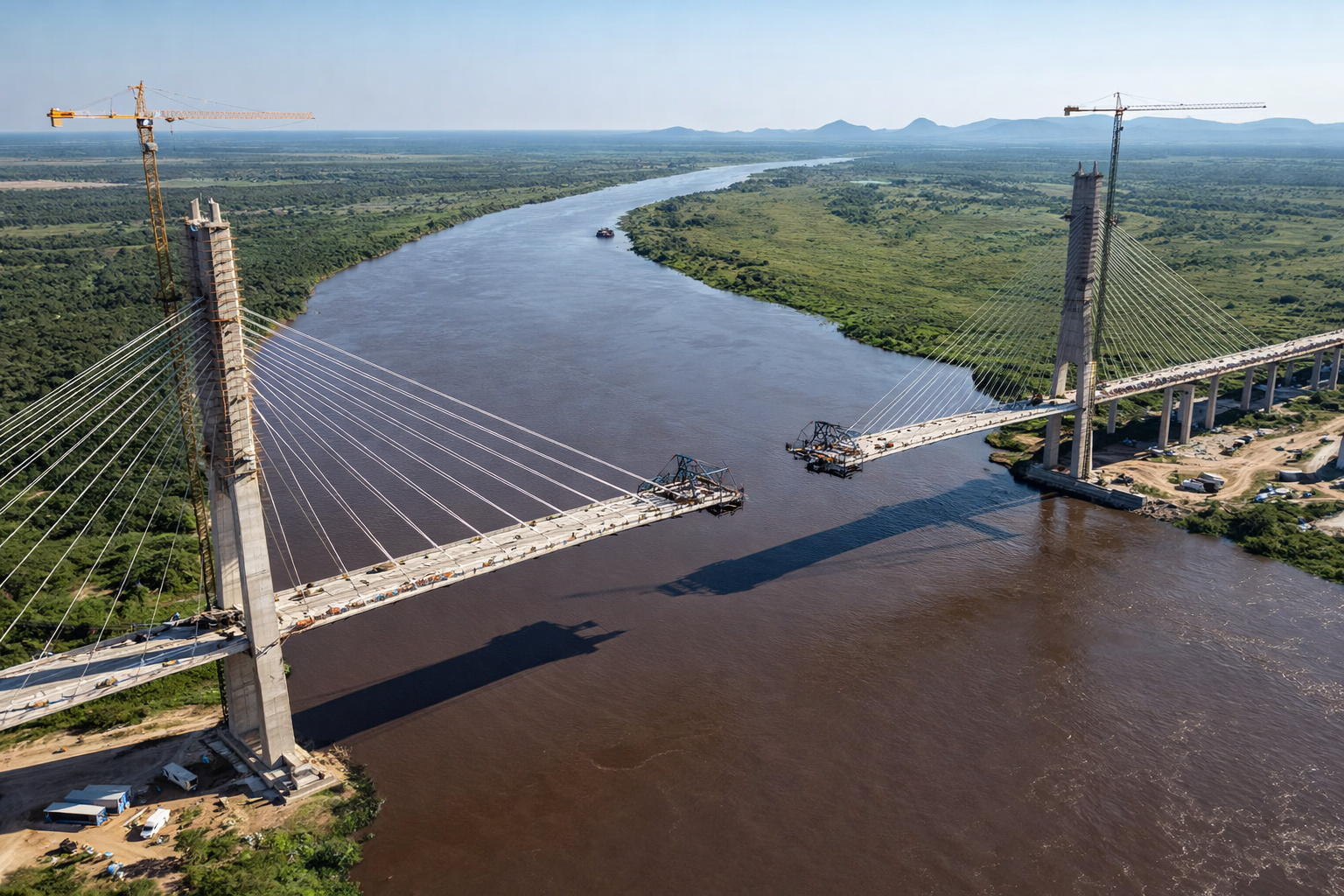
Brazil and Paraguay are just 46 meters away from a historic union on the bioceanic bridge that promises to revolutionize trade between the Atlantic and the Pacific.
-
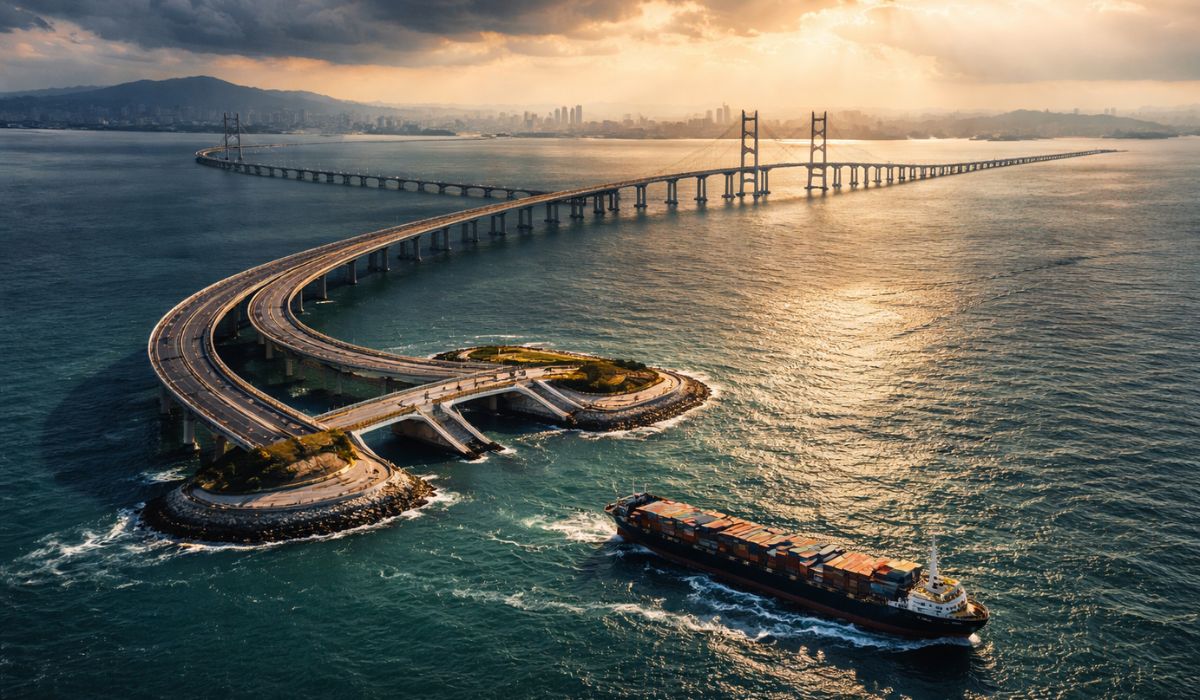
With 55 km over the sea, a cost of US$ 20 billion, and enough steel to build 60 Eiffel Towers, China’s largest project has connected Hong Kong, Zhuhai, and Macau in a colossal bridge that defies the logic of engineering.
-
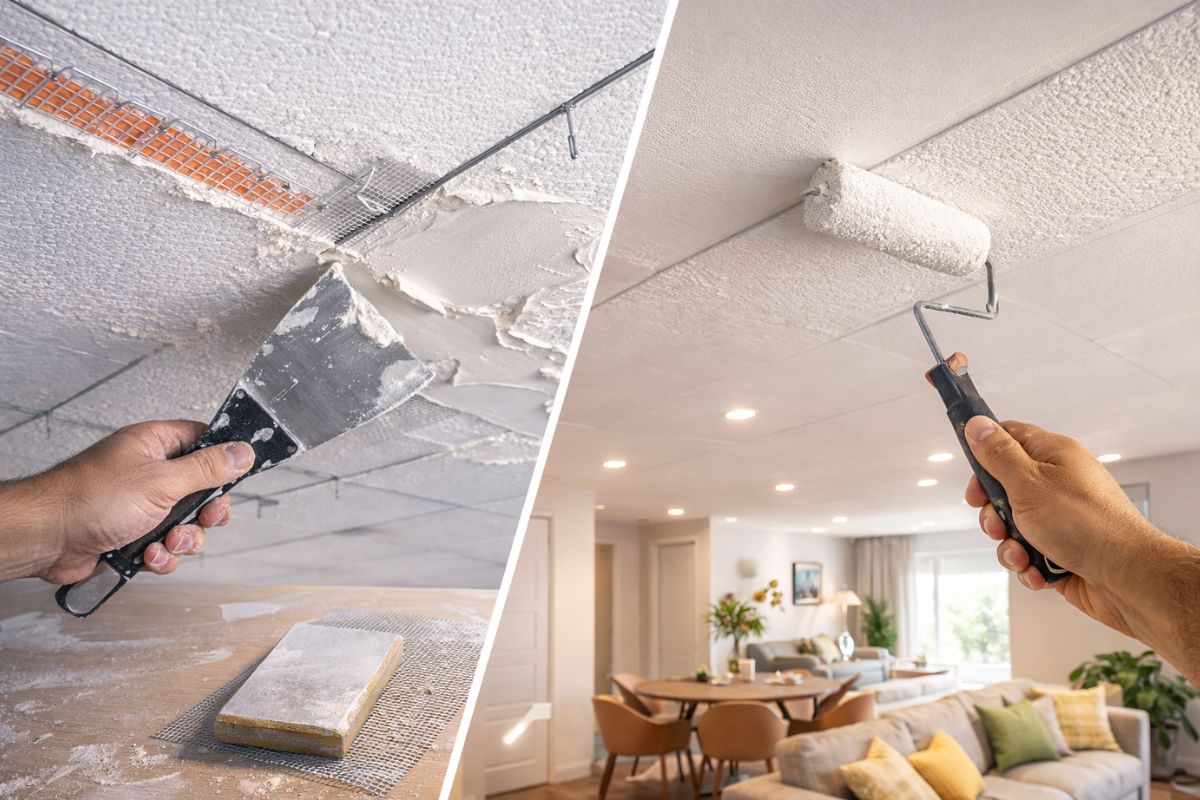
A trick with joint compound transforms a Styrofoam ceiling into a plaster-like ceiling: leveled panels, wires and mesh at the joints, sand, paint, and change the environment while spending little today.


Furthermore, living on water allowed escape from unstable terrain, excessive humidity, and insects while ensuring direct access to one of the main food sources: the lake itself.
Bamboo As The Foundation Of Everything
The heart of the floating village is bamboo, a material abundant in the region, known for its lightness, strength, and natural buoyancy. It was used as foundation, flooring, structure, walls, and roof, completely replacing concrete, steel, and metal.

The bamboo trunks were tied and fitted together to form an elevated platform, capable of adapting to the lake level during floods or droughts. No piece was fixed with nails. The entire structure follows traditional local carpentry techniques, based on precise cuts, fittings, and bindings.

The flat bamboo roof protects against heavy rains and sun exposure while allowing constant ventilation, essential in a tropical climate.
From Isolated Cabin To Floating Village
What started as a simple cabin evolved over the months into a well-organized village, with clearly defined spaces. A covered kitchen emerged, equipped with a wood stove, resting areas, storage locations, and specific zones for food cultivation and management.
The structure began to function as a farm on water, where each space serves a clear purpose within an integrated system.
Nothing is wasted. Everything is reused or reintegrated into the village’s production cycle.
Pool That Turned Into Fish Tank
One of the most ingenious elements of the village is a pool dug at the edge of the platform, which functions as a fish farming tank, especially for catfish. The space serves a dual purpose: recreation and protein production.
The proximity to the lake facilitates water renewal and fish feeding, ensuring frequent catches without the need for long fishing trips.
Tools Created To Live Alone
Living in isolation means doing everything without help. For this, the resident developed simple but extremely efficient tools, based on basic mechanical principles and natural materials.

Among the created solutions is a pedal boat, which allows silent and sustainable movement across the lake, without fuel or motors. There is also a canoe carved from a single trunk, sealed with natural latex to prevent leaks and increase its durability.
In fishing, lightweight portable traps can be repositioned as needed, while a hoisting net with a pulley system allows lifting large quantities of fish with minimal physical effort.
These inventions replace modern machines and demonstrate how simple engineering can solve complex problems.
Floating Garden And Continuous Food Production
In addition to fishing, the village hosts a productive floating garden, installed directly over the platform. Here, chili peppers, ferns, banana plants, and other plants adapted to the humid environment are cultivated.
Rice is grown in a floating field, lined with banana leaves, which help retain moisture, protect the substrate, and create ideal growth conditions. Composting leaves and organic waste closes the productive cycle, turning waste into natural fertilizer.
This system ensures constant harvests of grains, fruits, and vegetables, reducing exclusive dependence on fishing.
A Complete Ecosystem Without Conventional Electricity
Nothing in the village depends on the power grid, motors, or industrial equipment. Its operation is based on human energy, gravity, water, fire, and traditional knowledge. Each design choice aims to reduce effort, increase efficiency, and maintain balance with the environment.
The result is an extreme model of self-sufficiency, where shelter, food, transport, and security coexist in an integrated and functional system.

More than a curiosity, the floating village built in Vietnam serves as a radical experiment of life outside the modern system. It demonstrates that, with knowledge, planning, and mastery of traditional techniques, it is possible to create complex structures without relying on electricity, machines, or industrial chains.
In an increasingly urban and technology-dependent world, the project draws attention precisely for showing the opposite: less infrastructure, more ingenuity, and total autonomy.









É um sonho meu, que vez por outra vejo realizado pelas mãos de quem teve a felicidade de poder realizar.